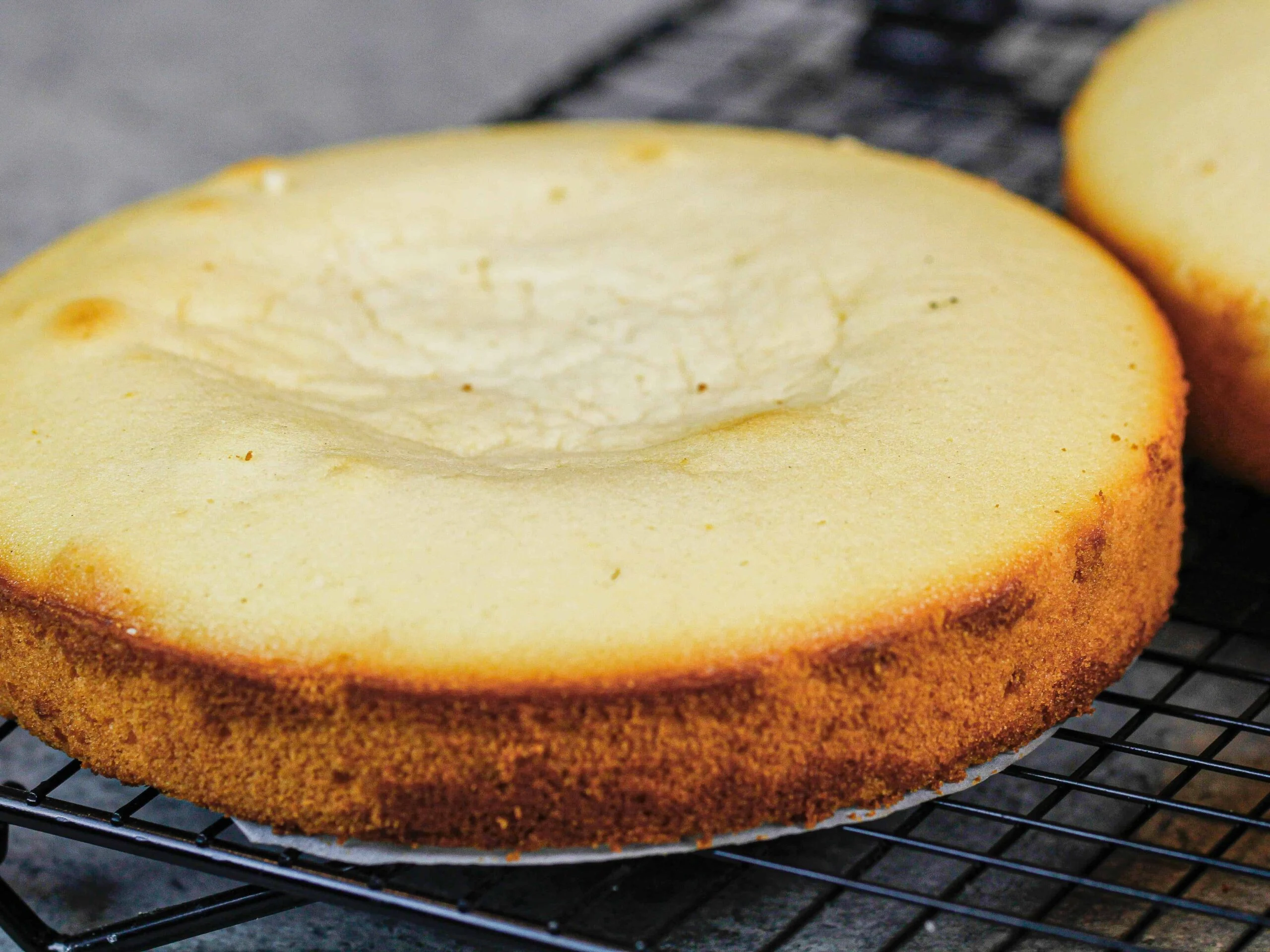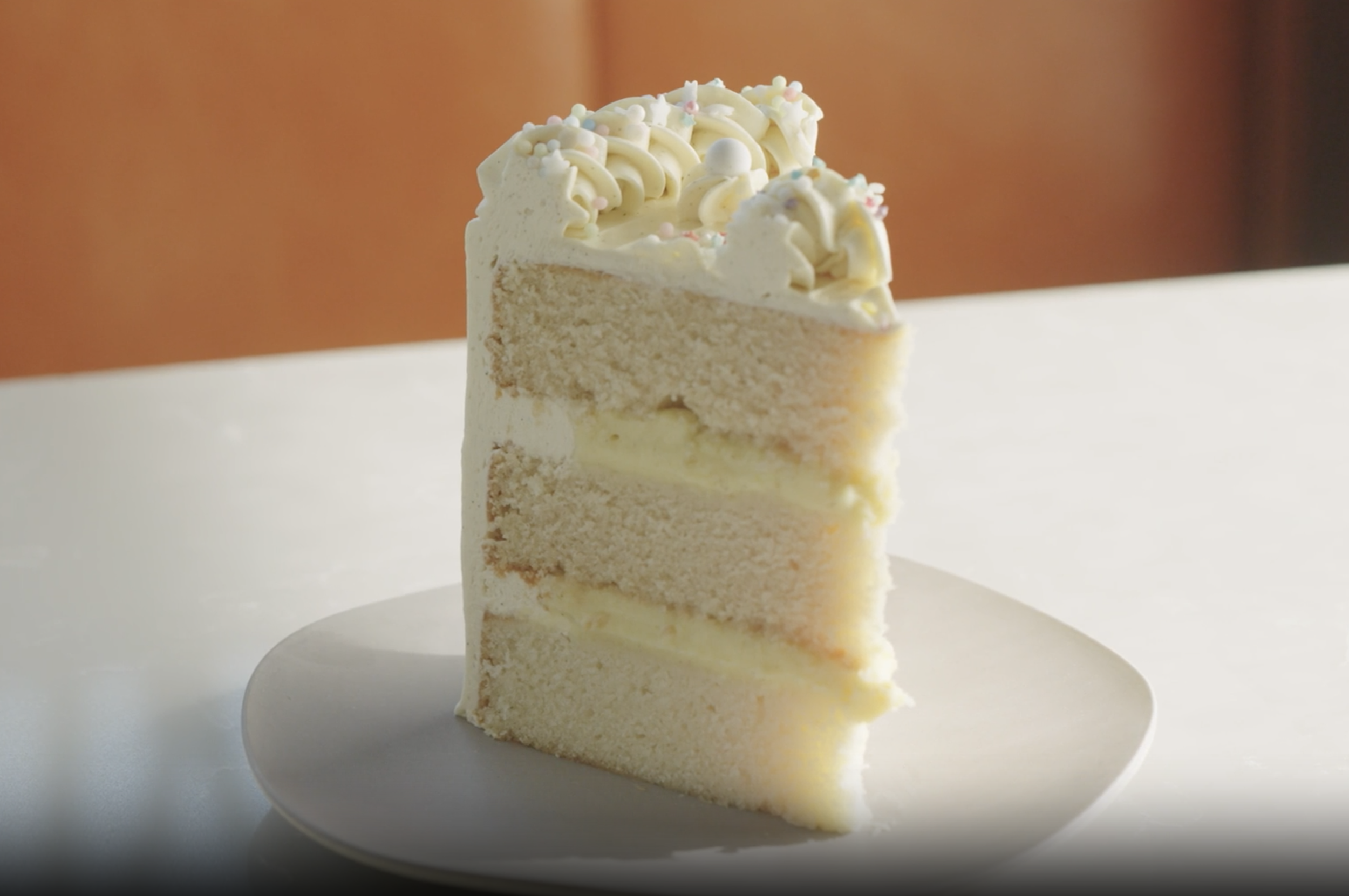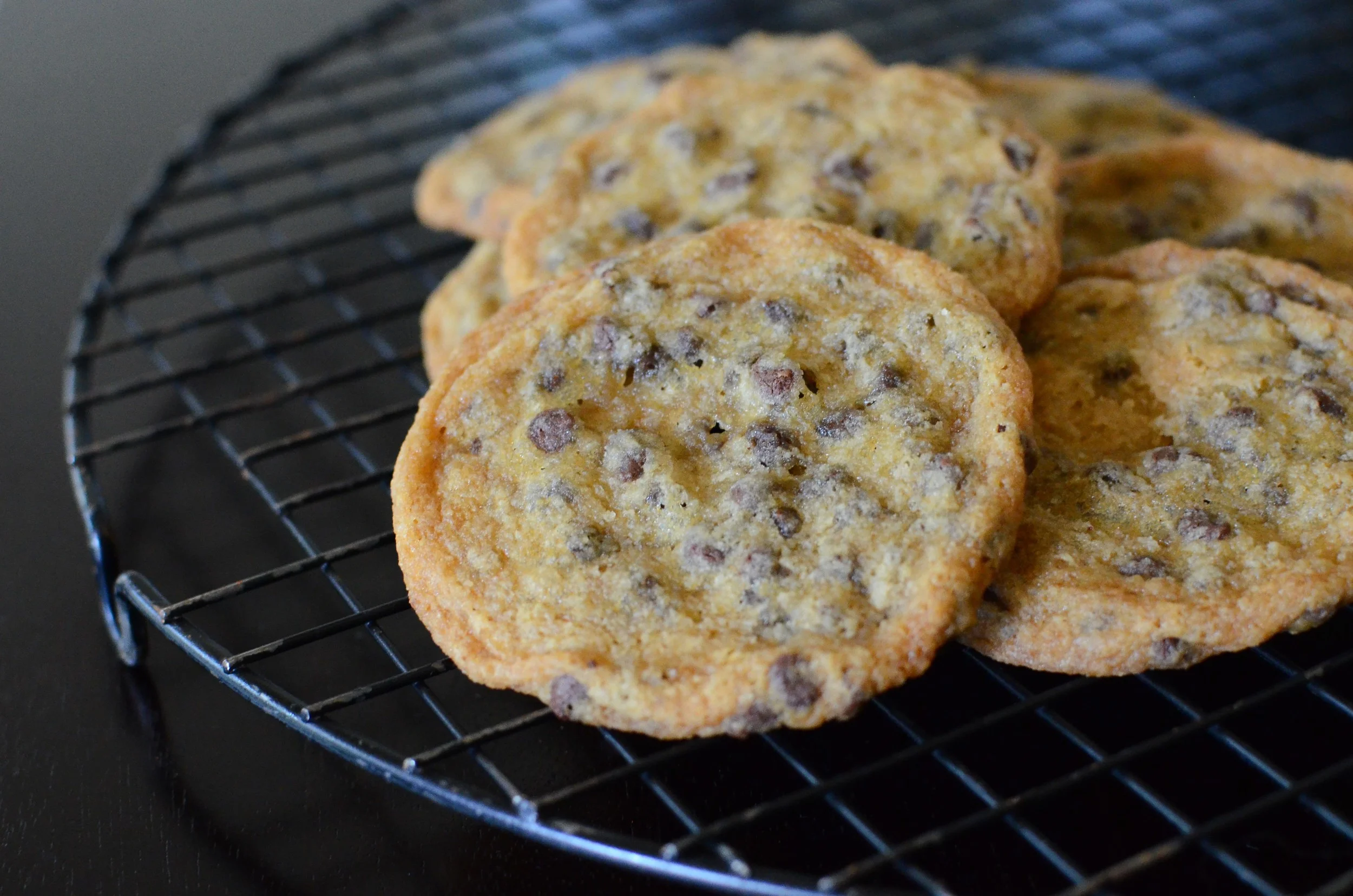
A home-baker’s guide to choosing butter or oil for cakes and brownies, with the science behind moisture, tenderness, flavor, and the easiest swap rules.
Recipe Homely
October 17, 2026
Last updated October 17, 2026
Easy Baking Substitutes for Eggs, Milk, and Butter

Sarah Jenkins
Sarah Jenkins is a passionate home cook and the voice behind Recipe Homely, dedicated to making everyday meals stress-free and delicious. With over a decade of experience feeding a busy family, she specializes in rigorously tested, approachable recipes for dinners, desserts, and everything in between. When she isn't developing new dishes, Sarah can be found browsing local farmers' markets or baking with her two children.
I can’t tell you how many times I’ve had muffin batter mixed, kids asking “Are they done yet?”, and then I realize: no eggs. Or the milk is gone. Or the butter is still rock solid in the freezer. The good news is you can still bake something delicious without running to the store.
This is my no-drama, actually-tested guide to common baking swaps for eggs, milk, and butter. I’ll explain what each ingredient does, then give you the best substitutes (with exact amounts) and where they work best.

Before You Swap
Not all bakes behave the same. A chewy cookie, a fluffy cake, and a tender banana bread all rely on eggs, milk, and butter differently.
- Cookies: structure + chew matter most. Swaps can change spread and crispness.
- Cakes: lift and a fine crumb matter most. Swaps need to support structure.
- Muffins and quick breads: the most forgiving. Many swaps work beautifully here.
- Brownies: eggs often provide structure, but some swaps still work if you accept a fudgier texture.
If you’re baking something egg-heavy like angel food cake, meringue, macarons, custard pies, or lemon curd, I would pause and save that project for when you have eggs. For everyday baking like pancakes, muffins, simple cakes, and cookies, keep going.
Egg Substitutes
Eggs usually do one or more of these jobs: bind ingredients, add moisture and richness, and help a batter rise. The “best” egg substitute depends on which job matters most in your recipe.
1) Unsweetened applesauce
Use: 1/4 cup applesauce per 1 egg.
Best for: muffins, quick breads, snack cakes, pancakes.
What to expect: slightly denser texture, gentle sweetness, very moist crumb.
2) Mashed ripe banana
Use: 1/4 cup mashed banana per 1 egg.
Best for: banana bread (obviously), muffins, oatmeal cookies.
What to expect: a banana note. If you love banana, it’s a win. If you don’t, choose another option.
3) Plain yogurt or sour cream
Use: 1/4 cup yogurt or sour cream per 1 egg.
Best for: cakes, muffins, quick breads.
What to expect: tender crumb and a little richness. This is one of my most reliable “nobody will know” swaps.

4) Ground flaxseed “flax egg”
Use: 1 tablespoon ground flaxseed + 3 tablespoons water = 1 egg. Stir and rest 5 to 10 minutes until gel-like.
Best for: muffins, cookies (especially hearty ones like oatmeal), quick breads.
What to expect: slightly nutty flavor and a bit more chew.
5) Chia “chia egg”
Use: 1 tablespoon chia seeds + 3 tablespoons water = 1 egg. Rest 10 minutes.
Best for: muffins, quick breads.
What to expect: visible seeds unless you use ground chia. Great binding power.
6) Aquafaba (the chickpea liquid)
Use: 3 tablespoons aquafaba per 1 egg.
Best for: brownies and cakes that do not rely heavily on yolk richness. It’s especially helpful for structure and, in some recipes, whipping.
What to expect: usually neutral flavor in baked goods, but results can vary based on the brand, salt level, and how thick the aquafaba is. If yours seems very watery, simmer it for a few minutes to reduce and cool before using.
7) Commercial egg replacer powder
Use: Follow the package directions. Many blends are roughly 1 1/2 teaspoons powder + 2 tablespoons water per egg, whisked and rested briefly.
Best for: cookies, muffins, quick breads, simple cakes.
What to expect: dependable binding with minimal flavor change. This is a great “keep it in the pantry and forget it” option.
8) Silken tofu
Use: 1/4 cup blended silken tofu per 1 egg.
Best for: brownies, dense cakes, quick breads.
What to expect: a fudgier, sturdier texture. It’s not ideal for light, fluffy cakes.
Helpful note: whole eggs vs yolks vs whites
- Whole eggs add structure, moisture, and some lift. The swaps above aim to replace a whole egg.
- Egg whites are about lift and foam. Aquafaba is the closest pantry-friendly stand-in.
- Egg yolks are about richness and emulsifying. There is not a perfect swap for custards and curds, so I save those recipes for egg day.
My quick egg-swap rule
- For muffins and quick breads: applesauce, yogurt, banana, flax all work.
- For cookies: flax egg or egg replacer powder are most reliable. Applesauce works if you are okay with softer cookies.
- For cakes: yogurt, egg replacer powder, or aquafaba tend to give the best structure.
How many eggs can you replace?
For best results, I like replacing up to 2 eggs in most standard home baking recipes. Once you’re replacing 3 or more, texture can get gummy or fragile unless the recipe was designed to be egg-free.
A quick lift trick (not a true egg replacement)
If you’re missing eggs in pancakes or quick breads, a little acidity can help the batter rise when the recipe includes baking soda.
Try: use buttermilk instead of milk, or make a quick version with 1 cup milk (any kind) + 1 tablespoon vinegar or lemon juice. Let sit 5 minutes, then use what your recipe needs.
Important: this helps with lift and tenderness, but it does not replace egg’s binding the way flax, yogurt, or egg replacer powder does.
Milk Substitutes
Milk mainly adds moisture, a little sweetness, and helps browning. Thankfully, it’s one of the easiest ingredients to swap.
1) Water (yes, really)
Use: 1:1 swap.
Best for: pancakes, waffles, muffins, quick breads.
Tip: If your recipe calls for whole milk and you use water, add 1 tablespoon melted butter or oil per cup of water for a closer match.
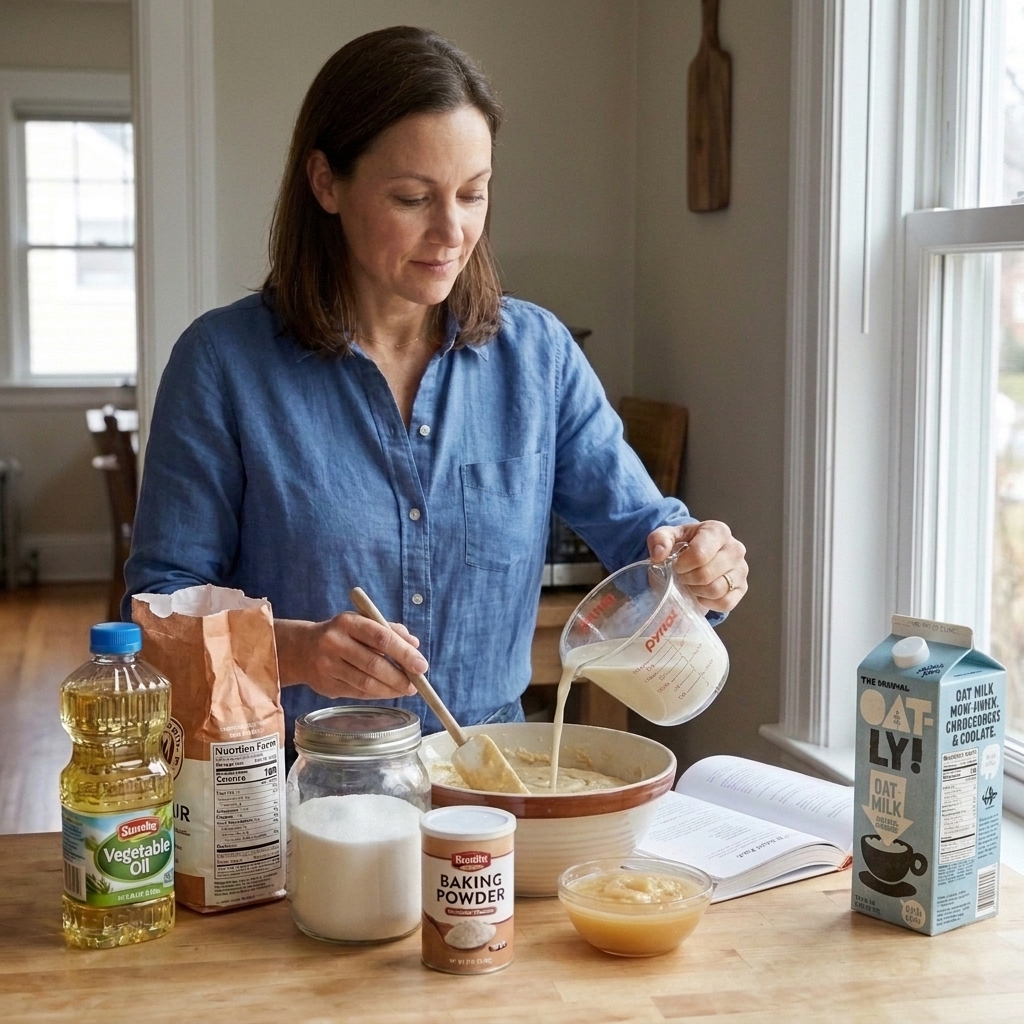
2) Any non-dairy milk (unsweetened preferred)
Use: 1:1 swap for almond milk, oat milk, soy milk, coconut milk beverage, etc.
Best for: almost everything: cakes, muffins, cookies, frostings (depending on thickness).
Tip: Unsweetened is easiest. Sweetened or vanilla-flavored can work, just reduce sugar a touch if your bake is already sweet.
3) Half-and-half or heavy cream (diluted)
Use: If you have cream but not milk, dilute it. A simple approach is half cream + half water to approximate whole milk.
Best for: cakes, scones, rich quick breads.
What to expect: a richer result, sometimes slightly more tender.
4) Yogurt or sour cream (thinned)
Use: Mix equal parts yogurt and water until it pours like milk, then measure 1:1.
Best for: muffins, cakes, quick breads.
What to expect: tender crumb and a gentle tang.
5) Evaporated milk
Use: 1:1 swap, or dilute with a little water if it seems extra thick.
Best for: pies, custard-style bakes (when you do have eggs), quick breads.
Butter Substitutes
Butter brings flavor, tenderness, and helps with flakiness and spread. You can absolutely bake without it, but the swap you choose will change texture more than a milk swap would.
1) Neutral oil (canola, vegetable, avocado)
Use: Replace butter with 3/4 the amount of oil. Example: 1/2 cup butter becomes 6 tablespoons oil.
Best for: muffins, quick breads, snack cakes, brownies.
What to expect: moist and tender, with less buttery flavor.
Small caveat: butter is about 80% fat and 20% water and milk solids, so an oil swap can bake up a little different. For butter-forward cookies and pastry, results vary more.
2) Coconut oil
Use: 1:1 swap for butter (measure solid or melted based on the recipe’s butter state).
Best for: cookies, bars, quick breads.
What to expect: can add a light coconut aroma, especially if unrefined.
3) Margarine
Use: 1:1 swap.
Best for: cookies, cakes, quick breads.
Tip: Use stick margarine for baking when possible. Tub spreads often have more water and can affect texture.
4) Shortening
Use: 1:1 swap.
Best for: cookies and pie crust when you need structure and less spread.
What to expect: less flavor than butter, but can give a very tender bite.
5) Greek yogurt or applesauce (for part of the butter)
Use: Replace up to half the butter with equal parts yogurt or applesauce.
Best for: muffins and quick breads.
What to expect: a softer, cakier texture. This is not my top choice for classic butter-forward cookies.

Where butter swaps struggle
For laminated pastries like croissants and puff pastry, butter is doing a very specific job. If that’s what you’re making, I would save it for another day. For everyday cookies, cakes, muffins, bars, and quick breads, you have options.
Salted vs unsalted butter
If you’re swapping in salted butter for unsalted, reduce added salt in the recipe by about 1/4 teaspoon per 1/2 cup butter. Brands vary, so treat this as a starting point and taste your batter when that’s safe and appropriate.
Quick Reference
Replace 1 egg with
- 1/4 cup unsweetened applesauce
- 1/4 cup mashed banana
- 1/4 cup plain yogurt or sour cream
- 1 tbsp ground flaxseed + 3 tbsp water (rest 5 to 10 min)
- 3 tbsp aquafaba
- Egg replacer powder (per package directions)
- 1/4 cup blended silken tofu
Replace 1 cup milk with
- 1 cup non-dairy milk (1:1)
- 1 cup water (add 1 tbsp oil or melted butter if you can)
- 1/2 cup cream + 1/2 cup water
- 1/2 cup yogurt + 1/2 cup water
Replace 1/2 cup butter with
- 6 tbsp neutral oil
- 1/2 cup coconut oil
- 1/2 cup margarine
- 1/2 cup shortening
Recipe Tips
Cookies
- Out of eggs: use a flax egg or egg replacer powder for binding. Applesauce works for a softer cookie.
- Out of butter: coconut oil or margarine keeps a more cookie-like texture than applesauce.
- Watch the spread: oil-based doughs can spread more. Chill dough 20 to 30 minutes if needed.
Cakes
- Out of eggs: yogurt, egg replacer powder, or aquafaba usually gives the best structure.
- Out of milk: non-dairy milk works 1:1 with minimal changes.
- Don’t overmix: especially if you’re using yogurt-based swaps, mix just until combined for a tender crumb.
Muffins and quick breads
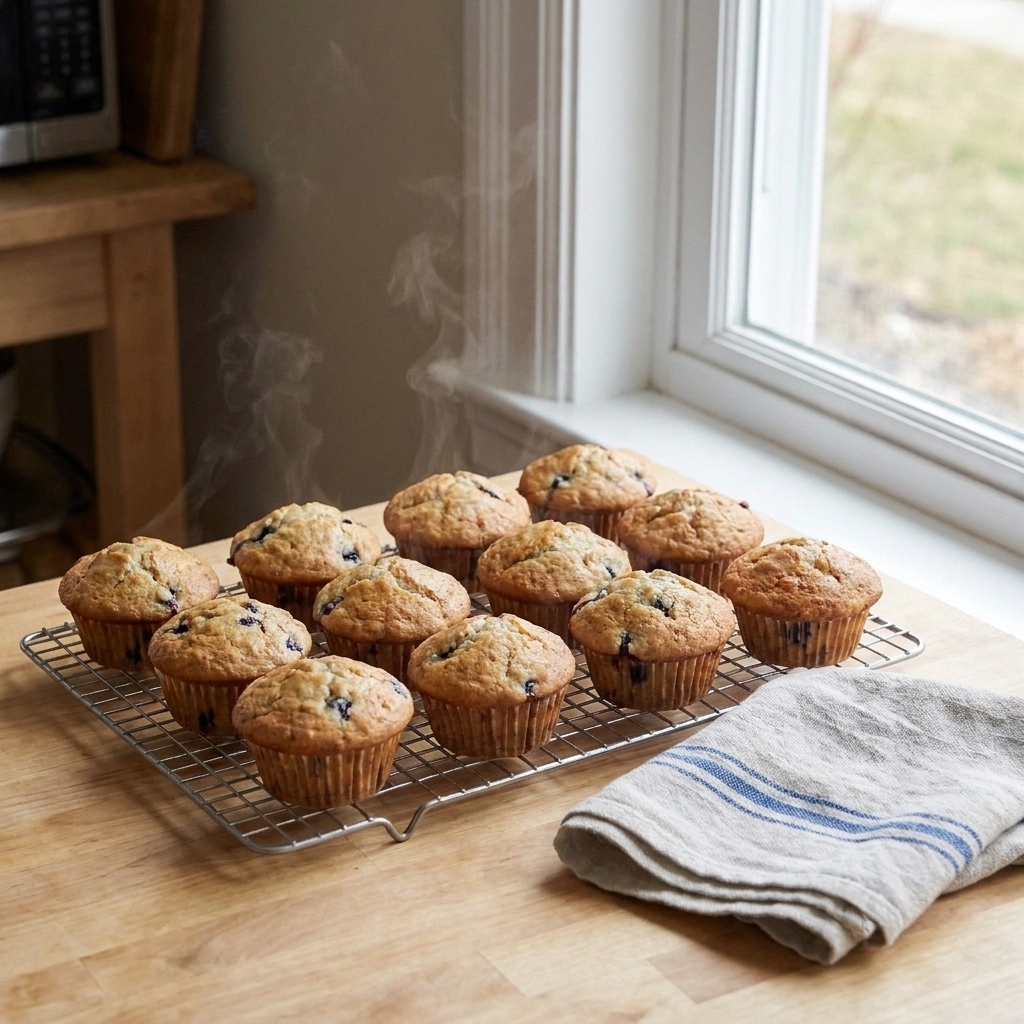
- The most forgiving category. Applesauce, banana, yogurt, oil, and non-dairy milks all work well.
- When swapping in fruit purees, expect a moister result. Check doneness with a toothpick and give it a few extra minutes if needed.
Troubleshooting
Your batter looks too thick
Add milk, non-dairy milk, or water 1 tablespoon at a time until it matches the texture described in the recipe.
Your batter looks too runny
First, wait 5 to 10 minutes. Flax, chia, and some egg replacers thicken as they sit. If it’s still just a little loose, stir in flour 1 tablespoon at a time.
If it’s very runny, it usually means too much liquid or a missed ingredient. At that point, starting over can be the least frustrating option.
Your bake is gummy
Gumminess often comes from replacing too many eggs with fruit puree, or underbaking. Next time, try yogurt, flax, egg replacer powder, or aquafaba instead of applesauce for at least one of the eggs.
Your cookies spread too much
Chill the dough, use a cooler baking sheet, and consider swapping some oil for margarine, coconut oil, or shortening.
Pantry List
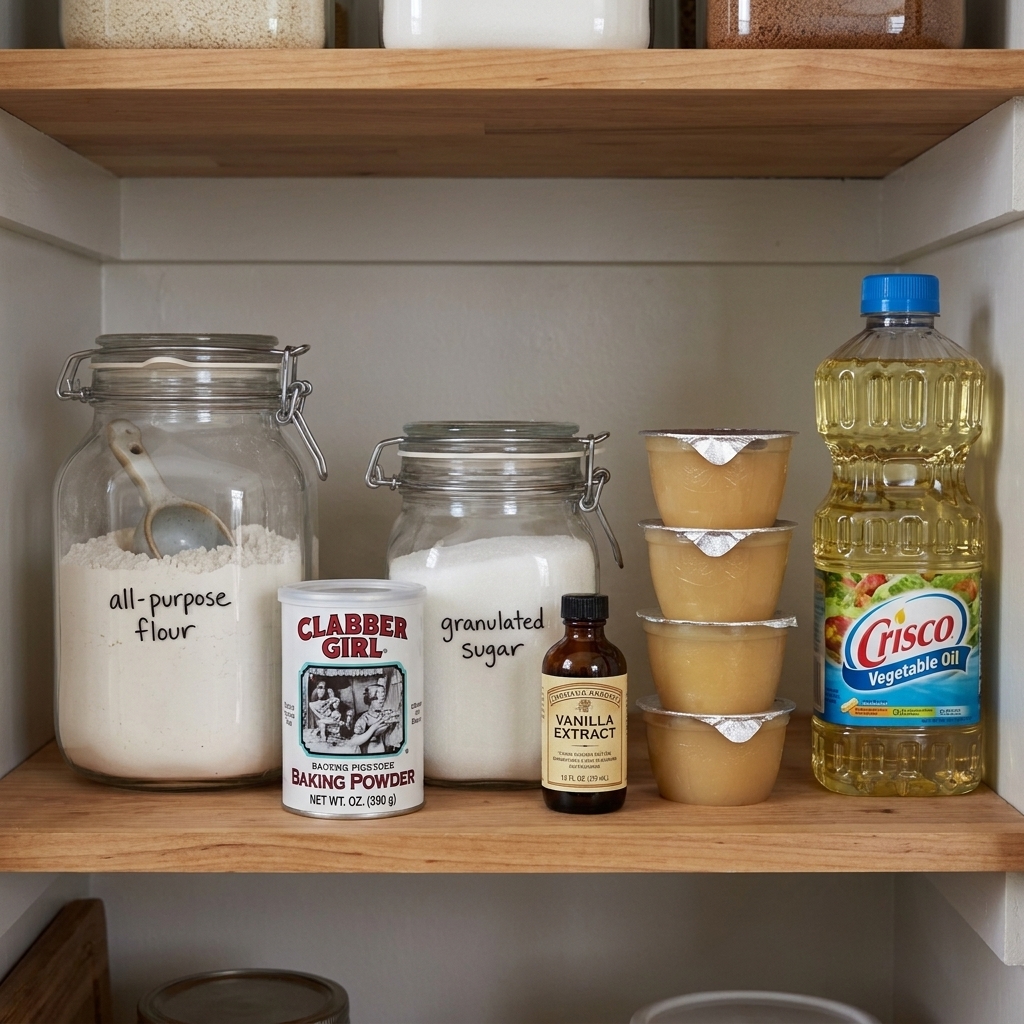
If you like to bake even a little, these are the things I keep around so missing eggs, milk, or butter doesn’t derail dessert night:
- Unsweetened applesauce cups
- Ground flaxseed (stores well in the fridge or freezer)
- Neutral oil
- Powdered milk or shelf-stable milk boxes
- Non-dairy milk (oat or soy) if your family uses it
- Stick margarine or coconut oil for emergencies
- Plain yogurt (I freeze extra in small portions)
- Egg replacer powder
- Shelf-stable canned chickpeas (for aquafaba)
- Silken tofu (if your store carries it, it keeps well unopened)
FAQ
Can I bake without eggs at all?
Yes, for many everyday recipes. Muffins, quick breads, pancakes, and simple snack cakes are the easiest. Choose an egg substitute based on what you want: applesauce for moisture, flax for binding, yogurt for tenderness, egg replacer powder for reliability, or aquafaba for structure.
What is the best egg substitute for brownies?
For fudgy brownies, applesauce, silken tofu, or yogurt works well. If you want a bit more structure (less gooey), try aquafaba or an egg replacer powder.
Can I use oil instead of butter in cookies?
You can, but expect a different cookie. Oil tends to make cookies softer and sometimes flatter. If you want a more classic texture, coconut oil, margarine, or shortening behaves more like butter.
If I only have salted butter, do I need to change the recipe?
Usually it’s fine. If you want to be precise, reduce added salt by about 1/4 teaspoon for every 1/2 cup salted butter you use. Salt levels vary by brand, so consider this a starting point.
What swap keeps the flavor closest to butter?
Nothing is exactly the same, but margarine and coconut oil are the closest in baking performance. For flavor, I often add a splash of vanilla or a pinch of extra salt (especially in cookies) to help the bake taste “complete.”
A quick mom-to-mom reminder
If you’re baking for your people on a weeknight, perfection is not the goal. Warm banana muffins made with a missing-egg swap still count as homemade. And sometimes the “emergency version” becomes the version everyone requests later.
When in doubt, pick the swap that matches the job: binder (flax or egg replacer), moisture (applesauce or yogurt), or structure (aquafaba). That one little decision saves a lot of heartbreak batches.