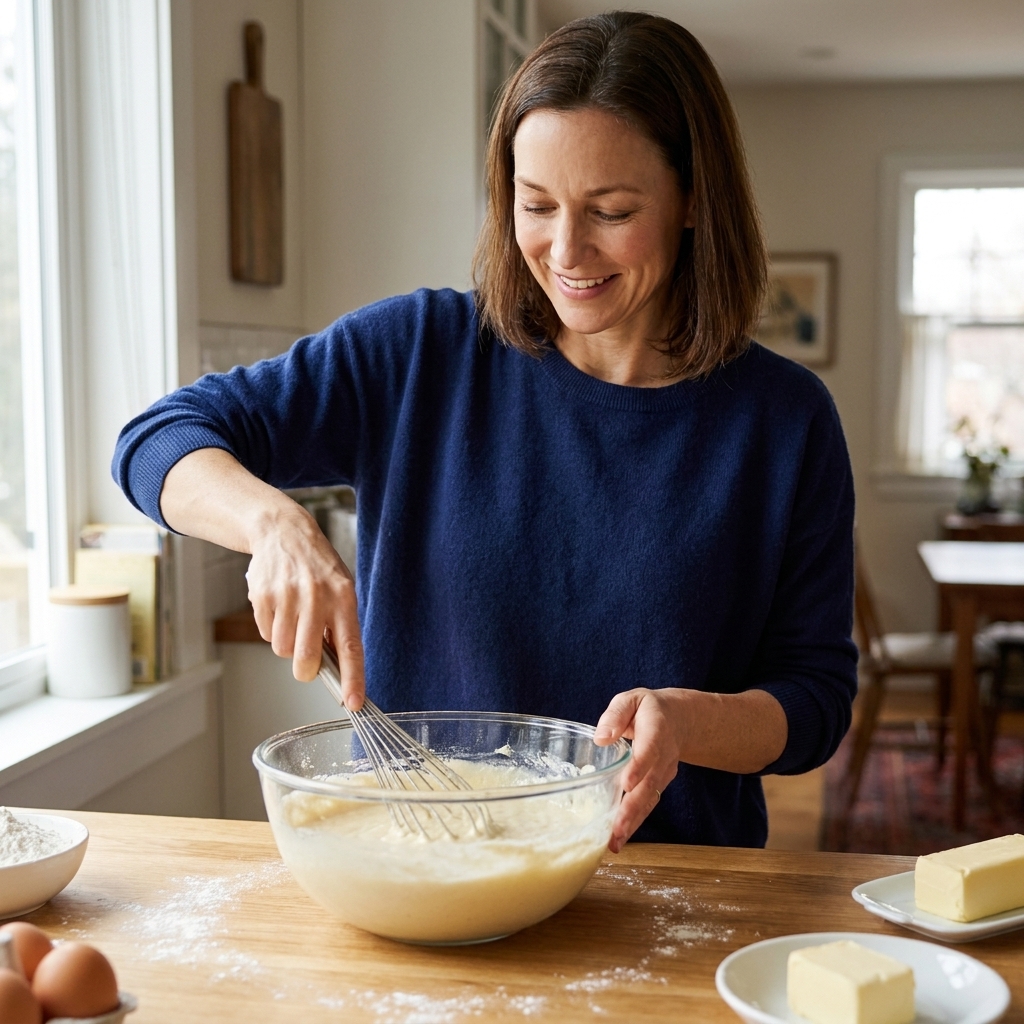
A home-baker’s guide to choosing butter or oil for cakes and brownies, with the science behind moisture, tenderness, flavor, and the easiest swap rules.
Recipe Homely
October 17, 2026
Last updated October 17, 2026
Soft and Chewy Chocolate Chip Cookies

Sarah Jenkins
Sarah Jenkins is a passionate home cook and the voice behind Recipe Homely, dedicated to making everyday meals stress-free and delicious. With over a decade of experience feeding a busy family, she specializes in rigorously tested, approachable recipes for dinners, desserts, and everything in between. When she isn't developing new dishes, Sarah can be found browsing local farmers' markets or baking with her two children.
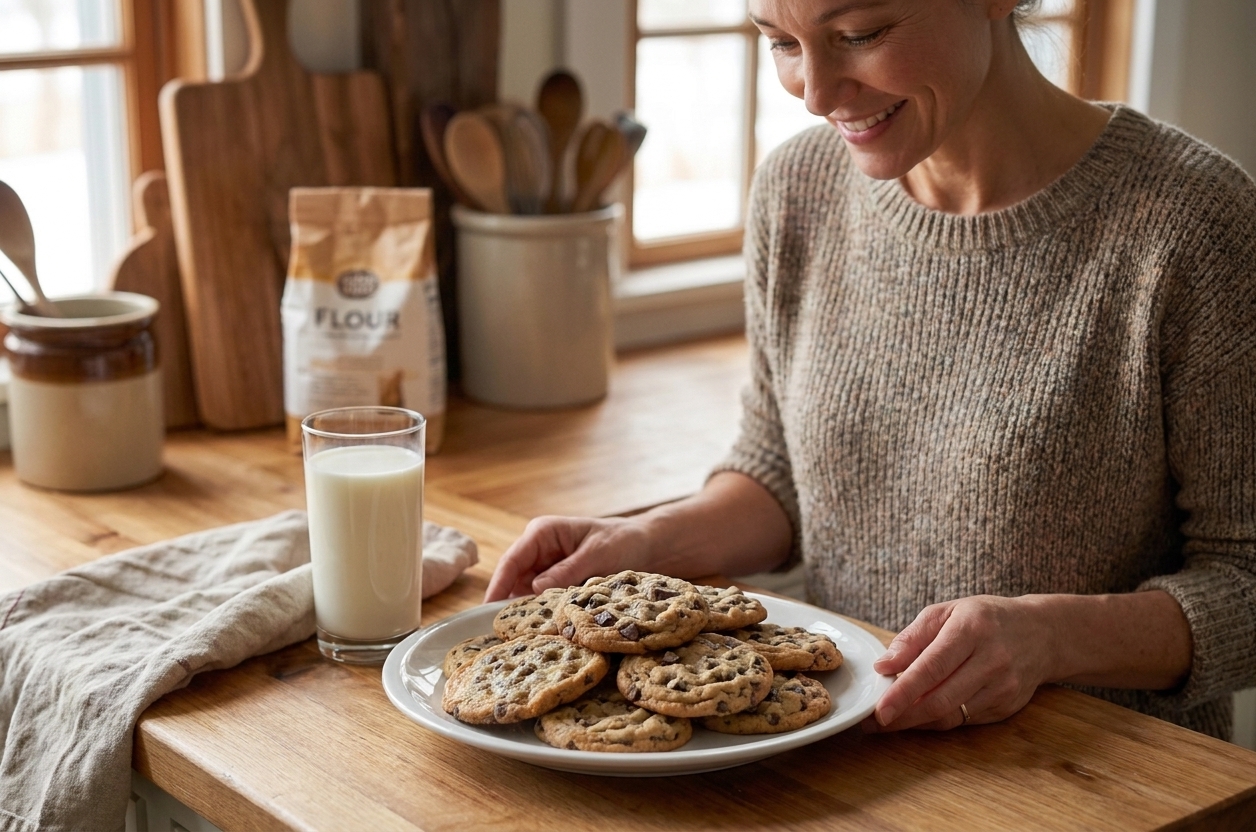
If you have ever pulled a tray of chocolate chip cookies from the oven and thought, “Why are these thin and crunchy when I wanted soft and chewy?”, you are in the right kitchen. I have baked more cookie batches than I can count while juggling homework, dinner, and the very real 6 PM deadline. This guide is the exact method I use at home to get cookies that stay thick, soft in the center, and satisfyingly chewy at the edges.
We are going to cover the ingredient ratios that matter, chilling times that make a real difference, and the small baking tricks that keep spreading in check. You will also get my go-to thick and chewy recipe at the end, because nothing builds confidence like a batch that works on the first try.
What “soft and chewy” means
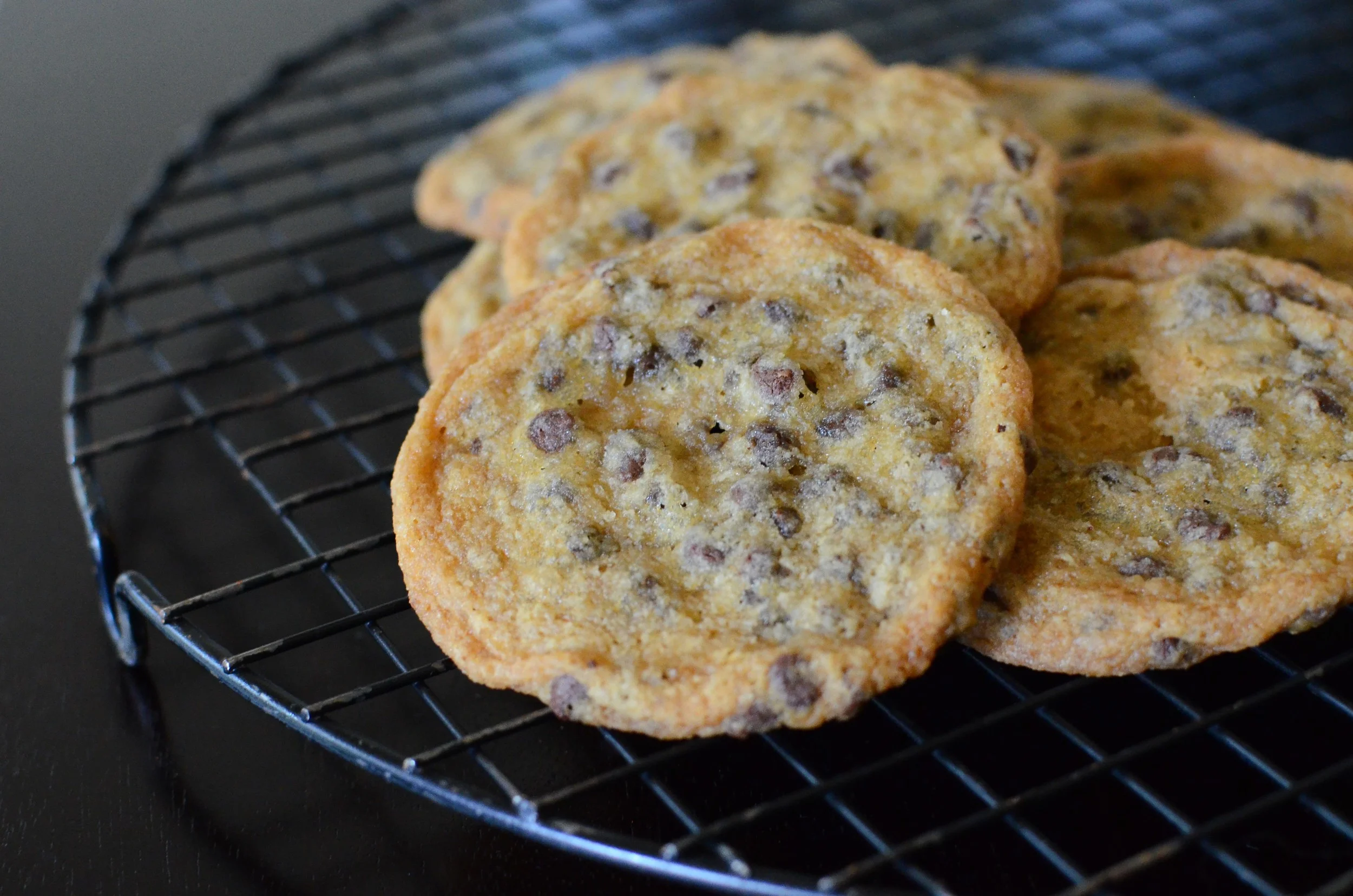
Soft and chewy cookies have a few hallmarks:
- Thicker centers that look slightly underdone when you pull the tray.
- Chewy bite from the right balance of moisture, sugar type, and protein.
- Moderate spread so you get a nice round cookie, not a crispy pancake.
The good news is that softness is not luck. It is mostly ratios and temperature control.
Ratios that shape texture
Butter: melted vs softened
Softened butter (cool to the touch, but pliable) is the most reliable path to thick cookies. When you cream softened butter with sugar, you trap tiny air pockets. Those pockets help the cookie lift and hold shape.
Melted butter can make cookies extra chewy, but it also tends to increase spread because the fat is already liquid. If you love the chew of melted butter, you can use it, but you will need a longer chill and careful flour measuring.
My home rule: For thick, chewy cookies that behave in an average kitchen, I use softened butter.
Sugar: brown sugar keeps things tender
Here is the simplest way to think about it:
- Brown sugar adds moisture and chew because of molasses.
- Granulated sugar can encourage more spread and a crispier edge, especially if the dough is warm.
For thick-centered cookies, I like a higher brown sugar ratio. A dependable starting point is about 2 parts brown sugar to 1 part white sugar.
Flour: your thickness lever
If cookies are spreading too much, flour is often part of the fix, but only if you are measuring correctly. Too little flour makes a thin cookie. Too much flour makes a puffy, dry cookie.
Best practice: If you have a kitchen scale, use it. If you do not, spoon flour into your measuring cup and level it off. Scooping straight from the bag packs flour down and throws off the ratio.
One more note: All-purpose flour varies by brand. Higher-protein flour can bake up a little thicker and chewier, while lower-protein flour may spread a touch more. If your “perfect” batch needs a small adjustment, this is one reason why.
Eggs: one whole egg plus one yolk
One extra yolk is one of my favorite quiet tricks. Yolks add fat and emulsifiers that help create a tender, chewy texture. Egg whites add structure, which can nudge cookies toward a cakier bite if you add too much.
Leaveners: baking soda, chew, and browning
Baking soda helps with browning and that classic chewy edge, but it can also increase spread if you use too much or bake warm dough. The “control” comes from the right dose, a properly chilled dough, and a hot, steady oven.
I use baking soda only in my chewy version. Baking powder tends to push cookies toward a taller, cakier profile.
Salt and vanilla: do not skip them
Soft cookies can taste flat if the seasoning is light. Use enough salt to make the chocolate taste chocolatey, and do not be shy with vanilla.
Dough temp and chill
Why chilling helps
Chilling solidifies the fat and hydrates the flour. That means the cookies start baking from a colder, more stable dough, so they hold their shape longer and bake up thicker.
How long to chill dough
Think of these as good baseline ranges. Your butter softness, flour brand, scoop size, and even how warm your kitchen is can shift the sweet spot.
- Quick chill: 30 minutes (helps, but you may still see more spread).
- Most reliable: about 2 hours (my go-to for thick centers).
- Best flavor and chew: 12 to 24 hours (deeper flavor, even better texture).
If your kitchen is warm or your butter softened a little too far, go closer to 2 hours or longer.
Mixing choices
Creaming: do it, do not overdo it
Cream butter and sugars on medium speed until the mixture looks noticeably lighter in color and a bit fluffy, usually 2 to 3 minutes. Mixers vary, so trust the visual cue more than the clock. If you cream far past that, you can whip in extra air and end up with cookies that rise then collapse.
Stop mixing once flour is in
Once flour goes in, mix just until you do not see dry streaks. Overmixing develops gluten, which can make cookies tougher and less tender.
Chocolate: chips, chunks, or chopped bars
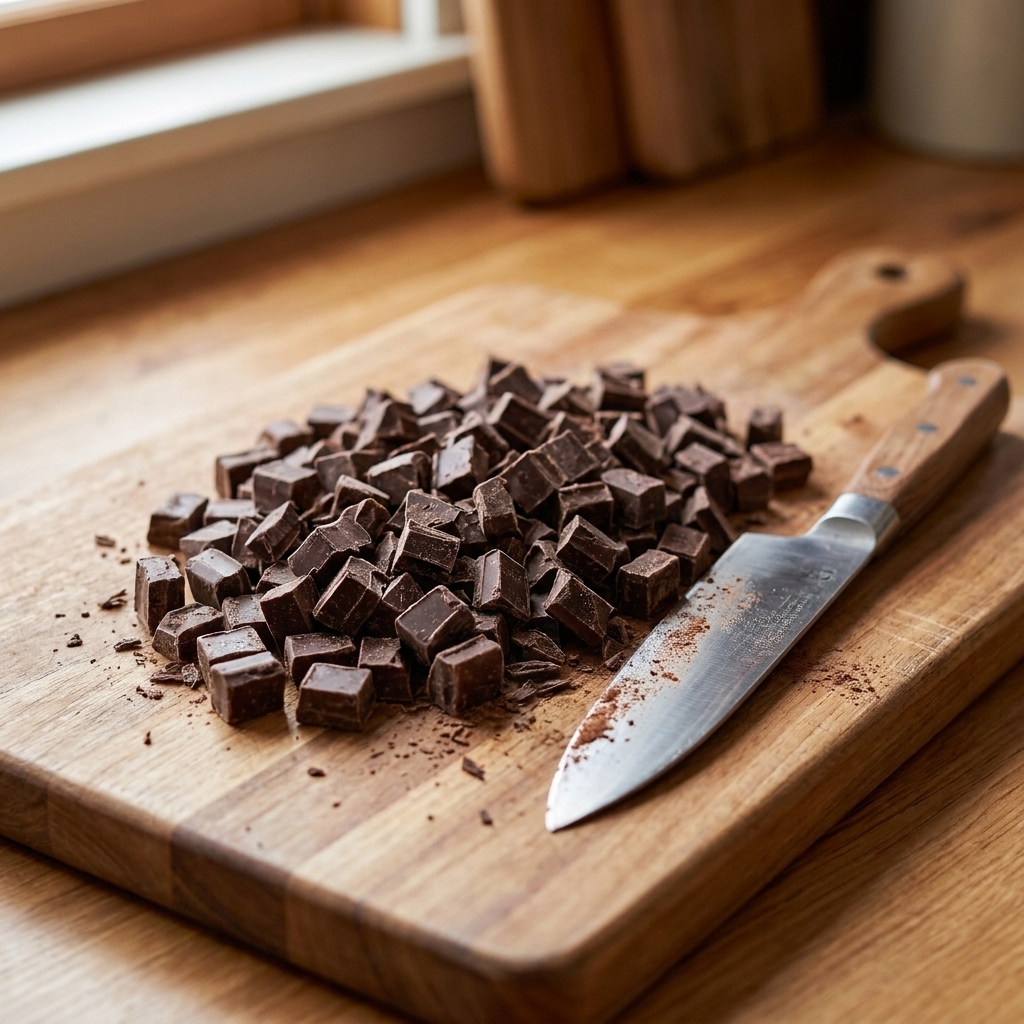
For bakery-style puddles, I love chopped semisweet chocolate plus a handful of chips. Chopped chocolate melts into larger pockets, while chips hold their shape.
Shaping before baking
Use a scoop for even baking
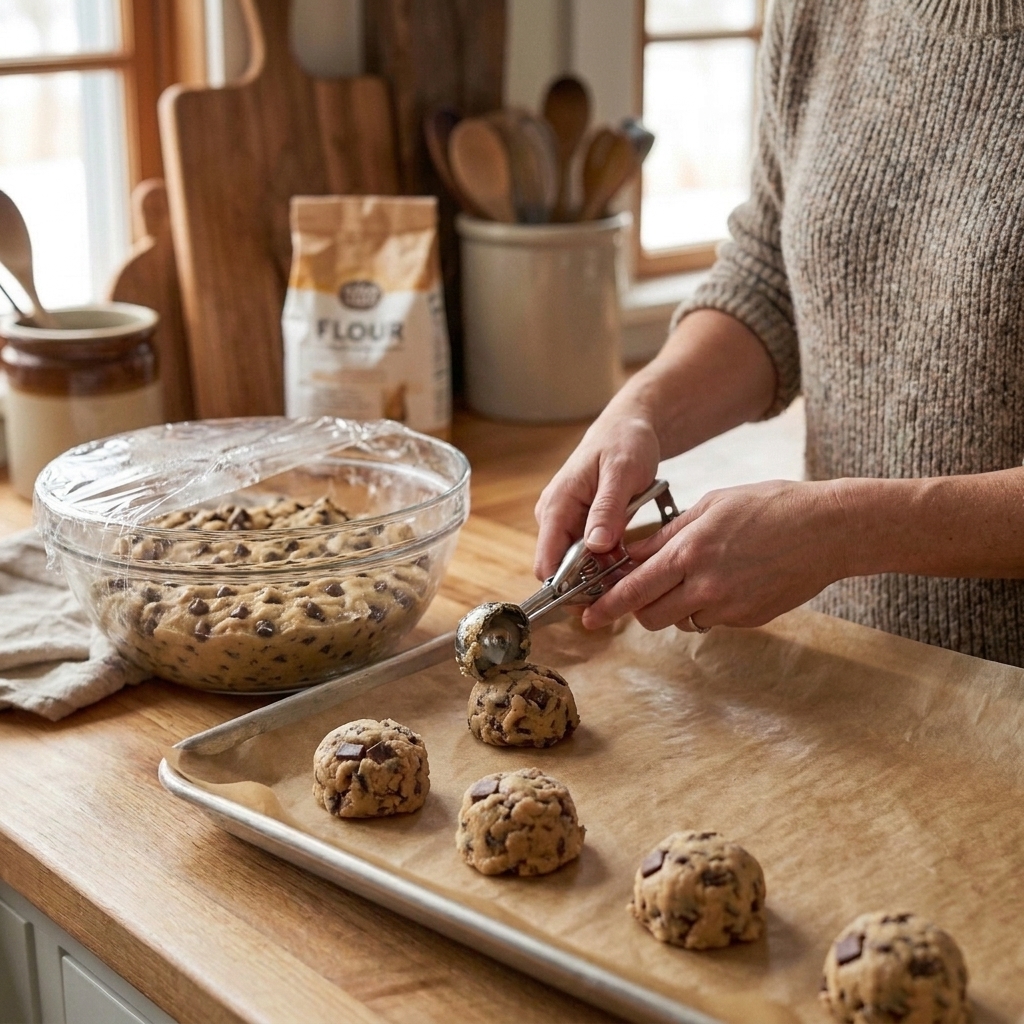
Even size equals even baking. I use a 2 tablespoon scoop for classic cookies and a 3 tablespoon scoop for bakery-style.
The tall mound trick
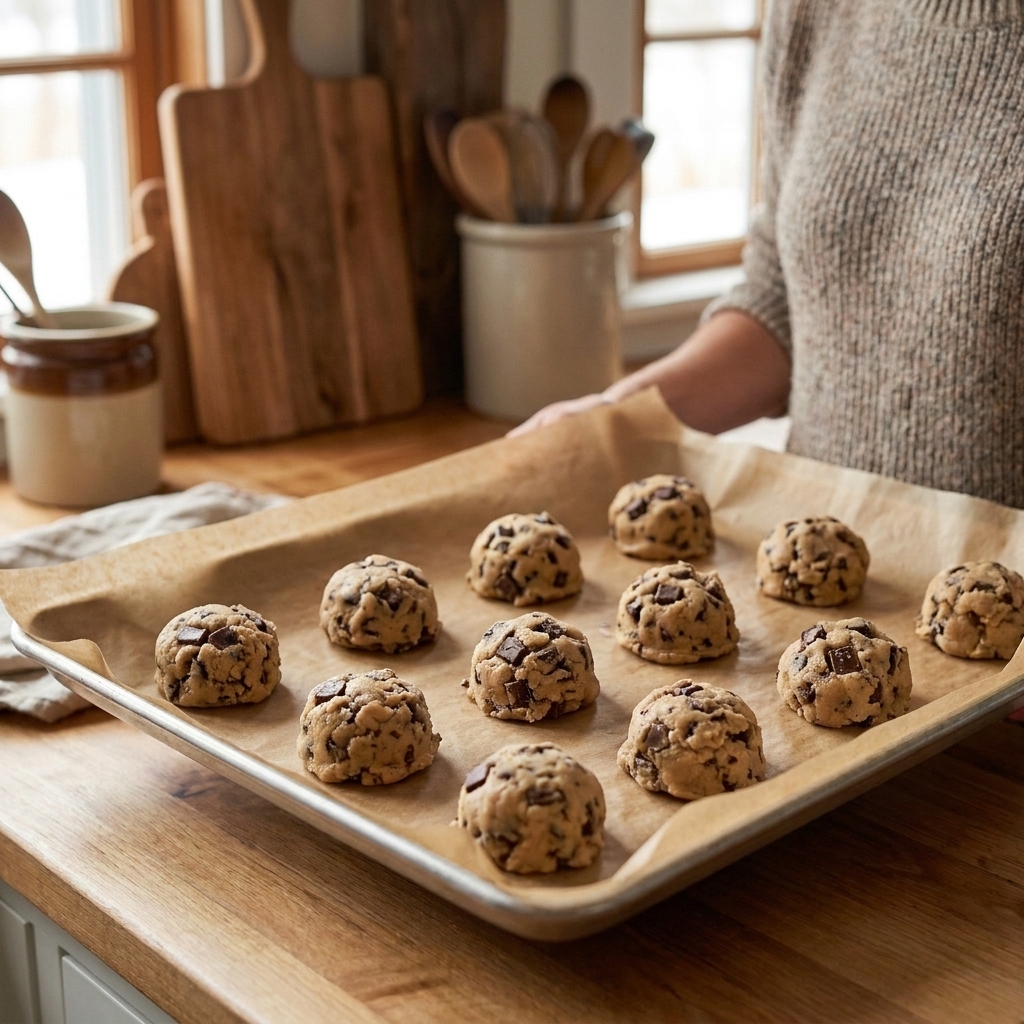
If you want thicker cookies, shape the dough portion into a taller mound, almost like a mini cylinder. A wide, flat puck will spread more.
Add chocolate on top
This is purely for joy and that “I bought these at a bakery” look. Press a few chips or chunks into the tops of the dough balls right before baking.
Baking for soft centers
Oven temp: a little hotter can help
I bake chewy cookies at 350°F for a classic result. If your cookies tend to spread too much, try 365°F. A slightly hotter oven sets the edges sooner, which can reduce spread.
Quick caution: Ovens vary. Test one tray first and adjust from there.
Convection ovens
If you are using convection or a fan setting, start by lowering the temperature by about 25°F and begin checking a minute or two early. Convection browns faster.
Pan choice matters
- Light-colored aluminum bakes evenly and is the most predictable.
- Dark pans brown faster and can create crispier bottoms.
If you only have dark pans, reduce the oven temperature by 15 to 25°F and keep a close eye on the first batch.
Parchment beats greasing
Greased pans can encourage spread. Parchment gives a more consistent bake and easy release.
Pull them when centers still look soft
This is the moment that separates soft from crunchy. Pull cookies when:
- Edges look set and lightly golden
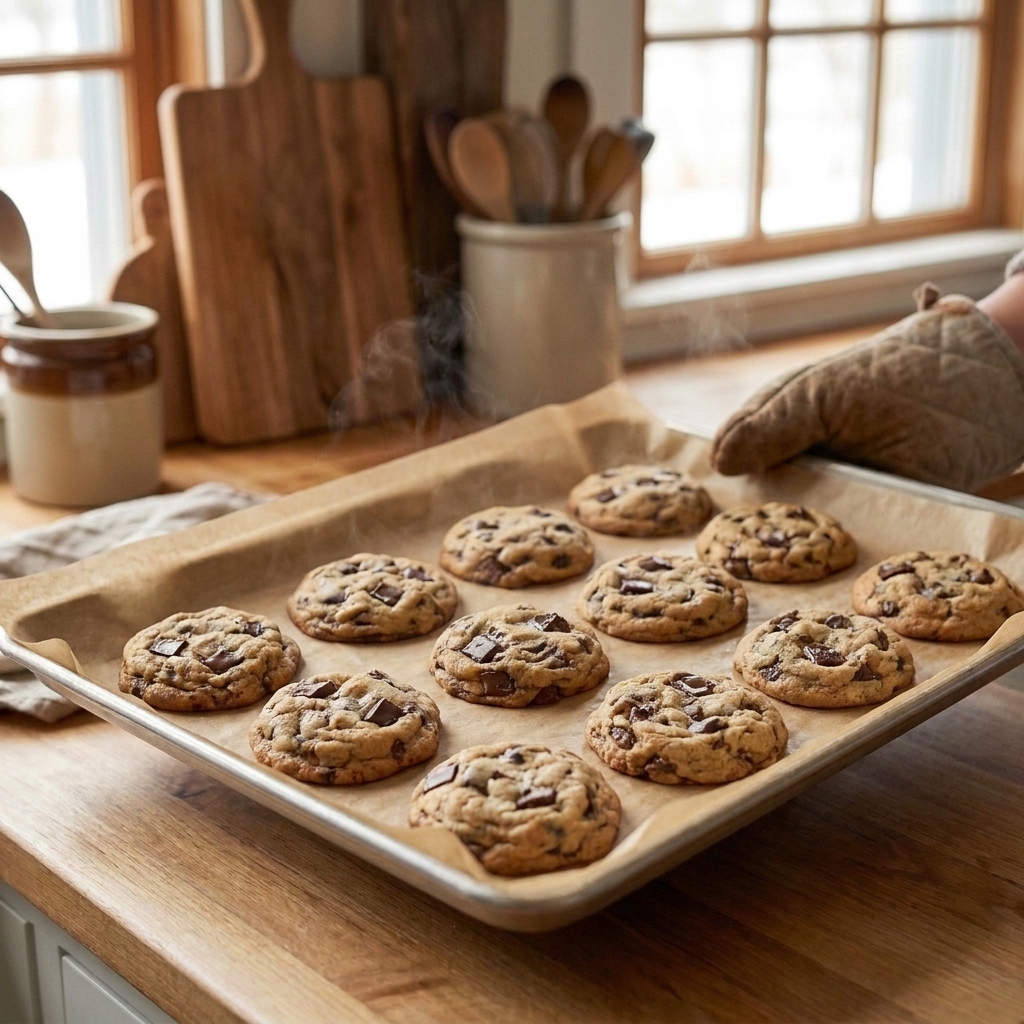
- Centers look slightly puffed and still a little glossy
They will finish baking from residual heat as they cool.
The pan-bang trick (optional)
If you like rippled edges and a chewy middle, gently tap the baking sheet on the counter once about 2 minutes after the cookies come out. This helps create those crinkles and a denser chew.
Too much spread
If cookies are spreading more than you want, these are the fastest fixes.
- Butter too warm: Chill the dough 2 hours, and start with softened, not melty butter next time.
- Too little flour: Weigh flour if possible, or spoon and level. If the dough feels very loose, add 1 to 2 tablespoons flour.
- Not enough chilling: Give it time. Even 30 minutes helps, but 2 hours is my most reliable window.
- Oven running cool: An inexpensive oven thermometer is a game changer. Underheated ovens can cause more spread.
- Greased pan: Switch to parchment.
- Hot baking sheet: Hot pans start melting the dough immediately. Use a second sheet or cool the pan completely between batches.
My thick and chewy cookies
This recipe is built specifically for a soft center, chewy edges, and moderate spreading. It is the one I make when my kids request “the good cookies,” which is both adorable and also a lot of pressure.
Ingredients
- 1 cup (227 g) unsalted butter, softened
- 1 cup (200 g) packed light brown sugar
- 1/2 cup (100 g) granulated sugar
- 1 large egg
- 1 large egg yolk
- 2 teaspoons vanilla extract
- 2 1/4 cups (270 g) all-purpose flour
- 1 teaspoon baking soda
- 1 teaspoon fine salt
- 1 1/2 cups (255 g) semisweet chocolate chips or chopped chocolate
- Optional: 1/2 cup (60 g) chopped walnuts or pecans
Instructions
- Cream butter and sugars. In a large bowl, beat softened butter, brown sugar, and granulated sugar on medium speed until noticeably lighter and fluffy, about 2 to 3 minutes.
- Add eggs and vanilla. Beat in the whole egg, then the yolk, then vanilla, mixing just until combined.
- Add dry ingredients. Sprinkle flour, baking soda, and salt over the bowl. Mix on low just until you no longer see flour streaks.
- Stir in chocolate. Fold in chocolate chips or chopped chocolate (and nuts if using).
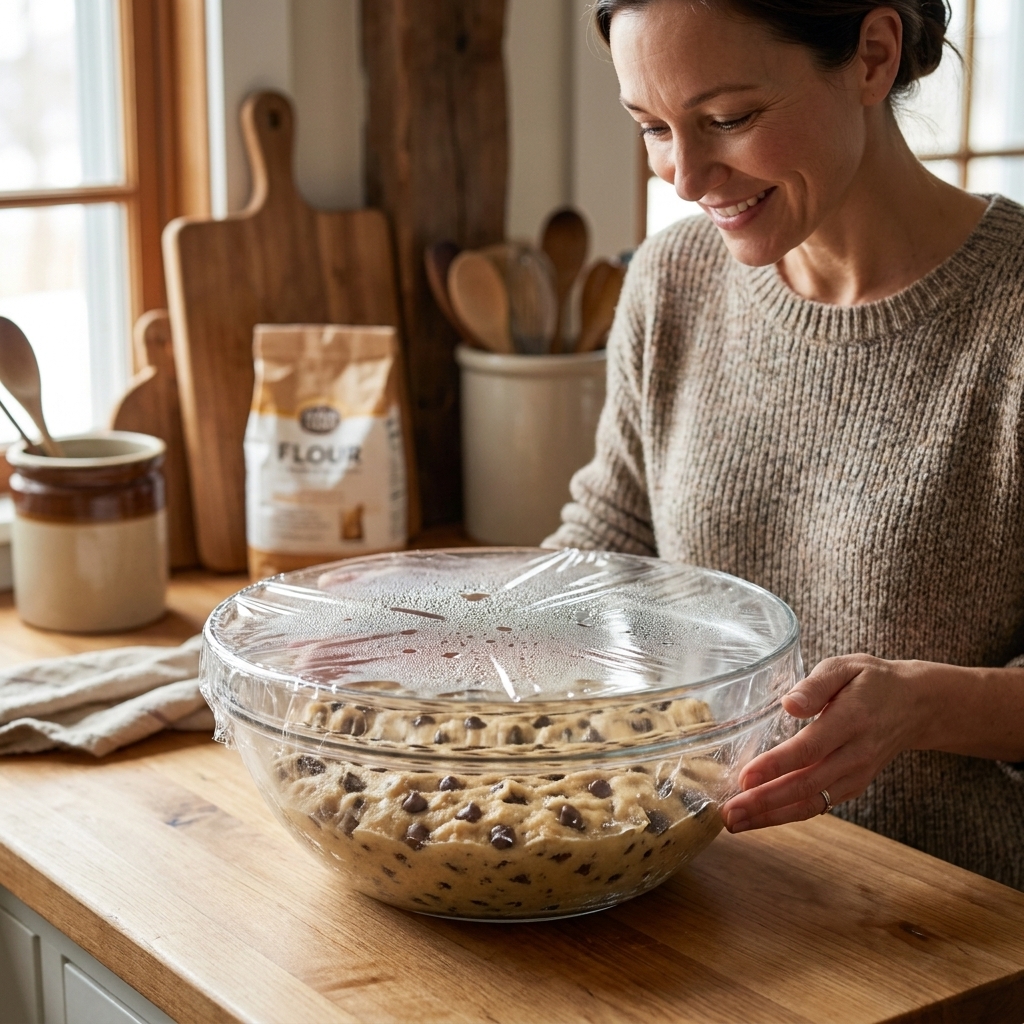
- Chill. Cover and chill the dough for at least 2 hours, or up to 24 hours for best flavor.
- Heat oven. Preheat to 350°F. Line two baking sheets with parchment paper.
- Scoop and shape. Scoop dough into 2 to 3 tablespoon portions. Shape into tall mounds and place 2 to 3 inches apart. Press a few chocolate pieces on top if you like.
- Bake. Bake 10 to 12 minutes for 2 tablespoon cookies, or 12 to 14 minutes for larger cookies, until edges are set and lightly golden and centers look slightly puffed and glossy.
- Cool. Let cookies cool on the baking sheet for 10 minutes, then transfer to a rack.
Yield
About 24 cookies (2 tablespoon size), depending on scoop size.
My doneness cue
I pull them when the edges look set and I can see that the centers are still a little glossy and soft. If you wait until the centers look fully baked in the oven, they will be crisp once cool.
Make-ahead and storage
Keeping baked cookies soft
- Room temperature: Store in an airtight container up to 4 days.
- Softness tip: Add a slice of sandwich bread to the container for 1 day. To avoid any bread flavor transfer, tuck the bread on one side and keep it separated from the cookies with a small piece of parchment. Replace the bread if it dries out.
Freezing cookie dough
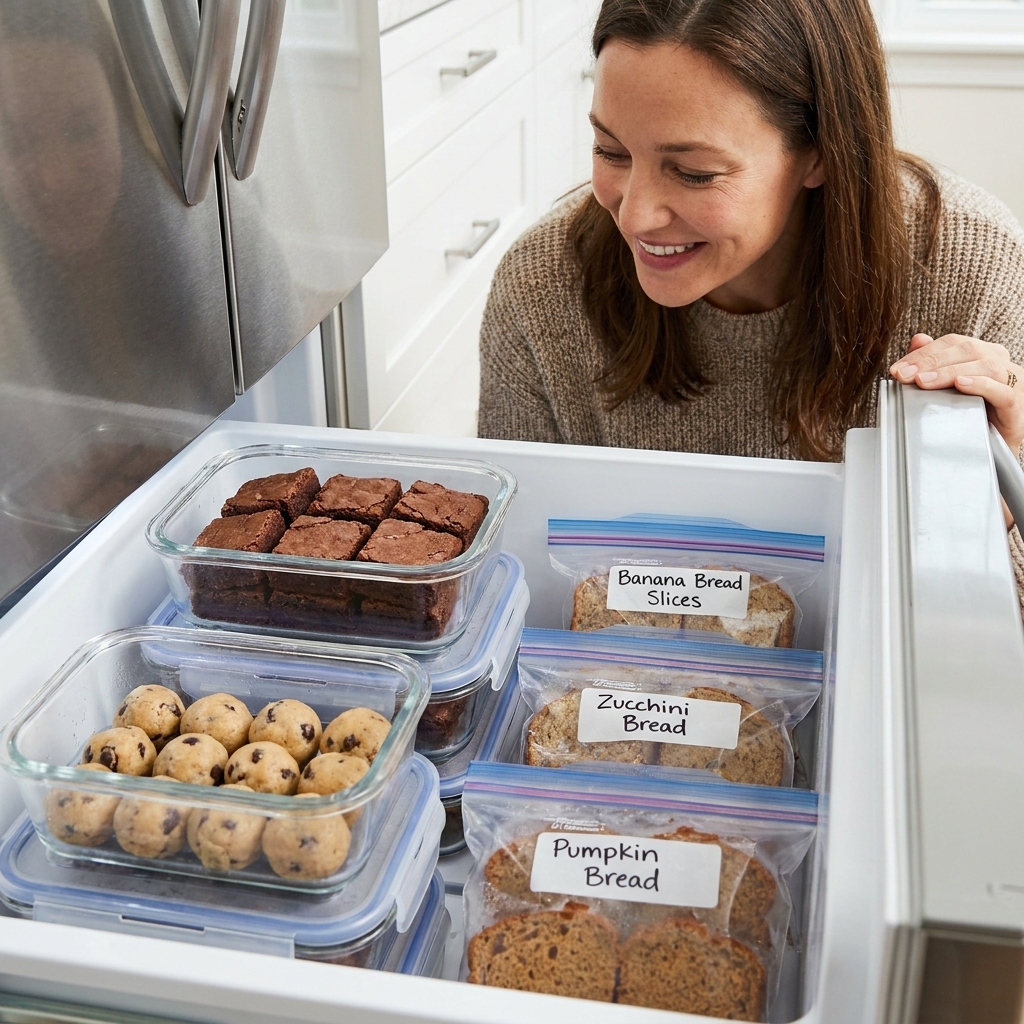
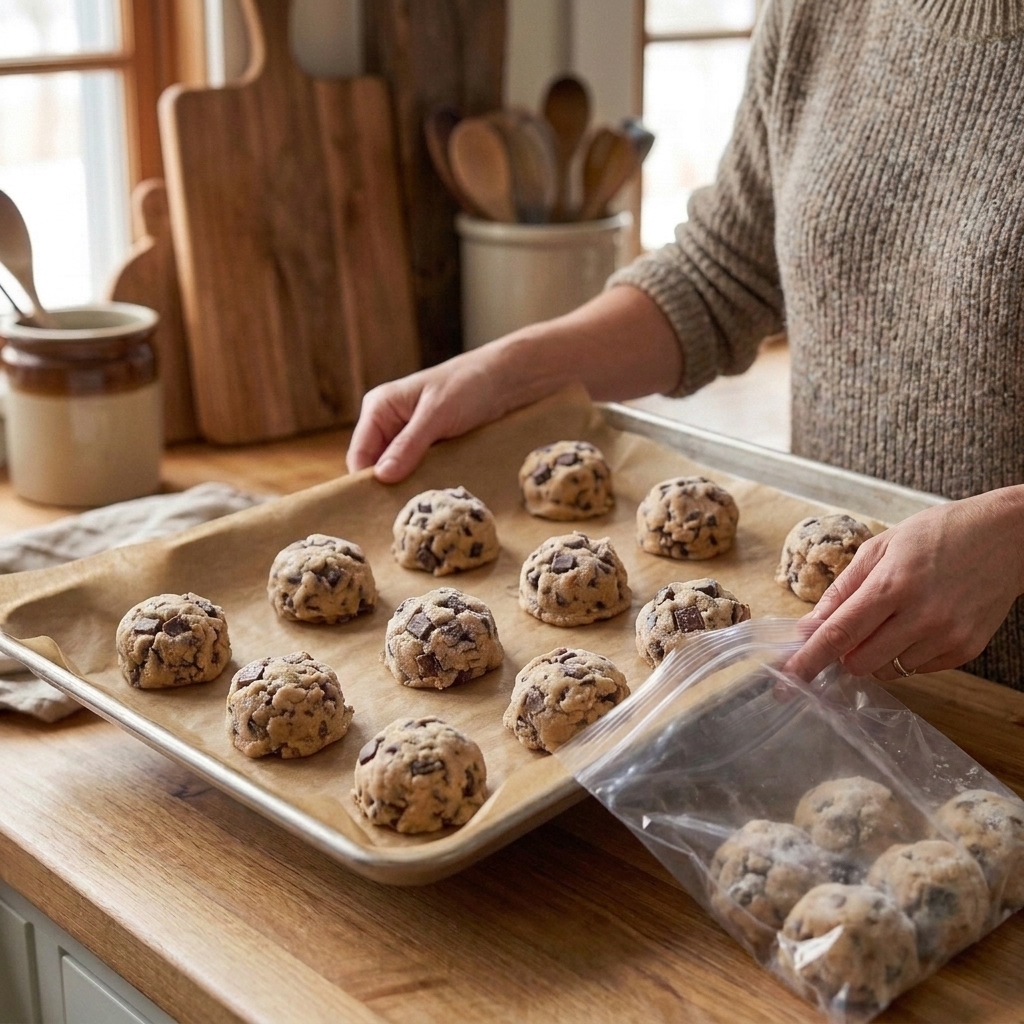
Scoop dough into portions, place on a parchment-lined tray, freeze until solid, then transfer to a freezer bag. Freeze up to 3 months.
Bake from frozen: Add 1 to 2 minutes to the bake time. No need to thaw.
Troubleshooting
My cookies are cakey
- Double-check flour measuring. Too much flour can make cookies cakey.
- Do not overbeat after adding flour.
- Make sure you are using baking soda, not baking powder.
My cookies are hard tomorrow
- They were likely baked a minute or two too long. Pull them when centers still look a little soft.
- Store airtight as soon as fully cool.
- Try the bread slice trick overnight.
My cookies are pale and dry
- Your oven may be running hot, drying them out before browning. Check with an oven thermometer.
- Consider swapping some chips for chopped chocolate, which melts more and reads gooier.
My cookies are greasy
- Butter was too warm, or dough was not chilled enough.
- Make sure you are not reducing flour.
FAQ
Can I make chewy cookies without chilling?
You can, but they will usually spread more. If you truly cannot chill, use slightly cooler butter (still soft, not cold), increase flour by 1 to 2 tablespoons, and bake on parchment on a cool sheet. For the best result, even a 30 minute chill helps.
What is the best chocolate to use?
Semisweet is the classic. For bigger chocolate puddles, chop a semisweet baking bar. For a sweeter cookie, use milk chocolate chips and add a pinch more salt.
Can I use salted butter?
Yes. Reduce the added salt to 1/2 teaspoon, then adjust next batch if you want more pop.
How do I keep cookies thick?
Use softened butter (not melted), measure flour accurately, chill at least 2 hours, portion into tall mounds, and start each batch on a cool baking sheet.
Your next batch
If you try one change from this guide, make it the 2-hour chill and the bake-until-just-set rule. Those two alone solve most spreading and dryness issues.
When you bake these, I want you to feel that little moment of victory when you open the oven and see thick cookies with soft centers. That is the whole point of Recipe Homely: reliable recipes that give you back your evening, one cookie sheet at a time.