Seven easy, family-tested hacks that make boxed brownies taste more homemade: richer chocolate, fudgier centers, crackly tops, and fun mix-ins.
Recipe Homely
October 17, 2026
Last updated October 17, 2026
Butter vs. Oil in Baking

Sarah Jenkins
Sarah Jenkins is a passionate home cook and the voice behind Recipe Homely, dedicated to making everyday meals stress-free and delicious. With over a decade of experience feeding a busy family, she specializes in rigorously tested, approachable recipes for dinners, desserts, and everything in between. When she isn't developing new dishes, Sarah can be found browsing local farmers' markets or baking with her two children.
The quick answer
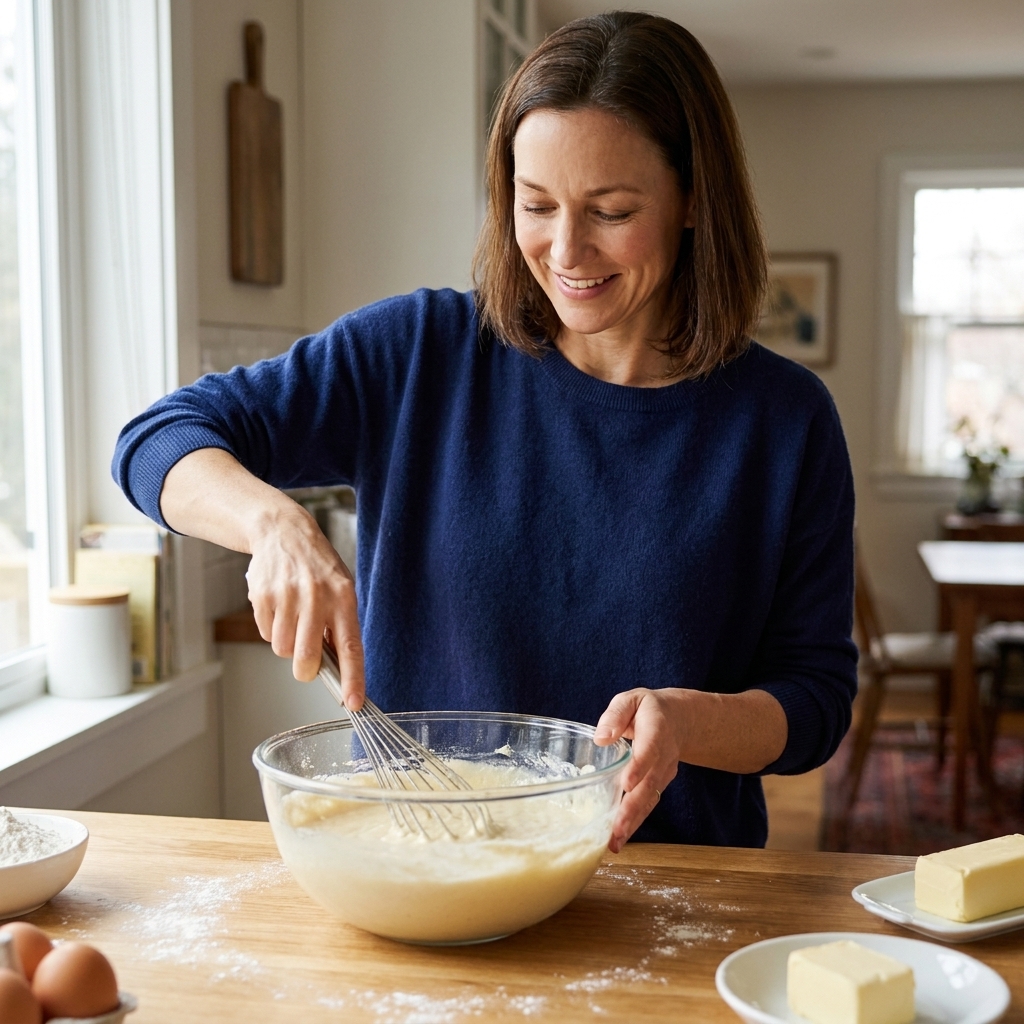
If you want the most flavor, reach for butter. If you want the most moisture and softness for days, reach for oil. Neither is “better” across the board. The best choice depends on what you want the cake or brownie to feel like when you bite in.
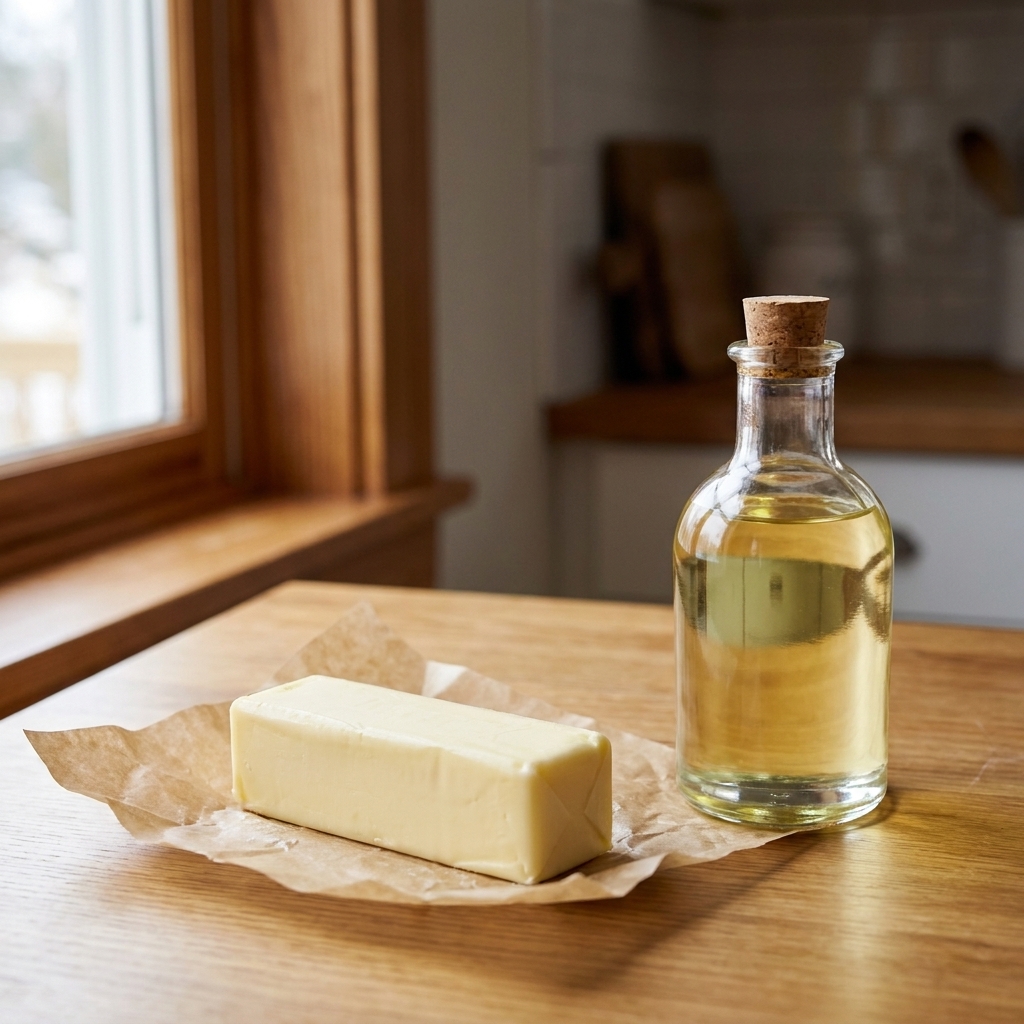
- Choose butter for: rich flavor, a little structure, a slightly drier but “cake-y” crumb, and beautiful browning.
- Choose oil for: an ultra-moist crumb, a tender bite, and baked goods that stay soft longer.
- Want both? A split (half butter, half oil) is one of my favorite busy-mom tricks for reliable flavor and moisture.
What butter and oil do
In plain English, fat does three big jobs in baking: it coats flour proteins (for tenderness), it helps with air and lift (depending on the type and method), and it carries flavor.
Butter: flavor plus structure
Butter is about 80% fat (often 80 to 82%), with the rest being water and milk solids. That “extra stuff” is not a downside. It is why butter tastes like butter and why it browns so beautifully.
- Flavor: Butter’s milk solids bring that cozy, bakery-style richness.
- Lift and crumb: When you cream butter with sugar, you trap tiny air bubbles. Those bubbles expand in the oven, helping cakes rise and bake up a little lighter.
- Texture: Butter is solid at room temperature, so baked goods made with butter often feel a touch more structured and “sliceable.”
Oil: moisture and tenderness
Most baking oils are essentially 100% fat and liquid at room temperature. That changes the mouthfeel in a big way.
- Moisture perception: Oil stays liquid even after the bake cools, which helps cakes and brownies feel softer and moister on days 2 and 3.
- Very tender crumb: Oil coats flour efficiently, limiting gluten development and keeping the texture plush.
- Neutral flavor: Unless you use olive oil or another strongly flavored oil, oil mostly stays in the background and lets chocolate, vanilla, spices, and fruit shine.
Cakes: what you will notice
1) Flavor
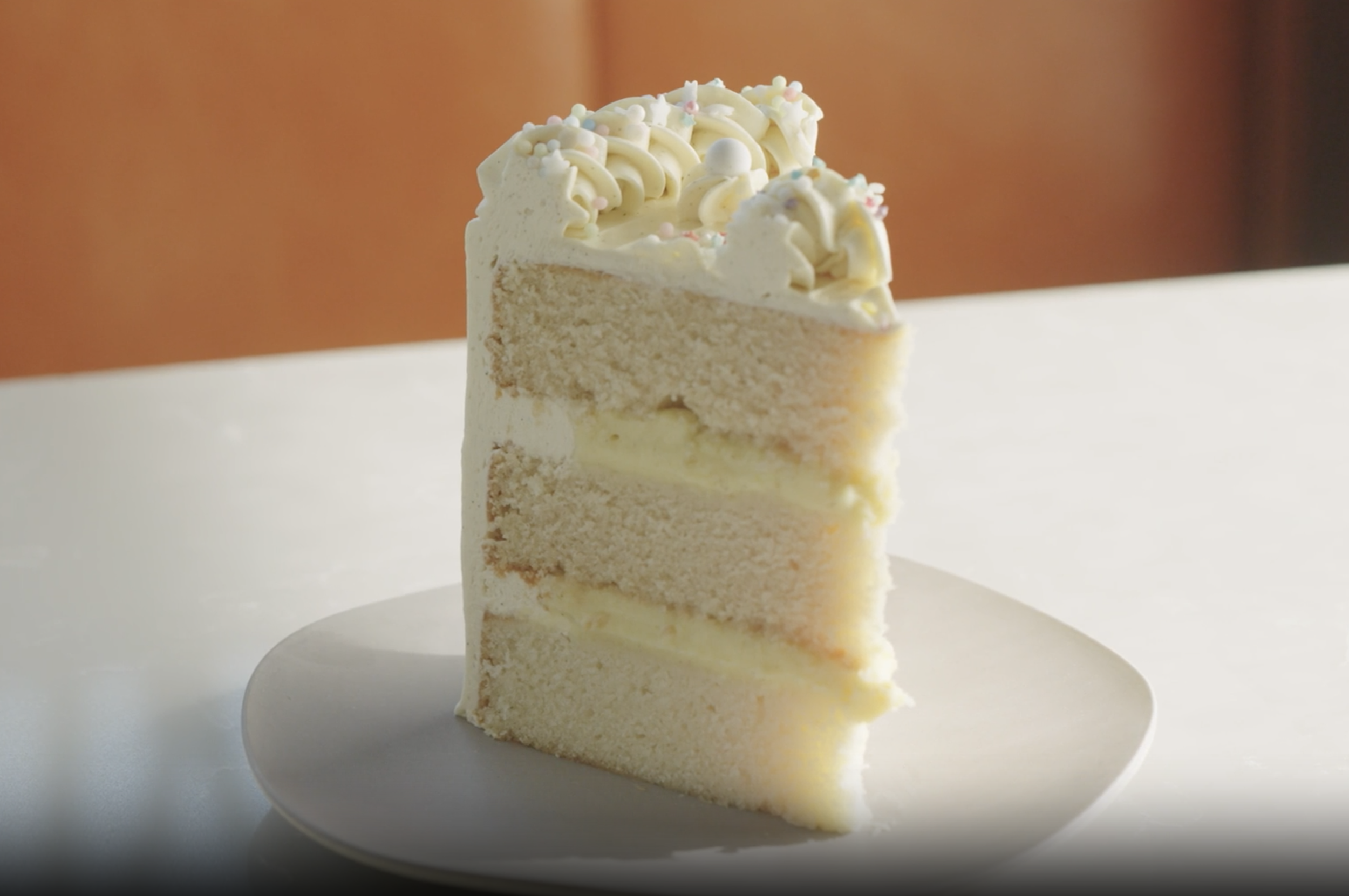
Butter usually wins. In a simple vanilla or yellow cake, butter is the star. Oil-based vanilla cake can taste a bit flatter unless you boost vanilla, add citrus zest, or use a flavorful frosting.
2) Crumb and tenderness
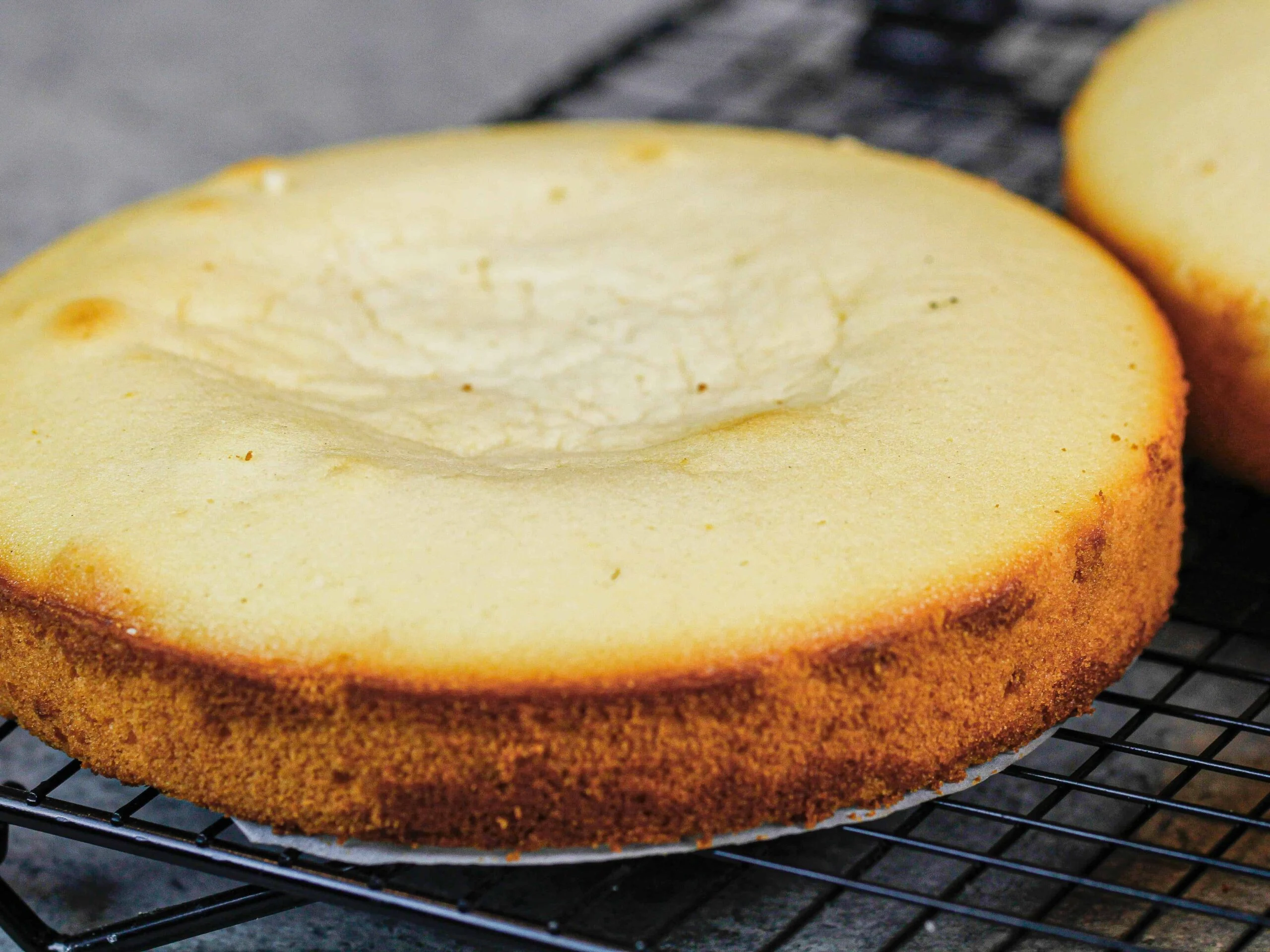
Oil often wins for tenderness, especially in sheet cakes and snack cakes. Butter cakes can still be tender, but they often bake up with a slightly tighter crumb and a more classic “birthday cake” bite.
3) Moisture over time
Oil usually has the edge. If you are baking ahead for a party, lunchbox treats, or a bake sale, oil-based cakes tend to stay soft longer. Butter cakes can dry out faster if they are left uncovered or chilled.
4) Height and lift
Butter can have an edge in recipes built around creaming. That said, many oil cakes use other tools for lift (like whipped eggs, buttermilk plus baking soda, or a well-balanced chemical leavener setup), so you can still get a tall, fluffy cake with oil when the recipe is designed for it.
5) Best cake types for each fat
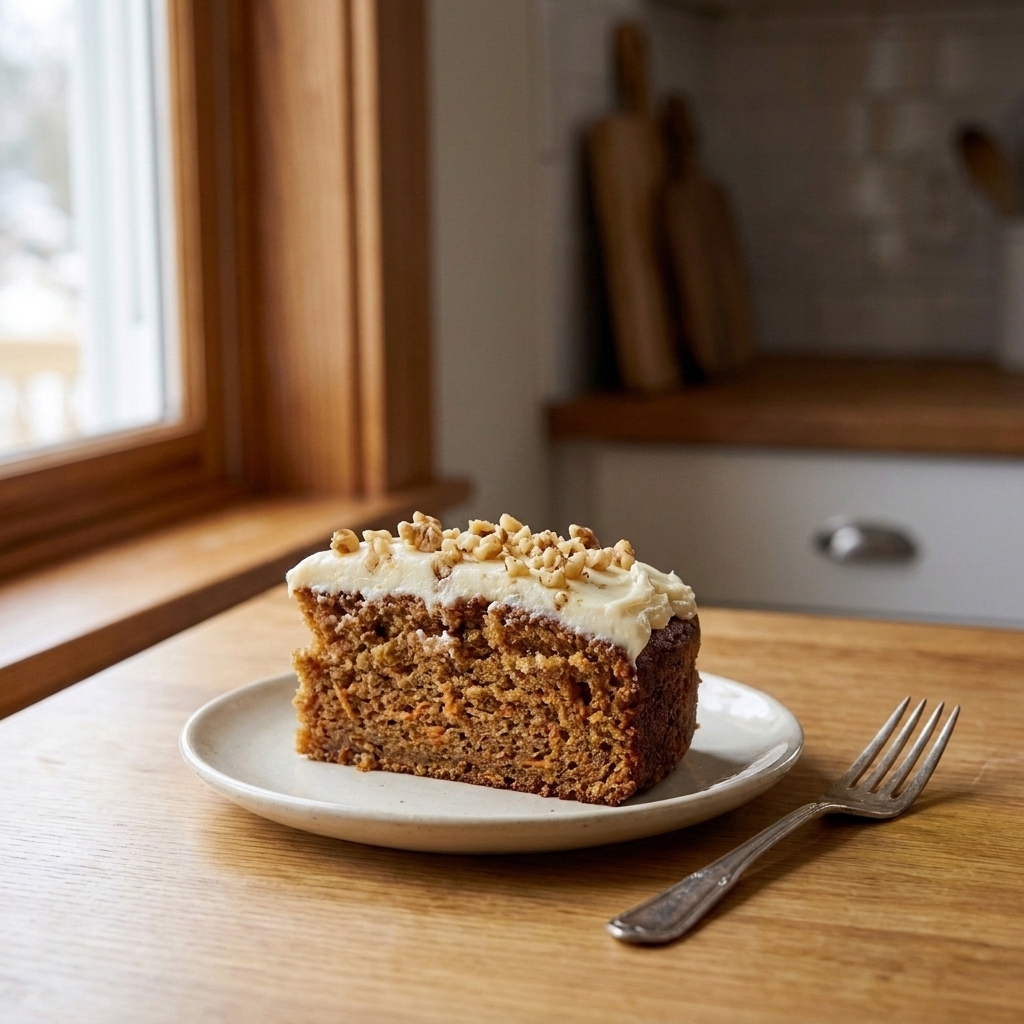
- Butter shines in: pound cake, yellow cake, classic layer cakes, butter cake, coffee cake, streusel-topped cakes.
- Oil shines in: chocolate cake, carrot cake, zucchini bread, banana cake, spice cake, red velvet, one-bowl sheet cakes.
- Either works (recipe dependent): cupcakes, marble cake, Bundt cakes.
Brownies: chewy or fudgy?
Brownies are where people get passionate, and I get it. Texture matters. Here is the most reliable way to think about it:
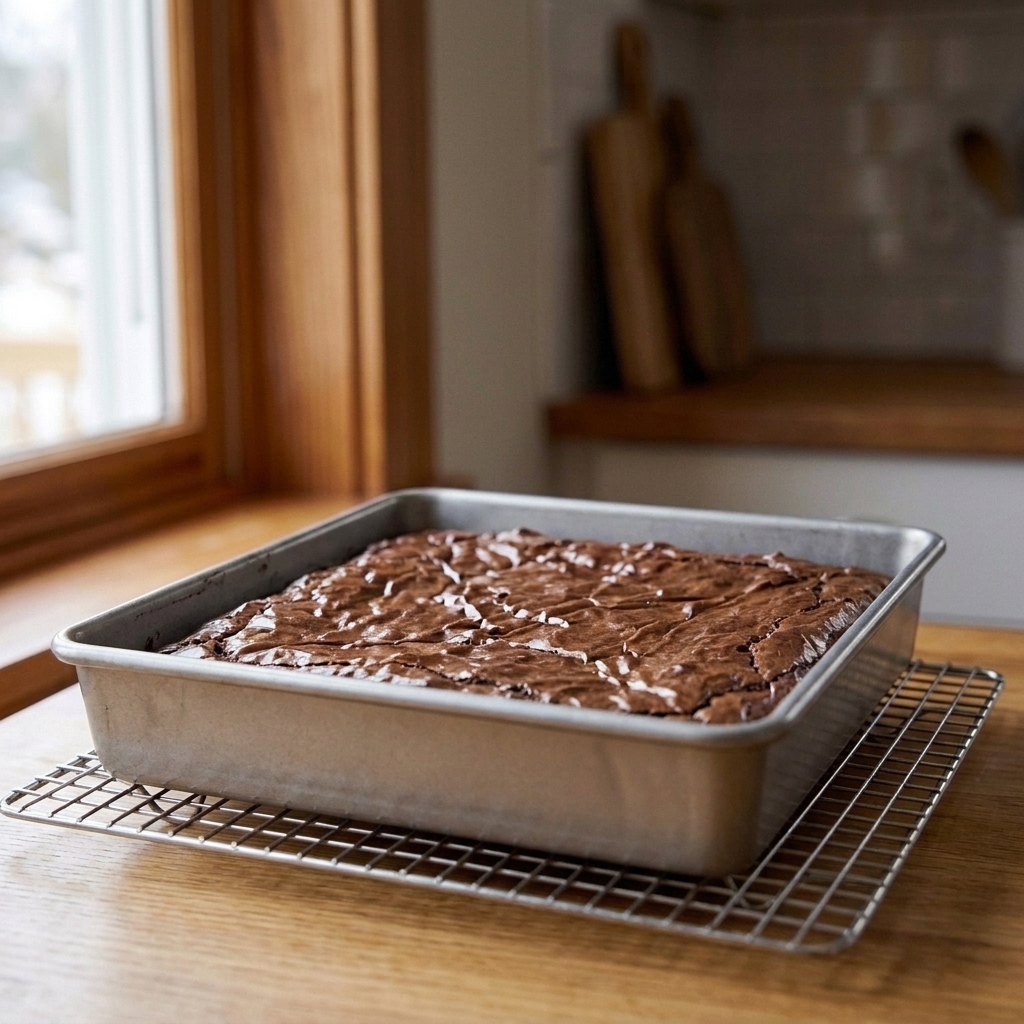
- Butter brownies: richer flavor, a classic brownie aroma, and a slightly firmer set once cooled.
- Oil brownies: super moist and tender, often a bit chewier, and they stay softer longer. Flavor depends heavily on cocoa and chocolate quality.
- Butter + oil brownies: the “best of both,” especially if you want deep butter flavor but do not want the edges to feel dry.
Why brownies get a shiny crust
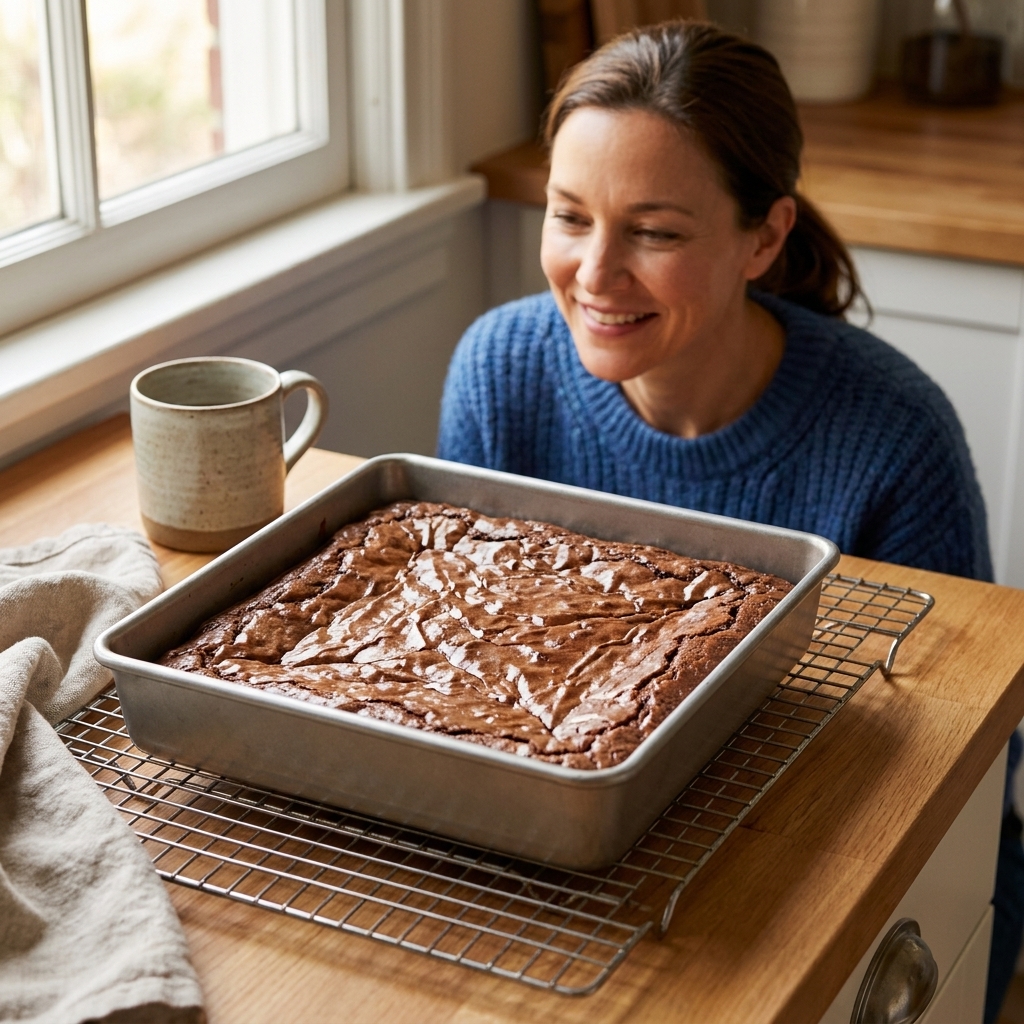
That thin, shiny crust is mostly about dissolving sugar well and creating a delicate egg-protein film on top. Fat choice can influence the process, but it is more about technique than butter versus oil. Many butter-based recipes melt butter and whisk it with sugar, which naturally encourages good dissolving. Oil brownies can get a beautiful crust too when the sugar is fully dissolved and the mixture is whisked vigorously.
Temperature matters
Here is the part I wish someone had told me when I was learning: butter changes state. Oil mostly does not.
- Butter firms up when cool, so butter-based cakes and brownies can feel a little firmer once fully cooled (and especially if chilled).
- Oil stays fluid, so oil-based bakes tend to feel softer at room temperature and often stay more tender after chilling.
This is why a butter brownie might taste denser on day two, while an oil brownie still feels fudgy and soft.
How to choose
For soft, plush treats
Go oil or half oil. It buys you forgiveness if the bake sits out or gets packed into containers.
For simple cakes
Go butter. Think vanilla cupcakes, plain yellow cake, pound cake.
For chocolate cake
I almost always choose oil. Chocolate brings plenty of flavor, and oil keeps the crumb deeply moist.
If you are frosting heavily
Either works, but oil-based cakes often stay softer under frosting in the fridge. That is helpful for make-ahead birthday cakes.
If you need clean slices
Butter gives you a little more structure. For brownies, butter (or butter plus a little oil) slices neatly once fully cooled.
Swaps and conversions
You can swap, but do it thoughtfully. Butter and oil are not 1:1 equivalents because butter contains water and milk solids, and because method matters (creaming versus melted, for example).
Butter to oil conversion
For most cakes and brownies, you can replace butter with about 80% oil by volume.
- 1 cup butter (16 Tbsp) → scant 3/4 cup oil (about 12 to 13 Tbsp)
- 1/2 cup butter (8 Tbsp) → 6 Tbsp oil
- 1/4 cup butter (4 Tbsp) → 3 Tbsp oil
Tip: If the recipe uses melted butter for flavor (like brownies), consider a half-and-half swap first instead of going all-in with oil.
Oil to butter conversion
This is trickier because adding butter also adds water, and butter firms as it cools. That combo can change rise, structure, and the way “moist” the crumb feels. If you want to try it anyway, use a little more butter than oil.
- 1/2 cup oil → 1/2 cup plus 1 Tbsp butter (melted or softened depending on the method)
When not to swap: If a recipe relies heavily on creaming for lift (some layer cakes and butter cakes) or is very liquid-heavy already, a full swap can throw off the texture. In those cases, a partial swap is the safer move.
Best oils for baking
For most home baking, you want an oil with a clean flavor and a high enough smoke point that it behaves nicely in the oven.
- Canola oil: my everyday pick, neutral and reliable.
- Vegetable oil: also neutral, widely available.
- Avocado oil (refined): very neutral, often pricier.
- Light olive oil: can work in chocolate and spice cakes; choose mild.
- Extra-virgin olive oil: delicious in specific recipes (think orange olive oil cake) but can taste peppery in brownies.
- Coconut oil: adds coconut flavor and can act more like butter because it firms when cool.
Common problems
My butter cake is dry
- Do not overbake. Start checking early and pull it as soon as a tester comes out with a few moist crumbs.
- Measure flour carefully. Too much flour dries everything out fast.
- Consider replacing 2 to 4 tablespoons of butter with oil for extra moisture without losing butter flavor.
My oil cake tastes bland
- Increase vanilla (or add almond extract, citrus zest, espresso powder for chocolate).
- Use buttermilk, sour cream, or yogurt if the recipe allows. They add flavor and tenderness.
- Make sure you are using enough salt. A small amount makes flavors pop.
My brownies are greasy
- Too much fat or underbaking can cause a greasy mouthfeel. Bake until the center is set but still soft.
- Let brownies cool completely before cutting. Warm brownies can seem oily even when they will set up perfectly later.
My brownies are cakey and I wanted fudgy
- Use melted butter (or oil) rather than creaming butter and sugar.
- Reduce leavening. Many fudgy brownies use little to no baking powder.
- Do not overmix once flour goes in.
My go-to blend
If you are standing in your kitchen at 5:40 PM trying to get dessert done before dinner and homework, here is the easiest, most forgiving move: use some butter for flavor and some oil for moisture.
- For cakes: try replacing 1/3 to 1/2 of the butter with oil.
- For brownies: keep butter as the main fat, then add 1 to 2 tablespoons oil for extra chew and softness.
This is also my favorite way to rescue a recipe that is reliable but just a touch drier than your family likes.
FAQ
Is butter or oil better for a moist cake?
Oil is usually better for moisture and softness that lasts. Butter can be moist too, but it is easier to overbake and it firms as it cools.
Should brownies use butter or oil?
For classic brownies with rich flavor, choose butter. For extra-soft, chewy brownies that stay fudgy longer, choose oil or a butter and oil blend.
Can I use melted butter instead of oil in a cake?
Sometimes, but expect a different texture because butter includes water, and because melted-butter mixing behaves differently than an oil cake method. If the recipe was developed for oil, a full swap can change the rise and crumb. A partial swap is usually safer.
Why do some chocolate cakes use oil?
Chocolate cakes often use oil because cocoa can be drying and oil helps keep the crumb plush. Since chocolate brings strong flavor, you do not always miss butter as much.
What oil is best for brownies?
A neutral oil like canola or vegetable oil is the easiest choice. If you want a hint of flavor, mild olive oil can be lovely with dark chocolate, but keep it subtle.