A rigorously tested Dutch oven beef stew with browned chuck roast, tender vegetables that hold their shape, and a rich, thick gravy. Step-by-step times plus ...
Recipe Homely
November 15, 2026
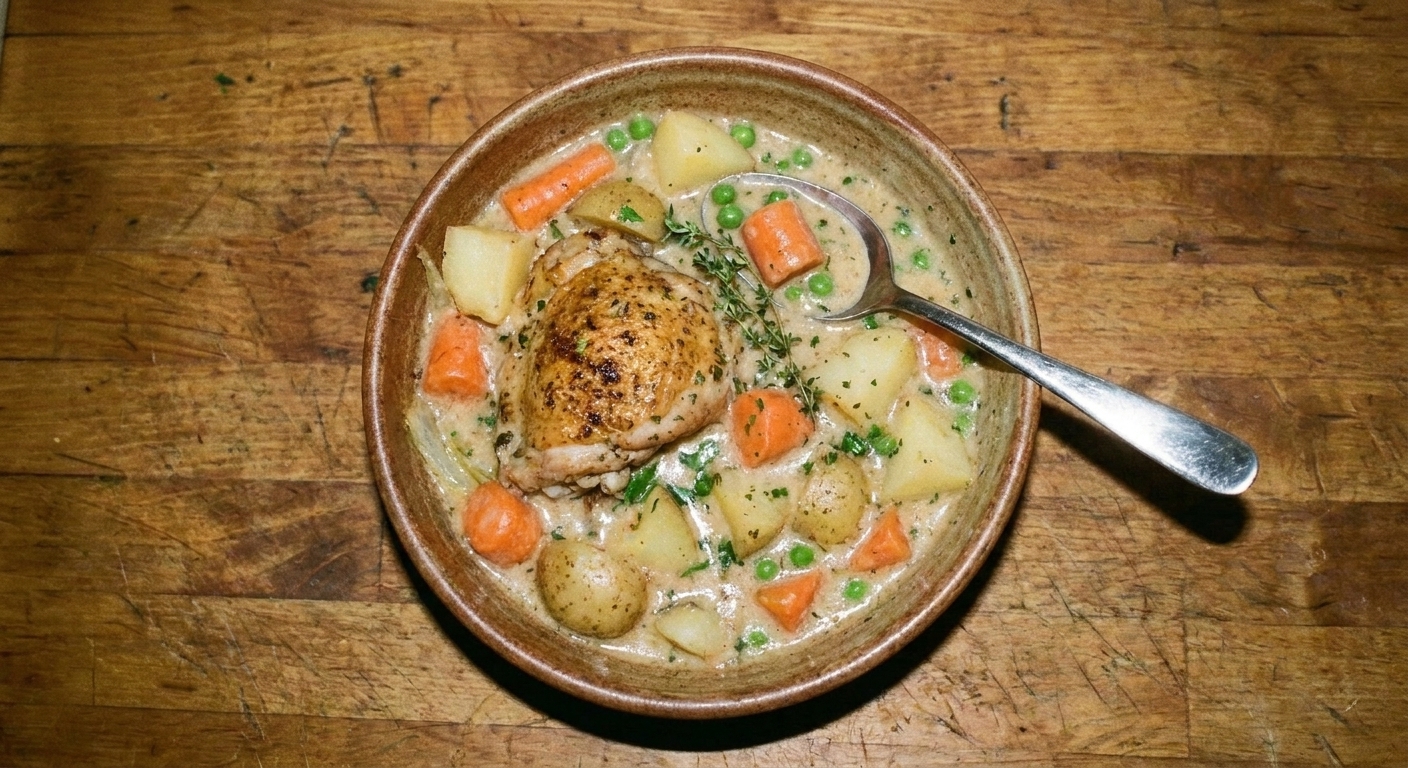
Dutch Oven Chicken Stew

Sarah Jenkins
Sarah Jenkins is a passionate home cook and the voice behind Recipe Homely, dedicated to making everyday meals stress-free and delicious. With over a decade of experience feeding a busy family, she specializes in rigorously tested, approachable recipes for dinners, desserts, and everything in between. When she isn't developing new dishes, Sarah can be found browsing local farmers' markets or baking with her two children.
On the nights when I need dinner to feel like a warm blanket, I reach for my Dutch oven. This chicken stew is my answer to the classic beef version, but with a shorter simmer (because chicken is not chuck roast) and a gravy that stays creamy without drying out the meat. It is hearty, spoonable, and absolutely a stew, not a quick skillet chicken and not chicken noodle soup.
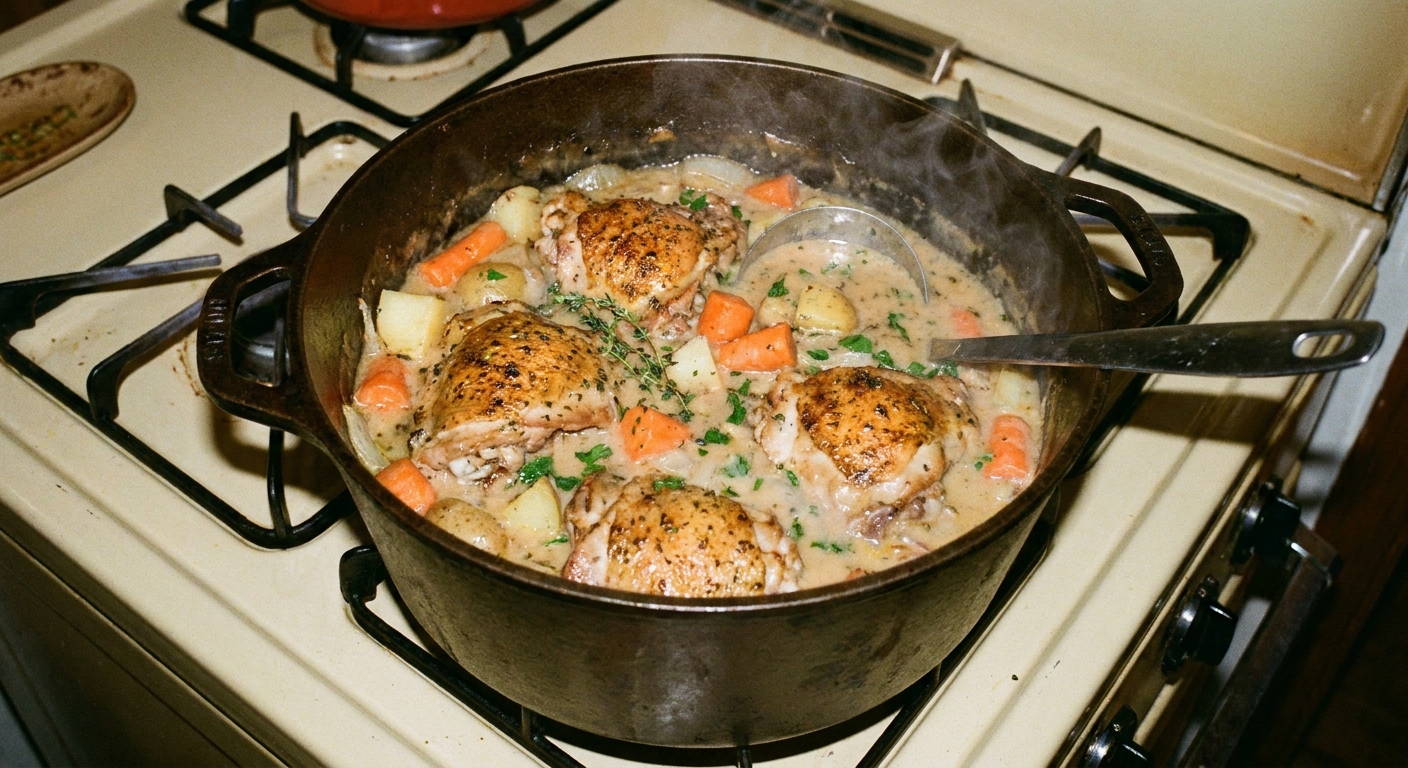
Why chicken thighs work best
I test recipes in my very average kitchen for real-life weeknights, and chicken thighs win every time for stew. They stay juicy after simmering, they taste richer than breasts, and they are forgiving if your kids need an extra 10 minutes before they will actually come to the table.
- Use bone-in, skin-on thighs for the best flavor, then pull the skin off before serving if you prefer.
- Boneless, skinless thighs also work and cook a touch faster, but you lose some richness from the rendered fat.
- Avoid long beef-stew cook times. If you simmer chicken for the same 2 to 3 hours you might use for beef stew, it will often overcook and can turn stringy and dry. Chicken needs enough time to get tender, not enough time to fall apart into cottony shreds.
Ingredients
This is a classic pantry-friendly stew with a creamy, savory gravy. No oddball ingredients, and lots of flexibility.
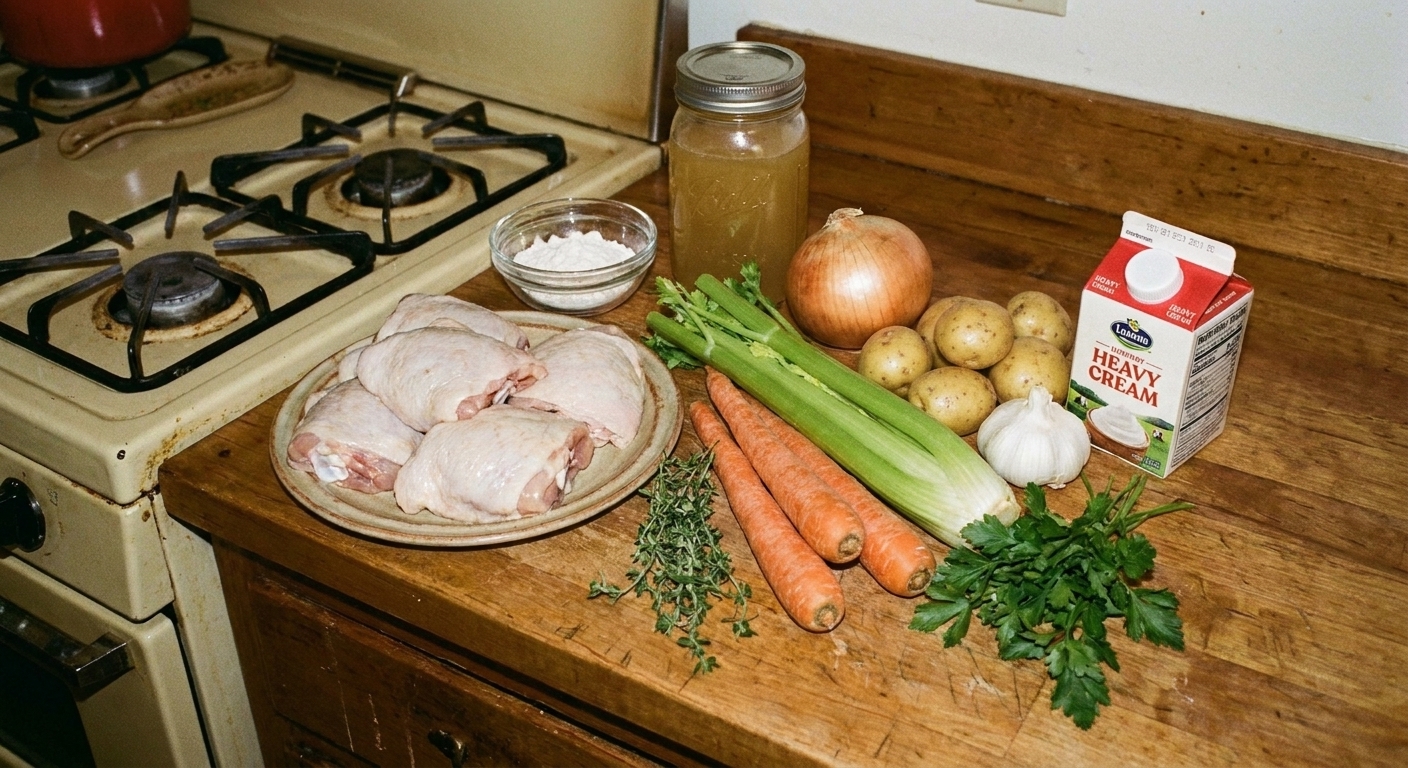
- 2 to 2 1/2 pounds chicken thighs (bone-in skin-on or boneless skinless)
- 1 1/2 teaspoons kosher salt, plus more to taste
- 1/2 teaspoon black pepper
- 2 tablespoons olive oil (or 1 tablespoon oil if thighs are skin-on and fatty)
- 1 large yellow onion, diced
- 3 carrots, peeled and cut into 1/2-inch chunks
- 2 celery ribs, sliced
- 4 cloves garlic, minced
- 2 tablespoons tomato paste (optional, for deeper color and flavor)
- 3 tablespoons all-purpose flour
- 3 1/2 cups low-sodium chicken broth
- 1 pound Yukon Gold potatoes, cut into 1-inch chunks
- 1 teaspoon dried thyme (or 1 tablespoon fresh)
- 1 bay leaf
- 1/2 to 1 cup heavy cream (or half-and-half)
- 1 cup frozen peas (or quick-cooking vegetables listed below)
- 1 tablespoon lemon juice (optional, to brighten at the end)
- 2 tablespoons chopped parsley (optional)
Potato notes
- Yukon Gold holds its shape and gives you a naturally creamy stew.
- Russet breaks down more and will thicken the stew more as it simmers (not a bad thing, just different).
- Red potatoes hold their shape well but are less buttery than Yukon Gold.
Best quick vegetable add-ins
Add these near the end so they stay vibrant and do not turn mushy:
- Frozen peas
- Green beans (fresh or frozen, cut into bite-size pieces)
- Corn
- Spinach (stir in at the very end)
- Zucchini (small chunks)
Equipment
- 5 to 7 quart Dutch oven with a lid
- Instant-read thermometer (highly recommended for chicken)
- Tongs and a wooden spoon
How to make chicken stew
This is a true stew method: brown, build a base, simmer gently, then finish creamy. The order matters for tender chicken and a gravy that stays smooth.
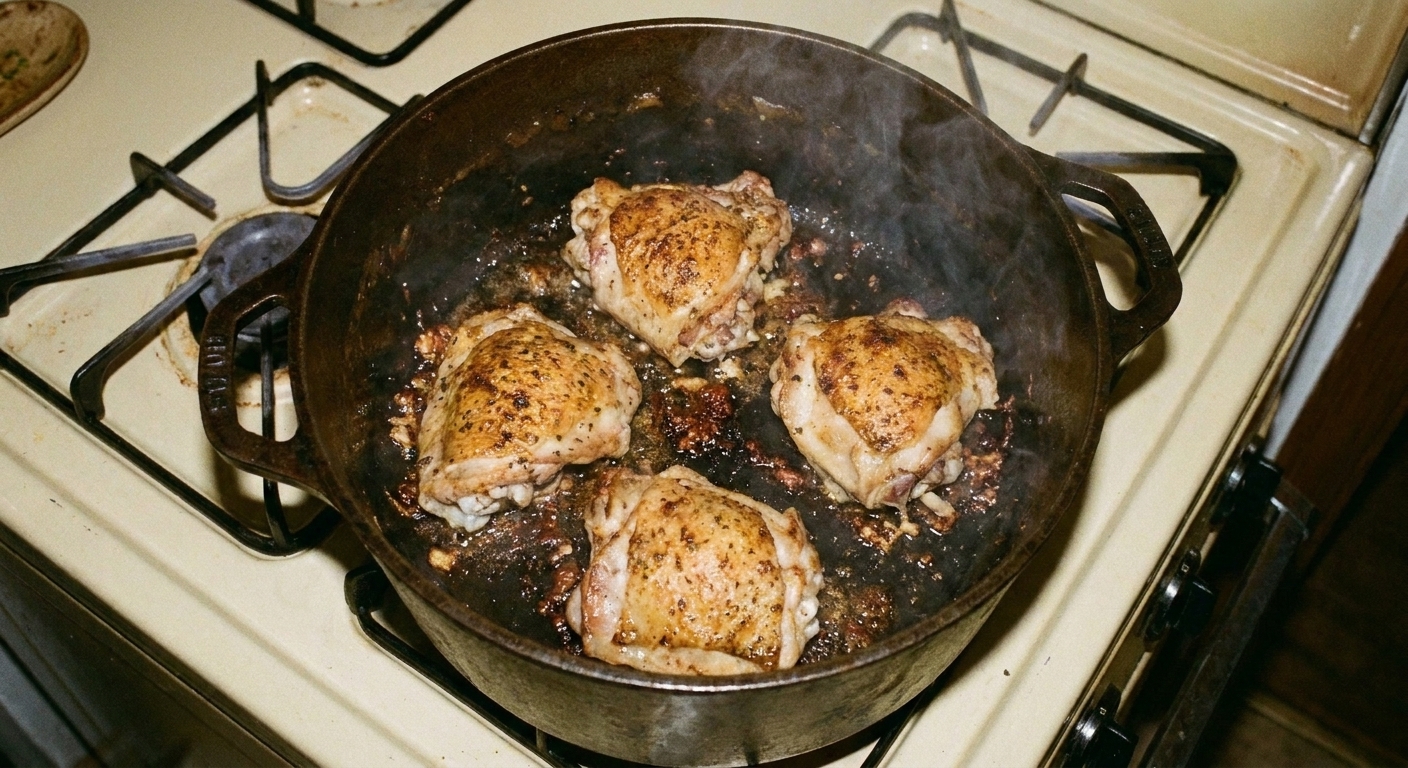
1) Brown the chicken
Pat the chicken dry and season with salt and pepper.
Heat the Dutch oven over medium-high heat and add the oil. Add the thighs in a single layer and brown well, about 4 to 5 minutes per side for skin-on (a little less for boneless). Work in batches if needed.
Transfer chicken to a plate. Pour off excess fat if there is a lot, leaving about 1 to 2 tablespoons in the pot.
2) Sauté the aromatics
Lower heat to medium. Add onion, carrots, and celery. Cook 6 to 8 minutes, scraping up browned bits, until the onion softens.
Add garlic and tomato paste (if using). Cook 1 minute, just until fragrant.
3) Build the gravy base
Sprinkle flour over the vegetables. Stir constantly for 1 to 2 minutes to cook out the raw flour taste. This step is what helps the gravy stay creamy and stable later, even after adding dairy.
4) Add broth, potatoes, and herbs
Slowly pour in the broth while stirring so the flour dissolves smoothly. Add potatoes, thyme, and bay leaf. Bring to a gentle simmer.
Nestle the chicken back into the pot (and add any juices from the plate). The liquid should come about halfway up the chicken. Add a splash more broth if needed.
5) Simmer gently
Cover and adjust heat as needed to maintain a gentle simmer for 30 to 40 minutes, or until potatoes are tender and chicken is cooked through. Some stoves need a touch more than “low” to keep a heavy Dutch oven bubbling, and some run hot. You are looking for a calm simmer, not a rolling boil.
Chicken safe temperature: The thickest part of the chicken should reach 165°F. Thighs can be even more tender around 175°F to 185°F for texture, not safety, as long as you keep the simmer gentle.
If using boneless thighs: Start checking around 25 to 30 minutes. They are often done sooner than bone-in.
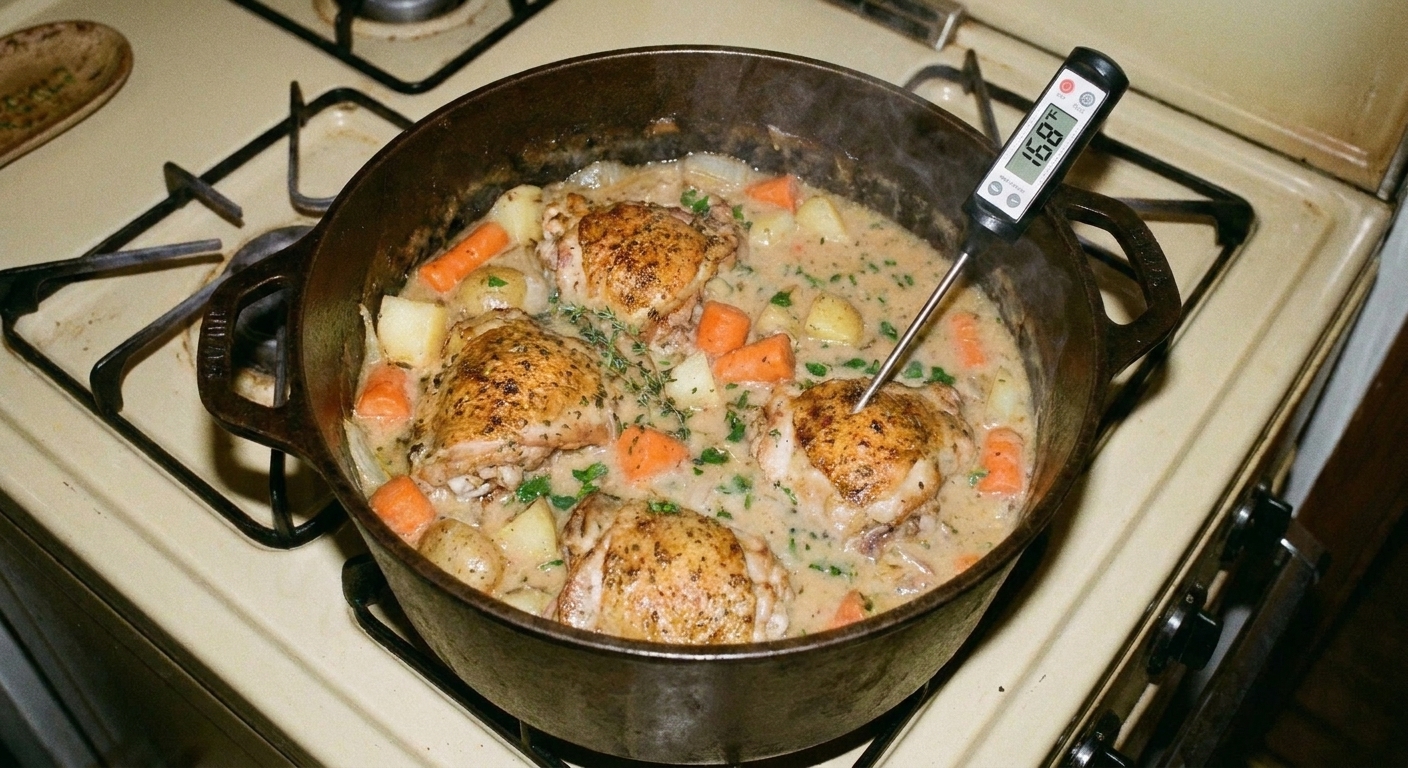
6) Add quick vegetables
Stir in peas (or other quick vegetables) during the last 5 to 10 minutes of simmering, just until heated through and bright.
7) Finish with cream off the heat
Turn off the heat. Remove the bay leaf.
Stir in the cream. Adding dairy off the heat keeps the gravy silky and helps prevent curdling.
Taste and adjust salt and pepper. A small squeeze of lemon juice right at the end makes the whole pot taste more “awake,” especially in winter when carrots and onions can lean sweet.
Optional: chunk the chicken
If using bone-in thighs, lift them out, remove skin and bones, then return the meat to the pot in large chunks. I like chunks for a stew feel, but you can shred if your family prefers it.
Timing guide
One reason stew recipes fail is that everything gets dumped in at once. Here is the timing I use at home.
- Start: Chicken, onions, carrots, celery (these can handle simmering)
- After gravy base: Potatoes (need time to soften and thicken the stew)
- Last 5 to 10 minutes: Peas, green beans, corn, zucchini
- Very end: Spinach, cream, lemon, fresh herbs
Reminder: Chicken stew usually does best with a shorter, gentle simmer than beef stew. You will get a better texture and juicier meat.
Keep the gravy creamy
- Cook the flour for 1 to 2 minutes before adding broth to avoid a raw flour taste.
- Add broth gradually while stirring so the thickener dissolves smoothly.
- Keep it at a gentle simmer, not a rapid boil. Boiling can toughen chicken and makes dairy more likely to separate.
- Stir cream in off the heat for the smoothest finish.
- If it gets too thick, loosen with a splash of warm broth.
Easy variations
Herby lemon stew
Add 1 teaspoon lemon zest with the cream and finish with extra parsley or dill.
Mushroom stew
Sauté 8 ounces sliced mushrooms after the onions soften, then continue with flour.
Biscuits on the side
Keep the stew thick and serve with biscuits or crusty bread for dunking.
Storage and reheating
- Refrigerate: Cool and store in an airtight container up to 4 days.
- Freeze: You can freeze it, but creamy stews can change texture slightly. If you plan to freeze, consider holding back the cream and adding it when reheating.
- Reheat: Warm gently over medium-low heat, stirring often. Avoid boiling hard, which can tighten the chicken and dull the creamy texture.
Troubleshooting
My chicken turned dry
Most often it is too much time or too high a boil. Aim for a gentle simmer and start checking doneness around 30 minutes (sooner for boneless thighs).
My stew is thin
Simmer uncovered for 10 minutes to reduce. If you need a quick fix, mash a few potato chunks against the side of the pot and stir them in.
My stew is too thick
Stir in a bit more broth until it loosens to your liking.
Can I use chicken breast?
You can, but it is easier to overcook. Cut into large chunks and add it later, simmering just until it reaches 165°F.
Recipe: Dutch oven chicken stew
Serves: 6
Prep time: 15 to 20 minutes
Cook time: 60 to 80 minutes
Ingredients
- 2 to 2 1/2 pounds chicken thighs
- 1 1/2 teaspoons kosher salt, plus more to taste
- 1/2 teaspoon black pepper
- 2 tablespoons olive oil
- 1 large yellow onion, diced
- 3 carrots, peeled and cut into 1/2-inch chunks
- 2 celery ribs, sliced
- 4 cloves garlic, minced
- 2 tablespoons tomato paste (optional)
- 3 tablespoons all-purpose flour
- 3 1/2 cups low-sodium chicken broth
- 1 pound Yukon Gold potatoes, cut into 1-inch chunks
- 1 teaspoon dried thyme
- 1 bay leaf
- 1/2 to 1 cup heavy cream (or half-and-half)
- 1 cup frozen peas
- 1 tablespoon lemon juice (optional)
- 2 tablespoons chopped parsley (optional)
Instructions
- Pat chicken dry and season with salt and pepper.
- Heat Dutch oven over medium-high heat. Add oil and brown chicken, 4 to 5 minutes per side (work in batches). Transfer to a plate.
- Reduce heat to medium. Add onion, carrots, and celery. Cook 6 to 8 minutes. Add garlic and tomato paste (if using) and cook 1 minute.
- Sprinkle flour over vegetables and stir 1 to 2 minutes.
- Slowly stir in broth until smooth. Add potatoes, thyme, and bay leaf. Bring to a gentle simmer.
- Return chicken (and juices) to the pot. Cover and adjust heat as needed to maintain a gentle simmer until potatoes are tender and chicken reaches 165°F, 30 to 40 minutes. Start checking at 25 to 30 minutes for boneless thighs.
- Stir in peas for the last 5 to 10 minutes.
- Turn off heat. Remove bay leaf. Stir in cream, then lemon juice and parsley if using. Taste and adjust seasoning.
Notes
- 165°F is the safety mark. Thighs can be more tender closer to 175°F to 185°F, but that is for texture, not safety.
- Keep the simmer gentle. A steady simmer beats a hard boil for tender chicken and a smooth, creamy gravy.
- Freezer tip: For best texture, freeze before adding cream, then add cream when reheating.