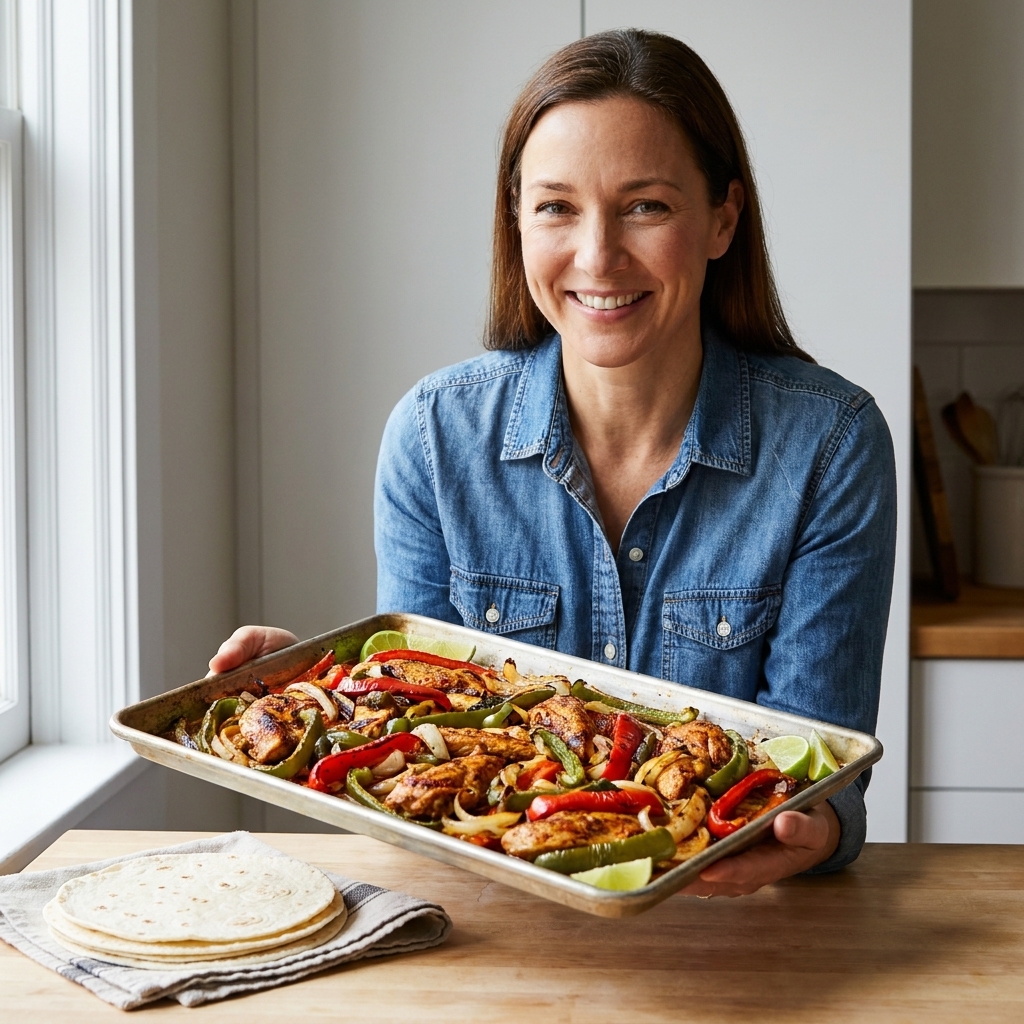
Stretch one roast chicken into three totally different dinners: a bright soup, quick wraps, and a bubbly pasta bake, plus smart storage and make-ahead tips.
Recipe Homely
November 14, 2026
Homemade Chicken Noodle Soup (From-Scratch Broth)

Sarah Jenkins
Sarah Jenkins is a passionate home cook and the voice behind Recipe Homely, dedicated to making everyday meals stress-free and delicious. With over a decade of experience feeding a busy family, she specializes in rigorously tested, approachable recipes for dinners, desserts, and everything in between. When she isn't developing new dishes, Sarah can be found browsing local farmers' markets or baking with her two children.
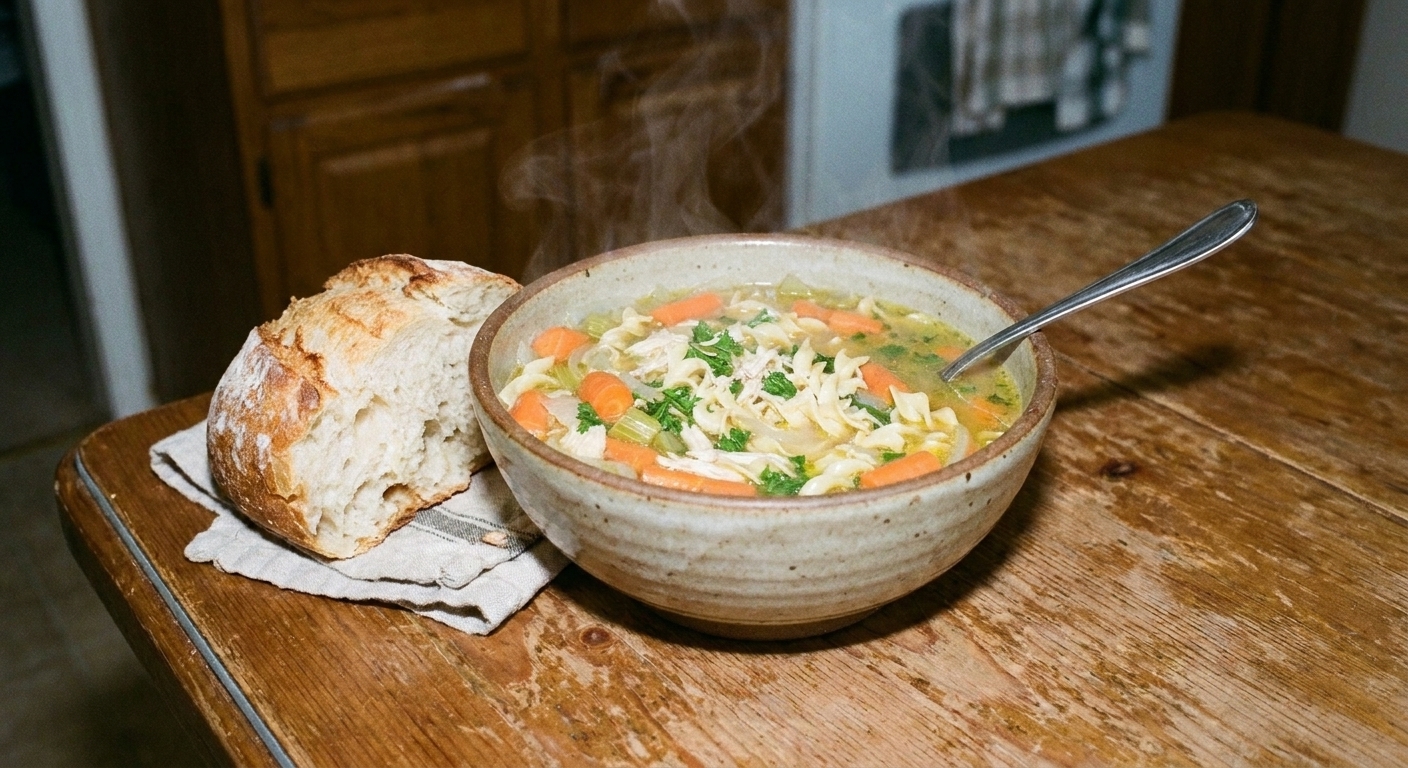
When my kids were little, I used to think chicken noodle soup was either a can opener situation or an all-day weekend project. Turns out, you can make a truly from-scratch broth on a regular weeknight pace as long as you keep the simmer gentle and do things in a smart order. This is the chicken noodle soup I make when someone has the sniffles, when the fridge looks bare, or when I just want dinner to feel like a hug.
Why this soup works
- From-scratch broth without fuss: A whole chicken (or bone-in pieces) plus a gentle simmer makes the broth rich and naturally flavorful.
- Tender, not stringy chicken: We pull the chicken when it is just cooked through, then shred and add it back at the end.
- Vegetables added in the right order: Onion and celery build flavor first, carrots go in with the broth so they soften without turning to mush.
- Noodles that do not turn to sponge: Cook egg noodles separately if you are making ahead (my go-to trick for leftovers).
Ingredients (family-size pot)
This makes a generous pot, about 10 to 12 cups, perfect for 4 to 6 people with leftovers.
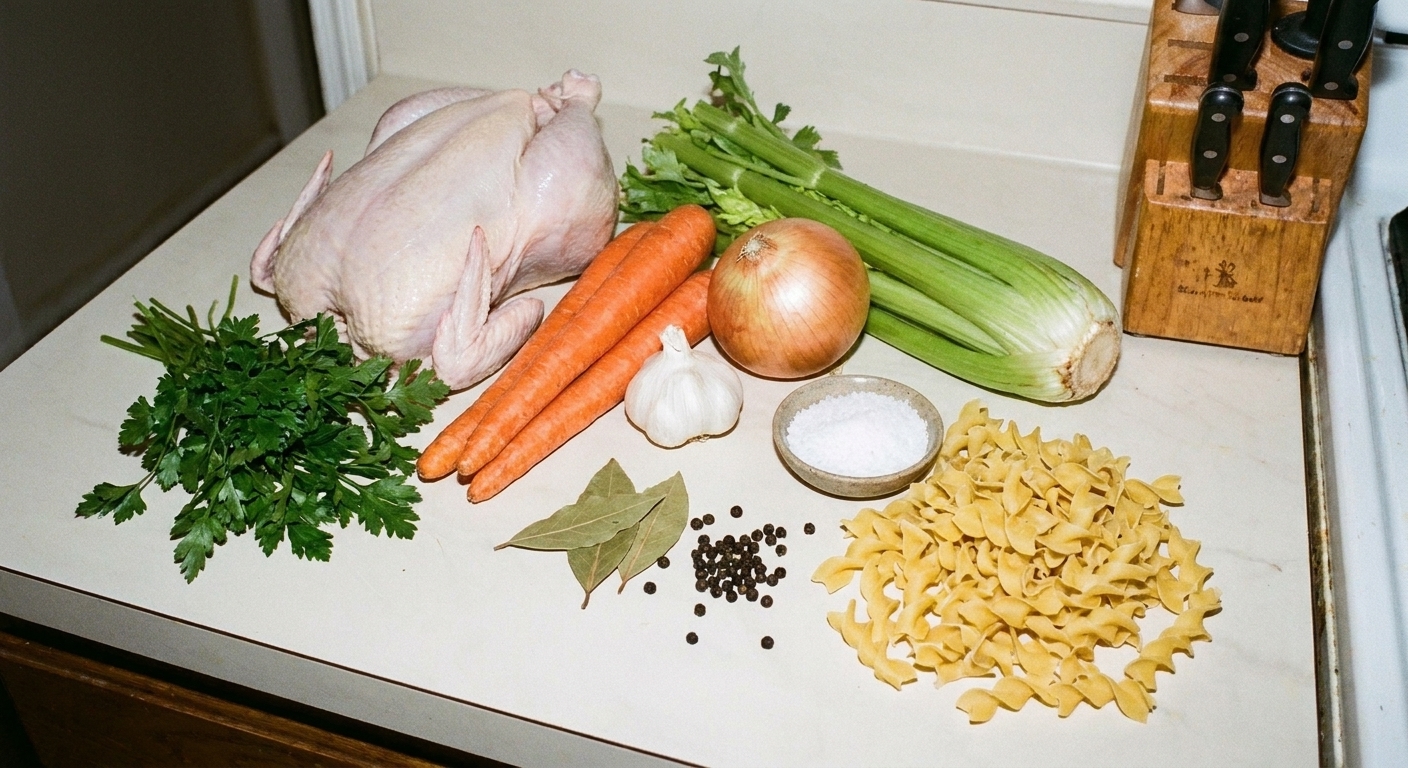
For the from-scratch broth
- 1 whole chicken (about 4 to 5 pounds)
- 10 to 12 cups cold water (enough to cover the chicken by about 1 inch)
- 1 large onion, peeled and halved
- 2 celery ribs, cut into 2-inch pieces
- 2 carrots, cut into 2-inch pieces
- 4 garlic cloves, smashed (optional but lovely)
- 2 bay leaves
- 1 teaspoon whole black peppercorns (or 1/2 teaspoon ground pepper)
- 1 to 2 teaspoons kosher salt, plus more to taste (start light, finish at the end)
- Small handful fresh parsley stems (optional)
For the soup
- 2 tablespoons olive oil or unsalted butter
- 1 medium onion, diced
- 2 celery ribs, diced
- 3 to 4 carrots, peeled and sliced (coins or half-moons)
- 6 to 8 cups strained chicken broth (from above)
- 2 to 3 cups cooked shredded chicken (from above, use more if you like it meaty)
- 2 teaspoons chopped fresh parsley (optional)
- 1 tablespoon fresh lemon juice (optional, brightens everything)
- 8 ounces egg noodles (wide or extra wide, about 6 to 7 cups cooked)
- Salt and pepper to taste
How to make chicken noodle soup
1) Simmer the chicken gently
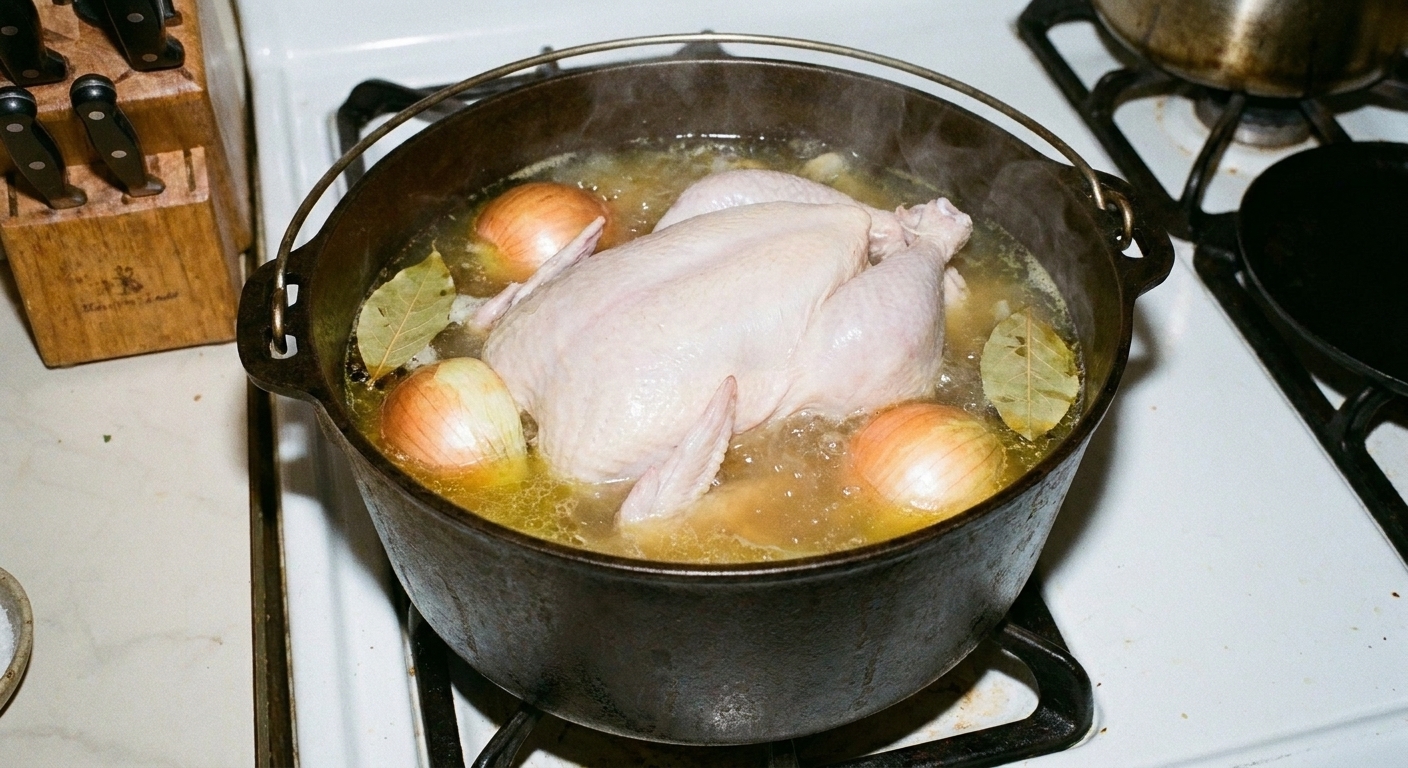
Place the whole chicken in a large stockpot (at least 8 quarts). Add the onion halves, celery pieces, carrot pieces, garlic (if using), bay leaves, peppercorns, parsley stems, and 1 teaspoon kosher salt. Pour in cold water to cover.
Bring just to a boil over medium-high heat, then immediately reduce to a gentle simmer. You want small bubbles, not a rolling boil. Skim off any gray foam for the cleanest broth.
Partially cover the pot, leaving the lid slightly ajar. It keeps the heat steady without trapping too much steam.
Simmer time for tender meat: Simmer 45 to 60 minutes, or until the thickest part of the breast hits 160°F. I pull it there and let it rest, and it coasts up to the USDA safe minimum of 165°F. Thighs are safe at 165°F too, but I find they turn more silky and shreddable closer to 175 to 185°F.
2) Pull the chicken, then finish the broth
Carefully lift the chicken out to a rimmed baking sheet or large bowl. Let it cool until you can handle it comfortably, about 15 to 20 minutes.
While the chicken cools, continue simmering the broth 15 to 30 minutes to deepen the flavor. (If you are in a hurry, you can skip this extra simmer and it will still be good.)
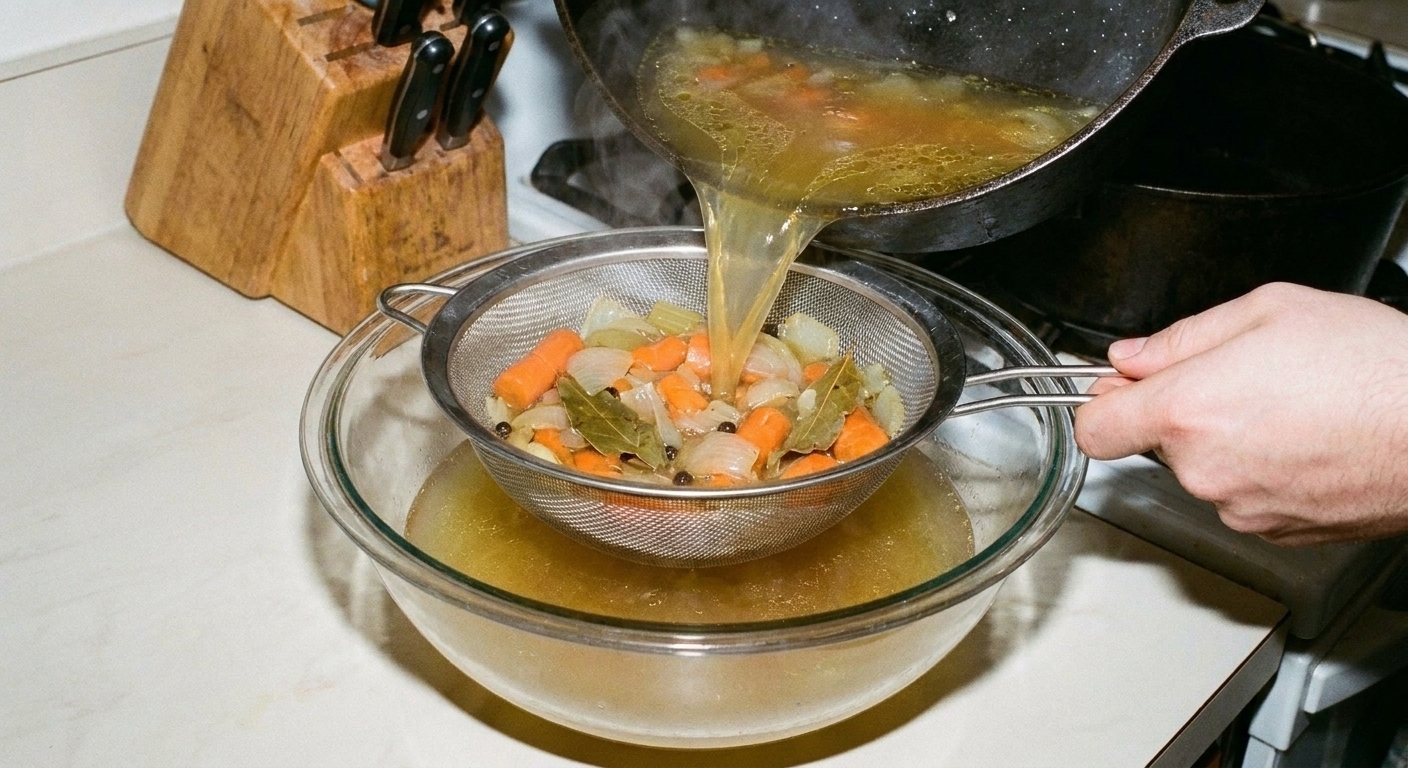
Strain the broth through a fine-mesh strainer into a large bowl or pot. Discard the boiled vegetables and aromatics.
How much broth will you have? Starting with 10 to 12 cups water, I usually end up with roughly 8 to 10 cups broth after simmering and straining. You will use 6 to 8 cups for the soup and any extra freezes beautifully for another night.
Taste the broth and add more salt if needed, but wait to fully season until the soup is assembled.
3) Shred the chicken
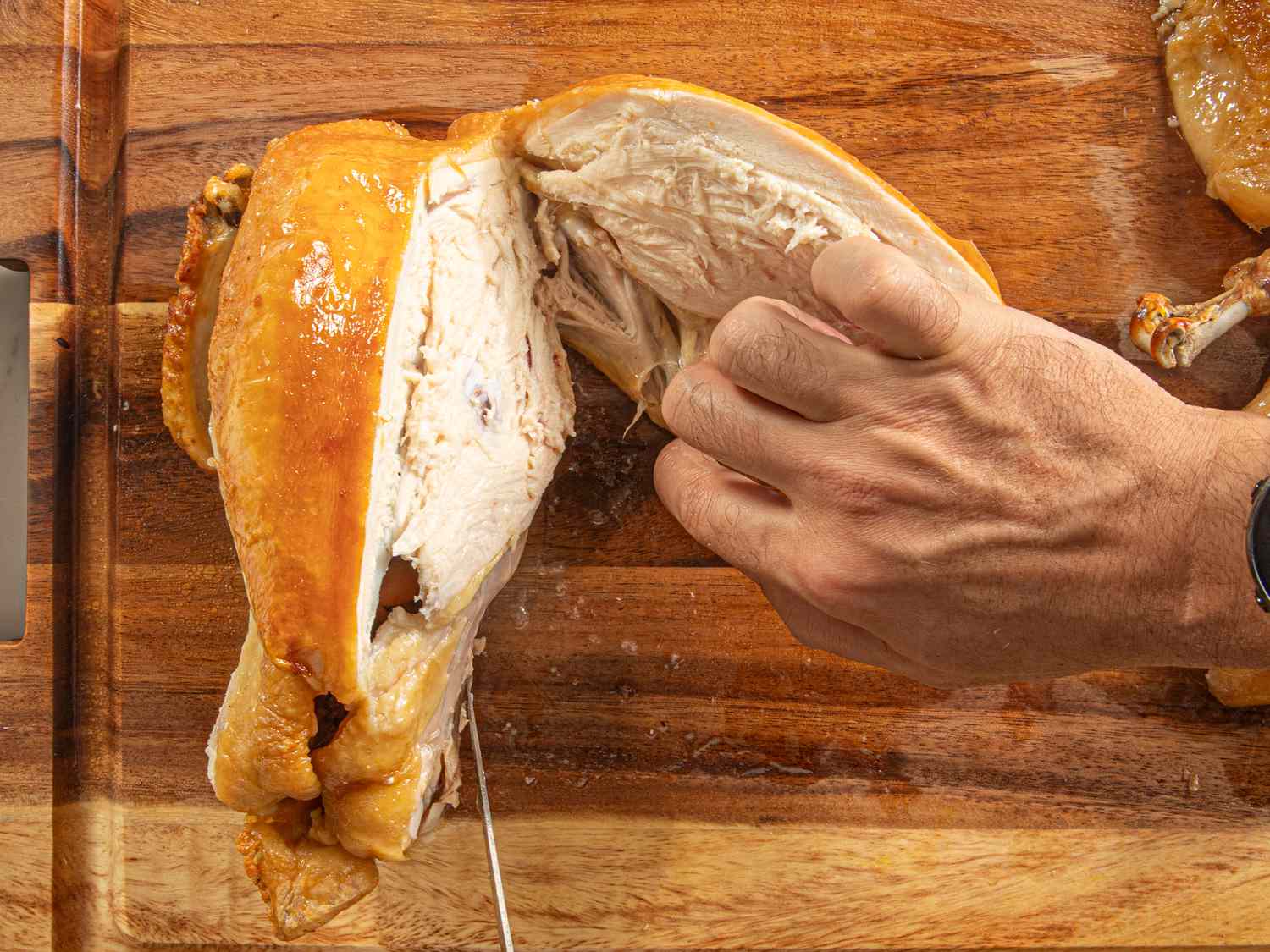
Remove the skin and pull the meat from the bones. Shred or chop into bite-sized pieces. You will likely have more chicken than you need. That is never a bad problem in my house.
4) Build the soup base
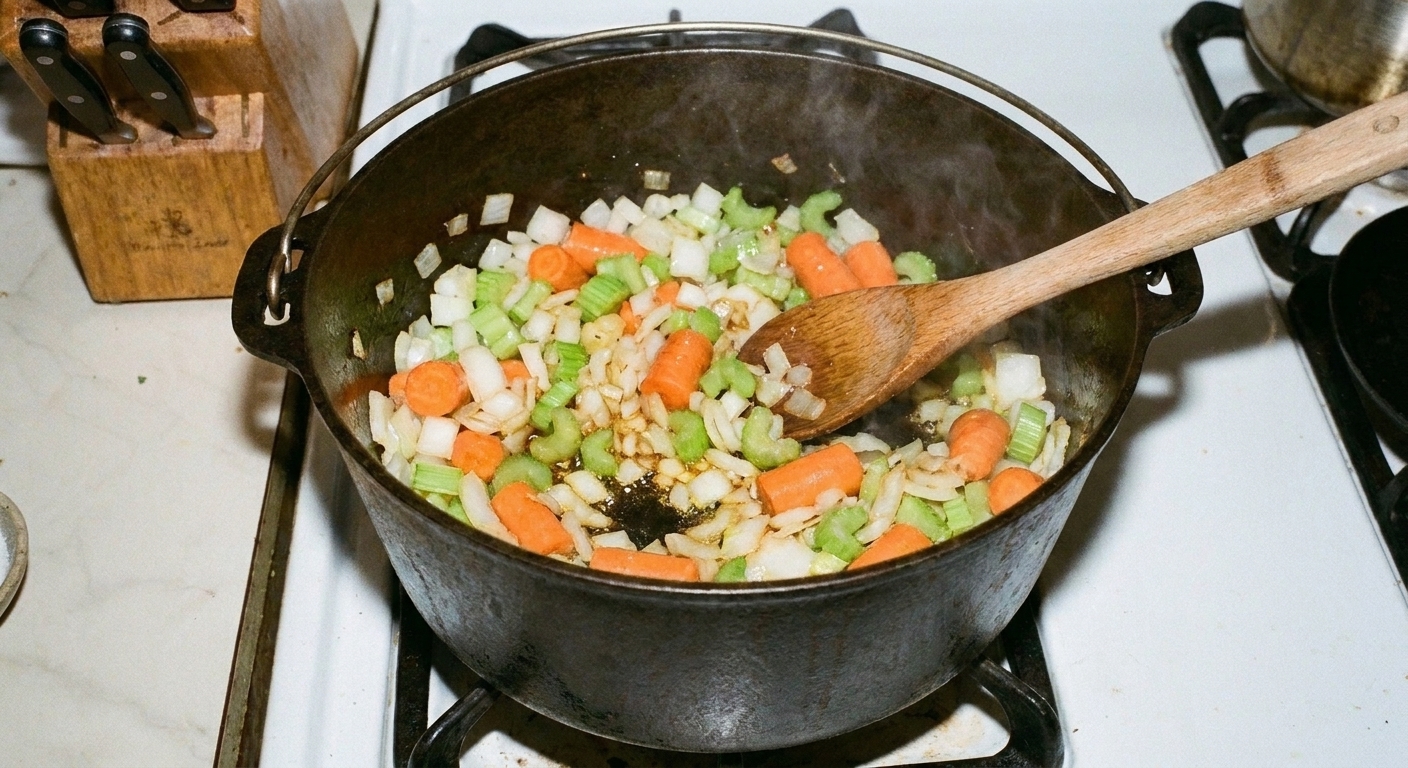
In a clean soup pot, warm the olive oil (or butter) over medium heat.
- Add the diced onion and cook 3 to 4 minutes, until turning translucent.
- Add the diced celery and cook 2 minutes.
- Add the sliced carrots and cook 2 minutes. They do not need to soften fully here.
This onion-then-celery start builds a sweet, savory base before the broth hits the pot.
5) Add broth and simmer until carrots are tender
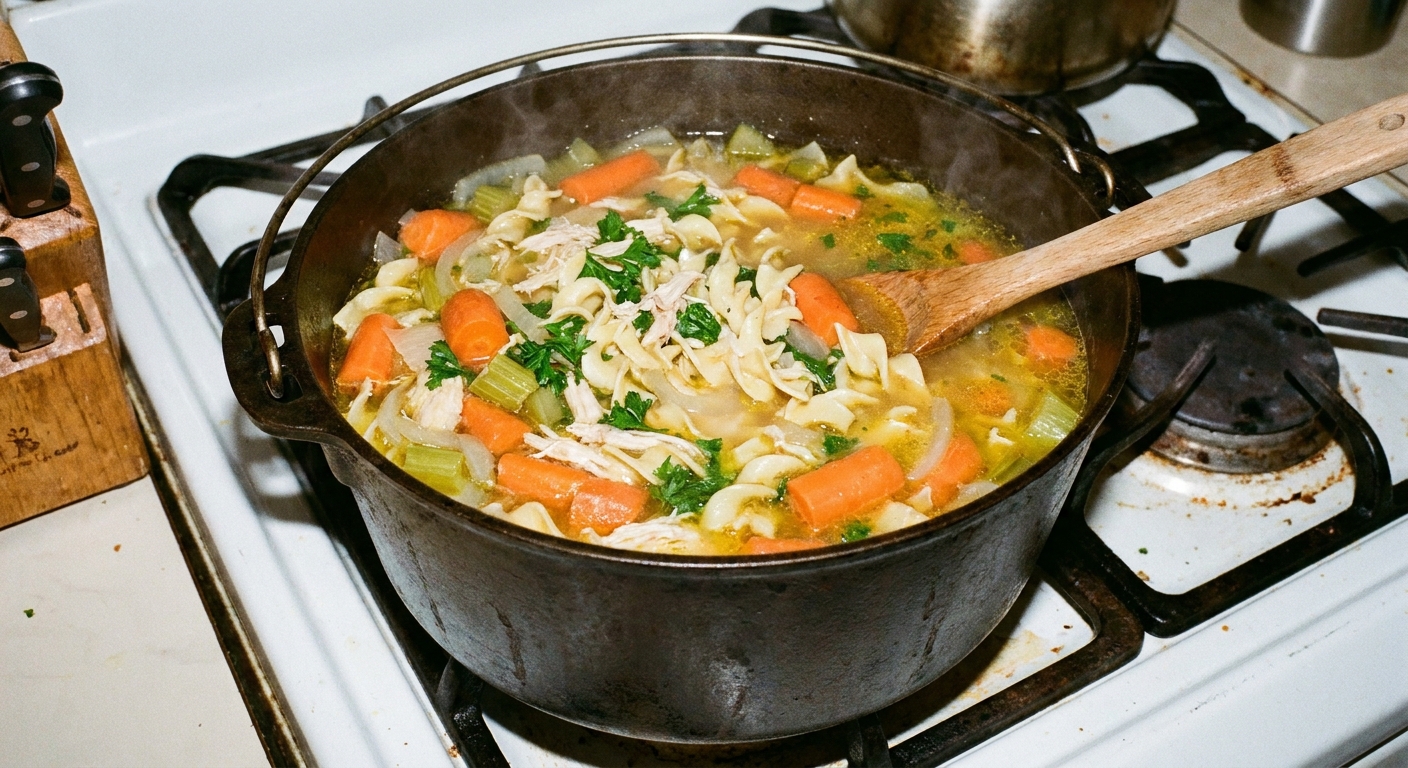
Pour in 6 to 8 cups of your strained broth (start with 6 cups for a heartier soup, add more for brothier). Bring to a gentle simmer and cook 15 to 20 minutes, until the carrots are tender.
Stir in the shredded chicken and simmer 2 to 3 minutes, just to warm it through. Turn off the heat and stir in parsley and a squeeze of lemon juice if you like.
6) Cook the egg noodles (two options)
Option A: Serving right away
Cook the egg noodles directly in the soup for 6 to 8 minutes (or according to package directions) until just tender. Keep in mind the noodles will keep softening as the soup sits, so do not overcook them.
Option B: Making ahead (my favorite for leftovers)
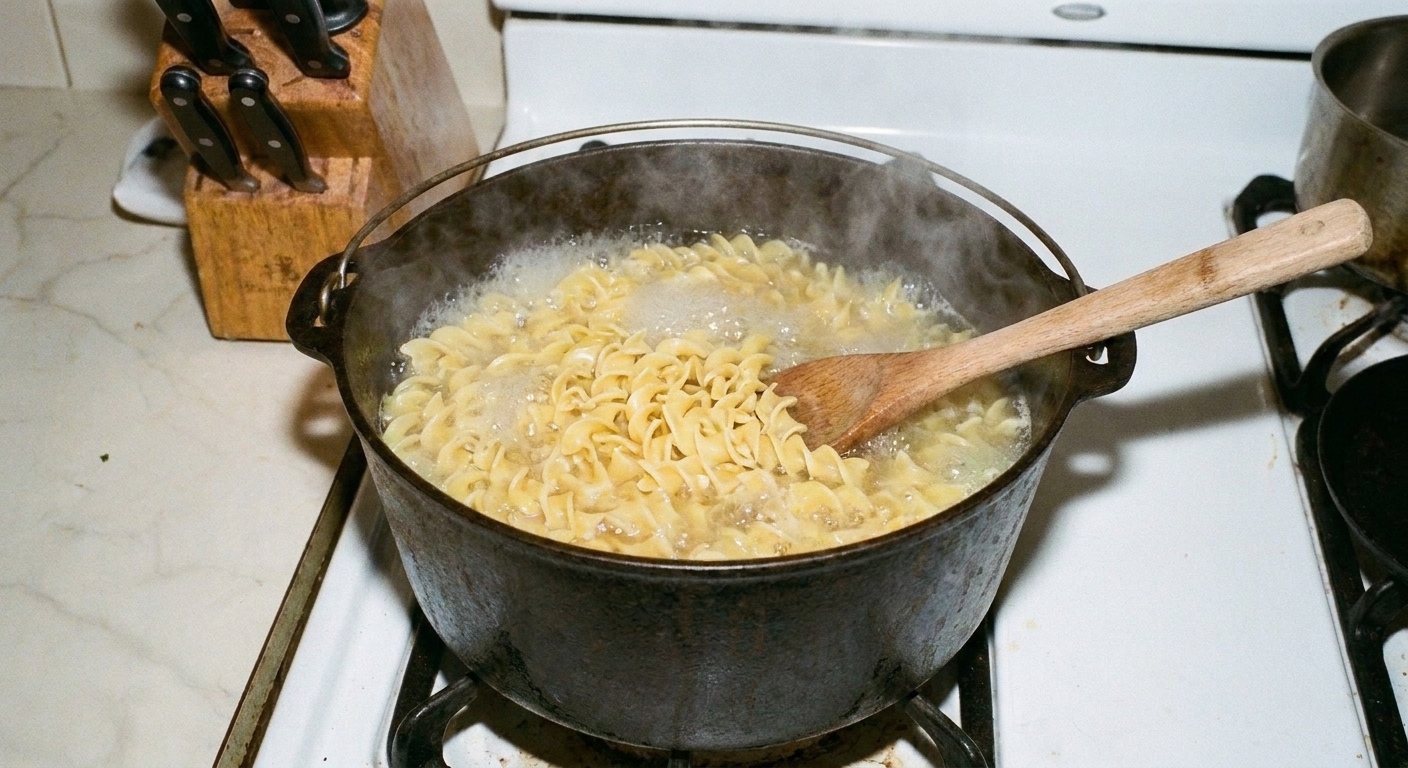
Cook the egg noodles in a separate pot of salted water, drain, and toss with a tiny drizzle of oil. Store noodles separately and add to each bowl before ladling in hot soup. This keeps the noodles springy, not bloated, even on day three.
My best broth tips
- Start with cold water: It gives the chicken and aromatics time to warm up gradually, which helps with a fuller tasting broth and a cleaner simmer.
- Keep it at a gentle simmer: A rolling boil can make broth cloudy and chicken tough.
- Salt lightly early, season fully at the end: Broth reduces a bit, so finishing salt gives you more control.
- Skim foam if you notice it: It is optional, but it makes a cleaner-tasting broth.
- Want extra richness? After straining, chill the broth and remove some (not all) of the fat cap, then use it to saute the soup vegetables instead of oil or butter.
Substitutions and easy upgrades
No whole chicken?
You can absolutely use bone-in pieces. Use about 4 to 5 pounds total, like a mix of thighs, drumsticks, and bone-in breasts. The simmer time is similar, and you can pull breast pieces earlier if they hit temperature first.
Herbs
Bay leaf is my must-have. If you have thyme, add 2 to 3 sprigs to the broth and remove when straining.
Veggie add-ins
- Frozen peas: stir in at the very end, 1 to 2 minutes
- Baby spinach: stir in off heat until wilted
- Extra celery leaves: chop and sprinkle over bowls
Make-ahead and storage
How to cool the pot safely
For food safety and best texture, cool soup quickly before refrigerating:
- Remove the pot from heat.
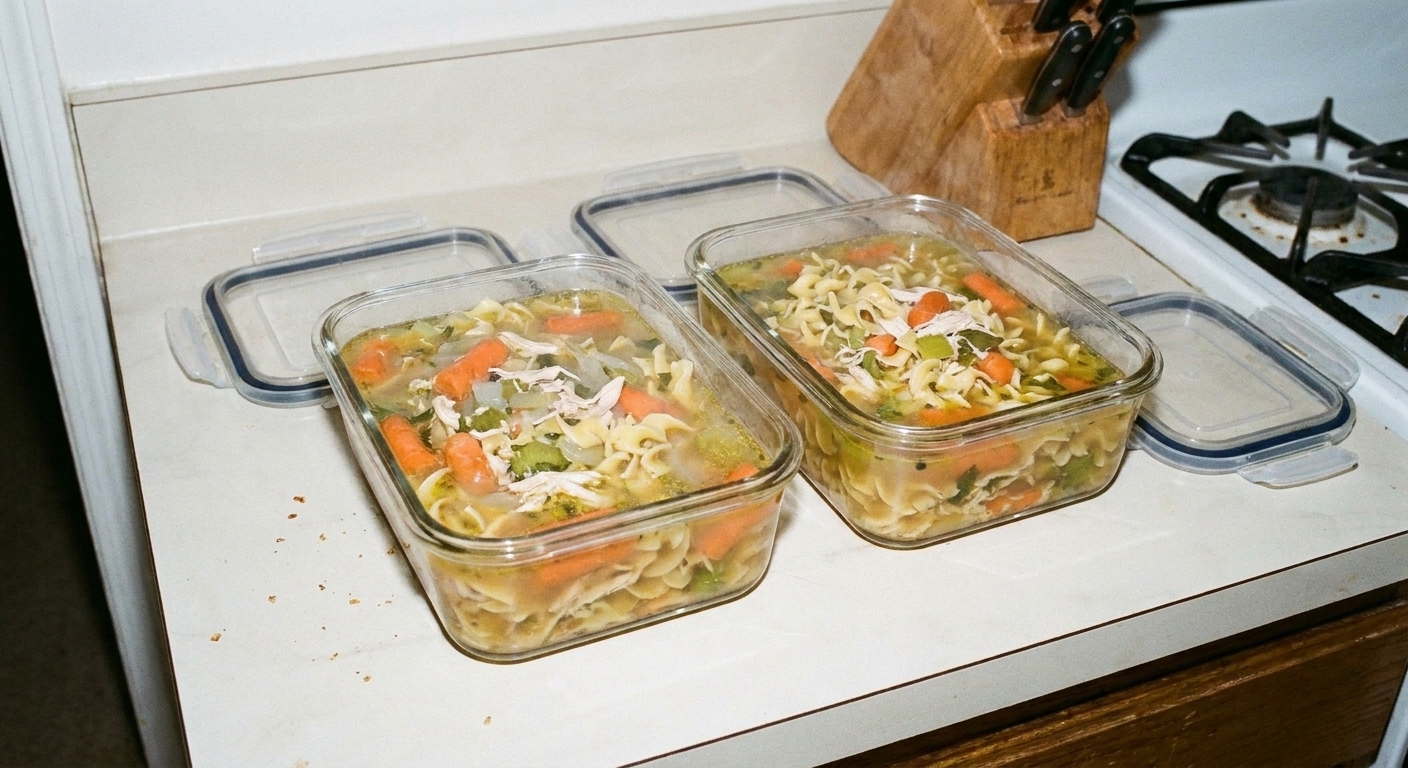
- If possible, transfer soup to shallow containers so it cools faster.
- You can also set the pot in a sink or large basin of ice water and stir occasionally to speed cooling.
- Refrigerate once it is no longer steaming hot and has cooled down significantly (ideally within 2 hours).
Fridge storage
Store in airtight containers for up to 4 days. If you cooked noodles in the soup, expect them to soften as they sit. If you stored noodles separately, the soup stays much closer to day one.
Freezer storage
Chicken noodle soup freezes best without noodles. Freeze the broth, veggies, and chicken for up to 3 months. Thaw in the fridge overnight, reheat, and cook fresh noodles separately (or in the soup) before serving.
Reheating
Reheat gently on the stove over medium-low until simmering, then serve. If the soup thickens in the fridge, add a splash of broth or water to loosen it. Taste and re-season with salt and pepper, and add a little lemon juice to wake it back up.
Quick troubleshooting
My chicken turned out dry
The simmer was likely too hot or too long. Next time, keep it at a gentle simmer and start checking at 45 minutes. Pull breast meat when it hits about 160°F and let it rest so it coasts to 165°F, then let the broth keep going without the meat.
My broth tastes bland
Usually it just needs salt. Add it gradually, tasting as you go. A small squeeze of lemon at the end also helps. If you have time, simmer the strained broth a bit longer to concentrate flavor.
My noodles soaked up all the broth
Totally normal. For make-ahead, cook noodles separately and add per bowl.
Serving ideas
- Warm bread or simple buttered toast
- A basic green salad with a tangy vinaigrette
- Extra black pepper and chopped parsley at the table