12 reliable, family-approved meals around $15. Quick steps, smart swaps, and pantry-friendly ingredients to get dinner on the table fast.
Recipe Homely
October 17, 2026
Last updated October 17, 2026
Yukon Gold vs. Russet for Mashed Potatoes

Sarah Jenkins
Sarah Jenkins is a passionate home cook and the voice behind Recipe Homely, dedicated to making everyday meals stress-free and delicious. With over a decade of experience feeding a busy family, she specializes in rigorously tested, approachable recipes for dinners, desserts, and everything in between. When she isn't developing new dishes, Sarah can be found browsing local farmers' markets or baking with her two children.
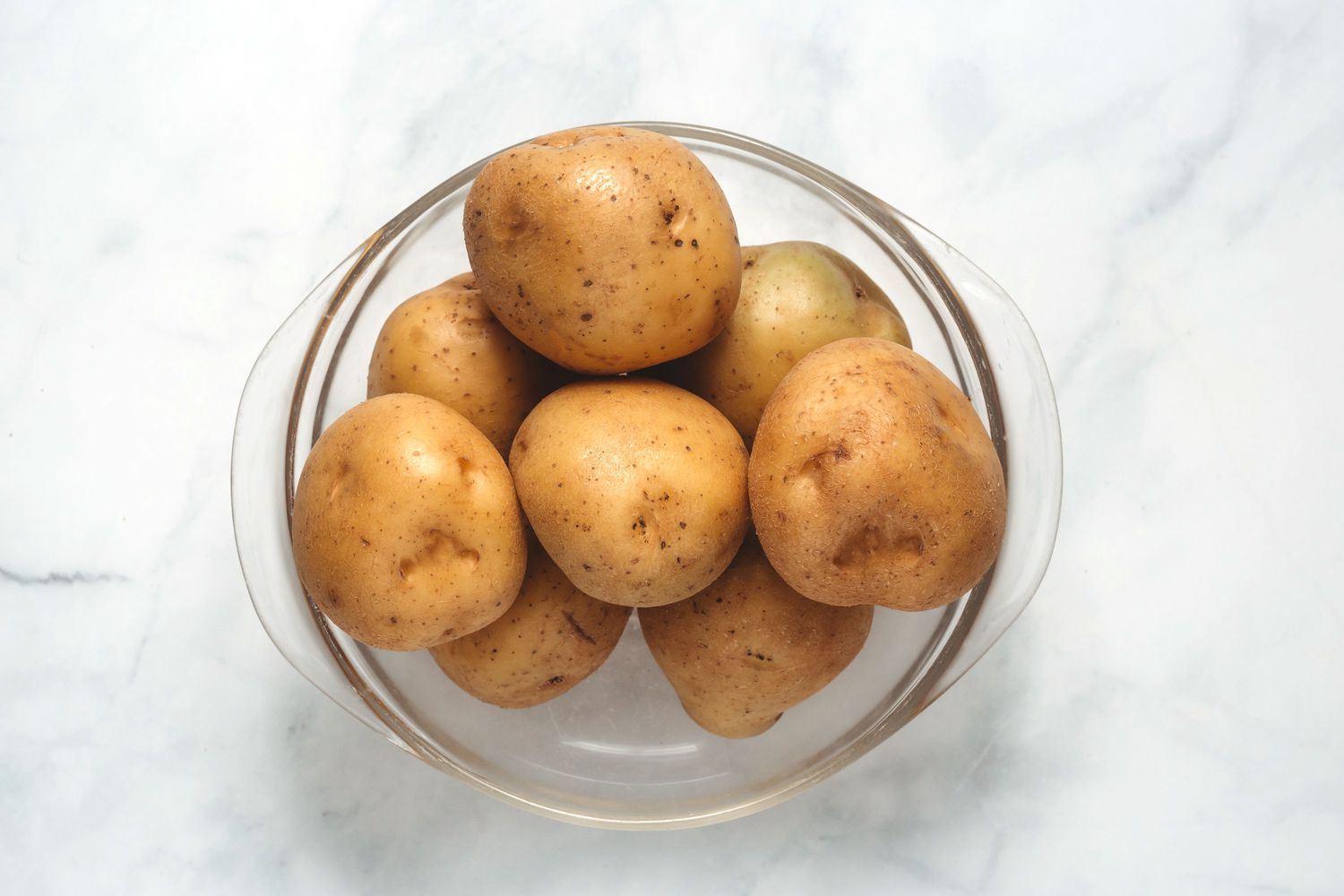
If you have ever followed a mashed potato recipe that looked perfect online but turned out watery, gluey, or weirdly bland at home, it often comes down to a mix of two things: the potato and the way you handle it. Yukon Gold and Russet potatoes both make great mash, but they behave very differently once they hit simmering water and a masher.
I have made mashed potatoes more times than I can count for weeknights, holidays, and the nights when my kids suddenly decide they do not like “chunky” anything. Here is exactly how I choose between Yukon Gold vs. Russet, and how to get either fluffy restaurant-style mash or ultra-creamy, buttery mash without stress.
The quick answer
- Choose Russets when you want fluffy, airy, classic steakhouse mashed potatoes and do not mind peeling.
- Choose Yukon Golds when you want naturally creamy, rich mashed potatoes with a more buttery flavor and slightly denser body.
- Want the best of both? Use a 50-50 mix for mash that is creamy and light.
Why they mash differently
Potatoes are mostly water and starch, and that balance is what nudges your mash toward fluffy or creamy.
Russet potatoes
Russets are the classic baking potato. They are high-starch and tend to break down easily once cooked. That is exactly what you want for light and fluffy mashed potatoes.
- Best texture: fluffy, airy
- Big risk: overworking can turn them gluey (high starch releases more easily)
- Best tools: potato ricer or hand masher
Yukon Gold potatoes
Yukon Golds are a yellow-fleshed potato with a naturally rich flavor. They are medium starch, so they mash smooth and creamy with less effort, but they usually will not get as cloud-like as Russets.
- Best texture: creamy, velvety, slightly dense in the best way
- Big perk: more forgiving if you mash a bit longer
- Best tools: hand masher or ricer for ultra-smooth
Pick the texture you want
For fluffy mash
Go with Russets. They steam-dry nicely after draining, which helps them absorb butter and warm milk without turning soupy. If someone in your house loves those tall, airy scoops of mash, Russets are the move.
For creamy mash
Go with Yukon Golds. They have that naturally creamy mouthfeel even with less dairy, which is handy on weeknights when you are measuring with your heart and trying to get dinner on the table fast.
For creamy and fluffy
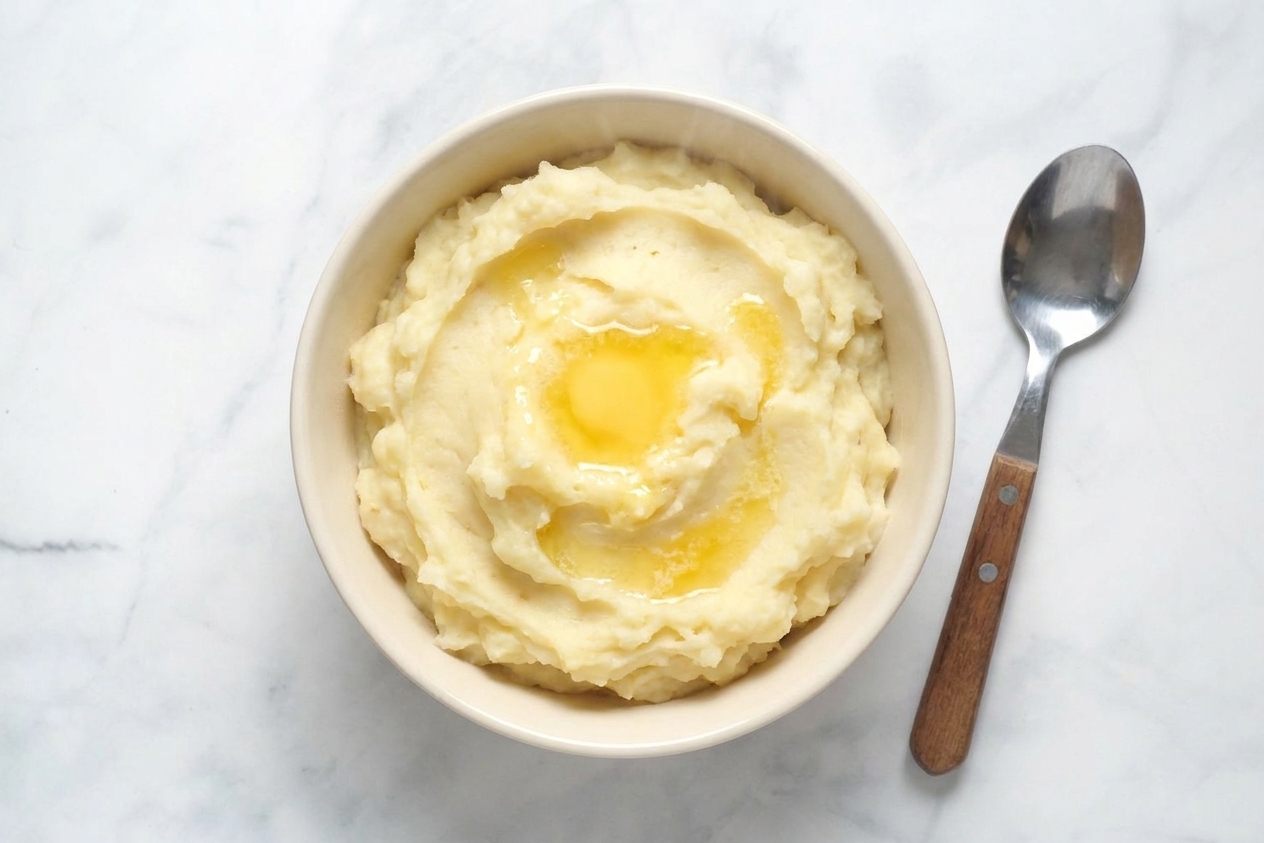
Use a blend. I do equal parts Yukon Gold and Russet by weight. The Russets bring lift, the Golds bring richness, and everyone at the table thinks you did something fancy.
Tips that always work
These are the little details that make a bigger difference than an extra tablespoon of butter. They apply to both Yukon Golds and Russets.
1) Start in cold water
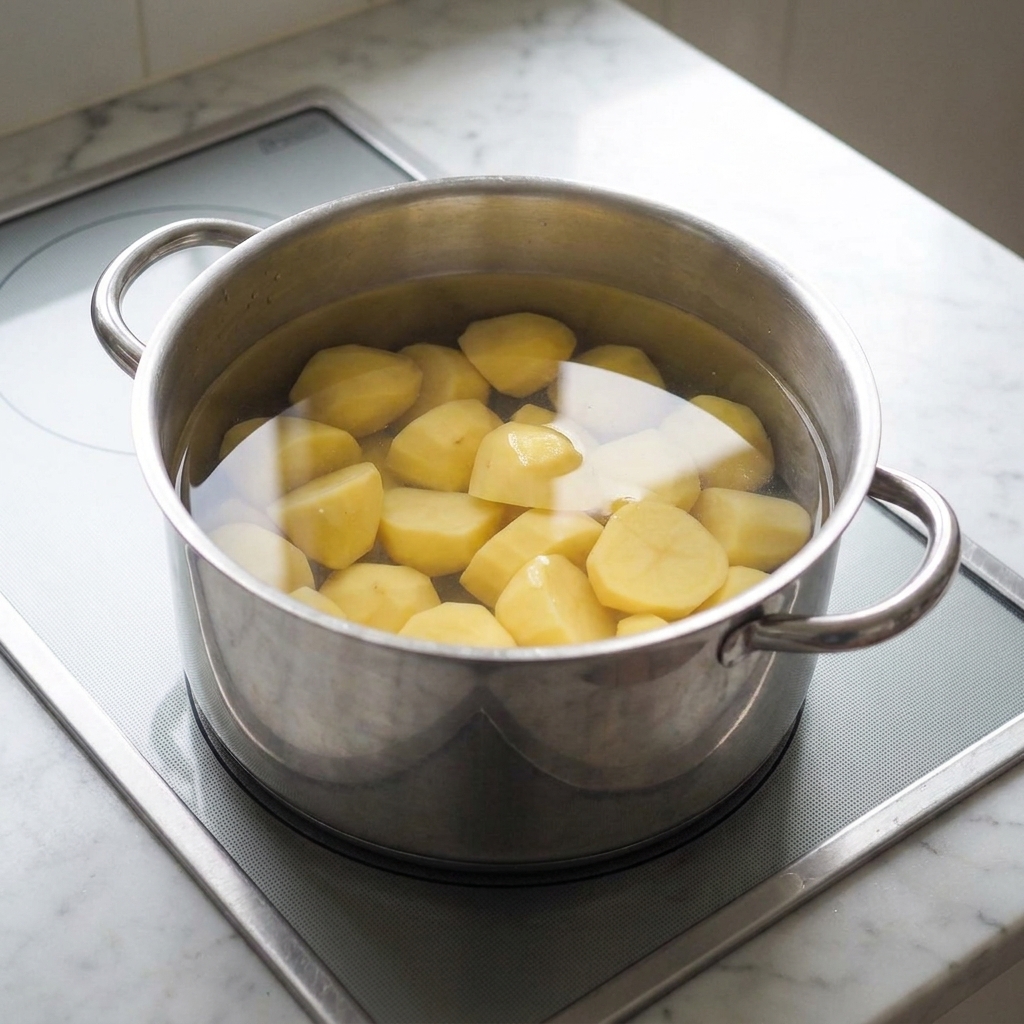
Put cut potatoes in a pot and cover with cold water, then bring up to a simmer. Starting cold helps them cook evenly so you do not end up with overcooked edges and undercooked centers.
2) Salt the water
Potatoes need seasoning early. If the water tastes pleasantly salty, your potatoes will taste like something even before butter and cream show up.
3) Keep it at a gentle simmer
A hard boil bounces potatoes around and can leave you with broken, waterlogged edges. Aim for a gentle simmer until fork-tender.
4) Know what “fork-tender” means
You should be able to slide a fork or paring knife in with almost no resistance, and the chunk should look cooked all the way through, not glassy in the center. With 1 1/2 to 2-inch chunks, that is typically 12 to 20 minutes once simmering, depending on the potato and your stove.
5) Steam-dry after draining
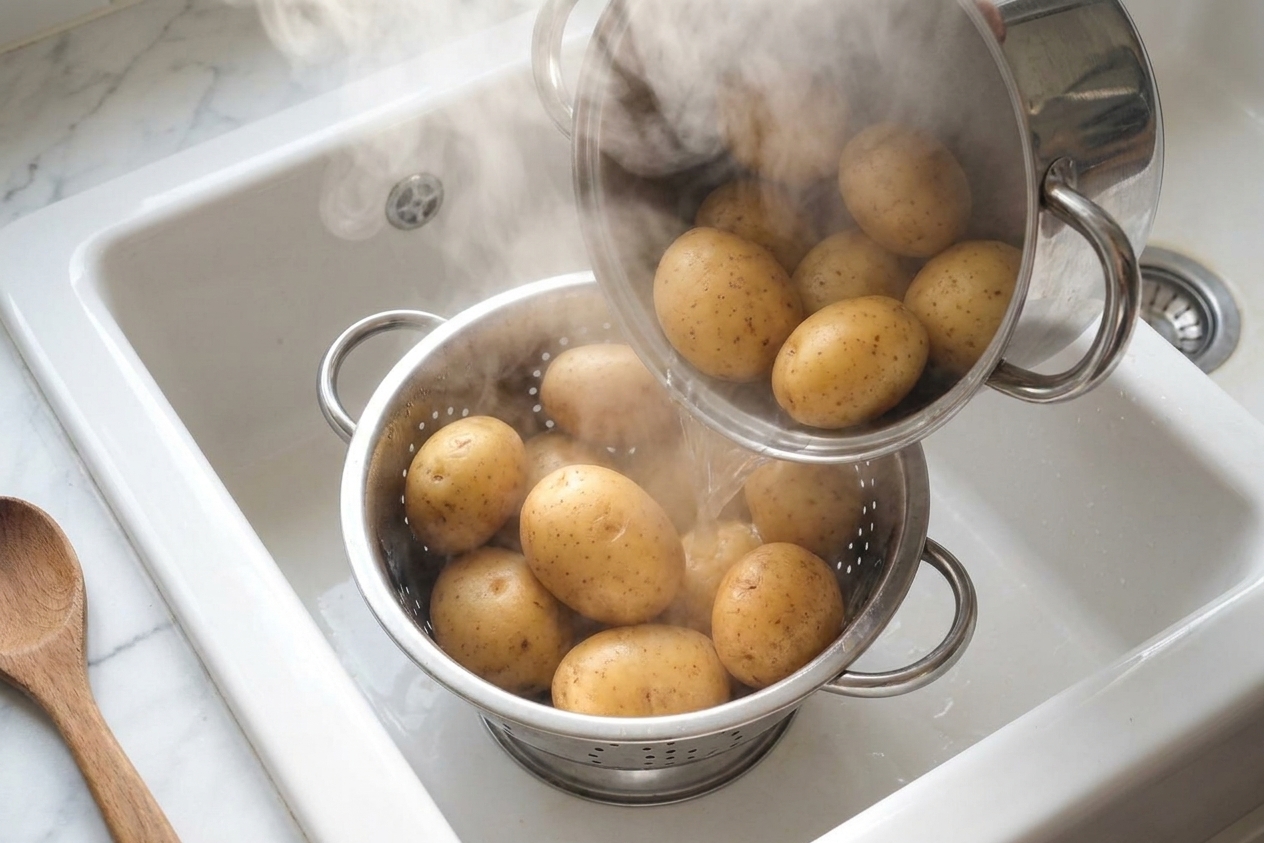
This is my not-skipping step. Drain, then return the potatoes to the hot pot for 1 to 2 minutes, shaking occasionally. You are evaporating excess moisture so your mash stays thick and flavorful.
6) Warm the dairy
Cold milk can cool everything down fast and make the texture uneven. Warm your milk or cream (even 30 seconds in the microwave works) and melt your butter so it blends in smoothly.
7) Add butter first, then milk gradually
I like to mash the potatoes, then stir in butter first so it coats the starch. After that, pour in warm milk or cream a little at a time until you hit your sweet spot. It is easier to add than to fix “oops, I made potato soup.”
A simple butter and milk range
If you like having a starting point: for 2 pounds of potatoes, I usually land around 4 to 8 tablespoons butter and 1/2 to 1 cup warm milk or cream, depending on how rich I want them and whether I am using Yukon Golds, Russets, or a mix.
How to avoid gluey mash
Gluey potatoes happen when the starch gets over-activated, usually from too much mixing or aggressive tools.
- Do not use a blender or food processor for mashed potatoes. They shred potato cells fast and turn mash into paste.
- Be careful with hand mixers. If you use one, keep it on low and stop as soon as it is smooth. For Russets especially, a hand masher or ricer is safer.
- Mash while hot, mix gently. Hot potatoes mash easier, which means less working the starch.
Best tools, in my real-life kitchen
- Potato ricer: smooth and fluffy with minimal mixing after
- Food mill: another great option for smooth mash, and it is hard to overwork
- Hand masher: easiest and most forgiving, a little rustic (in a good way)
- Hand mixer: convenient, but watch closely to avoid gumminess

How I prep each potato
Russets: peel them
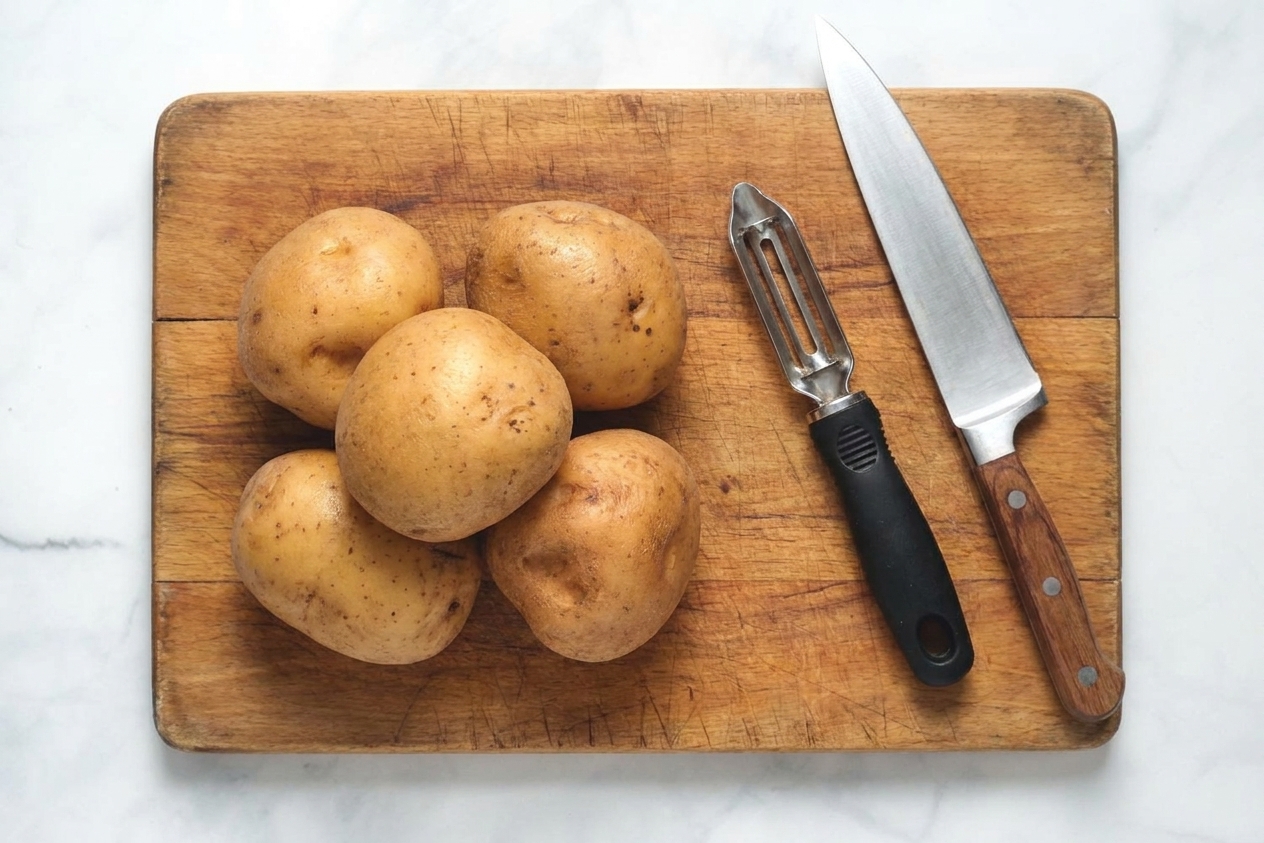
Russet skins are thicker and can feel papery in mash. I peel Russets almost every time for mashed potatoes, especially if I want a smooth texture.
Yukon Golds: peeling is optional
Yukon Gold skins are thinner. For a more rustic mash, you can leave some or all of the peel on, especially if the potatoes are small and the skins look nice. For holiday-style silky mash, I still peel them.
Cut size matters
Cut potatoes into even chunks, about 1 1/2 to 2 inches. Tiny pieces cook faster and can tip into mush before you know it, while huge pieces cook unevenly. Even chunks are your best friend.
If you prep ahead
Peeled potatoes can darken as they sit (especially Russets). If you are peeling early, keep the chunks submerged in cold water and cook within a few hours.
Choosing for your meal
When I am planning dinner, I think about what the mashed potatoes are doing on the plate.
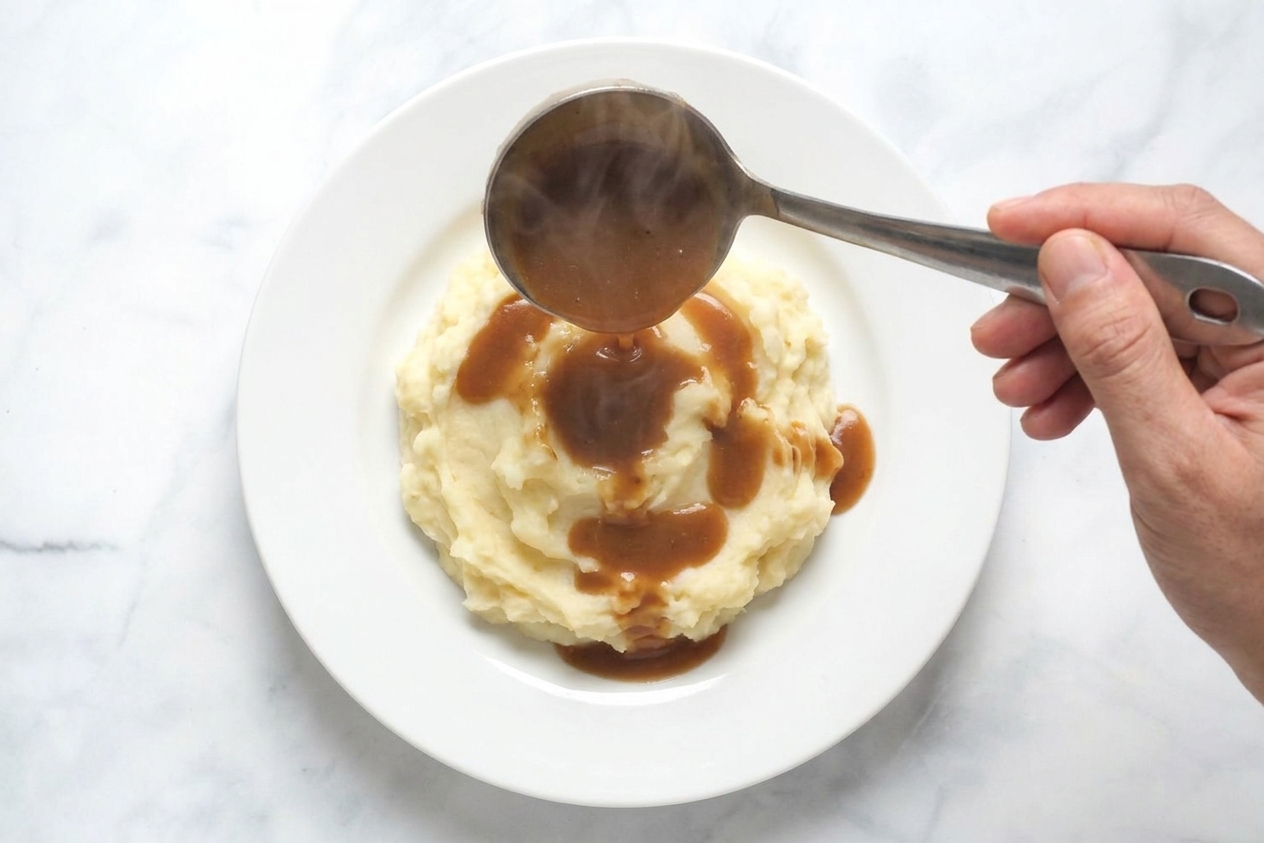
- With gravy, pot roast, or saucy dishes: Russets hold a fluffy structure that soaks up gravy like a dream.
- With simple roasted chicken or fish: Yukon Golds bring flavor and creaminess even with lighter seasoning.
- For holidays: A Yukon Gold and Russet mix keeps everyone happy, including the “no lumps” crowd.
FAQ
Can I use Yukon Golds for fluffy mashed potatoes?
You can, but they will be creamy-fluffy, not ultra airy. To nudge them lighter, use a ricer and do not add too much dairy at once.
Can I use Russets for creamy mashed potatoes?
Yes. Use plenty of butter, warm cream, and a ricer for a smoother texture. Just avoid overmixing.
Which potato tastes more buttery?
Yukon Golds. Their yellow flesh has a naturally rich, buttery flavor that comes through even before you add dairy.
Why did my mashed potatoes turn watery?
Common causes are: overcooking, boiling too hard (so the edges break down), not steam-drying after draining, or adding milk before the potatoes are fully mashed. Next time, dry them in the hot pot for a minute and add warm dairy gradually.
Should I soak potatoes before boiling for mash?
For mashed potatoes, I usually do not soak. Soaking or rinsing can remove surface starch, which can make the mash a little lighter and less cohesive. It can also help some people avoid gumminess. For my taste, I prefer the fuller-bodied texture you get without soaking, then I focus on gentle simmering and not overmixing.
Are red potatoes good for mashed potatoes?
They can be, especially if you like a more rustic, slightly chunky mash, but they are waxier and usually will not get as fluffy as Russets. If your goal is light and airy, stick with Russets or a Russet and Yukon Gold blend.
My go-to choice
If I am making mashed potatoes on a regular Tuesday night, I reach for Yukon Golds because they are forgiving and come out creamy fast. If I am doing a big dinner where I want that fluffy, classic mashed potato look and texture, I go Russet or a half-and-half blend.
No matter which potato you choose, remember the two rules that save mashed potatoes every time: steam-dry the potatoes after draining, and do not overmix. You can do this.