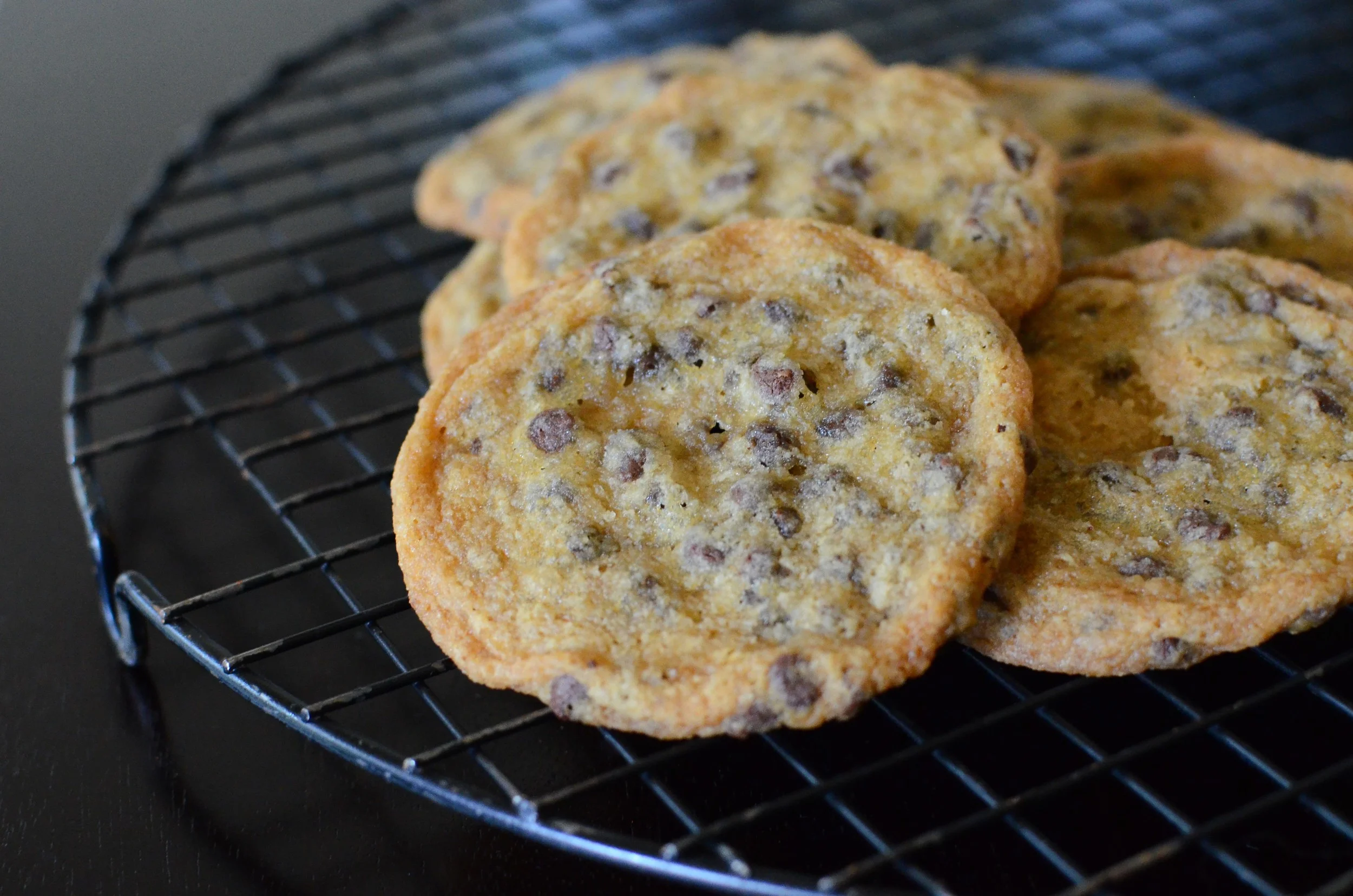
A home-tested guide to thick, chewy chocolate chip cookies with the right ratios, chill ranges, and baking tricks to keep spreading in check and lock in bake...
Recipe Homely
October 17, 2026
Last updated October 17, 2026
The 5 Essential Baking Pans Every Home Cook Actually Needs

Sarah Jenkins
Sarah Jenkins is a passionate home cook and the voice behind Recipe Homely, dedicated to making everyday meals stress-free and delicious. With over a decade of experience feeding a busy family, she specializes in rigorously tested, approachable recipes for dinners, desserts, and everything in between. When she isn't developing new dishes, Sarah can be found browsing local farmers' markets or baking with her two children.
If your cabinets are stuffed with “specialty” pans you never reach for, you are in very good company. I used to buy a pan for every mood and holiday. Then I became a working mom with a hard 6 PM dinner deadline and exactly zero interest in hunting for the right pan while the butter softened on the counter.
The truth is: you can bake almost everything you want with a small, dependable set. These are the five baking pans I consider truly essential for a normal home kitchen. They are the ones I use week after week because they are versatile, easy to store, and they consistently give reliable results.
Before you buy: my quick pan rules
- Buy sturdy, not trendy. A heavier pan bakes more evenly and warps less.
- Pick standard sizes. Recipes are usually written for common pan dimensions, and that saves you a lot of guesswork.
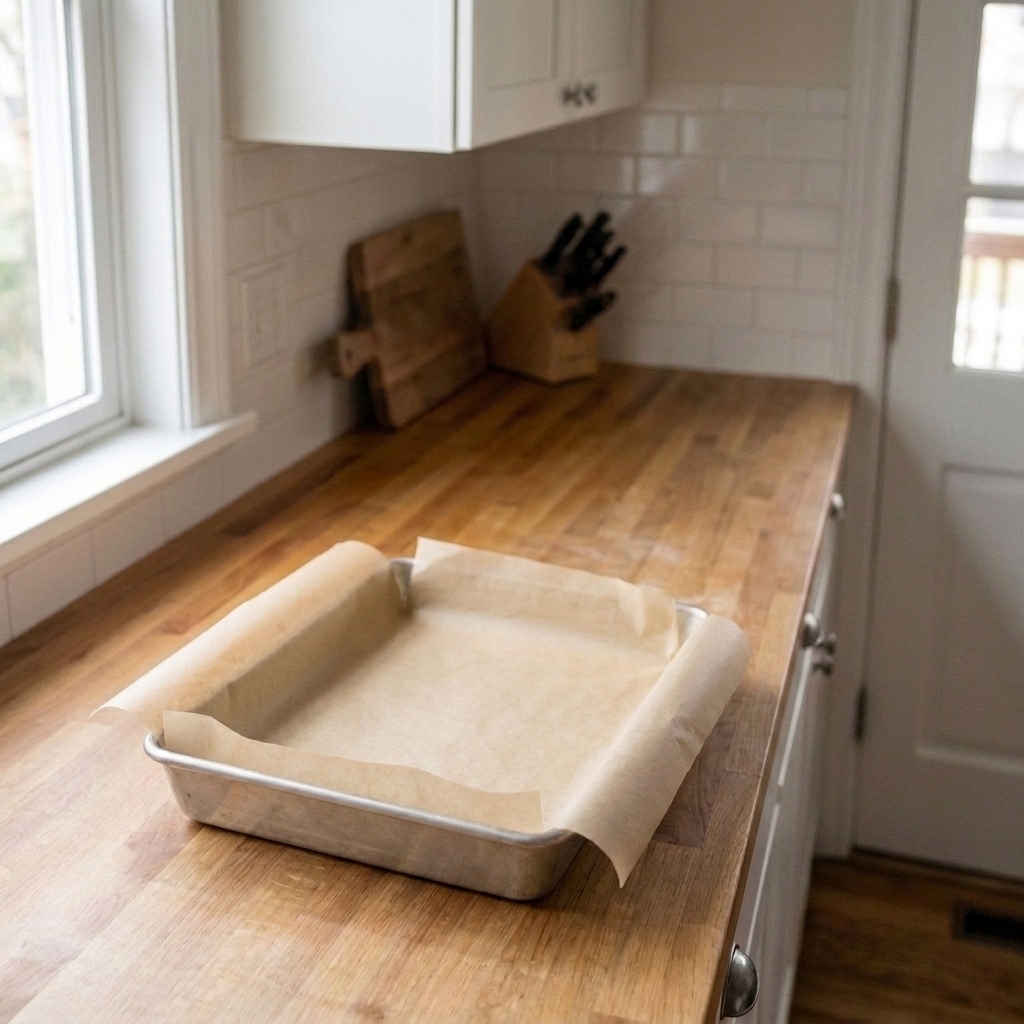
- Line when you can. Parchment paper and reusable liners make cleanup fast and protect your bake from over-browning.
- One good pan beats three flimsy ones. If you can only upgrade one piece this year, start with what you bake most.
My material preference: for most pans, I reach for light-colored aluminum or aluminized steel. Dark pans can brown faster, which is great if you know your oven well, but they can surprise beginners.
Two sidekicks I use constantly: parchment paper and a simple cooling rack. Parchment keeps things from sticking and makes cleanup fast. A rack keeps cookies crisp, helps cakes cool evenly, and gets bars to set without steaming in the pan.
1) Rimmed baking sheet (half sheet)
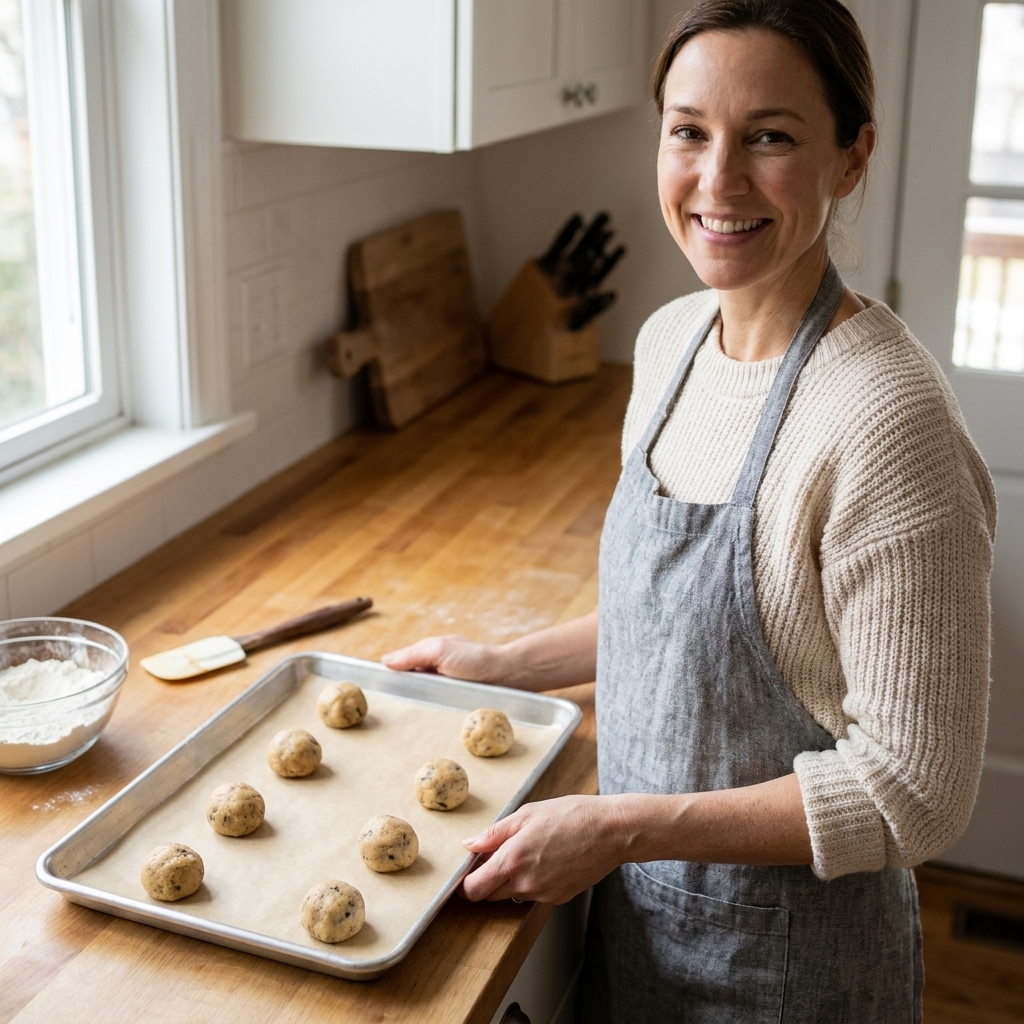
If I could keep only one baking pan, it would be a rimmed baking sheet. Yes, it is for cookies, but it is also for sheet pan desserts, granola, toasting nuts, roasting fruit, and catching drips under a pie.
Best size to buy
Half sheet: about 18 x 13 inches. It fits most ovens and most recipes are built around it.
What you can bake with it
- Chocolate chip cookies, shortbread, sugar cookies
- Sheet-pan bar cookies (thin layer), then cut into squares
- Slab pie or galette-style fruit desserts
- Homemade granola and toasted coconut
- Roasted strawberries or peaches for easy toppings
My practical tips
- Line with parchment. Your cookies release better and you can reuse the pan right away.
- Use the rim. That edge is what keeps butter, fruit juices, or caramel from running onto your oven floor.
- Buy two if you bake often. One for sweet, one for savory is my sanity saver.
2) 9 x 13-inch baking pan
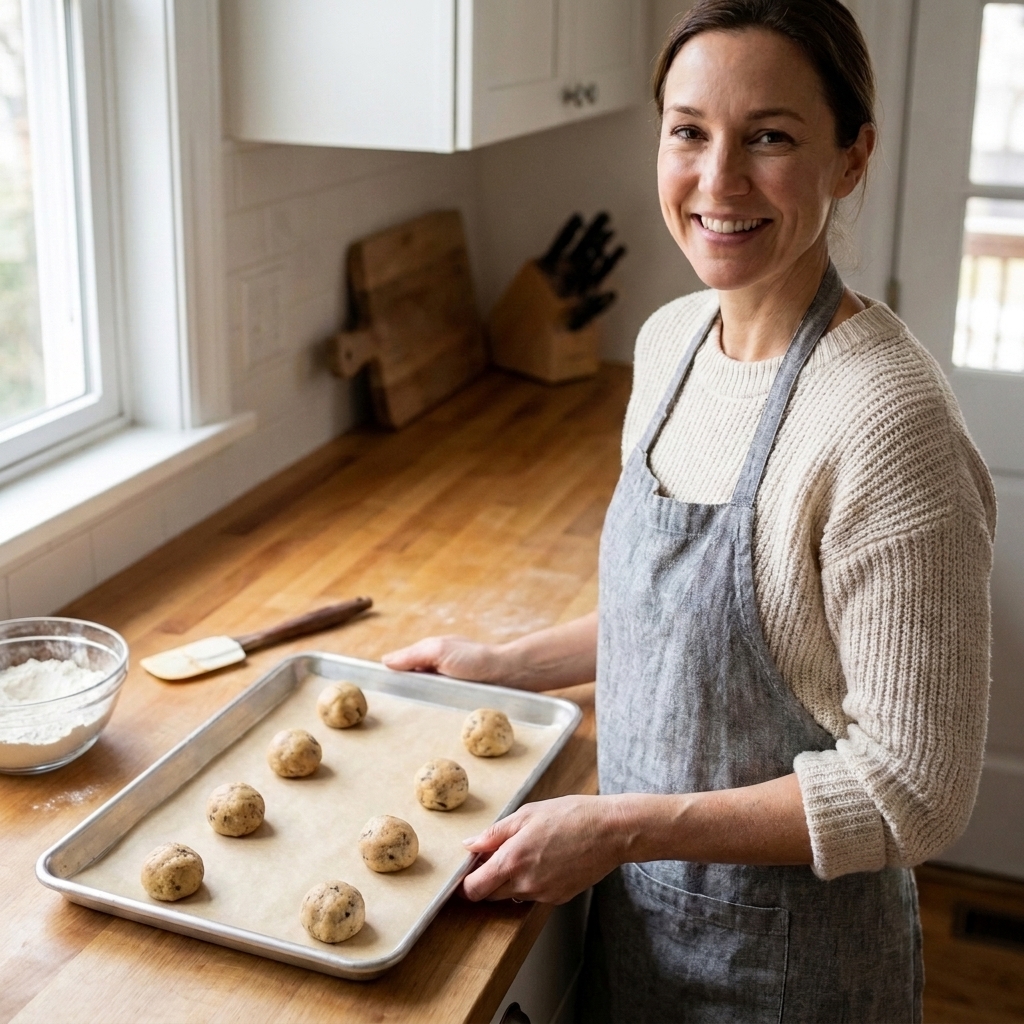
This is the family pan for a reason. A 9 x 13 is the easiest way to make a dessert that feeds people without extra fuss, which is exactly what most of us need on a random Tuesday.
Best size to buy
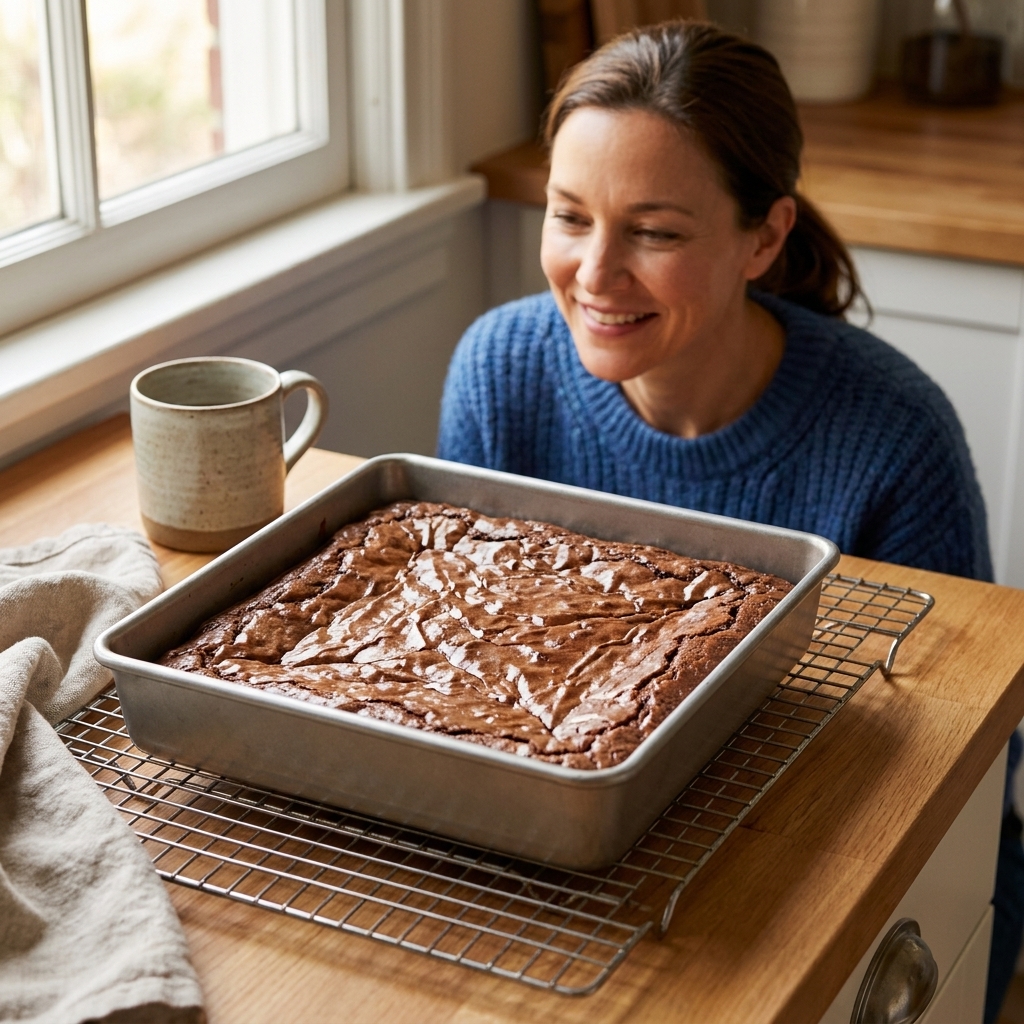
9 x 13 inches (classic). Depth around 2 inches is ideal for brownies and cake bars.
Material choices
- Metal: bakes evenly and edges brown nicely. Great for brownies and bars.
- Glass: convenient for seeing browning, but it holds heat longer. A common rule is to lower the oven temperature by about 25°F when baking in glass, unless the recipe says otherwise.
- Ceramic: pretty for serving, slower to heat. Great for cobblers and bread pudding.
What you can bake with it
- Brownies, blondies, cookie bars
- Snack cakes and poke cakes
- Crisps, cobblers, bread pudding
- Hot fudge pudding cake or baked French toast (dessert for breakfast counts)
My practical tips
- Check your corners early. If your oven runs hot, the corners are the first to overbake.
- Use foil “handles” for bars. Lining with a foil sling makes lifting and slicing cleaner.
3) 8 x 8-inch square pan
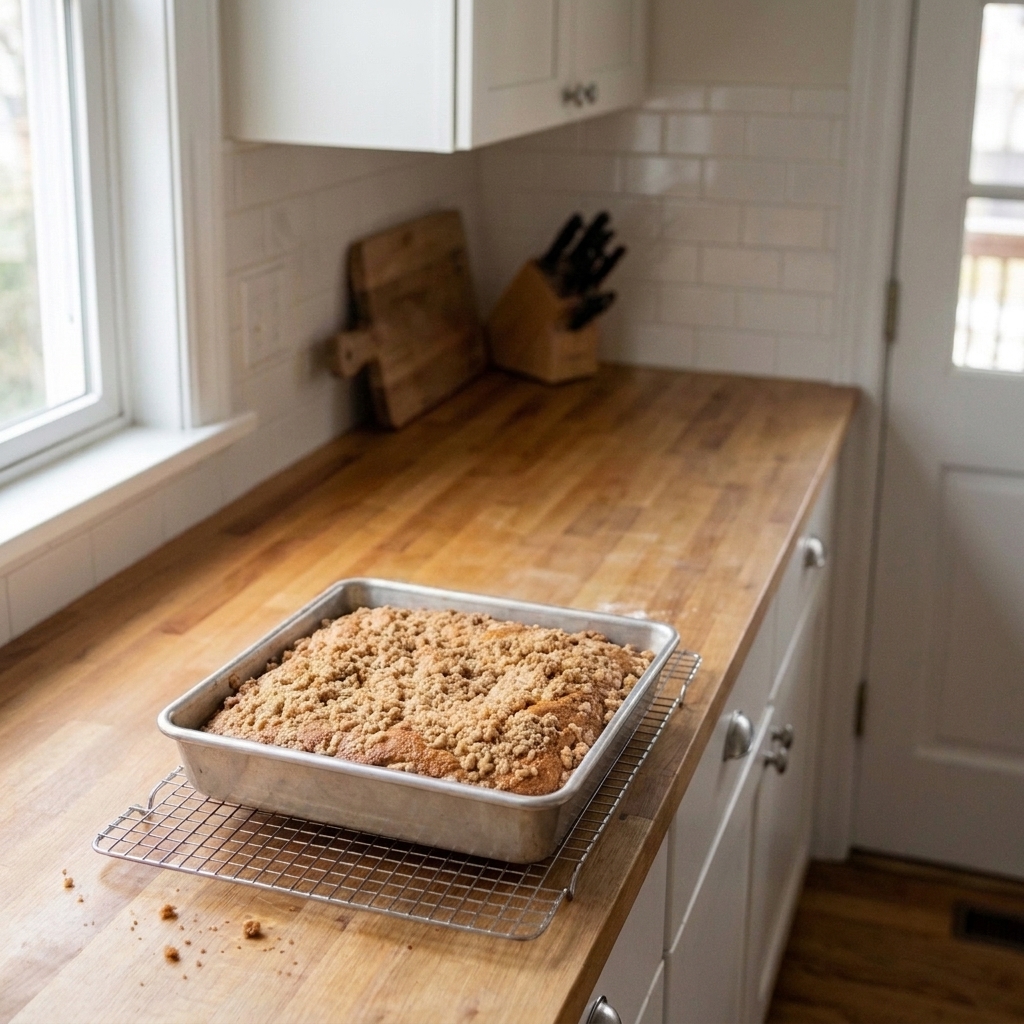
The square pan is the small-batch hero. When you want brownies but do not want a full 9 x 13 tray tempting you for three days straight, this is the pan you will be glad you own.
Best size to buy
8 x 8 inches and about 2 inches deep.
What you can bake with it
- Small-batch brownies and blondies
- Coffee cake or crumb cake for a cozy weekend
- Single-layer snack cake with simple frosting
- Fruit crumble for a smaller crowd
Smart substitutions
If a recipe is written for an 8 x 8 and you only have a 9-inch round, that usually works in a pinch because the volume is similar. Try to use a round pan with a similar depth, and expect the baking time to vary more than you might think, so start checking early.
4) Two 9-inch round cake pans
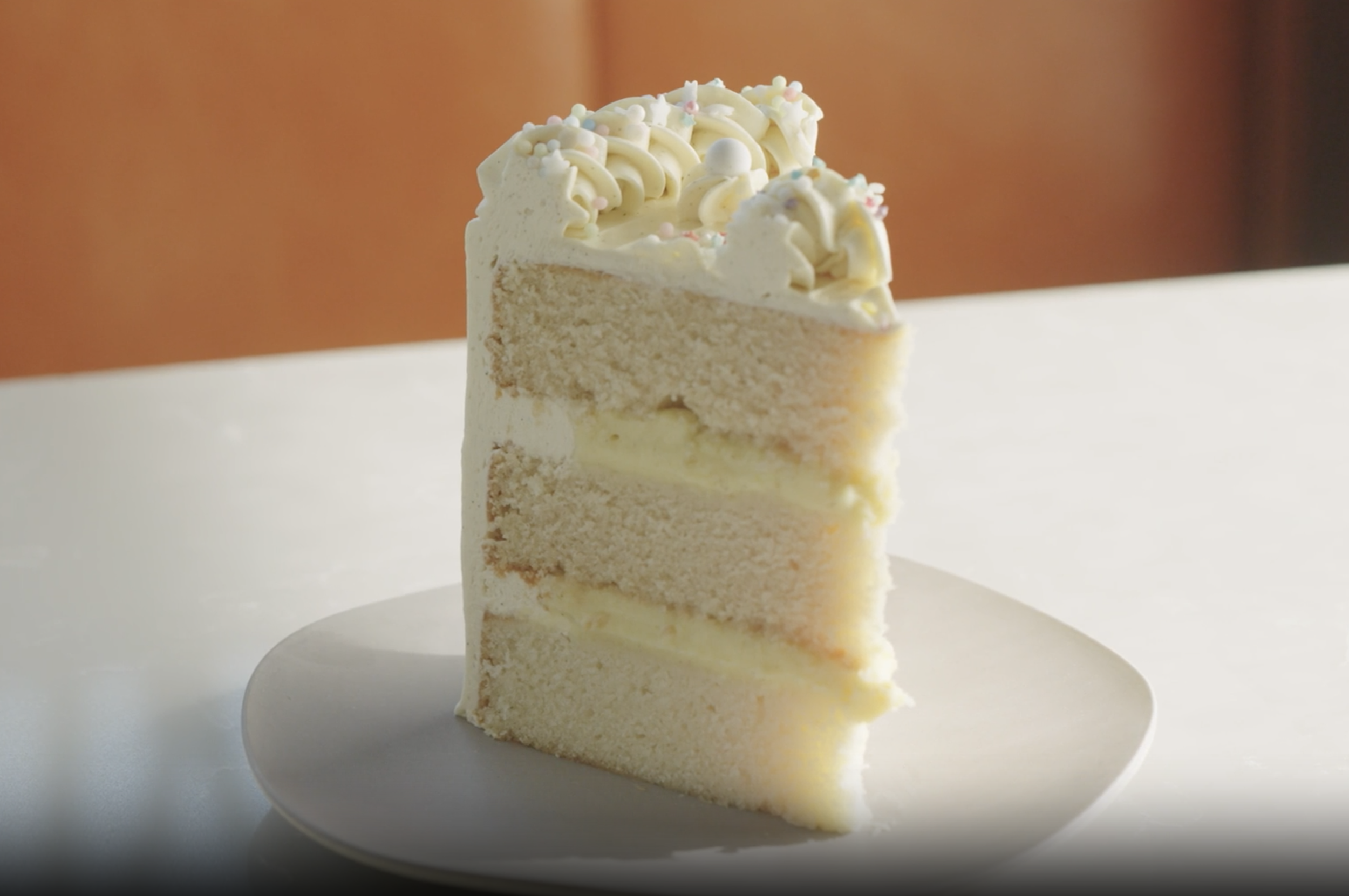
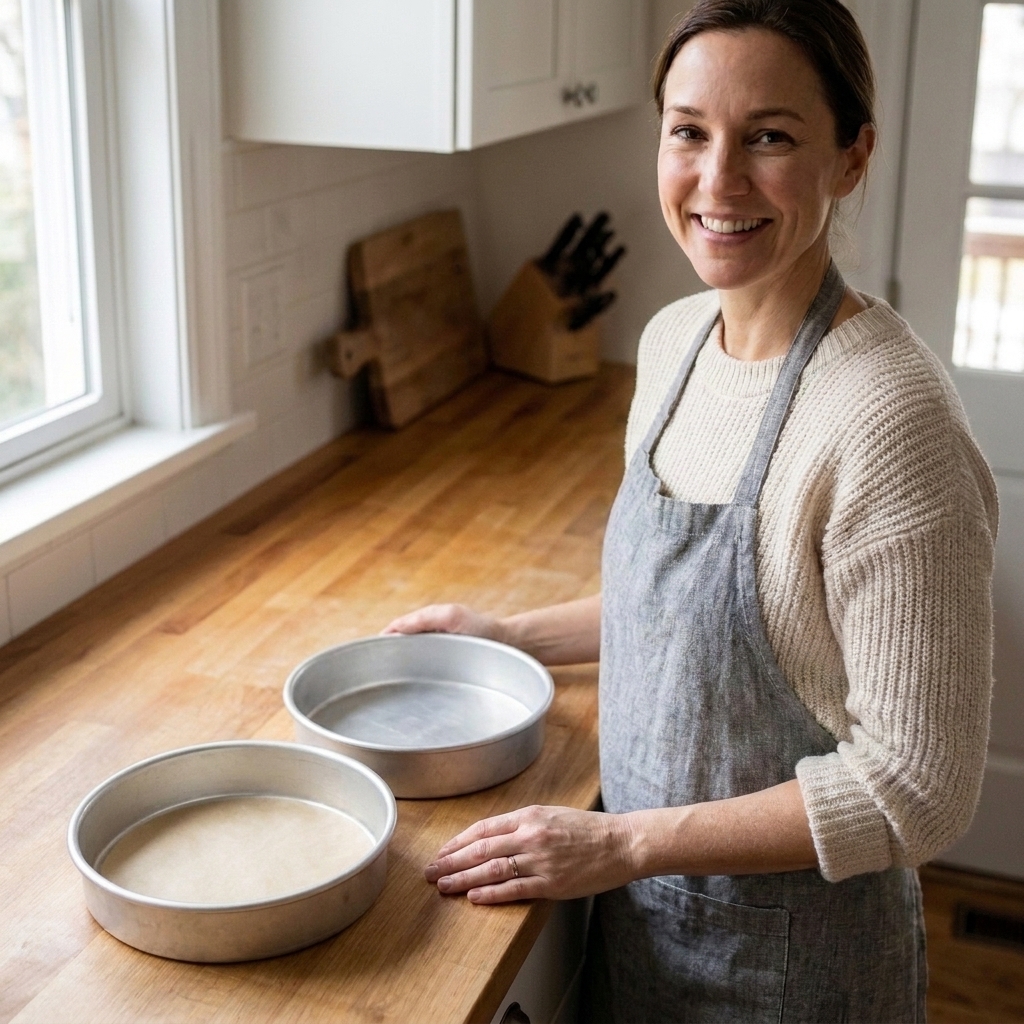
I know cake pans feel “special occasion,” but two simple 9-inch rounds open up so many everyday wins: birthday cakes, layer cakes, upside-down cakes, and even giant cookies. Plus, having two matching pans means your layers bake evenly and finish at the same time.
Best size to buy
Two 9-inch round pans, ideally 2 inches deep.
What you can bake with them
- Classic layer cakes (vanilla, chocolate, funfetti)
- Strawberry shortcake-style layer cakes
- Upside-down cakes (pineapple, peach, apple)
- Cookie cake, skillet-cookie style without the skillet
My practical tips
- Use parchment circles. A parchment round on the bottom is the difference between “perfect release” and “why is half my cake stuck.”
- Weigh your batter. If you have a kitchen scale, split the batter by weight for even layers.
- Cool completely before frosting. Warm cake plus buttercream equals sliding layers. Ask me how I know.
5) Loaf pan (9 x 5-inch)
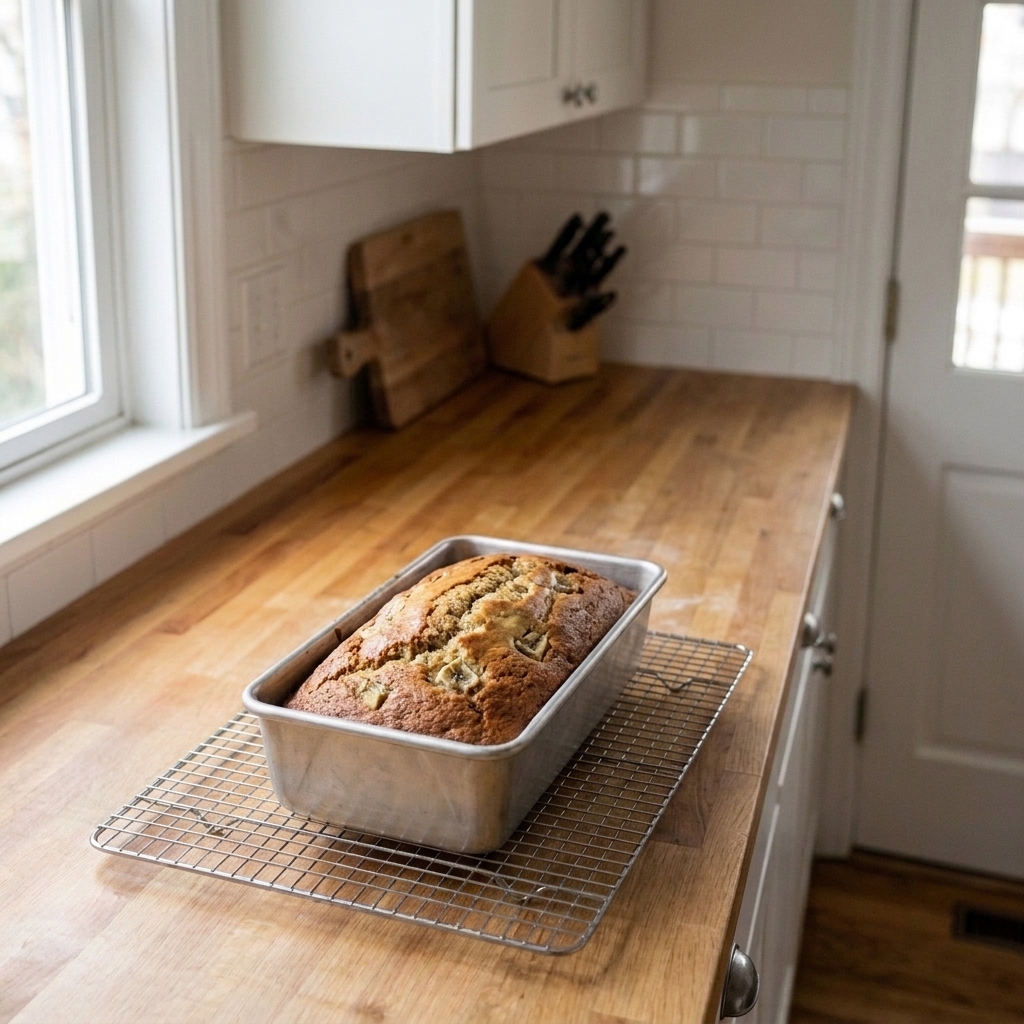
A loaf pan is not just for banana bread. It is for quick breads, pound cake, and those cozy little “something sweet with coffee” bakes that make a regular day feel special. It also stores easily, which matters in a real-life kitchen.
Best size to buy
9 x 5 inches is the most common. If a recipe calls for 8.5 x 4.5, you can usually still use a 9 x 5, but it has a bit more surface area, so it may bake a little faster and end up slightly lower.
What you can bake with it
- Banana bread, zucchini bread, pumpkin bread
- Lemon loaf and pound cake
- Marble loaf cake
- No-fuss snack cakes you can slice and pack
My practical tips
- Tent with foil if needed. If the top is browning too quickly but the center is not done, loosely cover with foil.
- Let it cool before slicing. Quick breads finish setting as they cool, and your slices will look cleaner.
What I skip (until you bake a lot)
These pans can be wonderful, but they are not essential for most home cooks. I would only add them once you know you will use them regularly.
- Standard muffin tin: I love muffins, but I do not consider this a first-five essential because you can bake most muffin batters in an 8 x 8 or a 9 x 13 (as squares) when you just need something easy. If you make muffins or cupcakes often, this is my first “next” pan.
- Springform pan: great for cheesecake, but you can make many creamy desserts without it.
- Bundt pan: gorgeous cakes, but it is bulky and not as versatile as rounds.
- Madeleine or specialty molds: fun, but not everyday.
- Mini muffin pan: cute, but I rarely reach for it over a standard muffin tin.
Care and storage that keeps pans usable
- Hand-wash when you can. Dishwashers can dull finishes and, over time, can contribute to warping, especially with thinner aluminum pans.
- Avoid metal knives in nonstick. If you choose nonstick, treat it gently so it lasts longer.
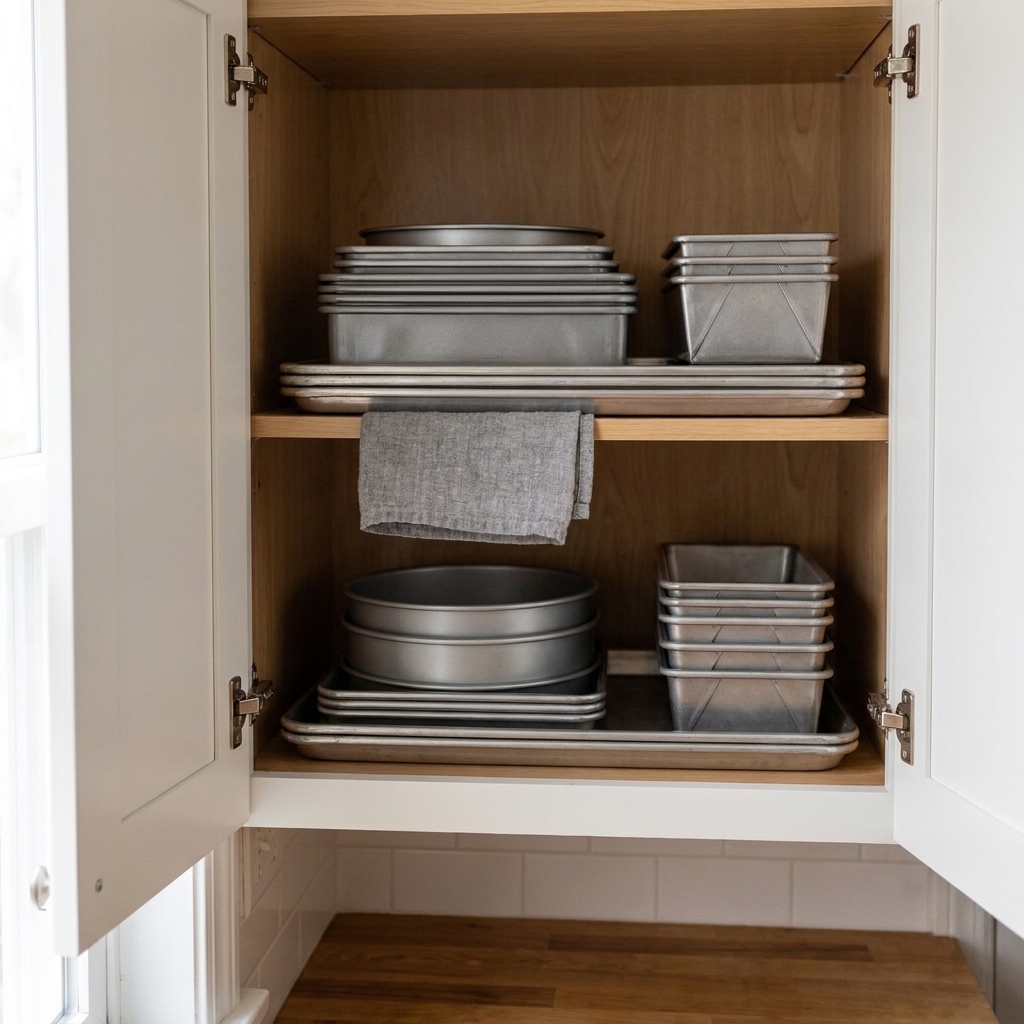
- Stack with a buffer. A paper towel or thin silicone mat between pans prevents scratches.
- Do not soak aluminum for hours. A warm soapy wash and a soft scrubber is usually enough.
Quick FAQ
Do I need nonstick baking pans?
Not necessarily. For cakes and bars, parchment plus a light buttering is very reliable. For muffins, a good muffin tin helps, but for this list, I stick to pans that work well with lining.
Is glass or metal better for brownies?
For the classic chewy brownie with nicely set edges, I prefer metal. Glass can work, but it tends to bake a little differently because it heats slower and holds heat longer. If you switch materials, start checking early and keep an eye on the edges.
What if my sheet pan warps in the oven?
A little pop or warp can happen with thinner pans when the temperature changes fast. A sturdier, heavier-gauge half sheet is the easiest fix. Also make sure the pan is not going from a very cold spot straight into a hot oven.
If I can only buy three pans right now, which ones should I start with?
Start with the rimmed baking sheet, the 9 x 13, and the 8 x 8. You can bake cookies, bars, crisps, and plenty of everyday cakes with just those.
My bottom line
Most home baking is not about owning more stuff. It is about owning a few dependable pans that you know how to use, that fit your oven, and that you can grab without thinking. If you build your collection around these five, you will be covered for almost every cookie, bar, cake, and cozy fruit dessert your family asks for.
And if you want permission to donate the novelty heart-shaped pan you have not touched since 2017, consider it officially granted.