A home-tested guide to thick, chewy chocolate chip cookies with the right ratios, chill ranges, and baking tricks to keep spreading in check and lock in bake...
Recipe Homely
October 17, 2026
Last updated October 17, 2026
Parchment Paper vs. Silicone Baking Mats for Cookies

Sarah Jenkins
Sarah Jenkins is a passionate home cook and the voice behind Recipe Homely, dedicated to making everyday meals stress-free and delicious. With over a decade of experience feeding a busy family, she specializes in rigorously tested, approachable recipes for dinners, desserts, and everything in between. When she isn't developing new dishes, Sarah can be found browsing local farmers' markets or baking with her two children.
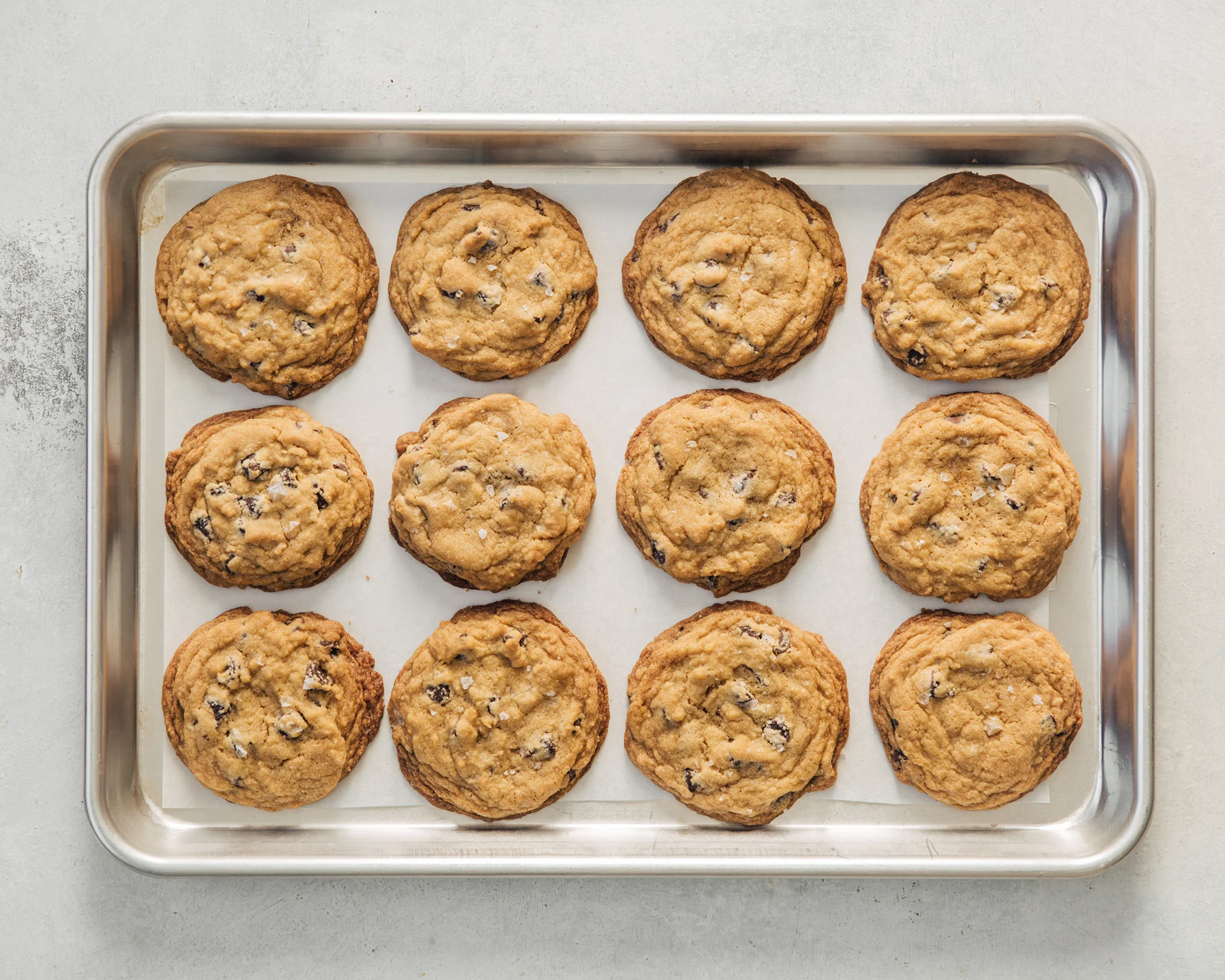
I love anything that makes cookie day more predictable. When you are trying to get a dozen cookies baked before homework starts or the baby wakes up, the last thing you need is a batch that spreads into one giant cookie puddle or comes off the tray in pieces.
Both parchment paper and silicone baking mats can help cookies release cleanly and bake more predictably. But they do not behave the same in a real home kitchen. Here is how I choose between them after lots of weeknight testing (and plenty of taste testers at my table).
The quick answer
- Choose parchment paper when you want a bit more spread, crisper edges, and easy single-use convenience (especially for sticky doughs and caramel-heavy cookies).
- Choose silicone baking mats when you want consistent shape, reliable release for delicate cookies, and a reusable option that feels steadier when you slide trays in and out.
If you are only buying one for cookies, I would start with parchment paper. It is more forgiving across a wider range of recipes, and it is easier to troubleshoot with.
How they work
Parchment paper
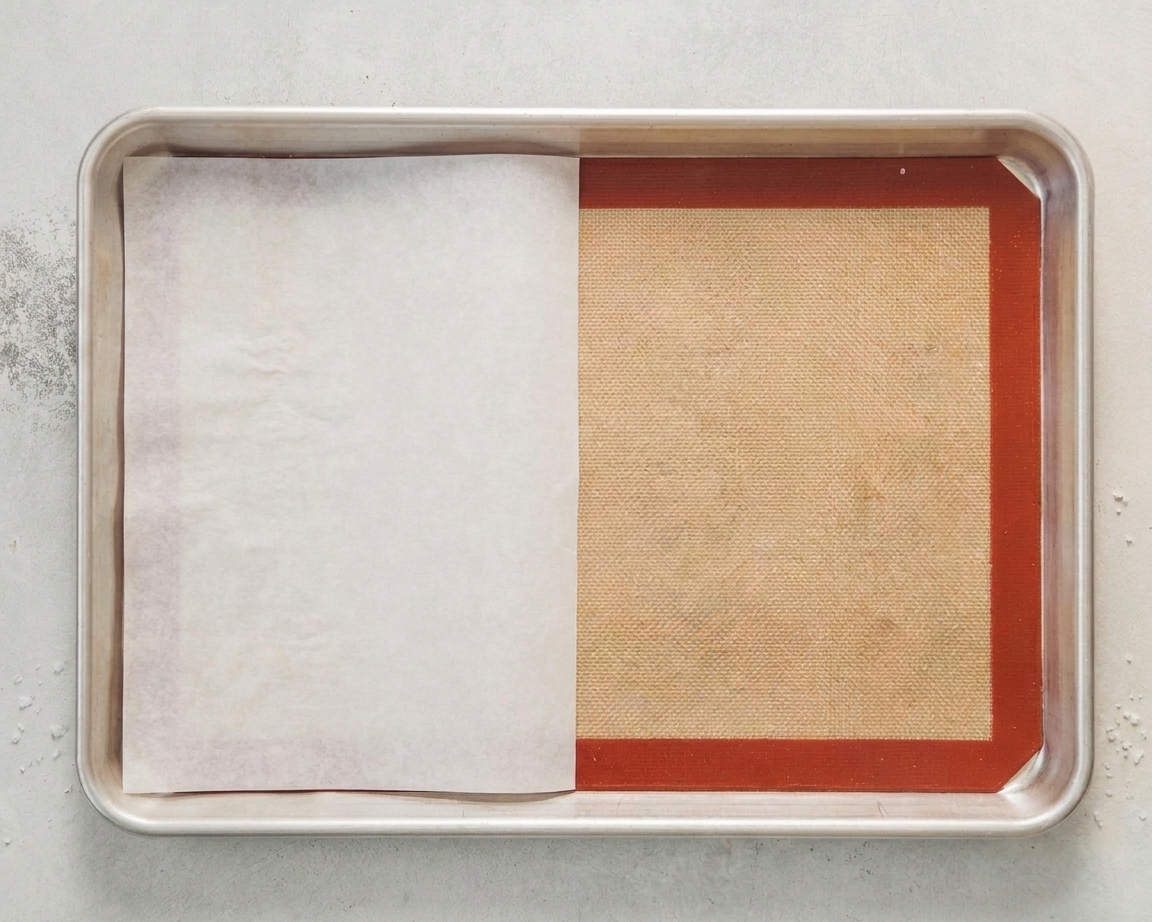
Parchment is paper treated with silicone, which makes it nonstick and heat-resistant. It sits very close to your metal sheet pan, so the dough still gets a solid hit of bottom heat from the pan. That often means a little more spread and deeper bottom color.
Silicone baking mats
Silicone mats are typically fiberglass mesh coated in silicone. They are thicker than parchment and slightly insulate the cookie bottoms. In many ovens, that means cookies can spread a touch less and brown more gently underneath.
What changes for cookies
1) Spread
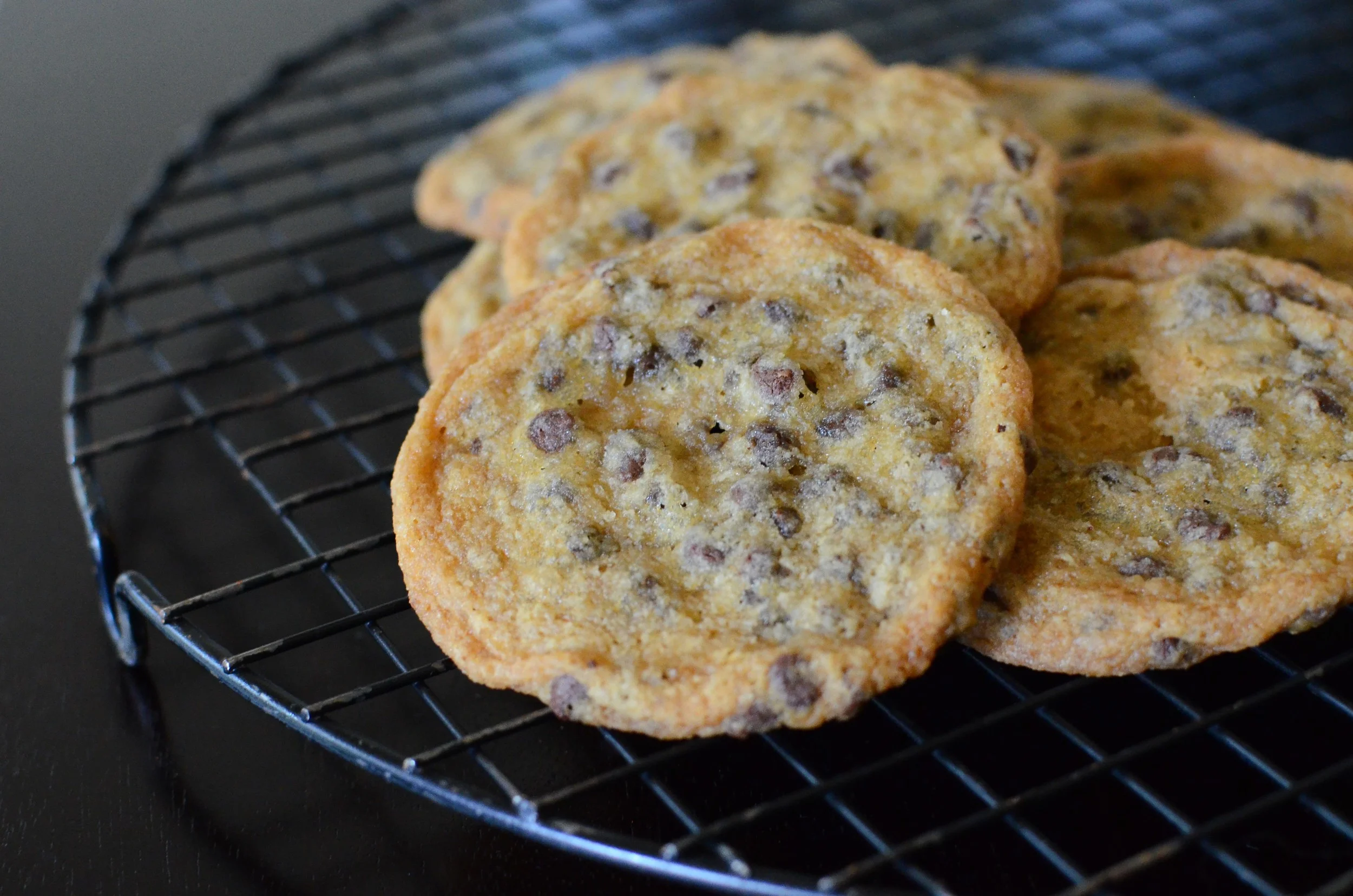
- Parchment: usually more spread. Great when you want classic, flatter cookies with crisp edges.
- Silicone mat: often slightly less spread. Helpful for cookies you want thicker or more uniform.
My tip: If your cookies already spread too much, switching from parchment to a silicone mat can help, but it will not fix warm dough or too little flour. Chill the dough first, then decide.
2) Browning and texture
- Parchment: tends to give deeper bottom color and a firmer edge set because the dough is closer to the hot pan.
- Silicone mat: can give lighter bottoms. The tops still brown, but the bottom may stay a little softer.
What I see most often: On a silicone mat, people bake longer to “get the bottoms done,” and then the cookies can dry out. If you use a mat, judge doneness by the edges setting and the centers looking slightly underdone, not by a deeply browned bottom.
3) Even baking
Liners can make release and browning more consistent, but your sheet pan and oven still do most of the heavy lifting. Think of parchment or a mat as a fine-tuning tool, not a cure-all for hot spots.
- Lightweight, dark pans brown faster.
- Warped pans bake unevenly.
- Ovens run hot or have hot corners (mine absolutely does).
Release and cleanup
Sticking
- Parchment: excellent release, but sugary overflow can still glue cookies down if caramelized sugar runs off the cookie and hardens.
- Silicone mat: often very reliable for release, especially for delicate cookies like lace cookies or thin butter cookies. Very high-sugar bakes can still leave a sticky, lacquer-like residue, even when the cookie lifts off.
Cleanup
- Parchment: simplest cleanup. Remove paper, toss, done.
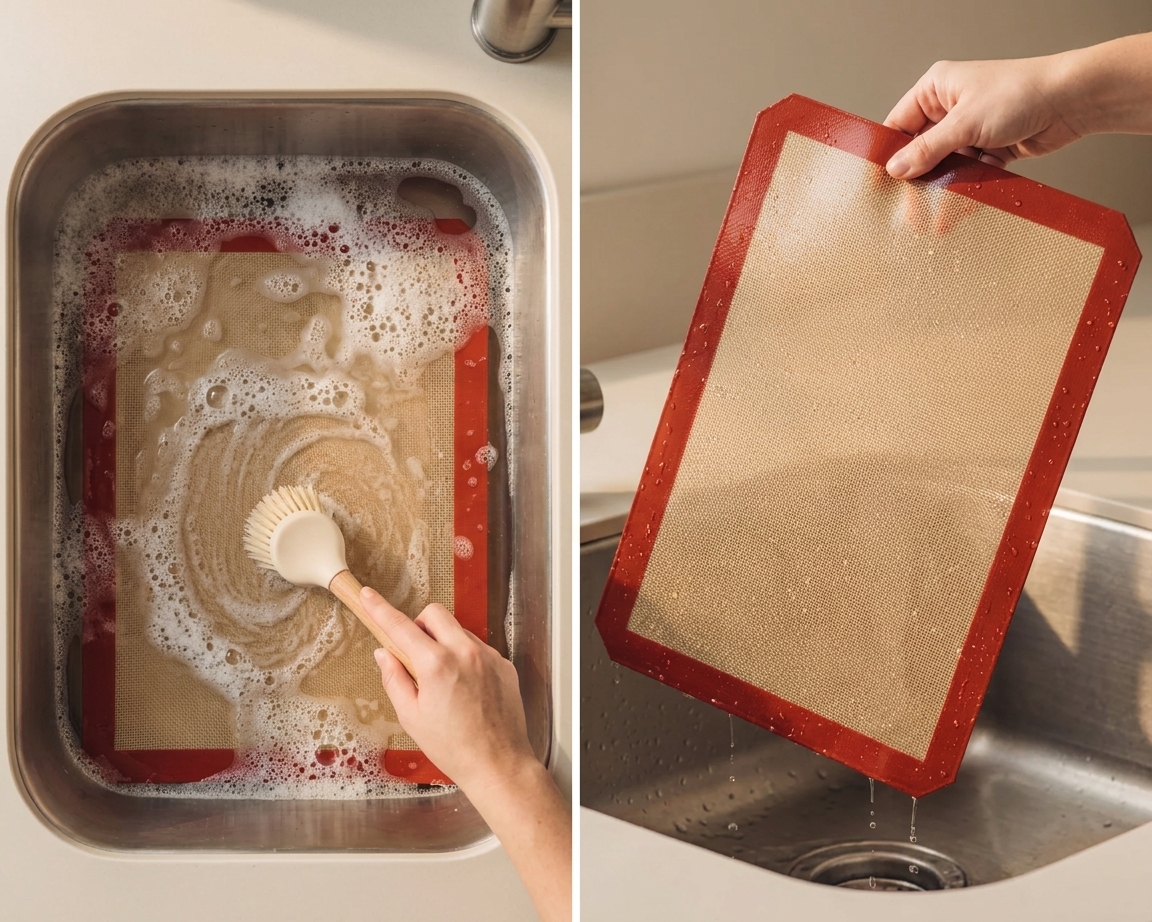
- Silicone mat: washable and reusable, but it can hold onto greasy residue. A warm, soapy wash and thorough dry makes a big difference.
Flavor and odor worries
Quality silicone mats should not make your cookies taste like anything. If you notice a soapy or plasticky smell, it is usually one of these issues:
- The mat is low quality or damaged.
- It absorbed odors from strongly scented soap or the dishwasher.
- Grease buildup that needs a better wash (warm water, dish soap, soft sponge).
For very lightly flavored cookies (like plain shortbread or sugar cookies), I personally lean parchment because it is truly neutral and never carries over any odor.
Fit and handling
Parchment paper
- Sheets vs rolls: Pre-cut parchment sheets are faster and lay flat. Rolls are cheaper, but I trim to fit so nothing overhangs.
- Trim the corners: Overhanging parchment can curl, slide, or get too close to heating elements.
- Reset between batches: For back-to-back trays, it is nice to pull off the used sheet and drop in a fresh one.
Silicone baking mats
- They can be slippery: On some pans, mats shift a bit when you scoop dough. I set the mat on the pan first, then portion dough, and I avoid tugging on the mat once it is loaded.
- Do not cut on them: Knives can nick the surface and shorten the mat’s life.
- Skip abrasive scrubbers: A soft sponge is kinder to the coating.
When parchment wins
- Chocolate chip cookies when you want classic spread and crisp edges.
- Brown butter cookies where you want confident bottom color.
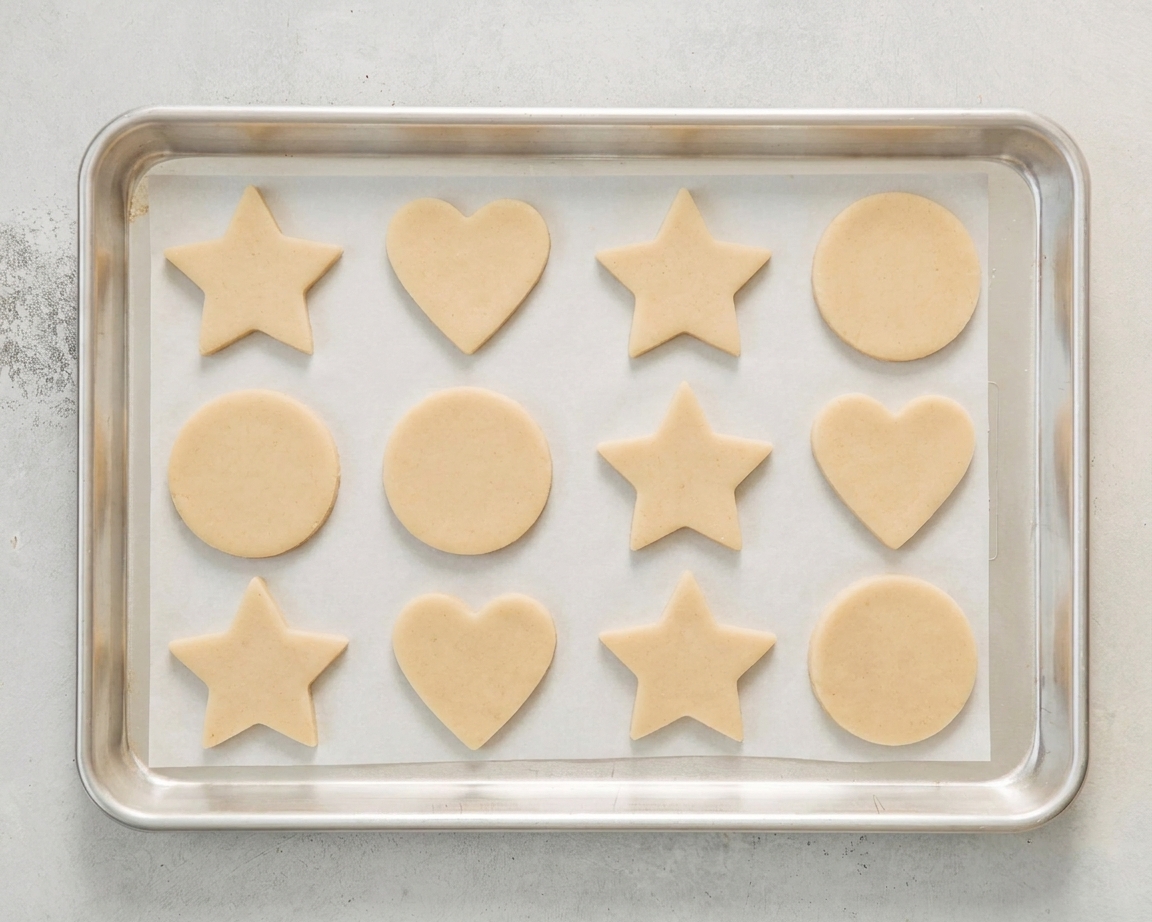
- Cut-out cookies when you are rotating trays quickly and want easy reset between batches.
- Anything very sticky like cookies with heavy honey, molasses, or caramel bits that ooze.
When a silicone mat wins
- Macarons and other precision bakes where consistency matters.
- Delicate cookies that crumble easily and benefit from easy release.
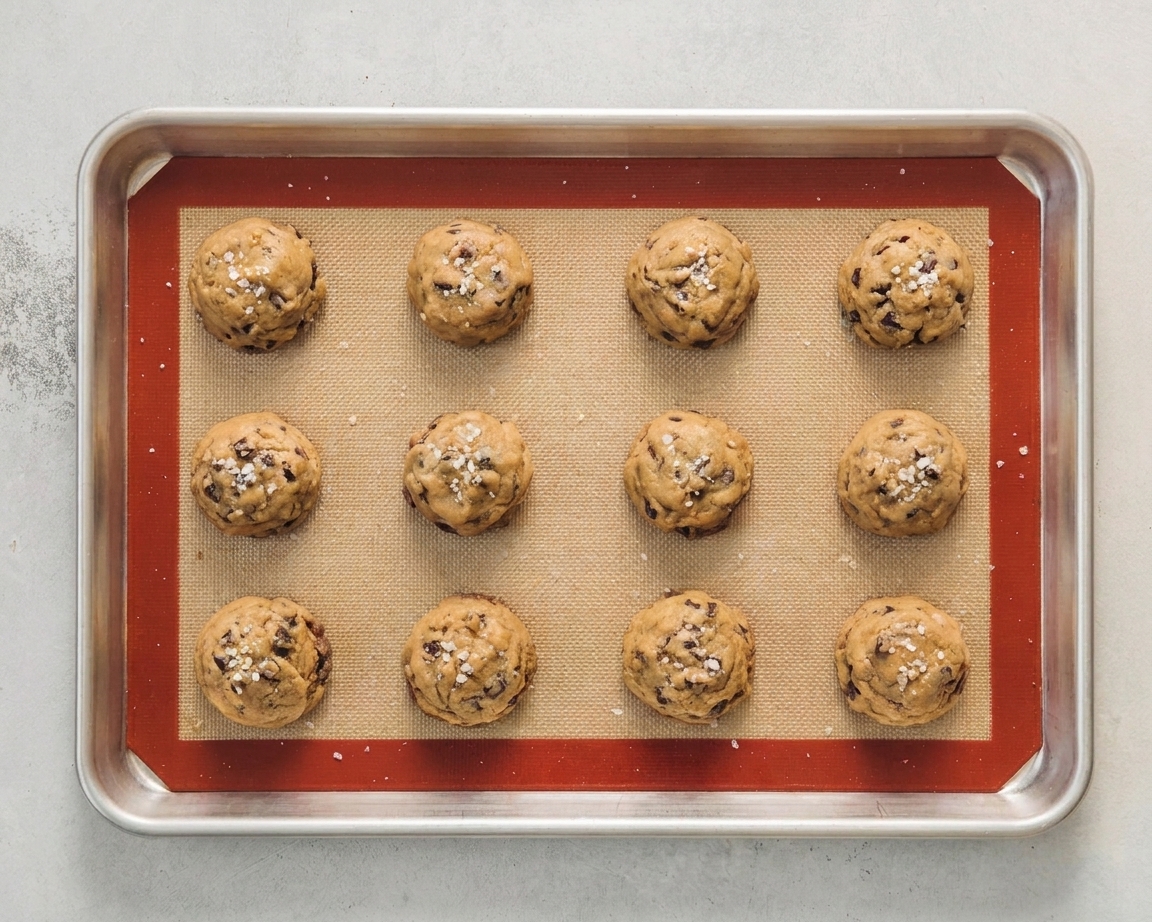
- Frozen cookie dough portions you are baking straight from the freezer, where the mat can help prevent aggressive bottom browning in some ovens.
- High-volume baking days when you do not want to keep tearing and fitting parchment.
Temperature and safety
- Parchment paper: Check the box for a max temperature. Many brands are commonly rated around 420 to 450 F, but it varies. Keep parchment trimmed to the pan so it does not hang over the edge where it can get too close to heating elements.
- Silicone mats: Also have a max temperature, often around 480 to 500 F depending on the brand. Do not use under a broiler.
For cookies, you are typically baking at 325 to 375 F, so either one is usually fine. The bigger risk is letting edges curl up near a hot oven wall or element.
My cookie tips
- Use a heavy, light-colored sheet pan if you can. It is one of the easiest upgrades for more even baking.
- Chill the dough when the recipe suggests it. Warm dough spreads fast on both parchment and mats.
- Rotate the pan halfway through if your oven has hot spots.
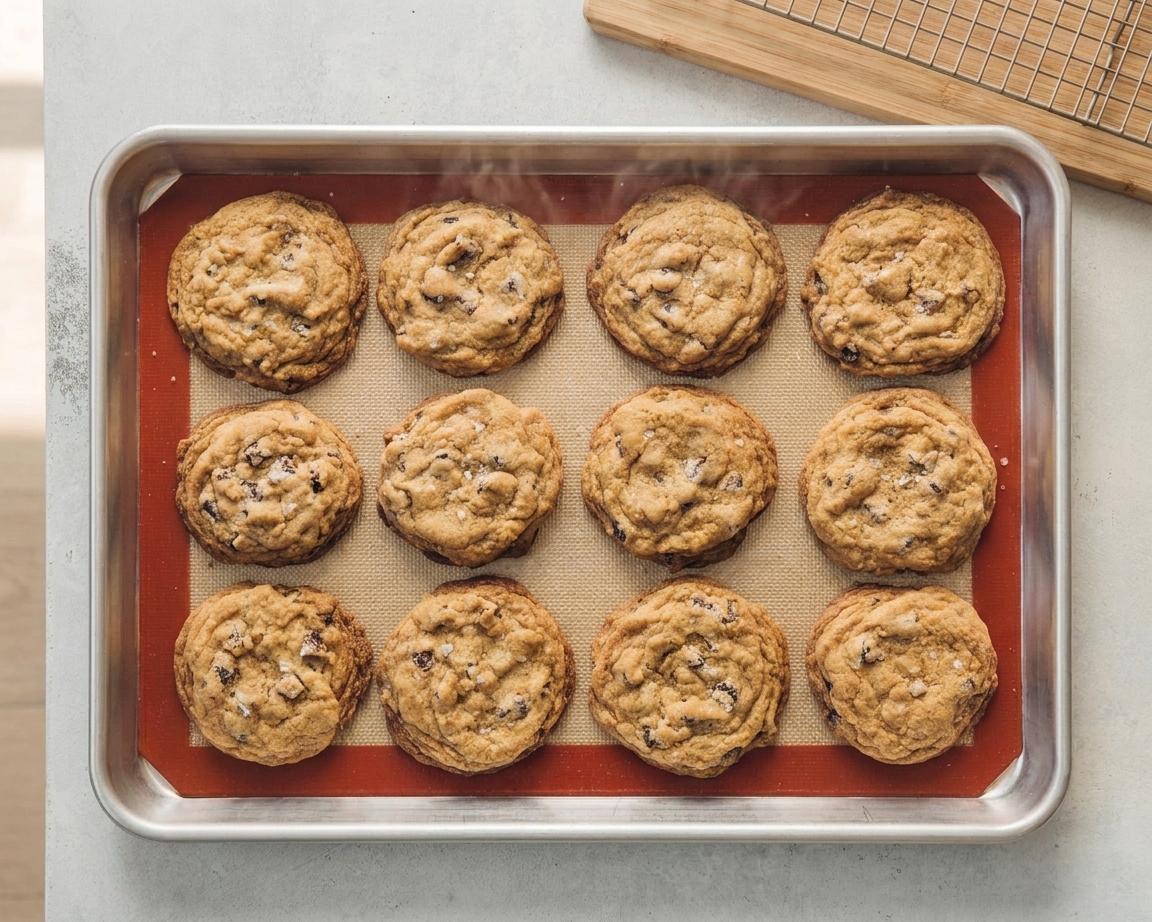
- Let cookies cool 2 to 3 minutes on the pan before moving. They finish setting and are less likely to break.
- Keep your pan cool between batches. Putting dough on a hot pan causes extra spread. I keep two sheet pans and alternate.
Fix common problems
My cookies spread too much
- Try chilling the dough longer first.
- If you already chill and still get puddles, try a silicone mat for slightly less spread.
- Double-check butter temperature. Soft is good, melted is trouble.
My cookie bottoms burn
- Switch to a light-colored pan if yours is dark.
- Try parchment if your silicone mat is encouraging longer bake times and drying the cookies out.
- Confirm oven temp with an oven thermometer if this keeps happening.
My cookies stick
- If cookies stick, it is often caramelized sugar overflow or moving them too soon. Let them set for a couple minutes.
- For very delicate cookies, a silicone mat is often the easiest release.
FAQ
Can I use parchment on top of a silicone mat?
You can, but I do not recommend it for cookies. It reduces the benefit of either surface and can encourage extra sliding. Pick one liner and keep it simple.
Do silicone mats change baking time?
Sometimes, yes. Because they insulate slightly, cookies may look paler on the bottom at the same time mark. Use visual cues: set edges, slightly soft centers, and a golden top where appropriate.
Is parchment paper the same as wax paper?
No. Wax paper is not meant for the oven. It can smoke and melt. For baking, you want parchment paper specifically.
Which is more budget-friendly?
Parchment is cheaper upfront. A silicone mat costs more initially but can pay off if you bake often and take good care of it.
Which is more eco-friendly?
Silicone mats are reusable, so they can reduce waste if you bake often. Parchment is single-use, and whether it is compostable depends on the coating and your local rules. If you want the lowest-fuss option with less cleanup water, parchment usually wins. If you bake frequently and will reuse the mat for years, silicone can be the better long game.
My bottom line
If you want the most reliable, broadly successful choice for everyday cookies, go with parchment paper. If you bake frequently and love consistency (especially for delicate bakes), a silicone mat is absolutely worth having in your drawer.
And if you are like me and bake in real life, with kids asking what is for dessert while you are portioning dough, my favorite “secret” is this: own both and use the one that fits the cookie you are making that day.