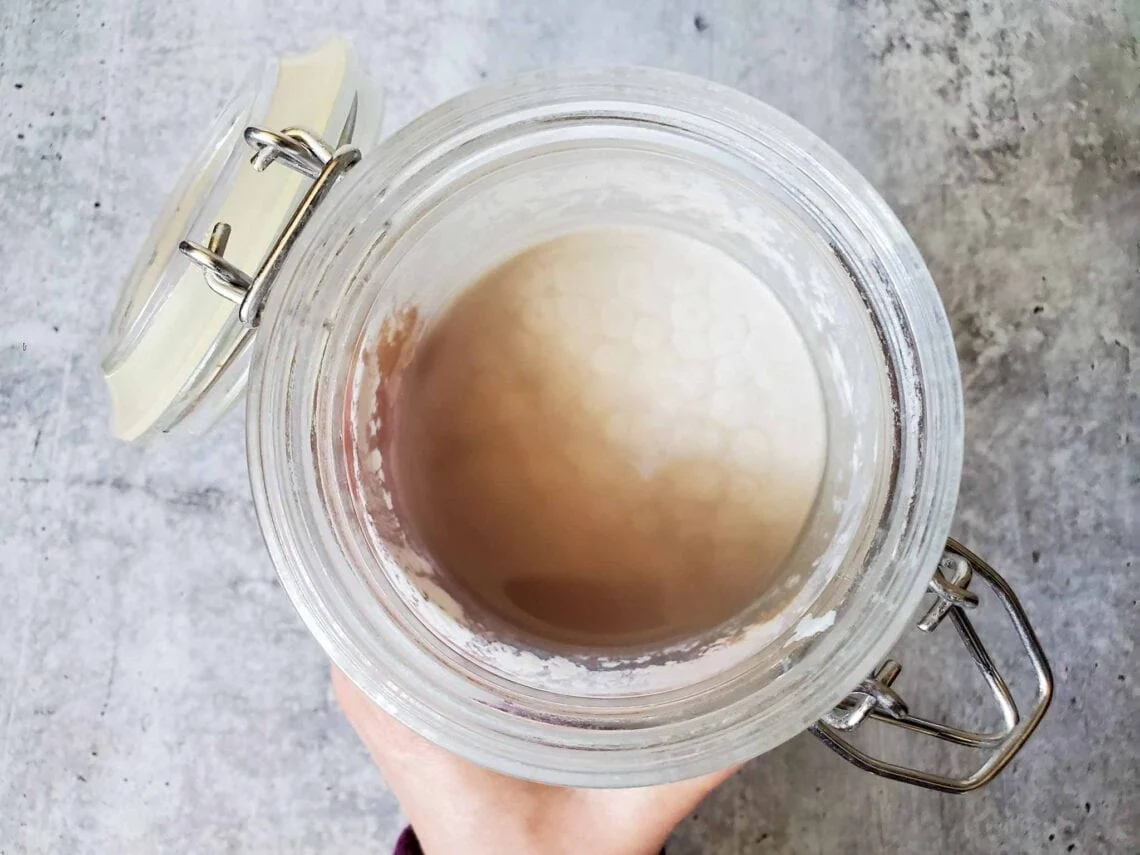
Seeing a gray or dark liquid on your starter? It is usually hooch. Here is what it means, if it is safe, whether to stir it in or pour it off, and how to pre...
Recipe Homely
November 22, 2026
How to Tell if Your Sourdough Starter Has Mold

Sarah Jenkins
Sarah Jenkins is a passionate home cook and the voice behind Recipe Homely, dedicated to making everyday meals stress-free and delicious. With over a decade of experience feeding a busy family, she specializes in rigorously tested, approachable recipes for dinners, desserts, and everything in between. When she isn't developing new dishes, Sarah can be found browsing local farmers' markets or baking with her two children.
The first time I saw a weird gray film on my sourdough starter, I stared at it like it had personally betrayed me. I had been feeding it faithfully between school lunches and after-work homework help, and now it looked… suspicious. If you are in that exact moment right now, take a breath. A lot of starter “scares” are totally harmless, but true mold is a hard stop.
Here’s how I tell the difference in my own kitchen, what’s safe to keep, what needs to be tossed, and how to prevent this from happening again.
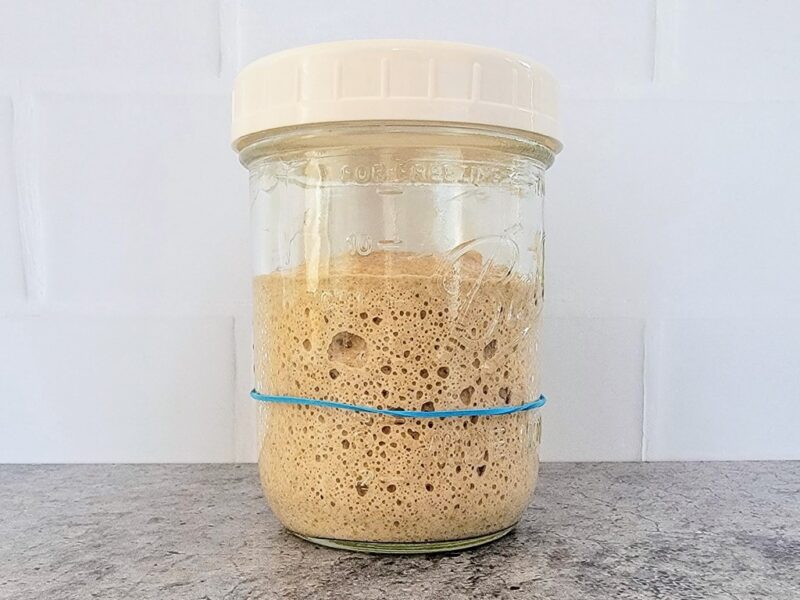
Starter mold vs hooch vs other changes
Starters are alive, and they change based on temperature, feeding schedule, flour type, and how clean the jar is. These are the most common things people confuse with mold.
Hooch (usually safe)
Hooch is a layer of liquid that forms on top when your starter is hungry. It can look:
- Clear
- Gray
- Brownish
- Very dark brown in extreme cases
It smells boozy, sharp, or like nail polish remover when the starter is stressed or very hungry. That smell is unpleasant but not automatically mold.
One quick caveat: If the liquid is very dark and you also see fuzzy growth, colored streaks (especially pink or orange), or it smells rotten, treat it as unsafe and toss it.
What to do: You can pour it off or stir it back in, then feed your starter. If the starter otherwise looks normal and there is no fuzzy growth or pink or orange color, it is typically fine to recover.
Dry top or darkened surface (often safe)
If your starter sits too long uncovered or with too much airflow, the surface can dry out and form a darker layer or skin. It can look crusty or leathery rather than fuzzy.
What to do: Scrape off the dried top layer, keep a clean portion from underneath, transfer to a clean jar, and feed.
Gray streaks or mild discoloration (usually safe)
Some grayness can happen from oxidation, whole grain flours, or starter that has separated. Mild gray streaking without fuzz and without bright colors is often just a starter asking for attention.
What to do: Give it a good look and smell, then feed if everything seems normal.
Kahm yeast (sometimes salvageable)
Kahm yeast can form a thin white film on top that looks flat, crepey, or a little wrinkly. It is usually not fuzzy like mold.
What to do: If it is truly a flat film (not hairy), you can often scoop it off, transfer a clean spoonful of starter from underneath into a clean jar, and feed it for a couple of days. If you are unsure whether it is Kahm or mold, or you see any fuzz at all, I treat it like mold and start over.
What mold looks like
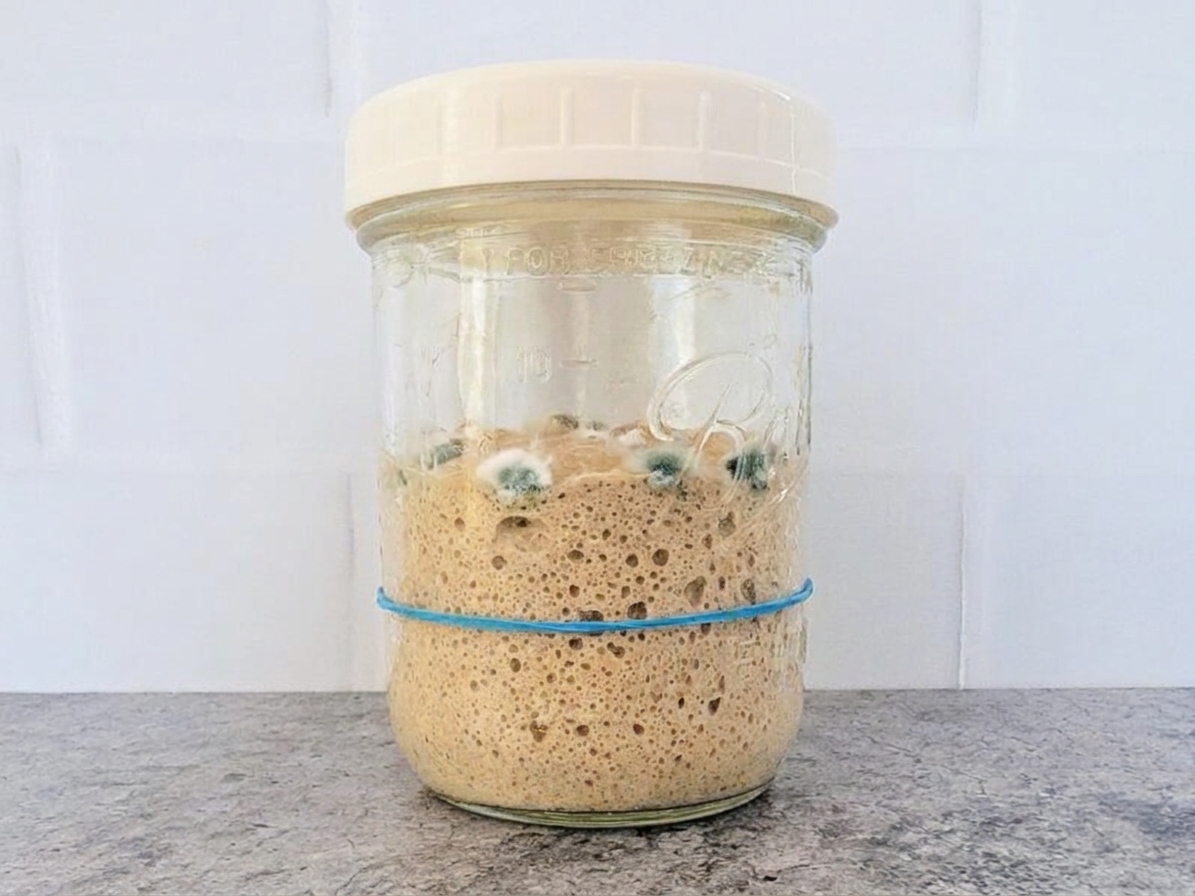
Real mold is not subtle once you know what to look for. If you see any of the signs below, do not taste your starter.
Fuzzy or hairy patches
This is the classic: fuzzy spots that look like tiny hairs or velvet. Mold can be white, green, blue, or black, and it usually grows in distinct patches on the surface.
Pink, orange, or red streaks
This is one of the biggest red flags. Pink, orange, or red tinting, streaks, or spots can indicate contamination by unwanted microbes and is treated as unsafe.
Even if it is not fuzzy, pink or orange starter should be tossed.
Growth on the sides or lid
If you see fuzzy growth climbing the jar, hanging under the lid, or sitting on dried starter smears above the starter line, assume contamination. Spores spread easily in that enclosed space.
Rotten, putrid smell
Healthy starter smells tangy, yeasty, fruity, or pleasantly sour. Even a hungry starter that smells harsh is usually still in the sour and boozy family.
Toss it if it smells:
- Rotten
- Like spoiled meat
- Like trash or decay
- Truly nauseating rather than simply sharp
Keep or toss?
When you are staring at your jar, use this quick decision list.
You can usually keep it if…
- There is hooch on top, but no fuzz
- The starter has a grayish liquid layer, but no pink or orange
- The smell is sour, yeasty, boozy, or acetone-like, and the starter otherwise looks normal
- There is a dry skin from exposure, but it is not fuzzy
- There is a flat white film that looks like Kahm yeast, not fuzzy growth
How to proceed: Remove any dried top layer or surface film, keep a clean scoop from the middle, move it to a clean jar, and feed it consistently for a couple of days.
You should toss it if…
- You see fuzzy or hairy growth anywhere
- You see pink, orange, or red streaks or spots
- You see green or blue mold spots
- It smells rotten or putrid
- Mold is on the lid, rim, or dried smears inside the jar
My rule in a busy family kitchen: If I have to talk myself into believing it is fine, I start over. Flour is cheaper than risking anyone getting sick.
A simple recovery routine
If your starter looks safe but stressed, this is the little reset that works in my house.
Two-day reset
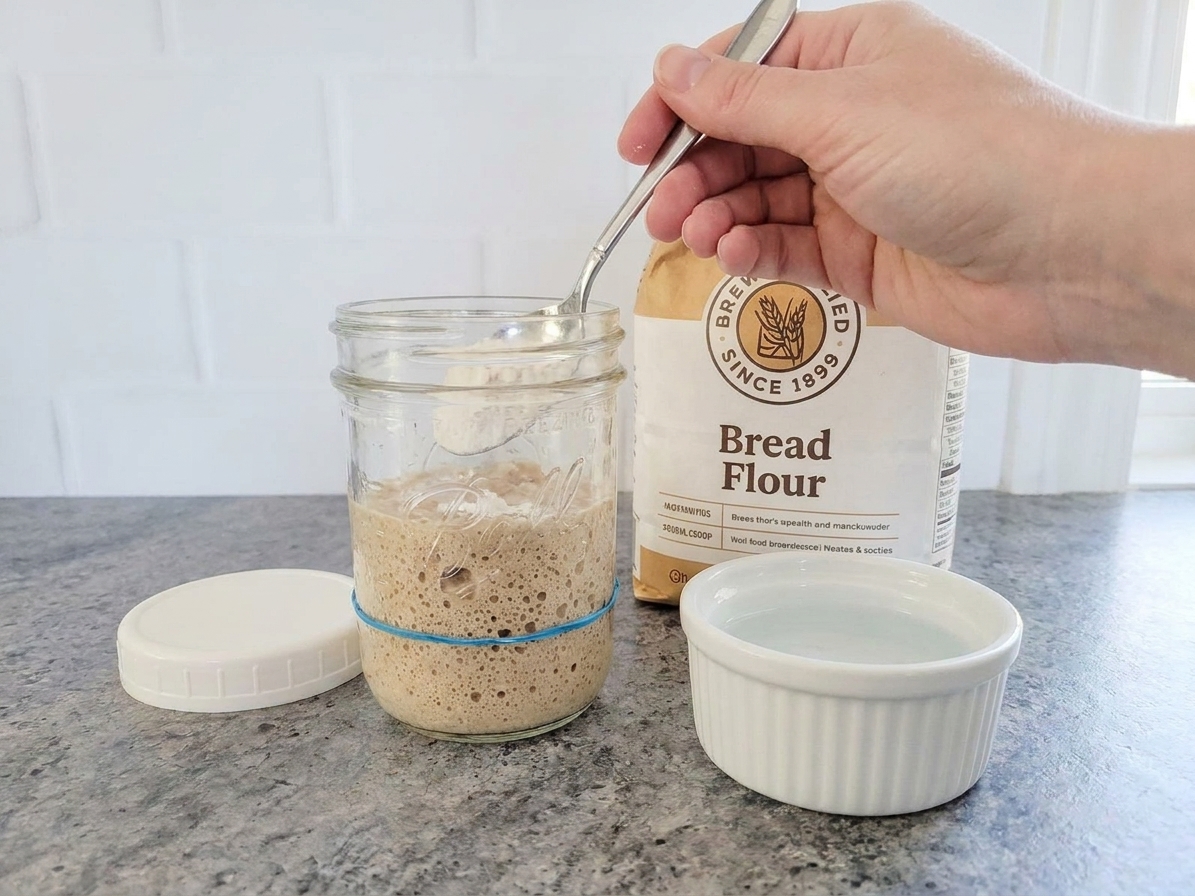
- Move 1 to 2 tablespoons of starter (from the middle, not the crusty top) into a clean jar.
- Feed it at 1:2:2 (starter:water:flour by weight). Example: 20 g starter, 40 g water, 40 g flour.
- Keep it at room temperature and feed again when it peaks and starts to fall. In many kitchens that is about every 12 hours.
- Repeat for 24 to 48 hours.
If the acetone smell hangs on after a few solid feeds, or the starter never perks up (no bubbles, no rise, still smells “off”), I usually restart. At that point it is often more frustration than it is worth.
If you toss it, restart safely
I know it hurts to throw out a starter, especially if you have been nurturing it for weeks. But restarting is straightforward, and you can be baking again sooner than you think.
Step 1: Toss and clean well
- Throw the starter away in the trash rather than washing large amounts down the drain.
- Wash the jar, lid, and any tools in hot, soapy water.
- For extra peace of mind, run the jar through the dishwasher or sanitize it with boiling water, then let it dry completely.
- Wipe down the nearby counter and any splatters with hot, soapy water or your usual kitchen cleaner, and swap out any cloth covers that were sitting on the jar.
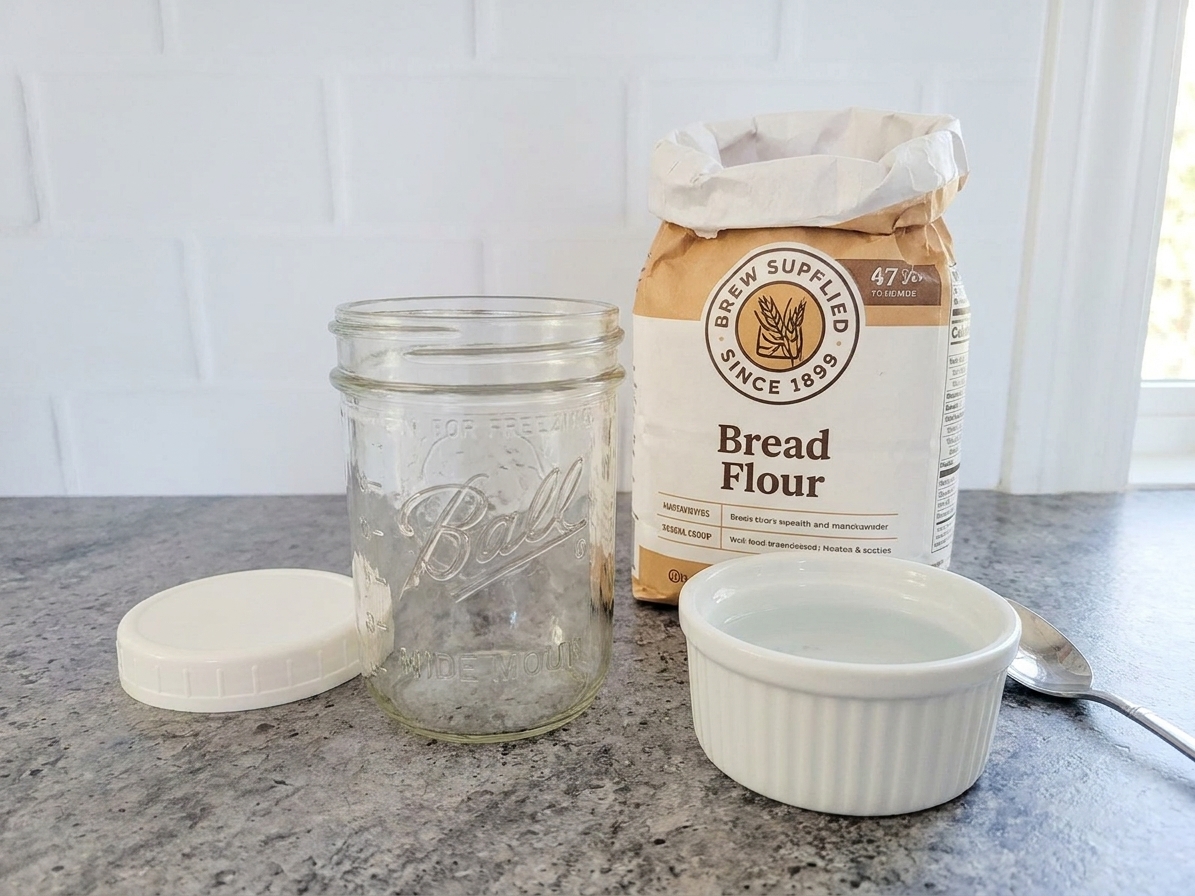
Step 2: Start fresh in a clean jar
Use flour and water, and keep the jar covered with a loose lid. You want it protected from dust and fruit flies, but not sealed airtight.
Step 3: Build in a backup
Once your starter is strong, you can keep a small backup in the fridge and feed it weekly. Another smart move is to keep some starter discard in a separate jar for recipes. If one jar ever goes questionable, you are not starting from zero.
How to prevent mold
Mold is more likely when a starter is neglected, the jar is dirty, or the surface stays exposed to contaminants. These are my practical prevention habits.
Use a clean jar and clean tools
- Switch to a clean jar every few days, especially if the sides get crusty.
- Avoid leaving dried starter smears up the sides where mold can start.
- Use a clean spoon each time. Do not double-dip with a spoon that touched other ingredients.
Cover it, but do not seal it
Cover your starter to protect it from dust, spores, and bugs, but do not seal it airtight. A loose lid or a lid set on top works well in most kitchens.
Match feeding to where you store it
- Counter starter: feed regularly, often daily depending on your ratio and kitchen temperature. You will see hooch more often if feedings are too far apart.
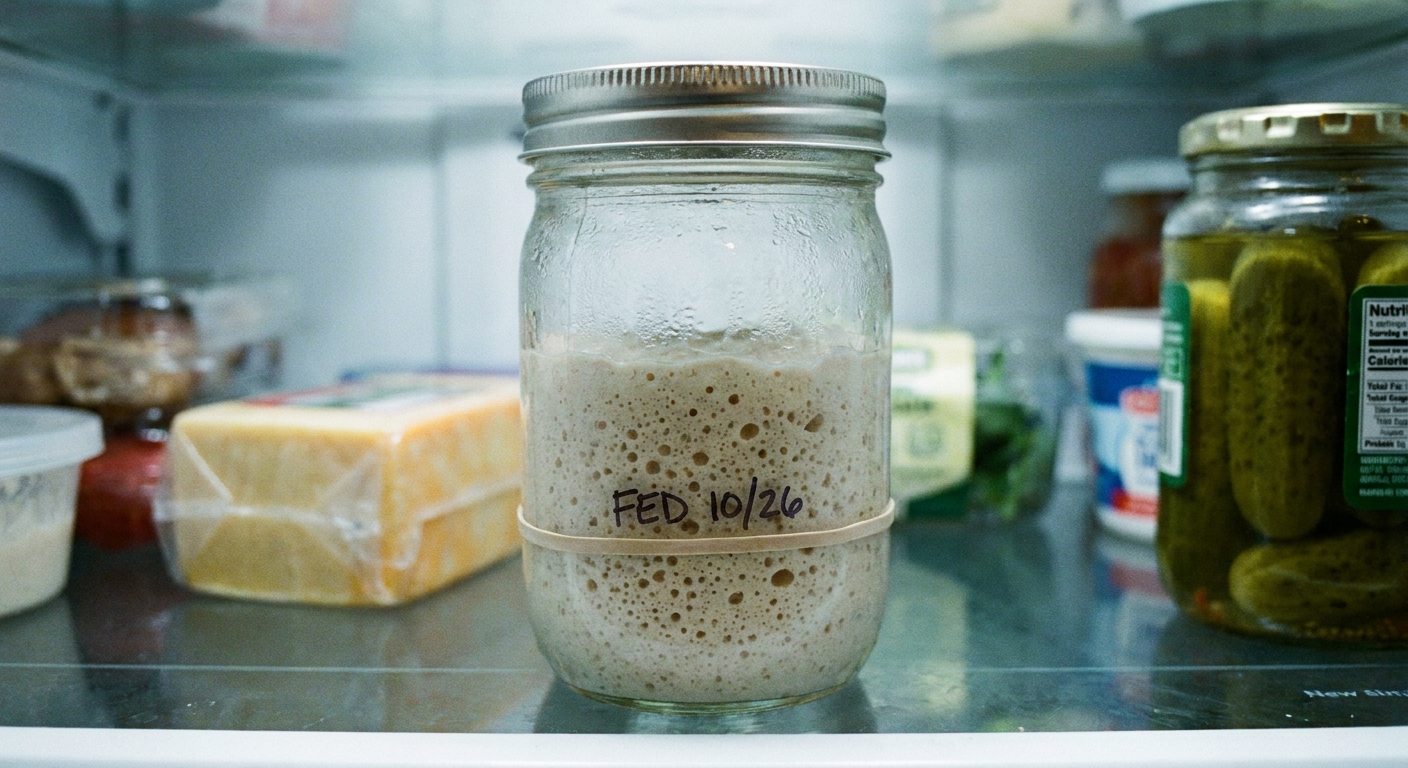
- Fridge starter: refrigerating slows fermentation, so hooch and separation are common. Feed before chilling it, keep it covered, and refresh it about weekly (or as your routine allows).
Watch the temperature
Warm kitchens speed up fermentation and can push a starter into stress faster. Very cold kitchens slow everything down and can cause long gaps between feedings. Both situations can increase separation and surface issues. If your kitchen runs hot, keep your starter in a cooler spot out of direct sun.
Do not store it near produce
This sounds oddly specific, but fruit bowls can attract fruit flies and wild microbes. I keep my starter away from ripening bananas and onions on the counter.
FAQs
Is hooch mold?
No. Hooch is liquid separation caused by a hungry starter. It is usually gray or brown and smells boozy. Mold is typically fuzzy, patchy, and can be colorful in a way that looks like growth.
My starter smells like acetone. Is it bad?
An acetone or nail polish remover smell usually means the starter is very hungry or stressed. If there is no fuzzy growth and no pink or orange color, feed it and give it a couple of cycles to recover. If it stays solvent-like after repeated feeds, it may be too imbalanced or neglected to be worth saving, and restarting is a reasonable choice.
Can I scrape mold off and save the starter underneath?
I do not recommend it. Mold can spread beyond what is visible. For food safety, a visibly moldy starter should be tossed and restarted.
What if there are only tiny spots?
Tiny fuzzy spots are still mold. Toss it. If the spots are not fuzzy and look like bubbles or flour streaks, check for color (especially pink or orange) and smell, then decide.
What does a healthy starter look like?
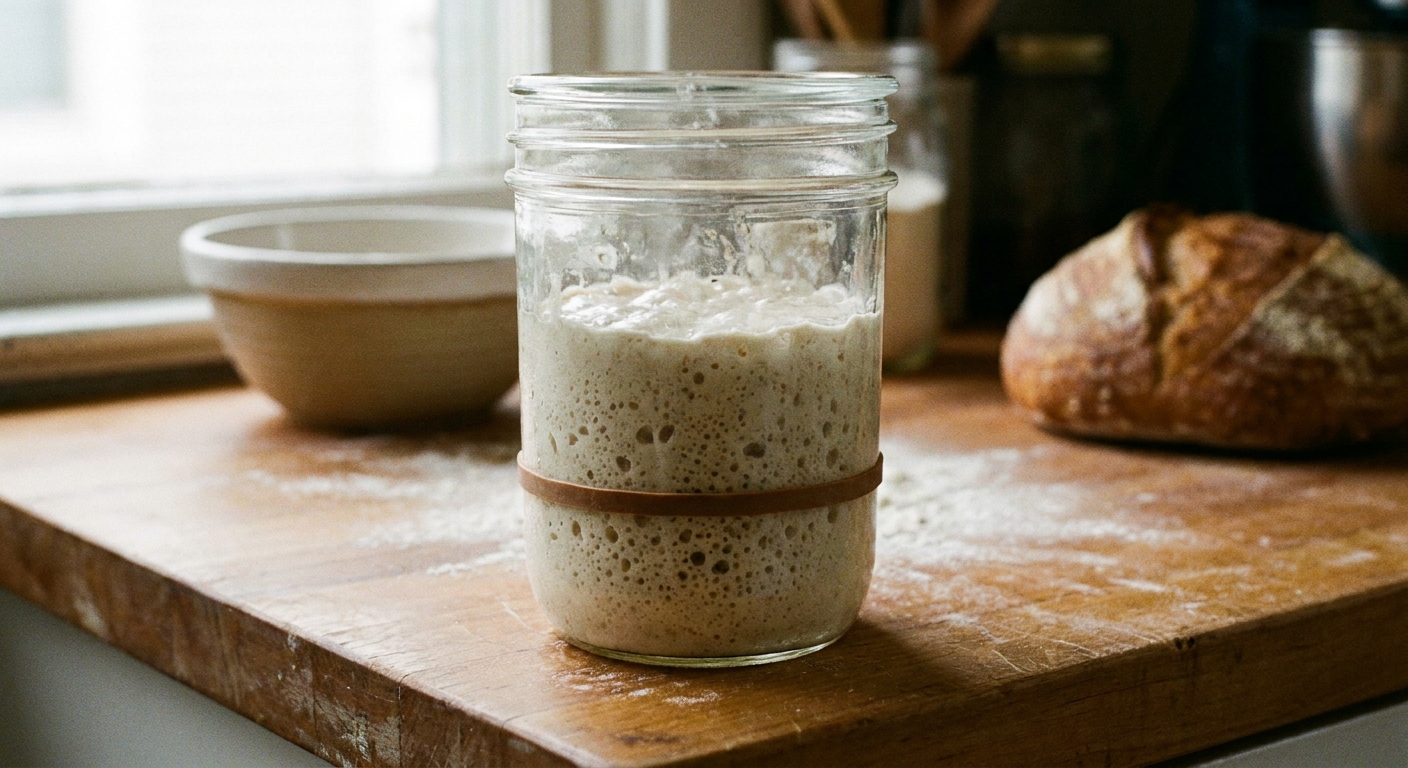
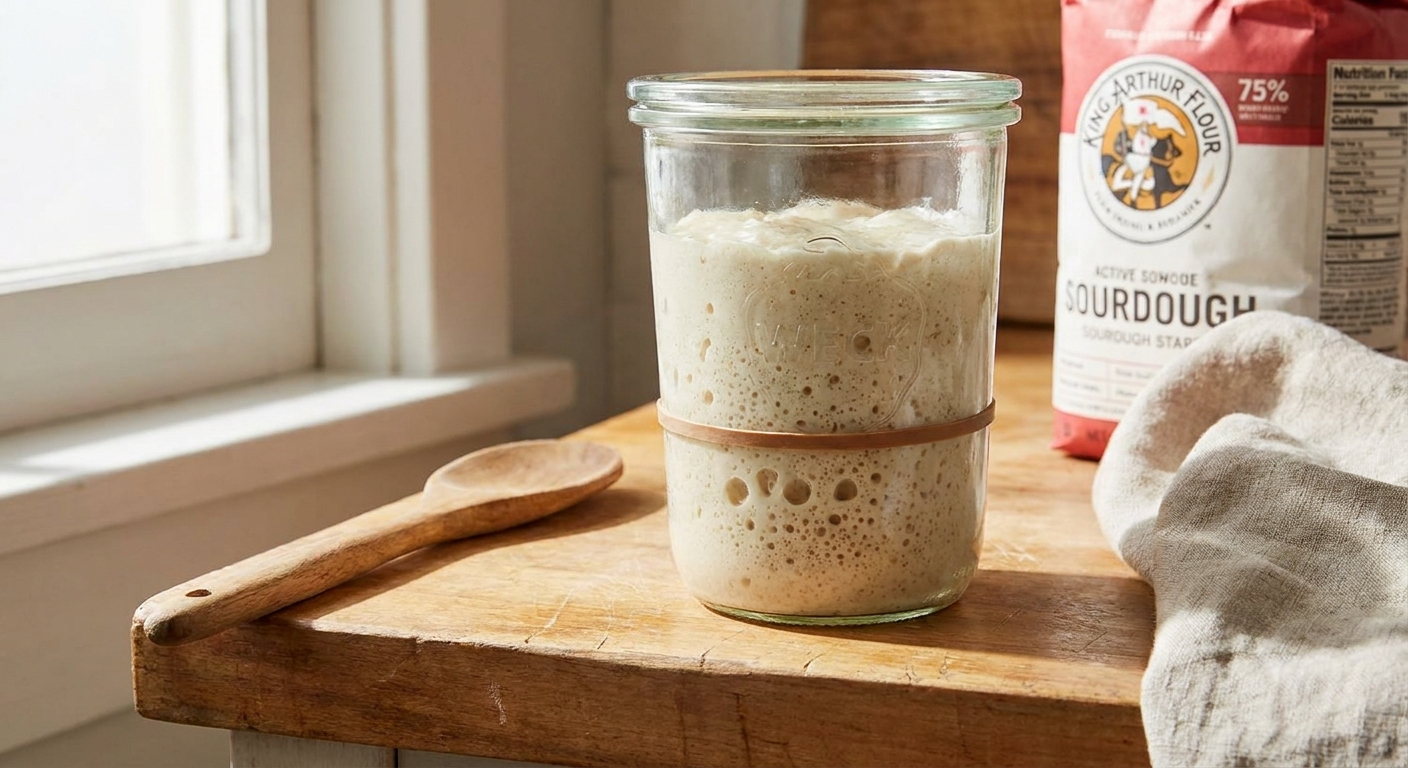
It should look creamy and bubbly when active, with a pleasant tangy smell. It may rise after feeding, then fall. Some separation is normal if it sits, especially in the fridge.
When in doubt, choose safety
Sourdough is wonderfully forgiving, but mold is the one place I do not try to be brave. If you see fuzz, or any pink or orange streaking, toss it and start fresh in a clean jar. If it is just hooch, a dry top, or a flat film that looks like Kahm yeast, you can often feed your way back to a happy starter.
If you want, describe what you are seeing and smelling, and I will help you figure out whether it looks like hooch, harmless discoloration, Kahm yeast, or true mold.