A rigorously tested Dutch oven beef stew with browned chuck roast, tender vegetables that hold their shape, and a rich, thick gravy. Step-by-step times plus ...
Recipe Homely
November 16, 2026
1:1:1 vs. 1:5:5 Sourdough Starter Feedings

Sarah Jenkins
Sarah Jenkins is a passionate home cook and the voice behind Recipe Homely, dedicated to making everyday meals stress-free and delicious. With over a decade of experience feeding a busy family, she specializes in rigorously tested, approachable recipes for dinners, desserts, and everything in between. When she isn't developing new dishes, Sarah can be found browsing local farmers' markets or baking with her two children.
When I first got my starter reliably active, I thought the hard part was over. Then real life hit: school lunches, meetings, and that very specific hope of having dough mixed before the kids wake up. That is when feeding ratios stopped being “baker math” and started being a scheduling tool I actually needed.
If you have a mature, healthy starter, the ratio you feed it (like 1:1:1 or 1:5:5) is basically you choosing how quickly it will exhaust its food. That one decision changes when it peaks, how tangy it tastes, and how easy it is to catch at the right moment for baking.
What the ratios mean
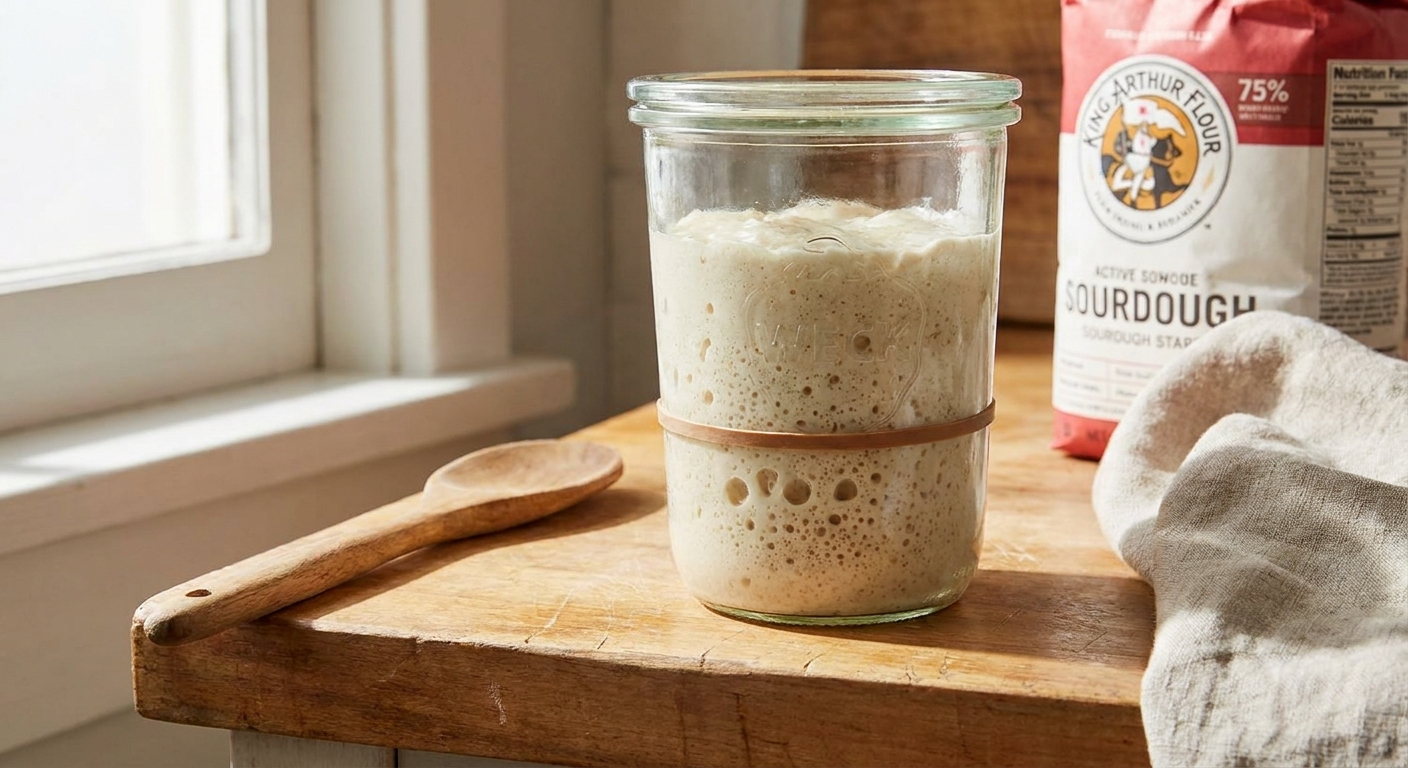
Feeding ratios are written as starter : water : flour by weight.
- 1:1:1 means you keep 1 part starter and feed it 1 part water and 1 part flour.
- 1:5:5 means you keep 1 part starter and feed it 5 parts water and 5 parts flour.
Most home bakers are talking about a 100% hydration starter in these ratio conversations, meaning the starter itself is typically equal weights flour and water, and the feeds are also equal weights flour and water. The result is a thick, stirrable paste.
If you are wondering where the “extra” starter goes, this routine usually assumes you discard most of your starter at feeding time (or use the discard in other recipes) so your jar stays a manageable size.
Important: The “right” ratio depends on your room temperature, flour choice (white flour vs. whole wheat or rye), and how active your starter is. The times below are realistic ranges I see in an average home kitchen, not lab-perfect promises.
1:1:1 vs. 1:5:5
Here is the practical difference:
- 1:1:1 is a smaller meal. Your starter eats it quickly, peaks sooner, and becomes acidic sooner after peak.
- 1:5:5 is a big meal. Your starter takes longer to rip through it, peaks later, and tends to stay milder for longer.
Think of it like fueling a busy day. A small snack (1:1:1) gets you going fast but you will be hungry again soon. A big breakfast (1:5:5) carries you further.
When each ratio peaks
Quick definition: peak is when your starter reaches its maximum rise and activity before it starts to flatten and fall.
1:1:1 peak timing
With an active starter at typical room temp (around 70 to 75 F), a 1:1:1 feeding often peaks in about 3 to 6 hours. Whole wheat or rye in the flour portion can speed this up, while a less active starter or cooler room can slow it down by hours.
In a warmer kitchen (75 to 80 F), it can peak faster. In a cooler kitchen (65 to 68 F), it can take longer.
1:5:5 peak timing
A 1:5:5 feeding commonly peaks in about 8 to 12 hours at the same room temps, sometimes up to 14 hours if your kitchen is cool, your flour is mostly white, or your starter is not especially aggressive.
This is why 1:5:5 is such a favorite for overnight schedules.
Which ratio tastes more sour?
“Sour” is a mix of acids produced over time. In a simple, home-kitchen way, here is what matters:
- As the starter sits after it peaks, it gets more acidic and more sour.
- More time without fresh food generally means more tang and a stronger aroma.
Flavor tendency: 1:1:1
Because 1:1:1 runs out of food sooner, it is easier to accidentally use it late (after peak) when it is already getting sharp. That can mean more tang in both your starter and your bread, especially if you regularly mix dough with starter that has already fallen.
Flavor tendency: 1:5:5
With 1:5:5, that fresh feed tends to dilute existing acidity and gives your yeast and bacteria more runway. At peak, it often tastes milder than a 1:1:1 starter at peak, especially if your 1:1:1 starter is even a little past peak.
One quick reality check: You can still make very sour bread with a 1:5:5 starter if you ferment the dough longer or colder. Starter ratio is only one dial.
Two easy morning schedules
If your goal is to mix dough in the morning, the “best” ratio is the one that peaks when you are actually available to bake.
Schedule A: Overnight feed (1:5:5)
This is my go-to when I want to wake up and bake like a calm person.
- Night before (around 9 to 10 PM): Feed your starter 1:5:5.
- Morning (around 6 to 8 AM): It should be at or near peak. Use it to mix your dough.
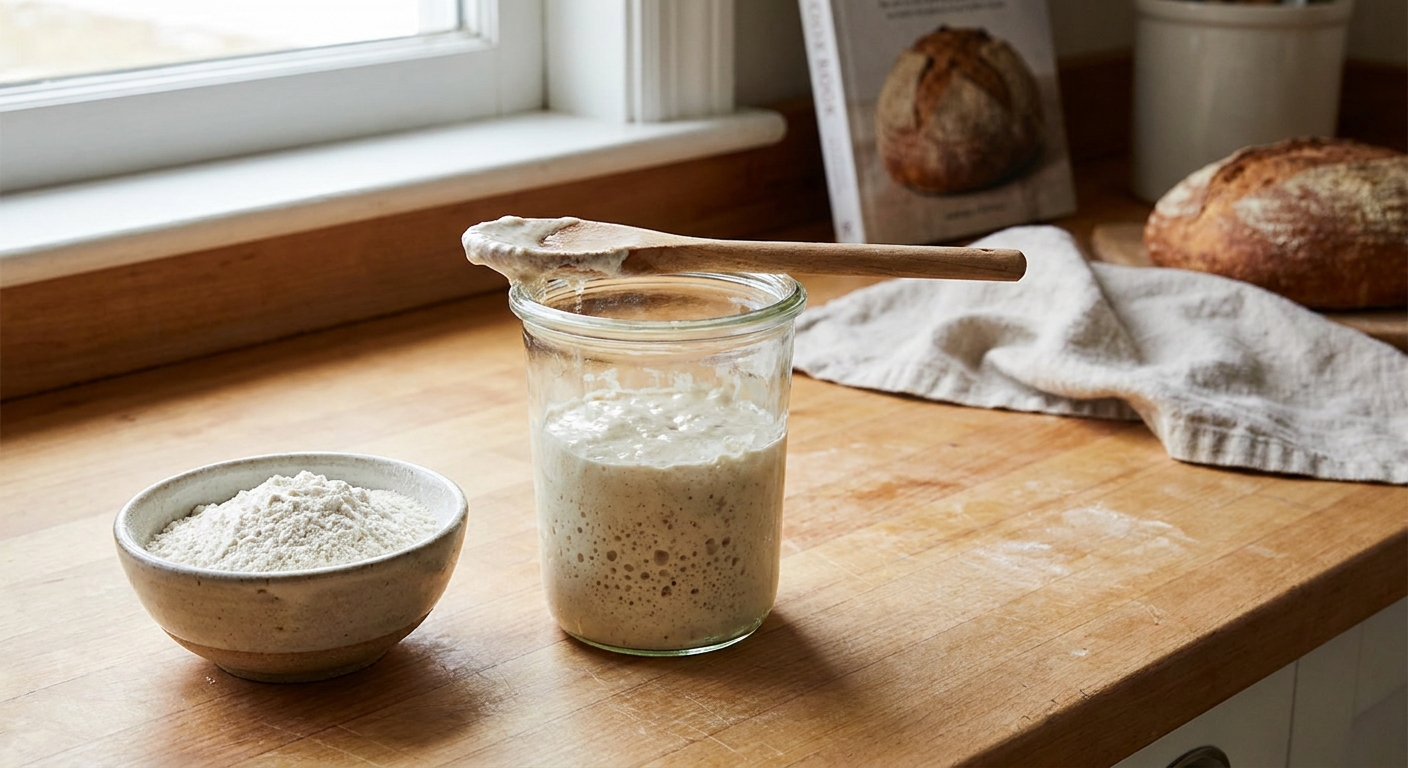
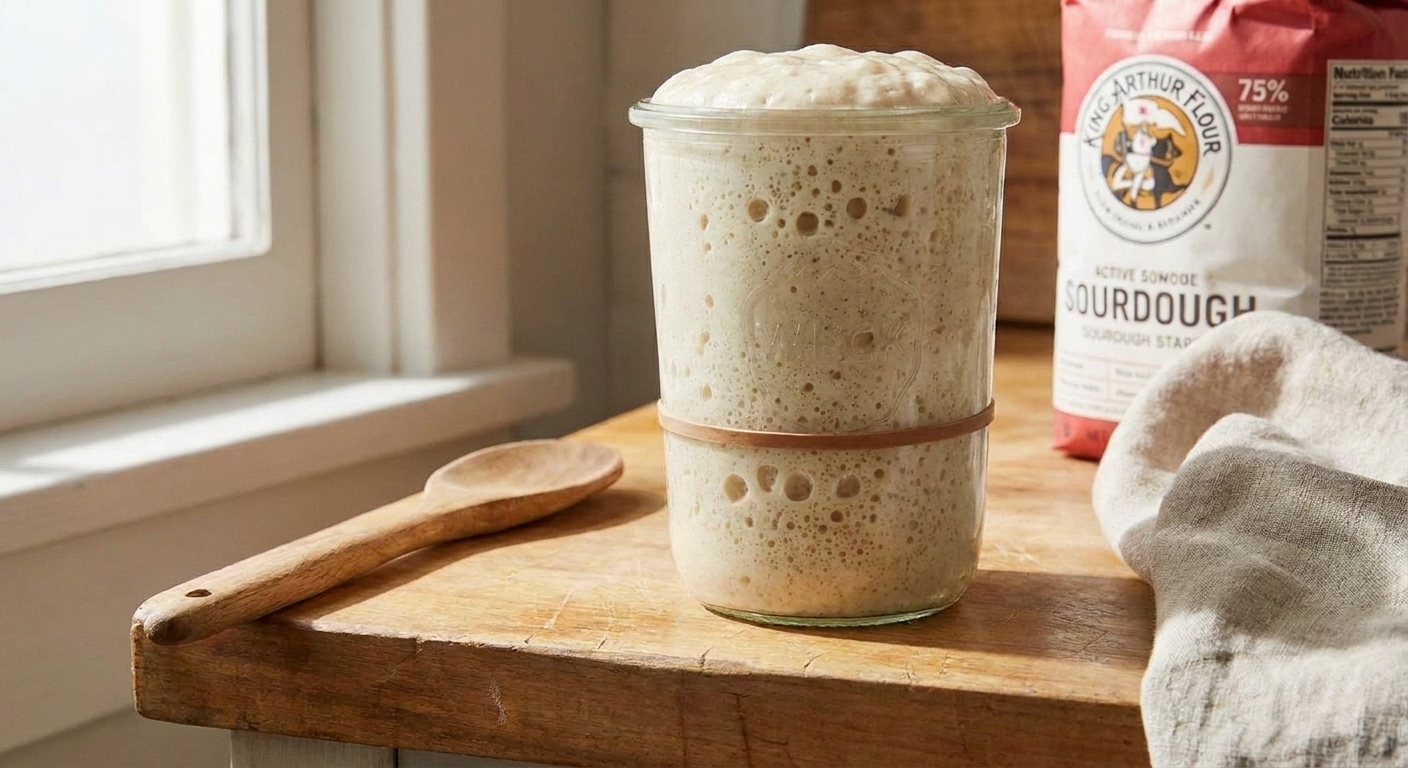
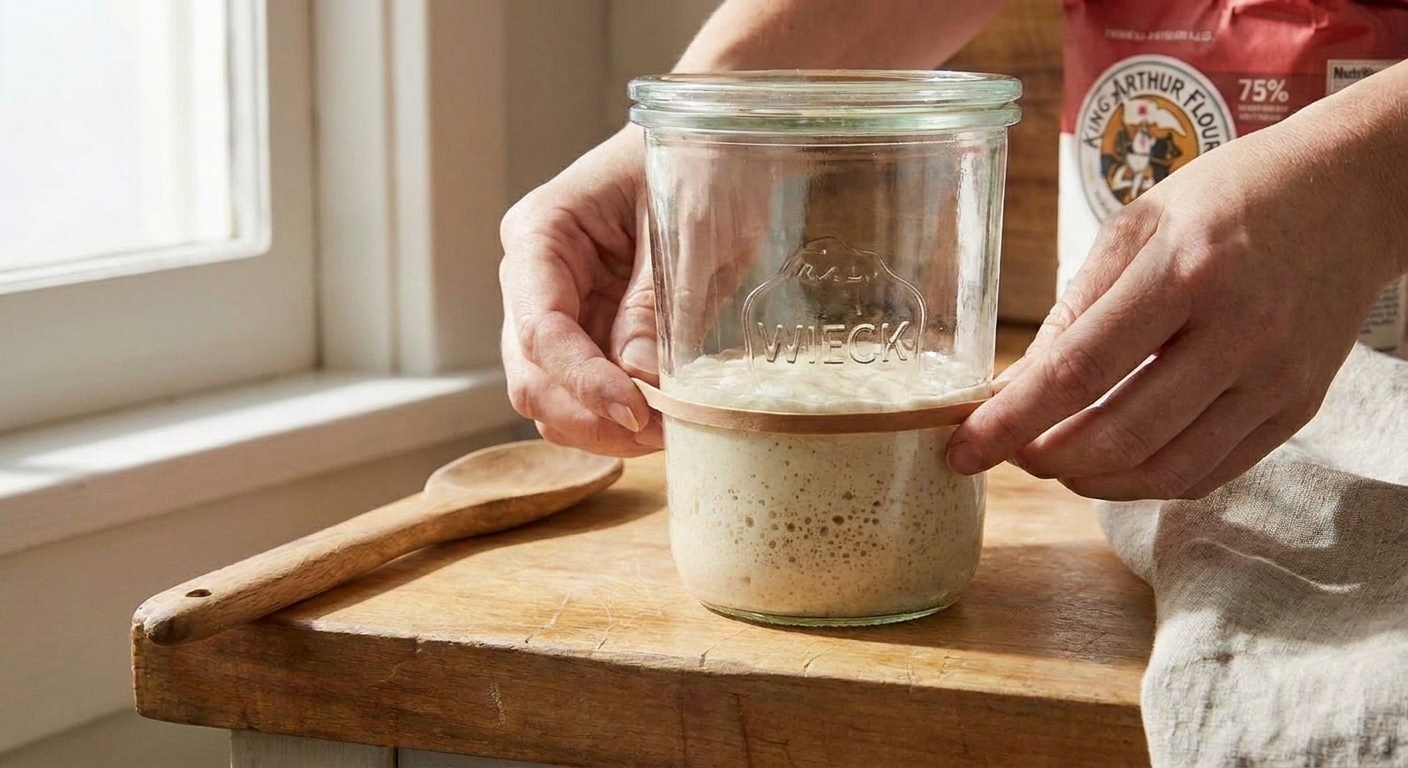
Tip from my kitchen: Mark the jar with a rubber band right after feeding so you can see the rise without guessing. When the top is domed and the starter looks airy and webby, it is usually prime time.
Schedule B: Early feed (1:1:1)
This is the “I forgot” schedule, and it still works.
- Early morning (around 6 AM): Feed 1:1:1.
- Mid-morning (around 9 to 11 AM): Catch it at peak and mix dough.
If you are home and can watch it, 1:1:1 is wonderfully convenient.
Stiff starter option
Sometimes “ratio” conversations get tangled with hydration. You can keep the same seed-to-food ratio but make the feed stiffer by using less water than flour.
For example, instead of feeding 1:5:5 (starter:water:flour), you could do a stiff 1:3:5 or 1:4:5 style feed, where flour is higher than water. The starter will be more dough-like.
In many kitchens, a stiffer feed:
- Can ferment a bit more slowly
- Can hold its peak a little longer
- Often smells less sharply acidic at the same point in time
If you are chasing a very predictable schedule, stiff feeds can be helpful. The tradeoff is they are a little harder to mix thoroughly, especially in a narrow jar. I usually switch to a bowl for mixing, then pack it back into the jar.
Choosing a ratio
Pick 1:1:1 if you want
- A starter that peaks fast for same-day baking
- More frequent feedings (or you do not mind it going hungry)
- A simple rhythm when you are actively baking often
Pick 1:5:5 if you want
- Overnight timing so it peaks in the morning
- A wider window before it gets overly acidic
- Less frequent feeding for a room-temp counter schedule
If you are keeping a small amount of starter and hate waste, you can still do 1:5:5 with tiny quantities. For example: 10 g starter + 50 g water + 50 g flour.
One practical note: make sure your jar has enough headroom. A happy starter can double or triple. If you scale up to something like 1:6:6, use a bigger container or reduce the total grams so it does not overflow.
How to tell you have hit peak
Clocks are helpful, but your starter will always tell you what is happening if you know what to look for.
- At peak: doubled (or more), airy, lots of bubbles along the sides, top is slightly domed.
- Just past peak: top flattens, starter looks less puffy.
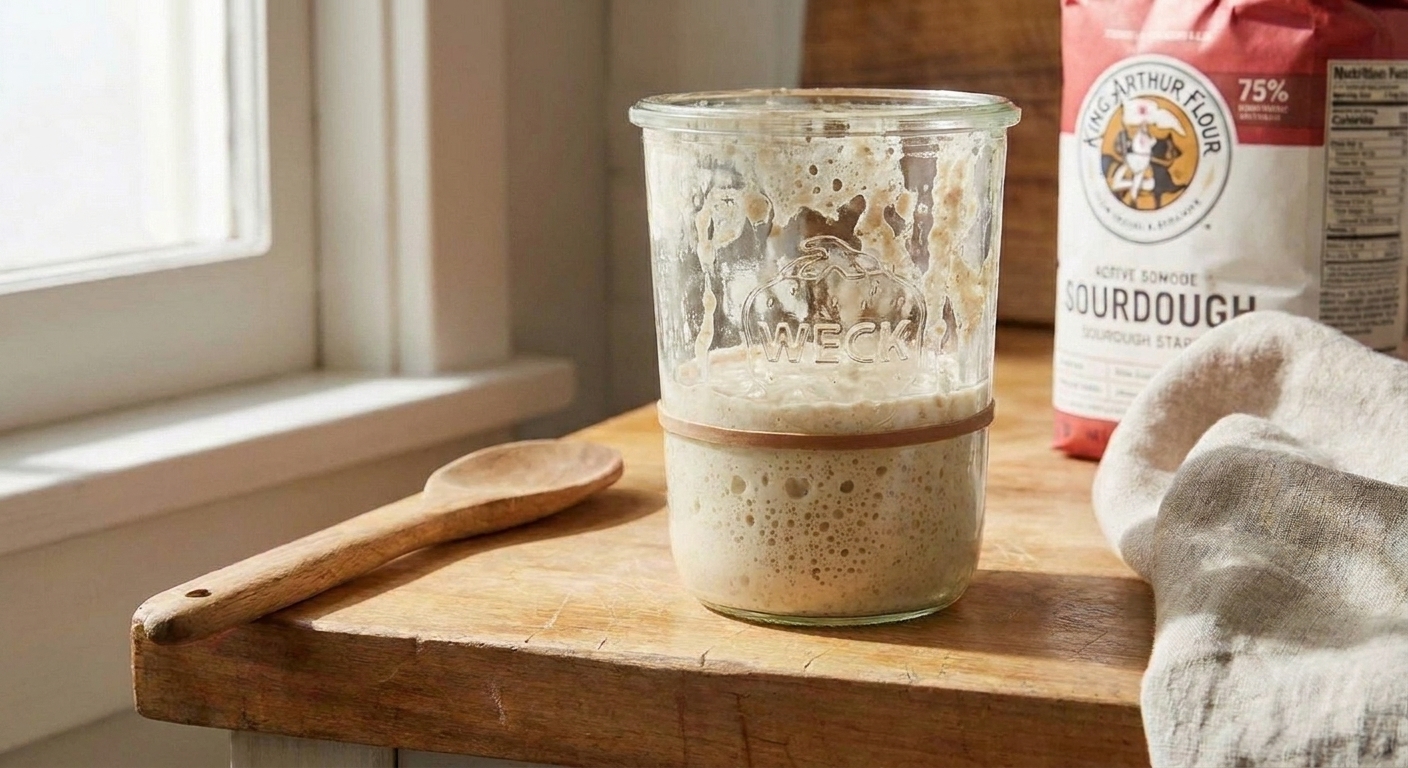
- Fallen: streaks on the jar where it rose and collapsed, texture looks looser, smell more sharp.
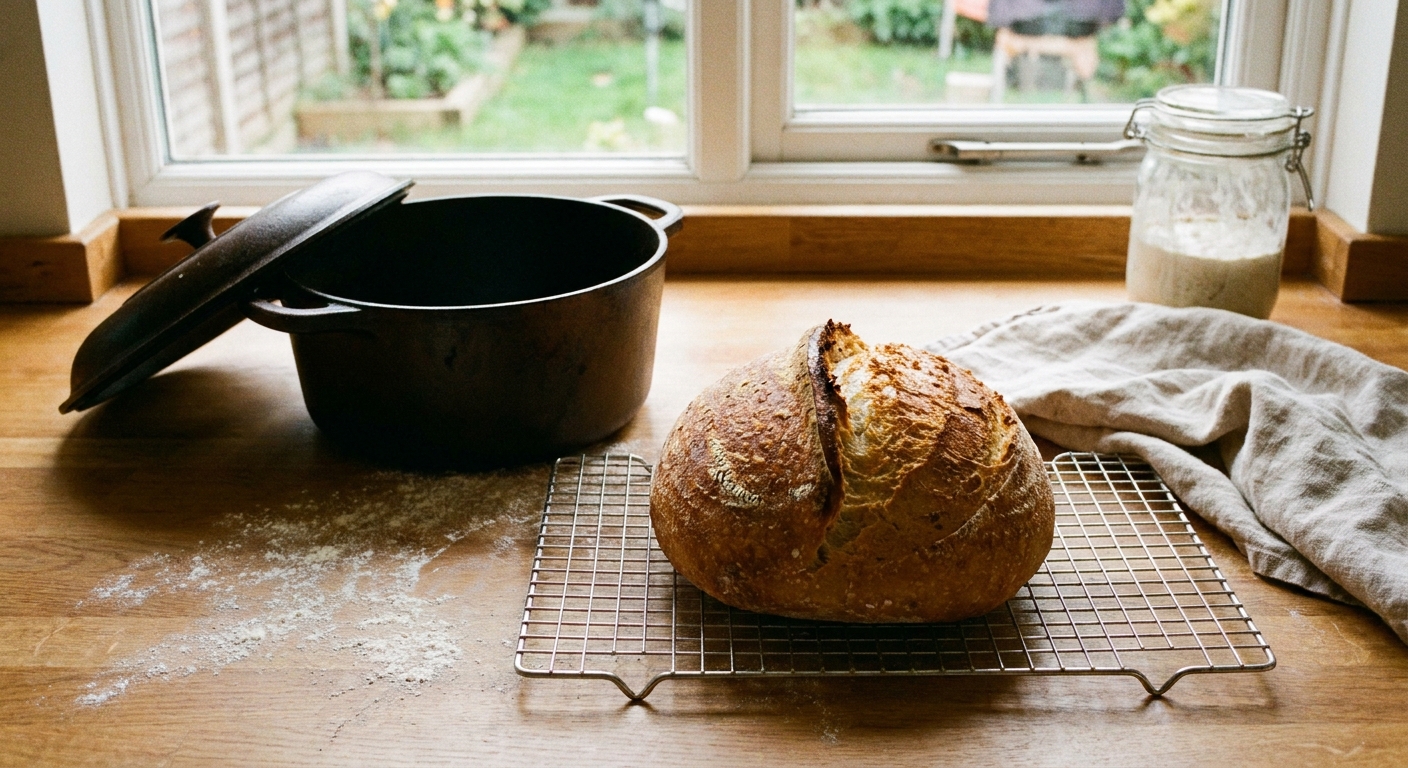
If you are baking bread, I aim to use starter right at peak or shortly after. If you consistently use it well after it falls, you may notice longer fermentation times and a more tangy profile.
Troubleshooting
My 1:5:5 starter is not peaking by morning
- Your kitchen may be cool. Try a slightly smaller feed like 1:3:3 or keep it somewhere warmer.
- Your starter may need a few days of consistent peak-to-peak feedings to strengthen.
- Whole grain flours (especially rye) can speed things up. Even 10 to 20% rye in the flour portion can make a noticeable difference.
My 1:1:1 starter peaks too fast and is already falling
- Feed a bigger ratio like 1:2:2 or 1:3:3.
- Use cooler water in the feed.
- Move the jar to a slightly cooler spot in your kitchen.
It smells super sour or like nail polish remover
That solvent-y smell is often a sign your starter is stressed, usually from being hungry, too warm, or both. Try discarding down more aggressively and increasing the feeding ratio (for example moving from 1:1:1 to 1:3:3 or 1:5:5) for a couple of cycles, and keep it at a moderate room temp.
If the smell persists and you see any pink or orange streaks, fuzzy growth, or other signs of mold, do not try to salvage it. Toss it and restart.
My simple recommendation
If you only want to remember one thing, make it this:
- Use 1:1:1 when you want speed.
- Use 1:5:5 when you want a schedule.
In my house, 1:5:5 is the reason I can do a calm morning dough mix without hovering over the jar. Then if I decide to bake again sooner than planned, I switch back to 1:1:1 for a quick turnaround.
FAQ
Do I have to feed exactly 1:5:5?
No. Think of ratios as a dial. If 1:5:5 peaks too late, try 1:4:4 or 1:3:3. If it peaks too early, go bigger like 1:6:6 (as long as your jar has enough headroom) or move it cooler.
Is 1:1:1 bad for a mature starter?
Not at all. It is just easier to miss the peak window if you get pulled into life and forget. If you can feed and use it within a few hours, 1:1:1 works beautifully.
Can I use cups instead of grams?
I strongly recommend a scale because flour packs differently every time, and these ratios are by weight. Once you start using grams, your starter becomes way more predictable.
What if I keep my starter in the fridge?
You can still use these ratios when you refresh it for baking. Many bakers pull the starter out, give it a room-temp feed (often a larger one like 1:5:5), then use it at peak. Fridge schedules add variables, so watch the starter more than the clock.