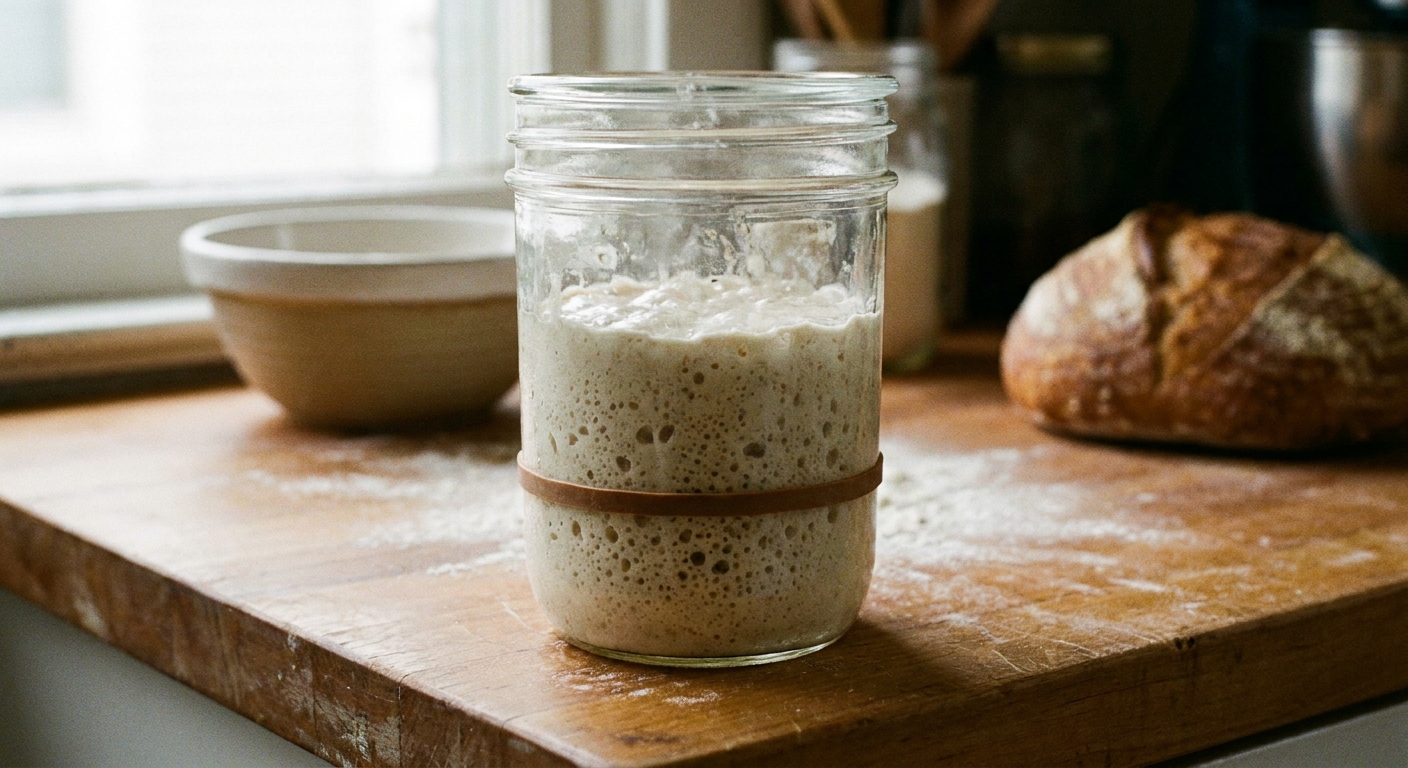
A friendly, tested guide to building a bubbly sourdough starter with just flour and water, plus how to feed it daily and know when it is ready to bake.
Recipe Homely
November 22, 2026
Can You Use Tap Water for a Sourdough Starter?

Sarah Jenkins
Sarah Jenkins is a passionate home cook and the voice behind Recipe Homely, dedicated to making everyday meals stress-free and delicious. With over a decade of experience feeding a busy family, she specializes in rigorously tested, approachable recipes for dinners, desserts, and everything in between. When she isn't developing new dishes, Sarah can be found browsing local farmers' markets or baking with her two children.
Yes, you can usually use tap water for a sourdough starter. I do it all the time in my own very average kitchen, because I am trying to get dinner on the table, not run a science lab. The key is knowing what is in your tap water. Some city water plays nicely with wild yeast and bacteria, and some slows them down enough that you start thinking you “did it wrong.”
This guide breaks down how chlorinated, chloraminated, filtered, bottled, and well water affect a starter, plus exactly when tap water is fine, when to let it sit, when to filter, and what to avoid.
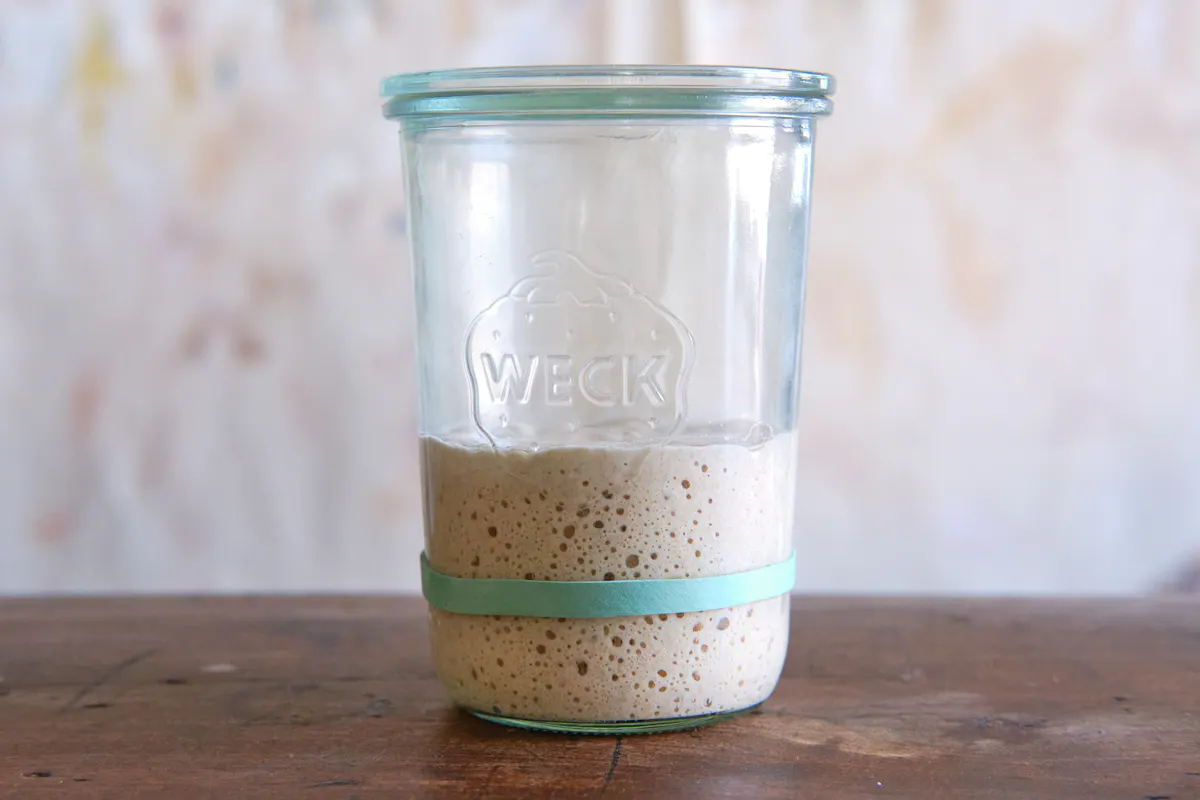
What your starter needs from water
Your starter is basically a tiny ecosystem of wild yeast and lactic acid bacteria. Water’s job is to:
- Hydrate the flour so enzymes can break starches into sugars the microbes can eat.
- Provide a comfortable environment for yeast and bacteria to multiply.
- Stay out of the way, meaning no strong disinfectants that suppress fermentation.
Temperature matters too. For feedings, lukewarm water (roughly 75 to 85°F) is a common sweet spot in many homes. Very hot water can damage your starter, and very cold water can make it seem inactive.
Chlorinated tap water (chlorine)
How it affects a starter
Chlorine is used to disinfect municipal water. At higher levels, it can slow fermentation by suppressing yeast and bacteria. In many areas, the dose is low enough that a healthy starter still grows, especially once established.
When tap water is fine
- Your starter is already established and rising predictably.
- You see normal bubbling and a steady rise after feeding.
- Your tap water does not smell strongly like a pool.
Easy fix: let it sit
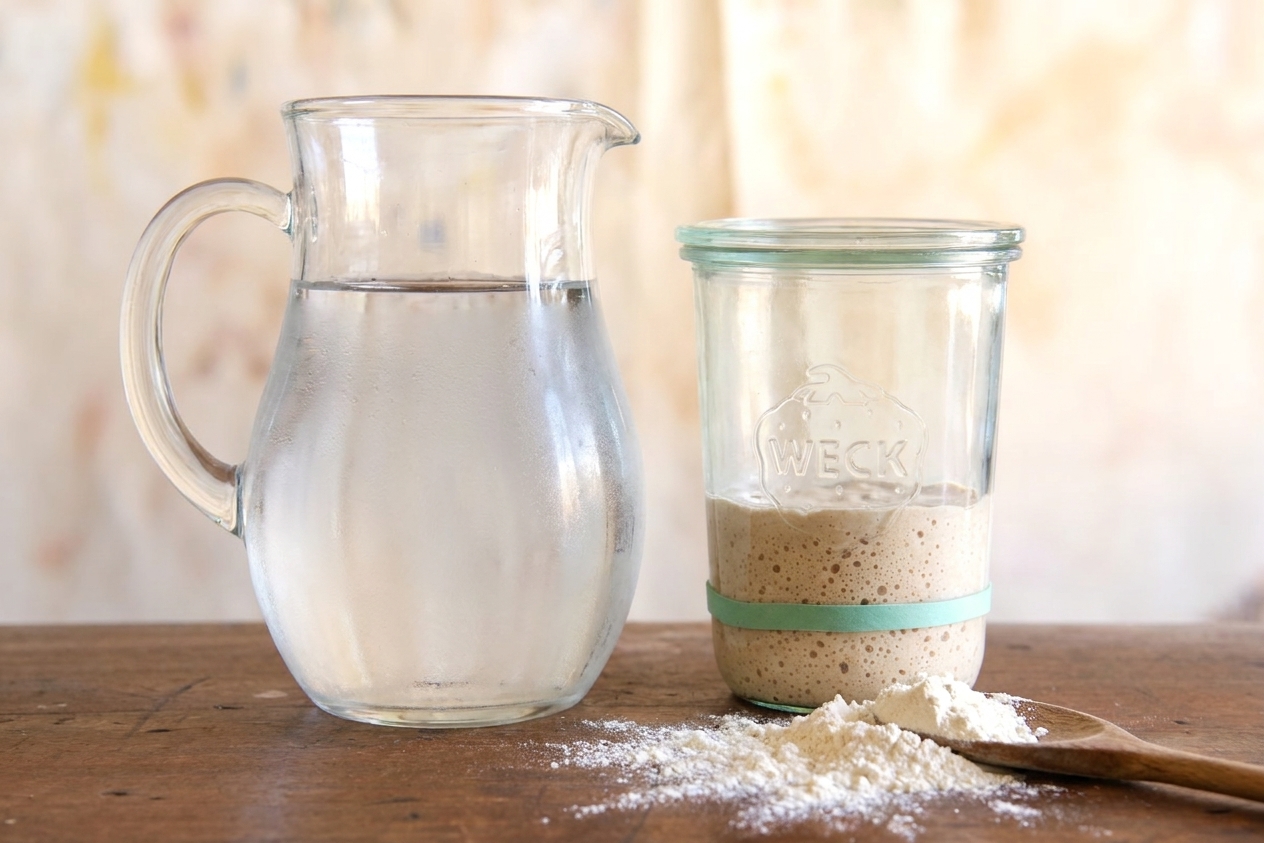
Chlorine (the regular kind, not chloramine) can often be reduced by letting water sit uncovered so it can dissipate. Timing varies with your water chemistry, the container, and the starting chlorine level, but a few hours to overnight often helps. If you want a simple rule of thumb, 12 to 24 hours is a safe window.
- Fill a wide-mouth pitcher or bowl with tap water.
- Let it sit uncovered at room temperature.
- Use that water for feedings.
In my house, this is the simplest habit. I just keep a pitcher on the counter when I am building a new starter, especially during the first 3 to 7 days.
Chloraminated tap water (chloramine)
How it affects a starter
Chloramine is a more stable disinfectant (a combination of chlorine and ammonia) used by many water systems. The important part for sourdough: chloramine does not reliably dissipate by sitting out. So if your water supply uses chloramine, leaving a pitcher overnight often does very little.
Can you still make a starter with chloraminated water? Sometimes, yes. But if you are having a slow, stubborn start, chloramine is one of the first things I would troubleshoot.
What to do instead
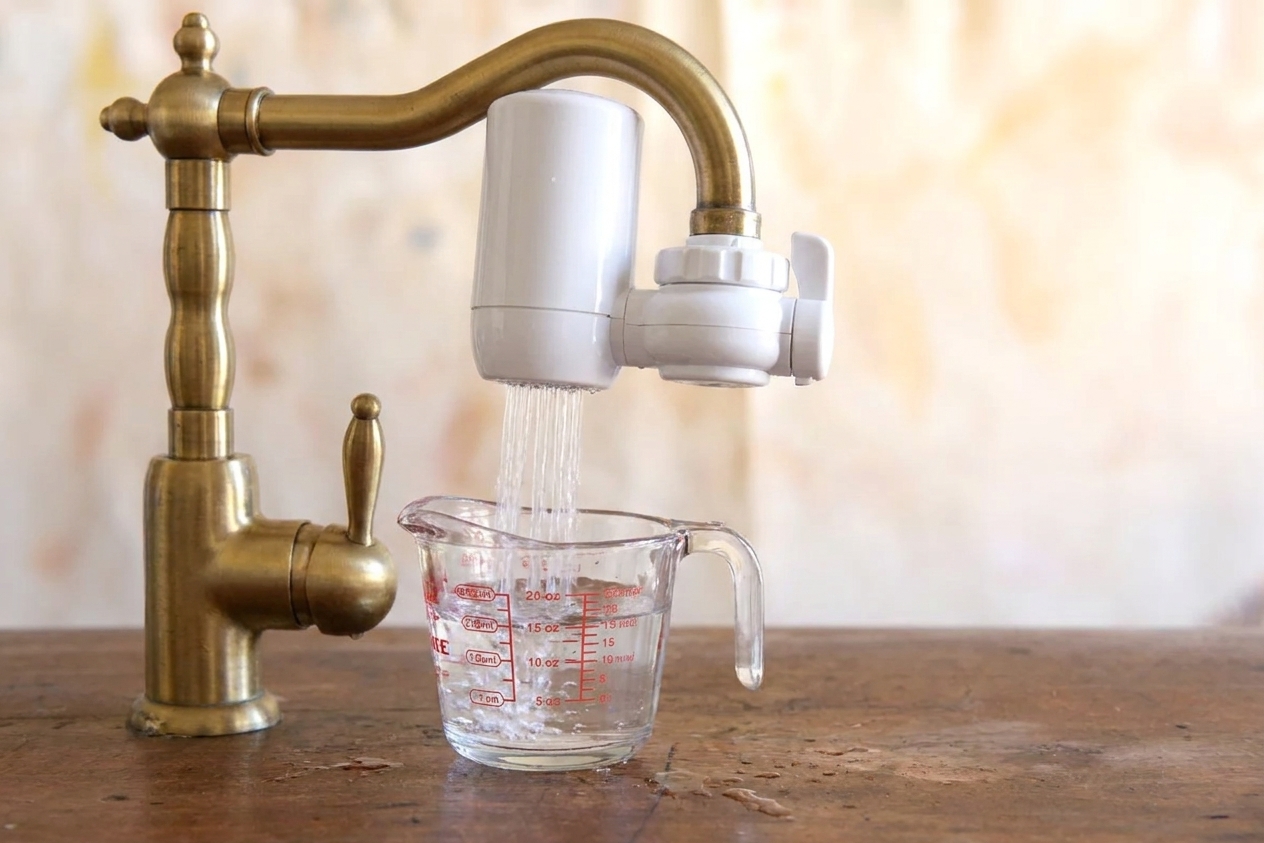
- Use a filter that is rated to reduce chloramine (not all basic carbon filters do).
- Use bottled water as a temporary troubleshooting step.
- Use well water if you have access to it and it is safe to drink.
If you are unsure whether your city uses chlorine or chloramine, check your local water utility’s annual water quality report. It is usually posted online.
Filtered water
Is filtered water good for starter?
Often, yes. Filtered water can be a great middle ground: easy, consistent, and fermentation-friendly.
What matters is what the filter removes
- Basic carbon filters commonly reduce chlorine taste and odor. Many also help your starter if chlorine is the issue.
- Chloramine reduction is not guaranteed with every pitcher or faucet filter. Look for “chloramine” on the packaging or certification notes. (If you like specifics, many filters list NSF/ANSI standards, and chlorine reduction is commonly associated with NSF/ANSI 42. Chloramine reduction is filter-specific.)
- Reverse osmosis (RO) removes a lot, including minerals. Starters can still thrive, and flour provides the real nutrition. Still, some bakers report RO water can feel a little less punchy, especially with a young starter.
My practical take: if you already drink filtered water and your starter acts happy, keep going. Consistency is more important than chasing “perfect” water.
Bottled water
When bottled water helps
Bottled water is useful when you are troubleshooting a starter that is sluggish and you suspect your tap water is part of the problem. It is also handy if you are building a brand-new starter and want to remove variables.
Which bottled water to choose
- Spring water is often a good option because it typically contains some minerals.
- Purified water can work too, though it may be closer to “blank” water depending on the brand.
- Distilled water is not my first choice for starters because it contains no minerals. It is not “bad,” but it is rarely necessary and can make fermentation feel less robust.
If you switch to bottled water and your starter suddenly perks up, that is a big clue that your tap water disinfectant level was slowing things down.
Well water
Can you use well water for sourdough?
Usually, yes, and many starters thrive on it. Well water often has no added chlorine or chloramine and contains natural minerals that can support fermentation.
Two cautions with well water
- Safety first: only use well water that is safe to drink. If your well is not routinely tested, consider using filtered or bottled water for your starter.
- Minerals vary: very hard water can make a starter behave differently, and in some kitchens it may slow things down. It is not a common dealbreaker, but if your starter seems off, try blending half well water and half filtered water for a week and see if it improves.
Softened water
If your home has a water softener (ion-exchange), it is usually fine for sourdough. But if your water tastes noticeably salty or your starter seems weirdly sluggish, try a simple test: feed with filtered water or bottled spring water for a few days and compare. It is an easy variable to rule in or out.
Boiling water
Boiling is another option people ask about. Boiling and cooling can reduce free chlorine, but it is not a reliable fix for chloramine. Also, it is slower than it sounds because you still need the water to cool to a starter-safe temperature. If it works for your routine, great, but I find standing water or filtering simpler.
When tap water is totally fine
Tap water is usually fine if:
- Your starter rises reliably after feeding (even if it is not a dramatic doubling every time).
- You see steady bubbles and a pleasantly tangy, yeasty smell.
- Your tap water has no strong chlorine odor.
- You have successfully baked with the starter before.
If you have ruled out chloramine and the chlorine smell is mild, there is a good chance your regular tap water is perfectly workable.
Once a starter is strong, it can often tolerate small amounts of disinfectant in water. New starters, on the other hand, are easier to stall, so water matters more during those first few days.
When to avoid your tap water
I would avoid using straight tap water (or at least test an alternative) if:
- Your water is heavily chlorinated and smells strongly like chlorine.
- Your city uses chloramine and your starter is consistently sluggish.
- You are using very hot tap water (from a water heater) for feedings. Use cold water and warm it gently if needed.
- Your water is from a questionable source (for example after flooding, boil advisories, or an untested private well).
Simple starter-safe water methods (pick one)
1) Let chlorinated water sit out
- Works best for chlorine (not chloramine).
- A few hours to overnight often helps. 12 to 24 hours is a safe rule of thumb if you want to keep it simple.
2) Use the right filter
- If your issue is chlorine, many carbon filters help.
- If your issue is chloramine, confirm the filter is rated for chloramine reduction.
3) Use bottled spring water for one week
This is my favorite “diagnostic” move. It is quick, consistent, and if your starter improves, you have your answer without guessing.
Water FAQs
Will chlorine kill my starter?
In typical municipal amounts, chlorine is more likely to slow a starter than instantly kill it. But repeated feedings with strongly chlorinated water can keep a young starter from gaining strength.
My starter is bubbling but not rising. Is it the water?
It could be, but it is not the only cause. Bubbling without much rise is often about consistency and gas retention: a starter that is too thin, a flour choice that does not thicken the mixture much, a cold kitchen, or feeding ratios that dilute the starter too far can all make it look active but not “lift.”
If you suspect water, try a week of filtered or bottled spring water and compare.
Should I use warm water?
Lukewarm water can help fermentation move along, especially in a cool kitchen. Avoid hot water that feels uncomfortable to the touch.
Is distilled water okay for sourdough starter?
It will hydrate flour, but it contains no minerals. Many bakers get better, more consistent results with filtered tap water or spring water.
Do I need to measure water pH or add minerals?
No. In a home kitchen, that is almost never necessary. The flour provides plenty of nutrition for the microbes, and consistency in your routine usually matters more than fine-tuning water chemistry.
My bottom-line recommendation
If you are just starting out, use the simplest option that removes doubt: filtered water (especially if it reduces chlorine) or bottled spring water for the first week. Once your starter is reliably rising, try switching to your normal tap water. If nothing changes, congratulations, you just made sourdough even easier for your future self.
If you want, tell me what city you are in (or whether you have well water), and what your starter is doing day by day. I can help you narrow down whether water is actually the issue or if it is something simpler like temperature or feeding ratios.