A reliable, home-tested method for a classic sourdough boule baked in a preheated Dutch oven. Includes timing cues, shaping, cold proofing, scoring, and a cr...
Recipe Homely
November 16, 2026
Why Is My Sourdough Bread Dense and Gummy?

Sarah Jenkins
Sarah Jenkins is a passionate home cook and the voice behind Recipe Homely, dedicated to making everyday meals stress-free and delicious. With over a decade of experience feeding a busy family, she specializes in rigorously tested, approachable recipes for dinners, desserts, and everything in between. When she isn't developing new dishes, Sarah can be found browsing local farmers' markets or baking with her two children.
I have baked my share of sourdough loaves that looked promising in the oven and then, the second I cut into them, felt like I had made a loaf-shaped gummy bear. If your sourdough is dense, gummy, or both, you are not alone. The good news is that these problems most often come from a small handful of fixable issues: fermentation timing, starter strength, oven heat, or cutting too soon.
This guide assumes you already have a loaf formula you like. We are going to diagnose what happened after the bake and help you nail the next one.
Quick diagnosis
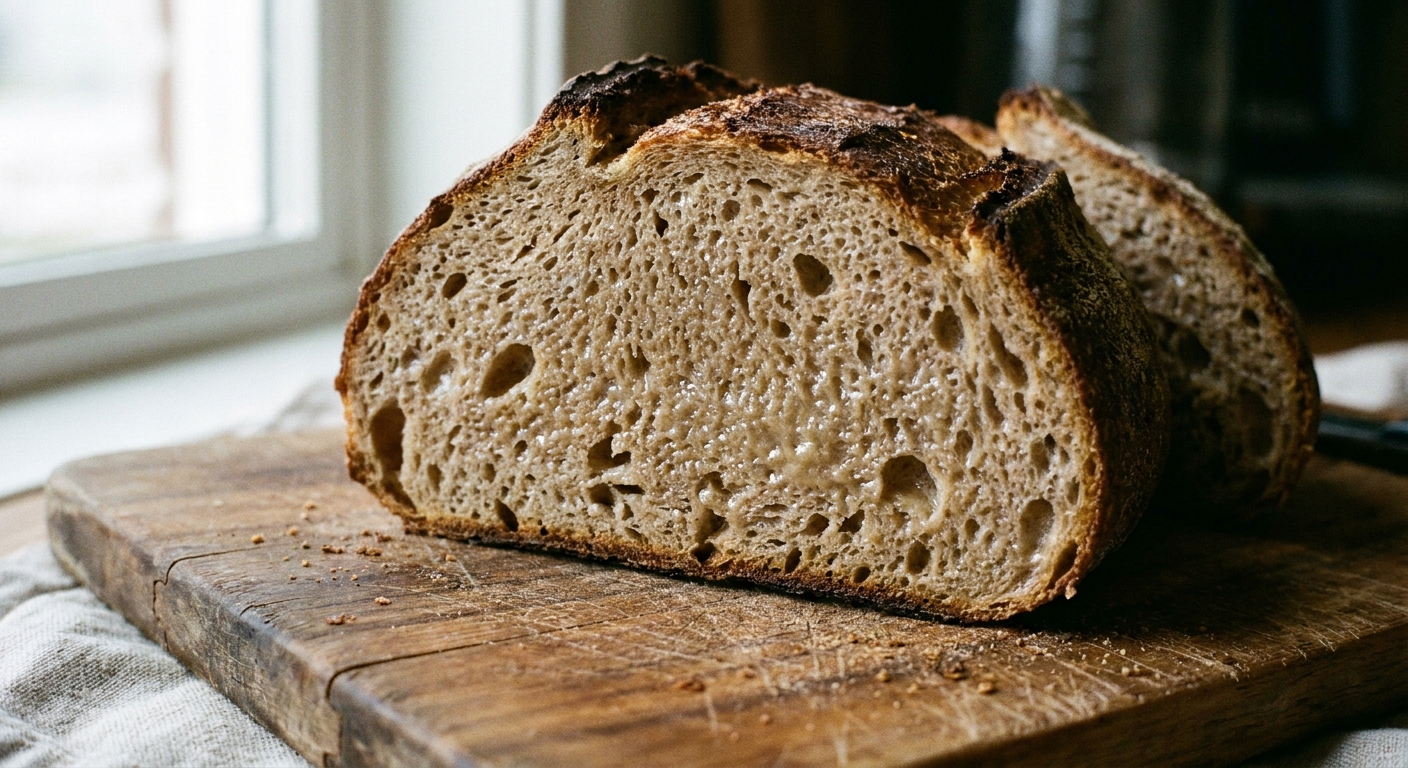
Before you change anything, take a minute to observe your loaf. These clues tell you which lever to pull next time.
- Dense and gummy with a torn, tight crumb and big tunnels: often underproofed (not fermented long enough), but big tunnels can also come from shaping or uneven degassing (trapped pockets of air).
- Dense and gummy but also flat with a weak rise and a spread-out shape: often overproofed (fermented too long), starter not ready, or a dough that never built enough strength early on.
- Gummy line near the bottom crust: commonly underbaked or oven too cool, sometimes combined with too much steam late in the bake.
- Looks fine but feels gummy when sliced: frequently sliced while hot.
If you can, snap a quick photo of the crumb for yourself. It is the easiest way to compare improvements loaf to loaf.
Cause 1: Underproofing
Underproofing means the dough did not ferment long enough to build gas and structure. The loaf goes into the oven before it is truly ready, so it cannot expand well, and the crumb sets up tight and slightly tacky.
Signs your loaf was underproofed
- Tight crumb with a stretchy, slightly wet feel.
- Large tunnels scattered through otherwise dense bread (also see the shaping note below).
- Strong oven spring but uneven, sometimes with a dramatic burst at one side.
- Thick, chewy crust with a compressed interior.
Why it happens
- Bulk fermentation was too short for your kitchen temperature.
- Dough was cold (cold ingredients, cold counter, winter kitchen) so fermentation crawled.
- Starter was not active enough, which slows fermentation even if you waited “the usual time.”
How to fix underproofing next time
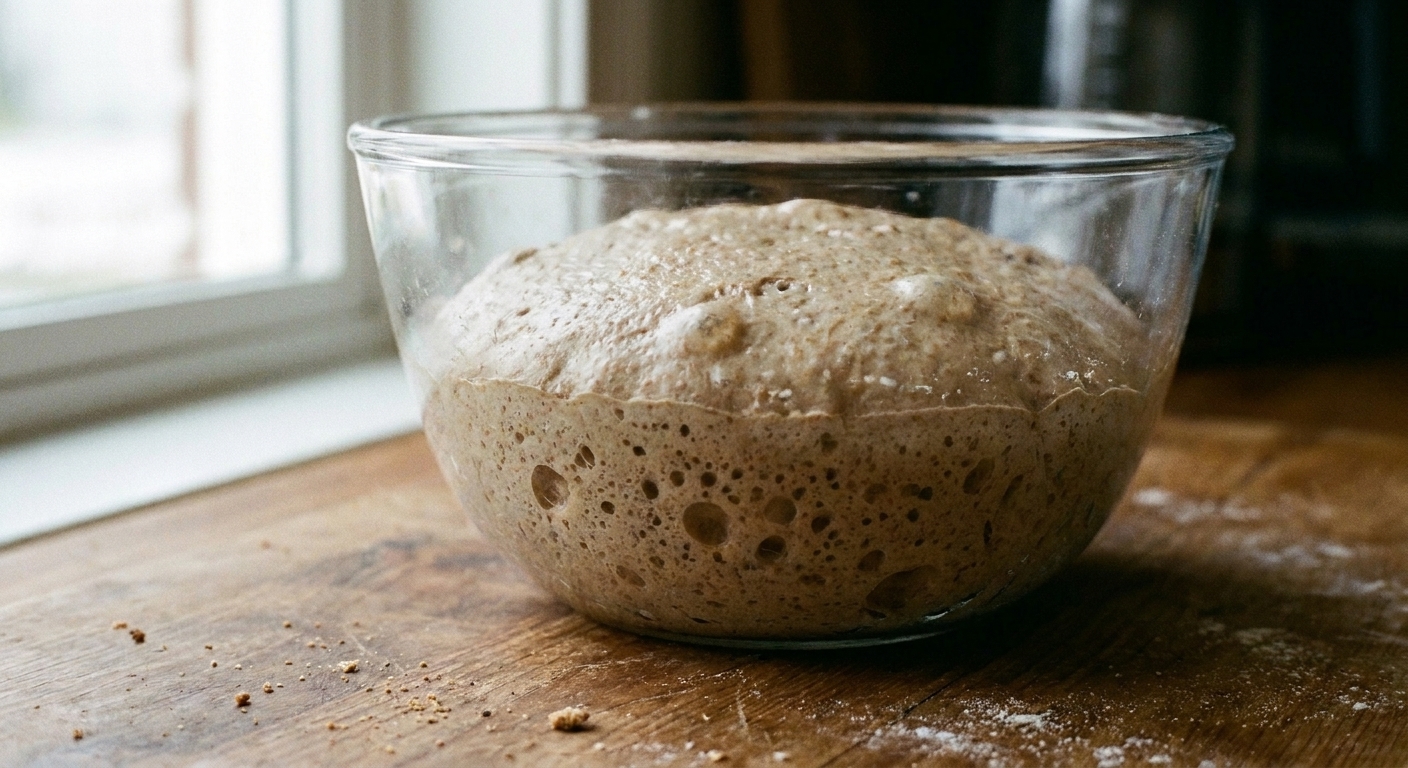
- Watch the dough, not the clock. In bulk fermentation, look for noticeable rise (often 30 to 75% depending on your method), a smoother, slightly domed top, bubbles along the sides, and a jiggle when you shake the bowl.
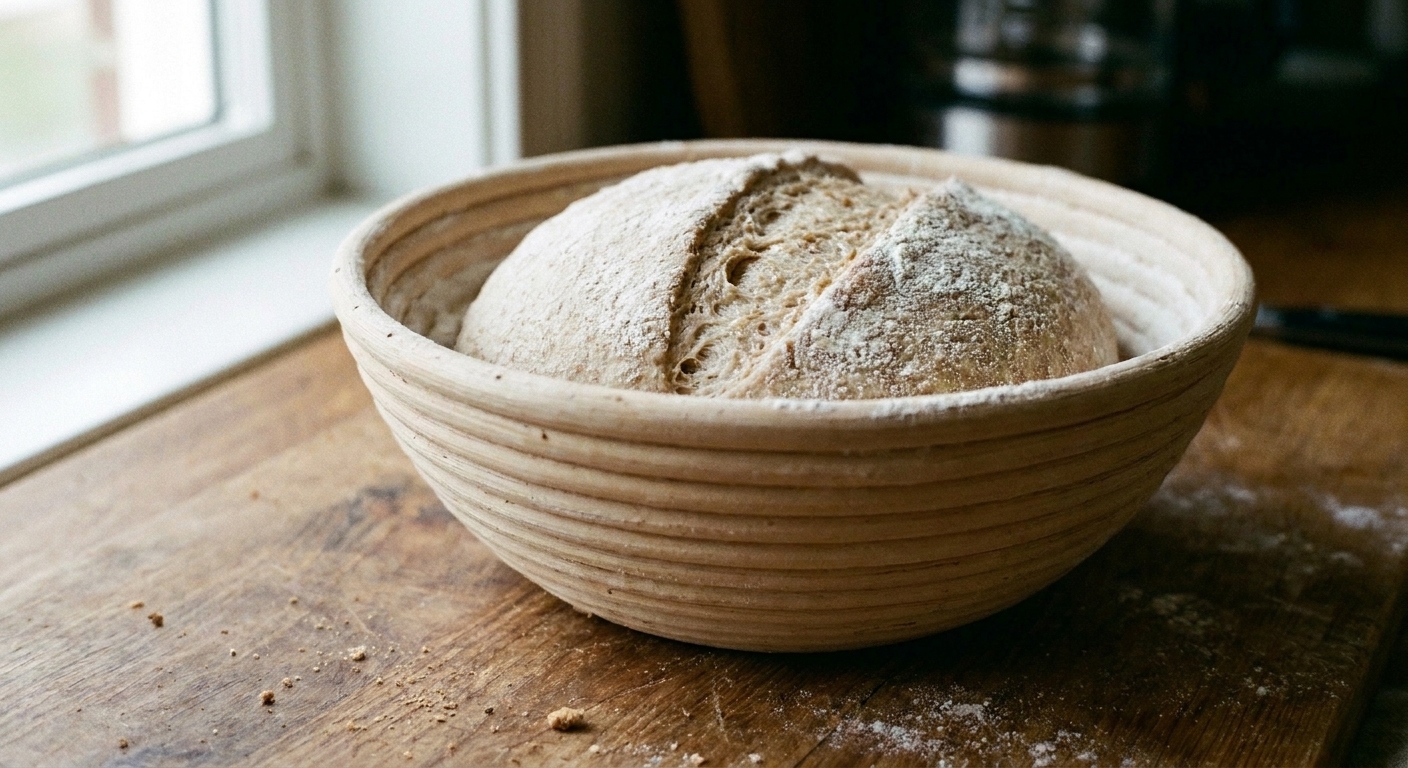
- Use the poke test during final proof. Gently poke the dough. If it springs back quickly and fully, it likely needs more time. If it springs back slowly and leaves a slight dent, it is closer to ready. Note: the poke test is most reliable at room temperature. Cold dough can feel firmer and “ready” when it is just cold.
- Warm up your fermentation environment. A turned-off oven with the light on, a microwave with a mug of hot water, or a warm spot on the counter can make your timing more predictable.
- Extend bulk first before extending final proof. In most workflows, dense loaves come from cutting bulk short and hoping the shaped proof will catch up. If you already do a long cold proof, the fix is usually earlier in bulk, not extra time in the fridge.
- If you see one or two giant tunnels, look at shaping. Deflate obvious big bubbles during preshape, then build even tension during shaping so you do not trap a pocket that bakes into a cave.
Cause 2: Overproofing
Overproofing means the dough fermented too long and the gluten structure weakened. The dough can look very airy, but it does not have the strength to hold gas in the oven, so it bakes up squat and dense.
Overproofing can also show up as a crumb that feels tacky, fragile, or slightly shreddy, especially if the dough has become more acidic and the gluten has started to break down.
Signs your loaf was overproofed
- Loaf spreads outward rather than rising upward.
- Little oven spring and a flatter profile.
- Very fragile dough during shaping, hard to build tension.
- Poke test: the dough dents and does not spring back (again, this is easiest to read at room temperature).
Why it happens
- Bulk fermentation went too long, especially in a warm kitchen.
- Final proof went too long at room temperature.
- Fridge proof was longer than your dough can tolerate (this varies by starter strength, flour type, hydration, and fridge temperature).
How to fix overproofing next time
- Shorten fermentation at warmer temps. If your kitchen is hot, you often need less bulk time than recipes suggest.
- Use the fridge strategically. If you want an overnight proof, refrigerate sooner, not later. Get the shaped loaf cold before it over-ferments on the counter.
- Build strength early. A few well-timed stretch-and-folds (or coil folds) during bulk help the dough hold onto gas without collapsing later.
Cause 3: Starter not at peak
This one is sneaky because it can look like a proofing issue. If your starter is weak, overly acidic, or simply not peaked yet, fermentation slows down and gluten can break down at the same time. The result is often a loaf that is heavy, tacky, and disappointing even if you followed the times.
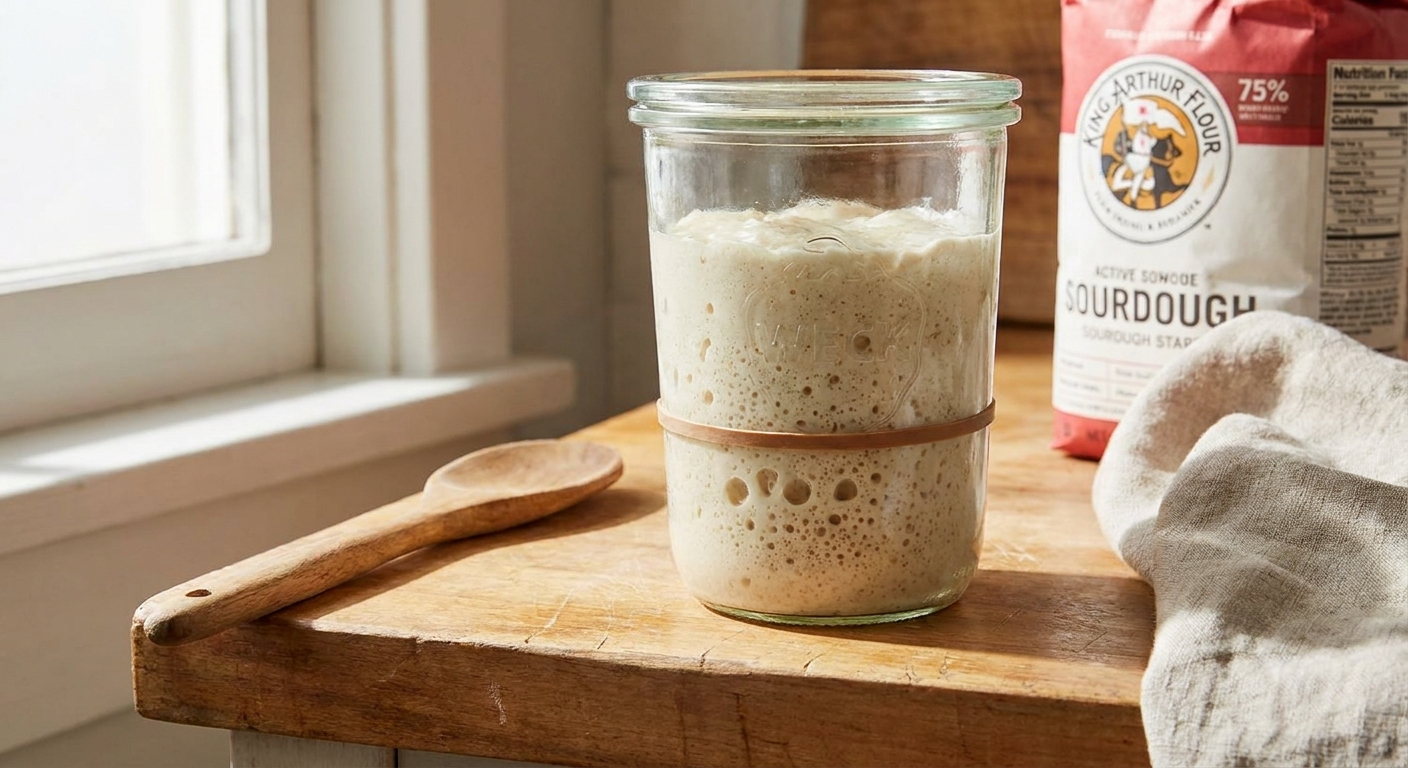
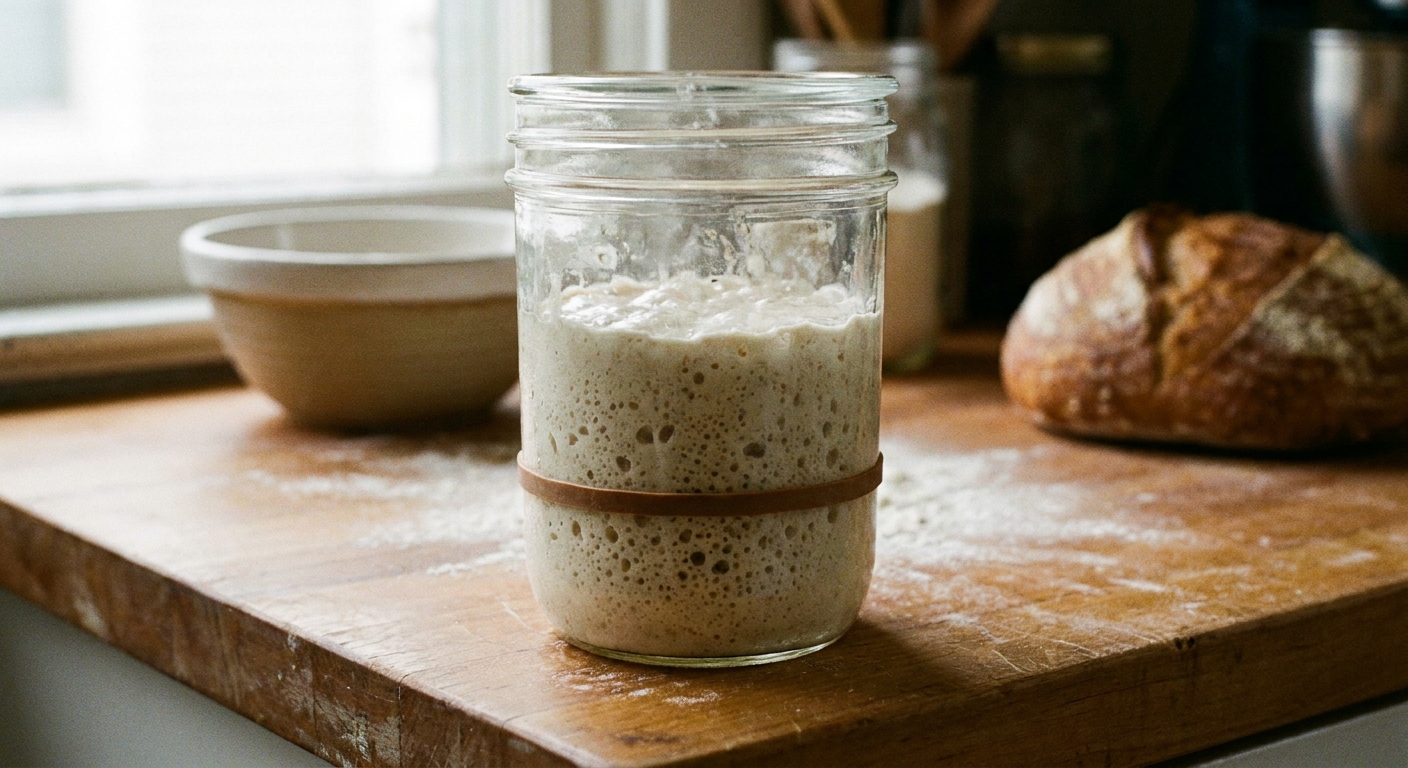
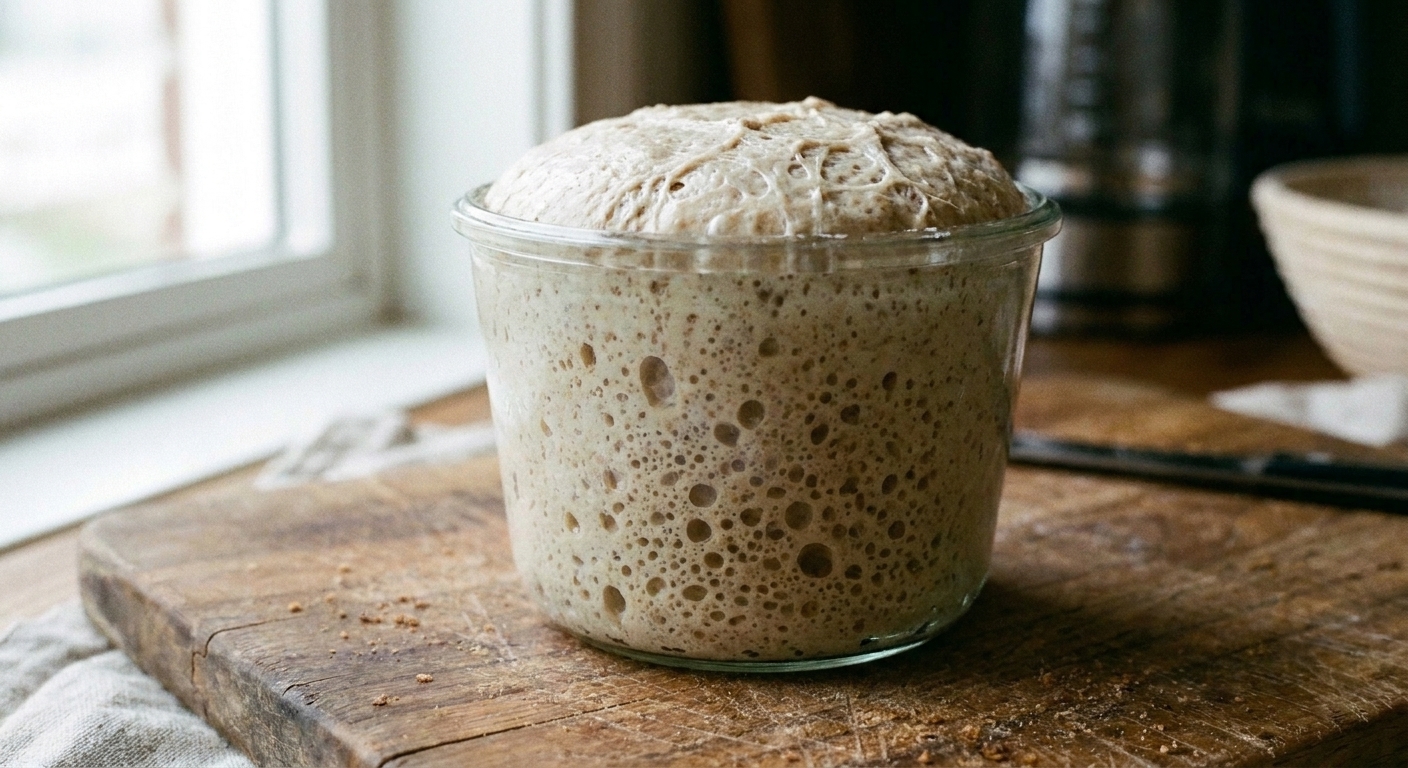
What starter at peak looks like
- It has risen to its highest point and the top looks domed or just starting to flatten.
- Bubbles throughout, not just on the surface.
- Smell: pleasantly tangy, yogurt-like, mildly fruity, not sharply vinegary.
- Texture: airy and spoonable, not runny.
Common starter timing problems
- Using it too early: starter has not built enough gas yet, so the dough starts slow.
- Using it too late: starter has risen and fallen, is more acidic, and can weaken dough structure.
- Not feeding enough or not often enough: it never reaches a strong, predictable peak.
How to fix it
- Feed so it peaks when you want to mix. For many home kitchens, a morning or mid-day feed works better than a late-night one.
- Try a larger feeding ratio. If your starter peaks too fast and collapses before you can use it, feeding more flour and water relative to starter can lengthen the peak window.
- Use warm water (not hot) to help fermentation if your kitchen runs cool.
Cause 4: Oven too cool
Sourdough needs strong initial heat to get good oven spring and to set the crumb before the loaf dries out. If the oven is cooler than you think, the crust forms slowly, the loaf spreads, and the inside can stay tacky.
Signs your oven setup is the issue
- Pale crust even after a full bake time.
- Weak oven spring despite good fermentation.
- Gummy or tacky crumb especially near the bottom.
Fixes that make a big difference
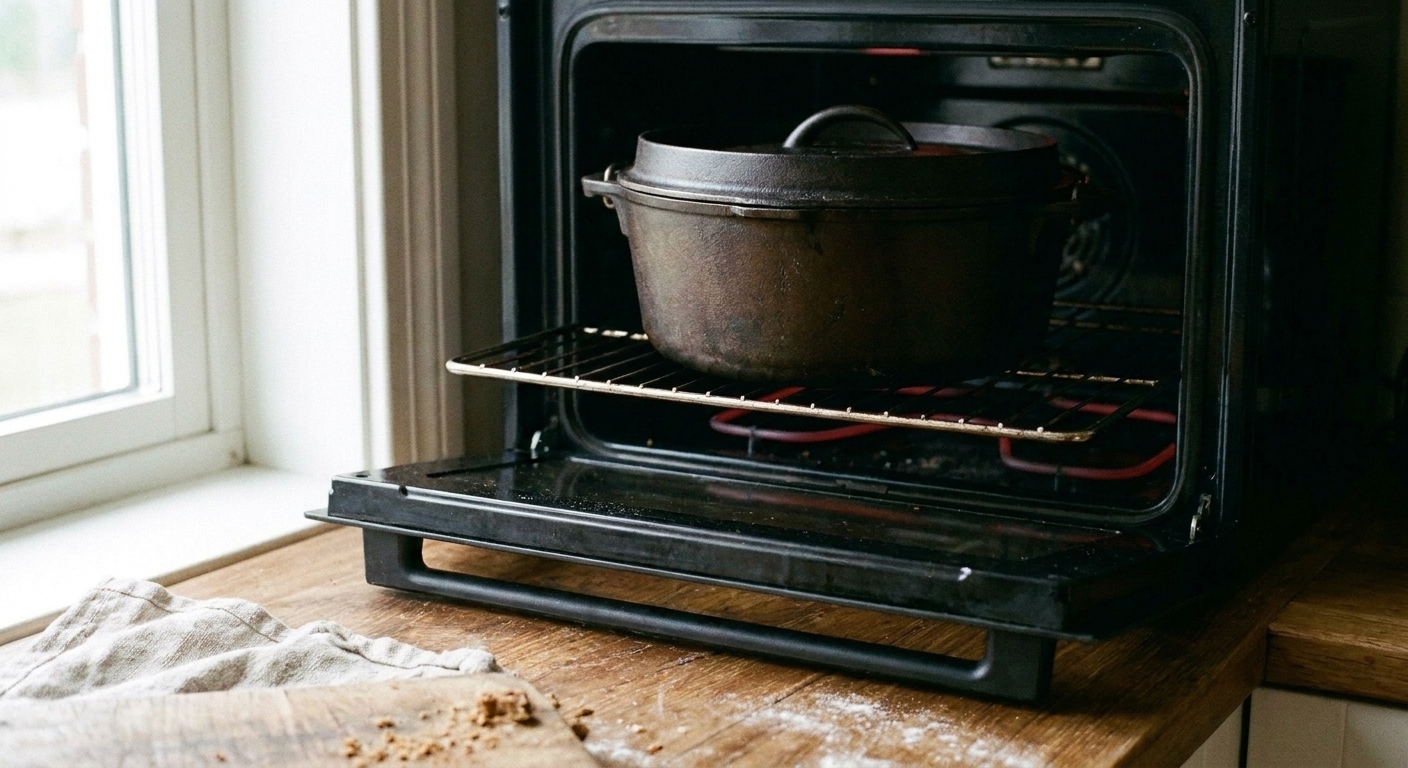
- Preheat longer than you think. For Dutch oven baking or baking on a stone or steel, I like a solid 45 to 60 minutes of preheating so the equipment is fully heat-soaked.
- Use an oven thermometer. Many ovens run 25 to 50 degrees off. That is enough to change your crumb.
- Do not vent steam too early. If you bake with a covered Dutch oven, keep it covered for the steam phase your method calls for, then uncover to finish browning and drying the crumb.
- Check doneness with temperature. Many lean sourdough loaves are done around 205 to 210 F (96 to 99 C). Very wet loaves sometimes benefit from pushing closer to 212 F (100 C), plus a few extra minutes to dry the crumb.
Cause 5: Slicing too soon
I know. Fresh bread smells like a warm hug and waiting feels cruel. But cutting too early is one of the fastest ways to turn a properly baked loaf into a gummy one.
Inside the loaf, starches and moisture are still settling after baking. When you slice hot bread, steam escapes quickly and the crumb can compress and turn tacky.
How long to cool before slicing
- Minimum: 1 hour for smaller loaves.
- Better: 2 hours for standard boules and batards.
- Best for super-clean slices: 3 to 4 hours if you can stand it.
Cooling tips
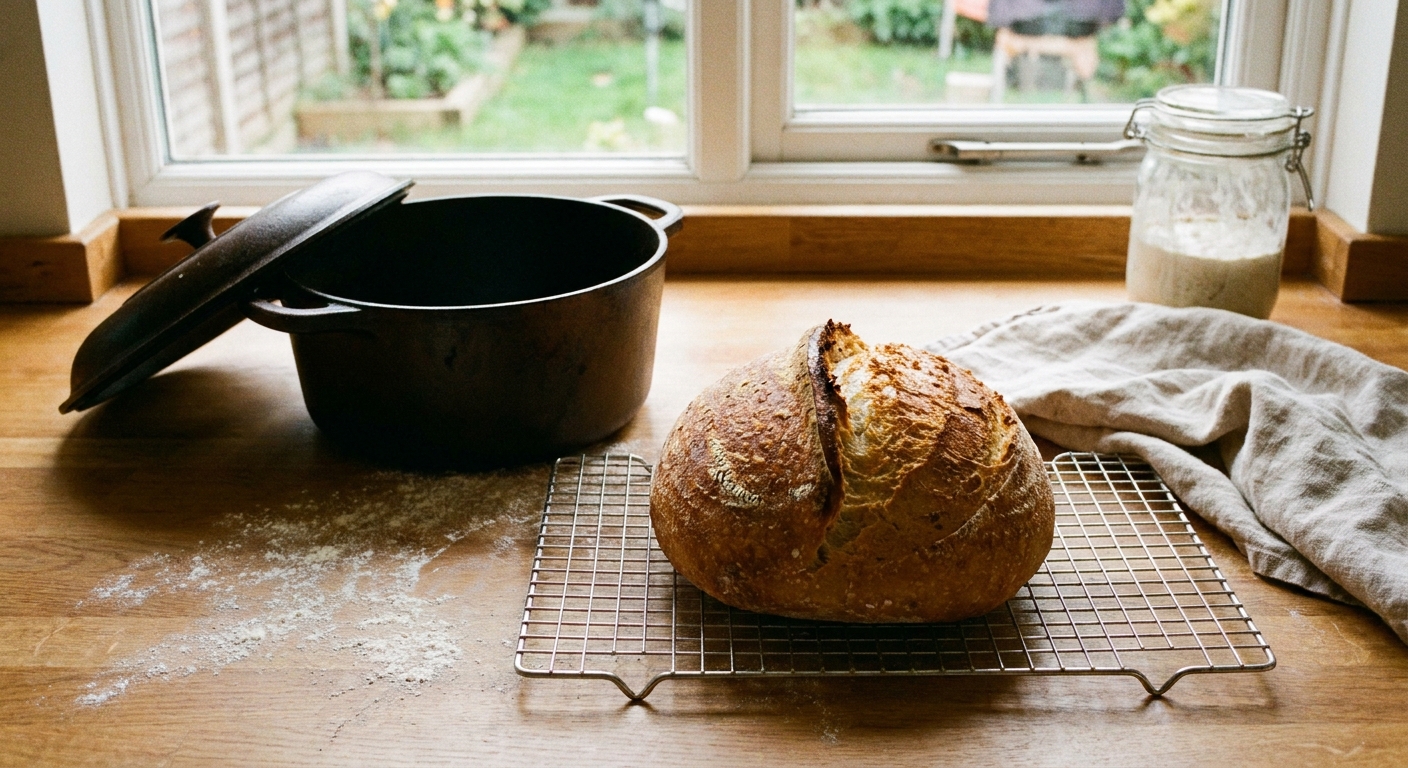
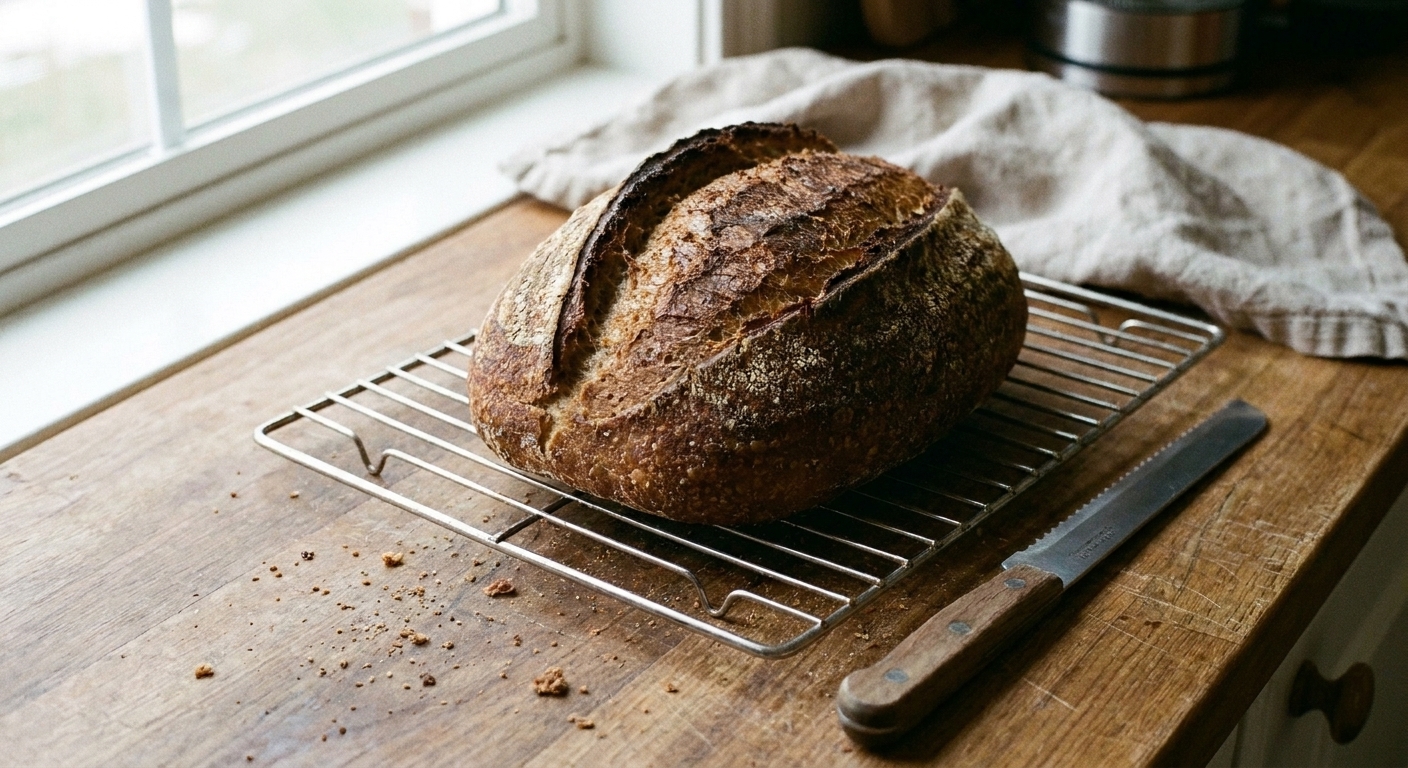
- Cool on a rack so air can circulate underneath.
- Avoid covering with a towel while it is still hot if you want a crisp crust and a drier crumb. (Some bakers cover intentionally to soften the crust, but it can trap steam and make the interior feel gummier.)
- Use a sharp serrated knife and a gentle sawing motion. Pressing down while slicing can compress the crumb and make it seem tackier than it really is.
Other causes to rule out
If you have already dialed in proofing, starter timing, oven heat, and cooling, these are the next most common culprits behind a dense or gummy loaf.
- Flour choice and protein level. Lower-protein flour can struggle to hold structure, especially at higher hydration. Whole wheat and rye can also feel gummier if you do not adjust hydration and bake thoroughly.
- Hydration that is too high for your flour or skill level. High hydration should still bake up set, not pasty, but it can make shaping harder. If you are stuck, try lowering hydration 3 to 5% for one bake and see if your crumb improves.
- Not enough gluten development. If the dough never got strong early on (insufficient mixing, too few folds), it may not trap gas well and can bake up tight even if fermentation was fine.
- Over-degassing during shaping. Being too aggressive can knock out the gas you worked to build. Being too gentle can leave trapped pockets. Aim for even, calm handling.
- Scoring and steam setup. Poor scoring or not enough steam early can limit oven spring and lead to a denser crumb.
How to save it
If your loaf is already baked, you cannot proof it again, but you can still make it delicious.
- Toast it: thick slices toasted low and slow dry out the crumb and improve texture.
- Make croutons: cube, toss with olive oil and salt, bake until crisp.
- Turn it into breadcrumbs: dry slices in a low oven, then pulse.
- French toast: especially great if the loaf is only slightly gummy.
- Panzanella: dense bread holds up well in bread salad.
Next-loaf checklist
If you want the shortest path to better sourdough, focus on these five checks in this order:
- Starter: mix when it is at or near peak.
- Bulk fermentation: look for rise, bubbles, and a jiggly dough, not just time.
- Final proof: use the poke test and dough feel to decide (and remember cold dough reads differently).
- Oven: fully preheat your Dutch oven or baking surface and confirm temperature.
- Cooling: let the loaf cool completely before slicing.
FAQ
Can gummy sourdough be underbaked even if the crust is dark?
Yes. A dark crust can happen from high sugar content in the flour, a hot top element, or a long bake, while the interior still needs a bit more time to dry and set. Next time, verify doneness with internal temperature and consider lowering the oven temp slightly and baking a little longer.
Why is my sourdough dense even though I got good bubbles during bulk?
Two common culprits are overproofing after shaping (the dough loses strength and bakes up flat) and insufficient shaping tension (the dough cannot hold onto the gas it made). If the dough felt very fragile at shaping time, shorten fermentation next time. If it felt puffy but loose, practice building a tighter skin during shaping. Also consider whether your dough strength was built early enough through mixing and folds.
Does high hydration cause a gummy crumb?
High hydration can feel slightly more moist, but it should not be gluey or dense when properly fermented and baked. If you are consistently getting gummy results, fix fermentation and baking temperature first. After that, you can experiment with lowering hydration a little to make handling easier.
Is it normal for sourdough to be slightly chewy?
Yes. Sourdough is often chewier than sandwich bread. “Chewy” is different from “gummy.” Gummy feels sticky, pasty, or wet and clings to the knife.
Want help pinpointing the cause?
If you tell me your kitchen temperature, how long your bulk fermentation and final proof were, whether you cold-proofed, and when you fed your starter (and how it looked when you mixed), I can usually narrow this down to one or two fixes for your very next loaf.