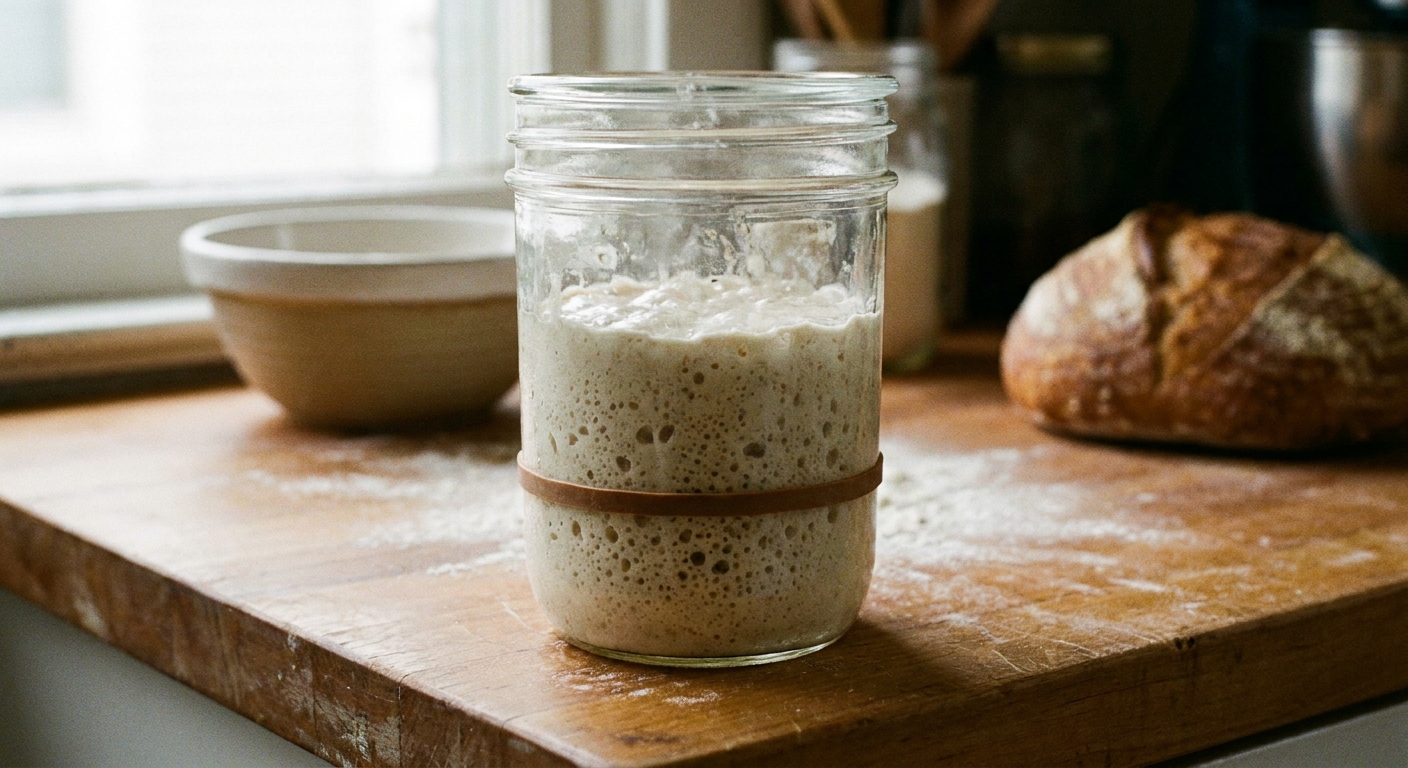
A friendly, tested guide to building a bubbly sourdough starter with just flour and water, plus how to feed it daily and know when it is ready to bake.
Recipe Homely
November 22, 2026
Best Flour for Sourdough Starter

Sarah Jenkins
Sarah Jenkins is a passionate home cook and the voice behind Recipe Homely, dedicated to making everyday meals stress-free and delicious. With over a decade of experience feeding a busy family, she specializes in rigorously tested, approachable recipes for dinners, desserts, and everything in between. When she isn't developing new dishes, Sarah can be found browsing local farmers' markets or baking with her two children.
I learned the hard way that sourdough starter is not “fussy,” it is just honest. Feed it a flour it loves and it will practically hop out of the jar. Feed it a flour that is slow to ferment (or one that does not match your kitchen schedule) and it will act like it is giving you the silent treatment.
If you are staring at a shelf of flour and wondering what to buy for a starter, you are in the right place. I am going to compare all-purpose, bread flour, whole wheat, and rye for both building a brand-new starter and maintaining one long-term, including activity, flavor, hydration needs, and cost. Then I will walk you through how to switch flours without stressing out your starter.
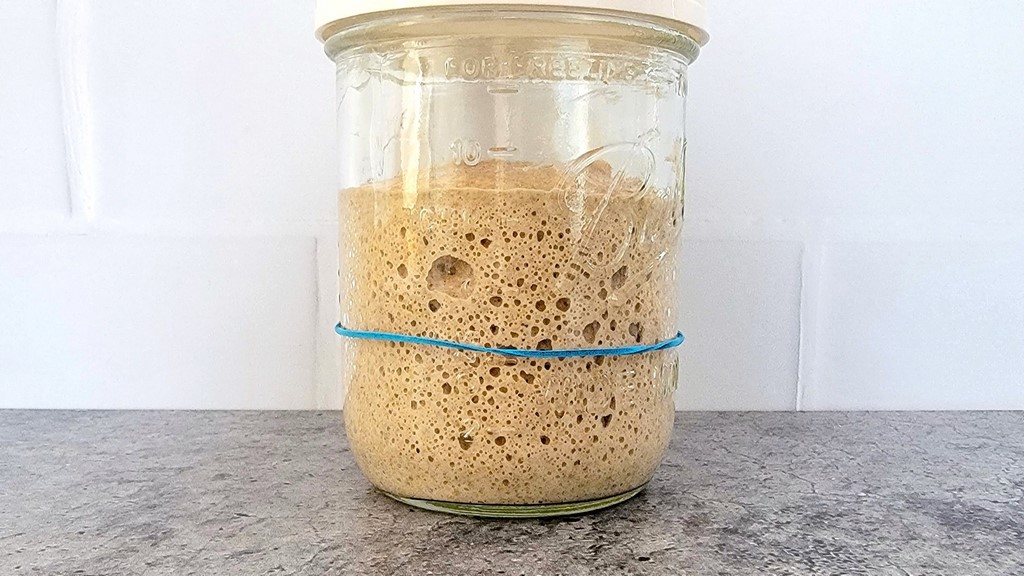
What flour does to a starter
A sourdough starter is a living culture of wild yeast and bacteria. Flour is not just food for them, it also sets the tone for how quickly they work and what byproducts they create (which is where flavor comes from).
- More minerals and enzymes generally means more activity. Whole grain flours carry more of the grain’s outer layers, which have extra nutrients that microbes love.
- Higher protein can mean a thicker, stronger paste at the same hydration, which affects how your starter rises and holds bubbles.
- Whole grains absorb more water. A starter fed with whole wheat or rye often needs a little extra water to stay the same consistency as an all-purpose starter.
- Freshness and storage matter. Flour that is fresh (and kept airtight, cool, and dry) can ferment more predictably than flour that has picked up off smells, humidity, or pantry staleness.
Quick picks
Best flour for beginners
All-purpose flour is my top pick for most beginners because it is affordable, easy to find, forgiving, and works well for day-to-day feeding once the starter is established. If you want a faster, more reliable start, do half all-purpose and half whole wheat or rye for the first week.
Best flour for fast activity
Rye flour (or whole wheat) tends to wake a starter up quickly because it is nutrient-dense. If your starter is sluggish, one or two rye feedings is my favorite quick boost.
Best flour for daily feeding
For most home bakers: all-purpose for routine feedings, plus whole wheat or rye occasionally when you want extra vigor. If you bake mostly artisan loaves and like a stronger starter: bread flour is also a great everyday option.
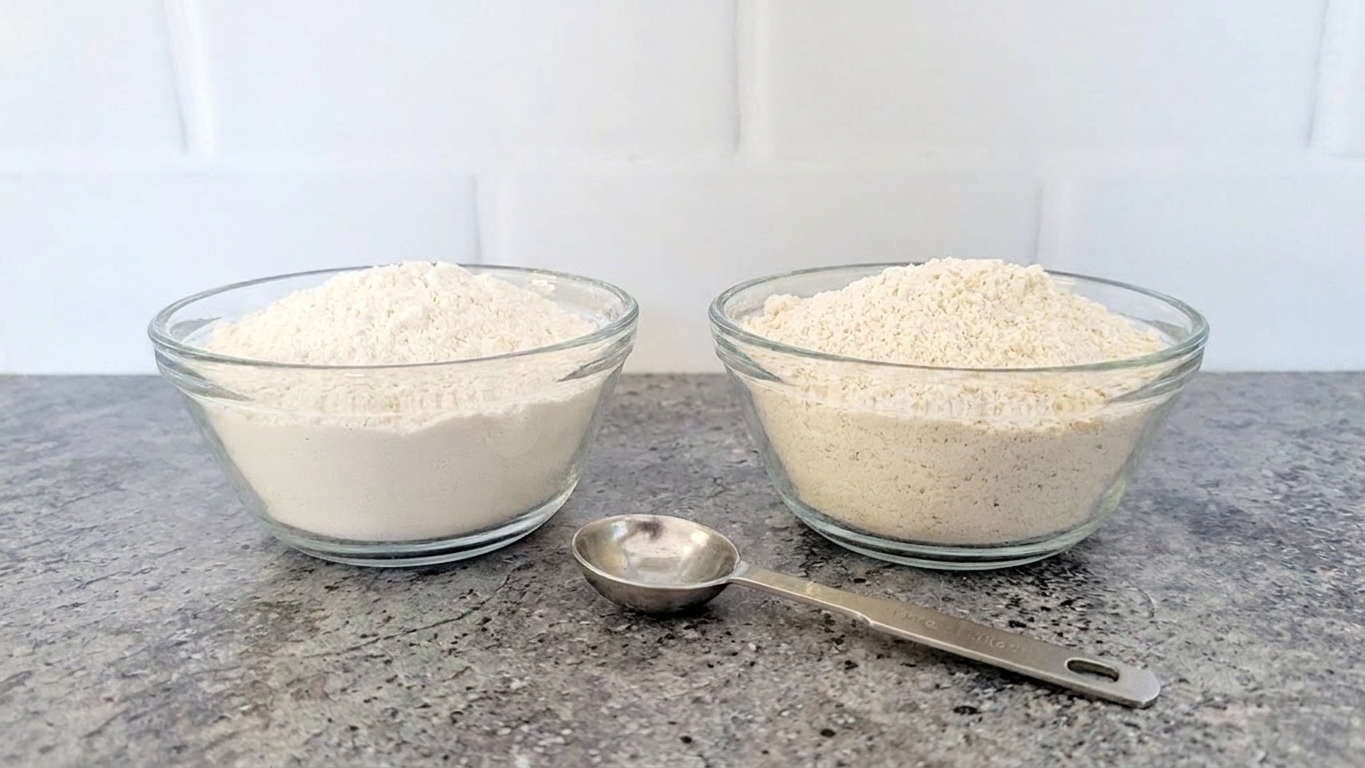
All-purpose flour starter
How it performs
All-purpose flour makes a starter that is steady, mild, and easy to manage. It may take a bit longer to become very active compared to rye, but once it is established, it can be wonderfully predictable.
Activity
- Moderate during the first week, especially if your kitchen runs cool.
- Consistent once mature, usually peaking in a reliable window after feeding.
Flavor
Mild and wheaty. This is great if you want a starter that plays nicely with everything from sandwich bread to pizza dough.
Hydration needs
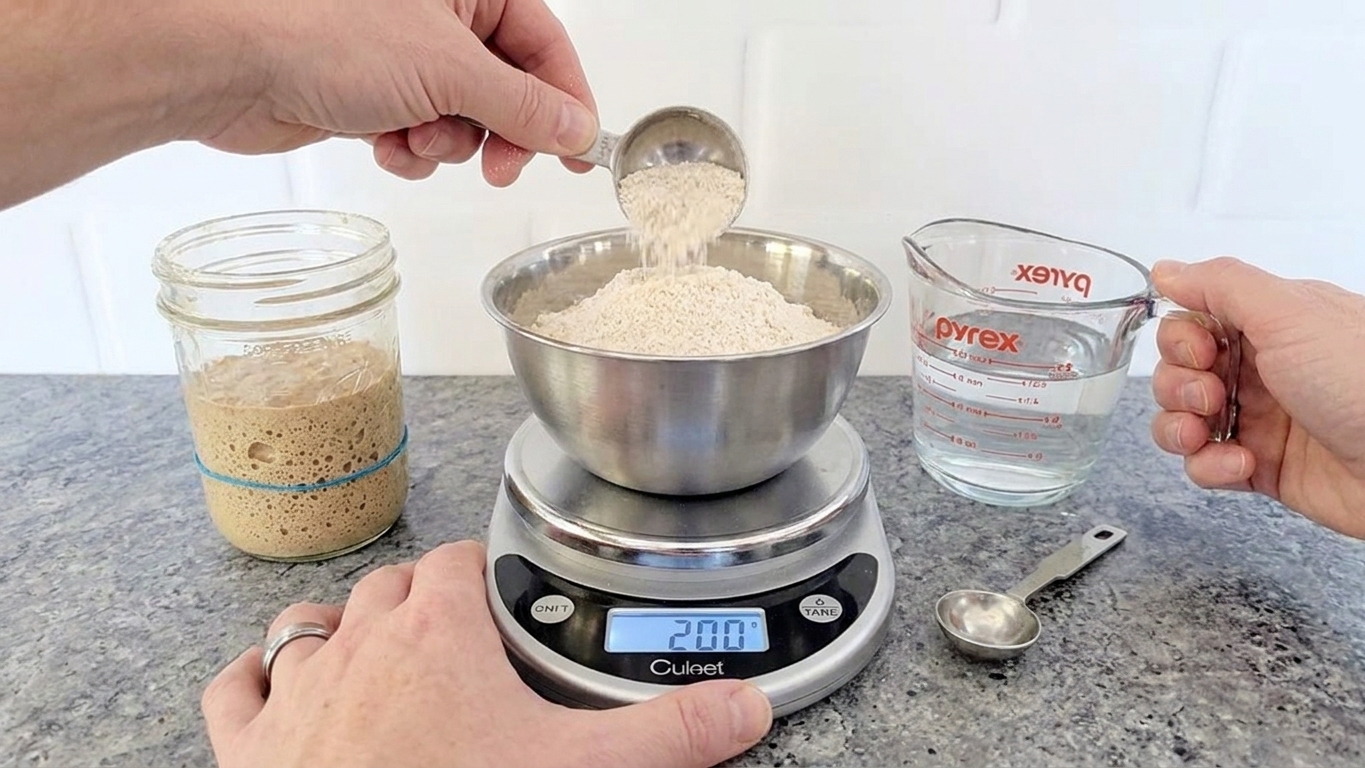
All-purpose is the easiest baseline. A 100% hydration starter (equal weights flour and water) typically makes a thick batter or soft paste, depending on the brand.
Cost
Often the most budget-friendly option, which matters because starter feeding is small but ongoing.
My take
If you are new to sourdough and want a calm, low-drama experience, start with all-purpose or do a blend: mostly all-purpose with a spoonful of rye or whole wheat in each feeding for the first few days.
Bread flour starter
How it performs
Bread flour is higher in protein than most all-purpose flours. In a starter, that often means a slightly stronger structure and a paste that can hold gas well, which can make the rise look extra impressive even when the fermentation speed is similar.
Activity
- Moderate to strong, often similar to all-purpose, sometimes a touch more vigorous depending on brand.
- Can look very “tall” because the starter has more structure.
Flavor
Clean, wheaty flavor, similar to all-purpose. Not as earthy as whole wheat or rye.
Hydration needs
Many bread flours absorb a little more water than all-purpose. If your starter suddenly feels stiff after switching to bread flour, add a little water at the next feeding until it returns to your usual consistency. If you like numbers, 5 to 10 grams is often enough for a small home starter.
Cost
Usually a little more expensive than all-purpose, but still reasonable.
My take
If you mostly bake sourdough boules, batards, and pizza and you already keep bread flour on hand, it is a perfectly good everyday feeding flour. I would not buy it solely for starter unless you prefer it for baking too.
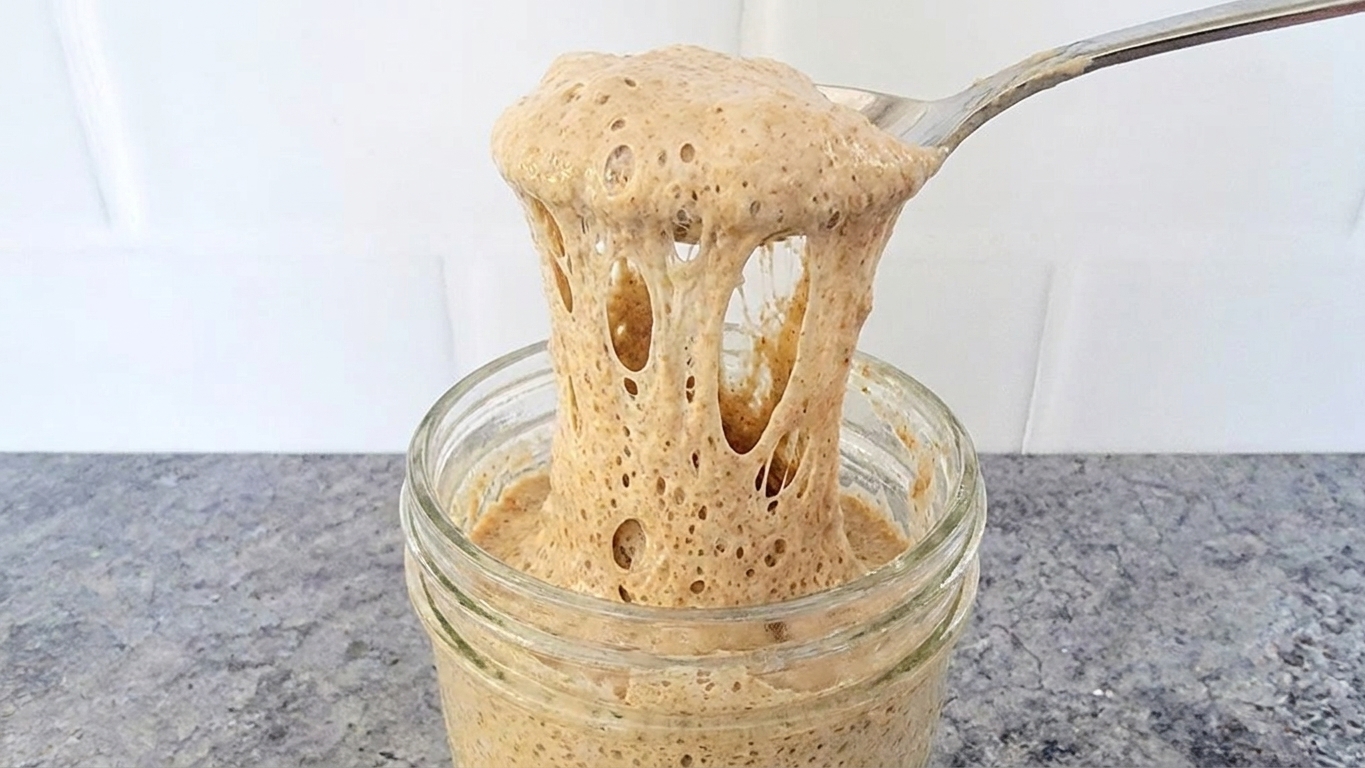
Whole wheat flour starter
How it performs
Whole wheat flour is like switching your starter from “plain oatmeal” to “oatmeal with nuts and fruit.” More nutrients, more flavor, and often a quicker fermentation.
Activity
- Strong, especially when you are building a new starter or reviving one.
- Often bubbles earlier and peaks sooner after feeding.
Flavor
More complex and slightly nutty. Starters fed primarily whole wheat can taste a bit more tangy or robust over time.
Hydration needs
Whole wheat absorbs more water. If you keep feeding equal weights, your starter may look thicker than it did with all-purpose. That is fine, but if it becomes dry or struggles to rise, add a bit more water to reach a thick pancake-batter consistency.
Cost
Often a bit more than all-purpose, depending on brand and whether you buy organic. Still very accessible.
My take
Whole wheat is my favorite helper flour. I love keeping all-purpose as my everyday base, then using whole wheat for one feeding when my starter seems slow or I need it ready sooner.
Rye flour starter
How it performs
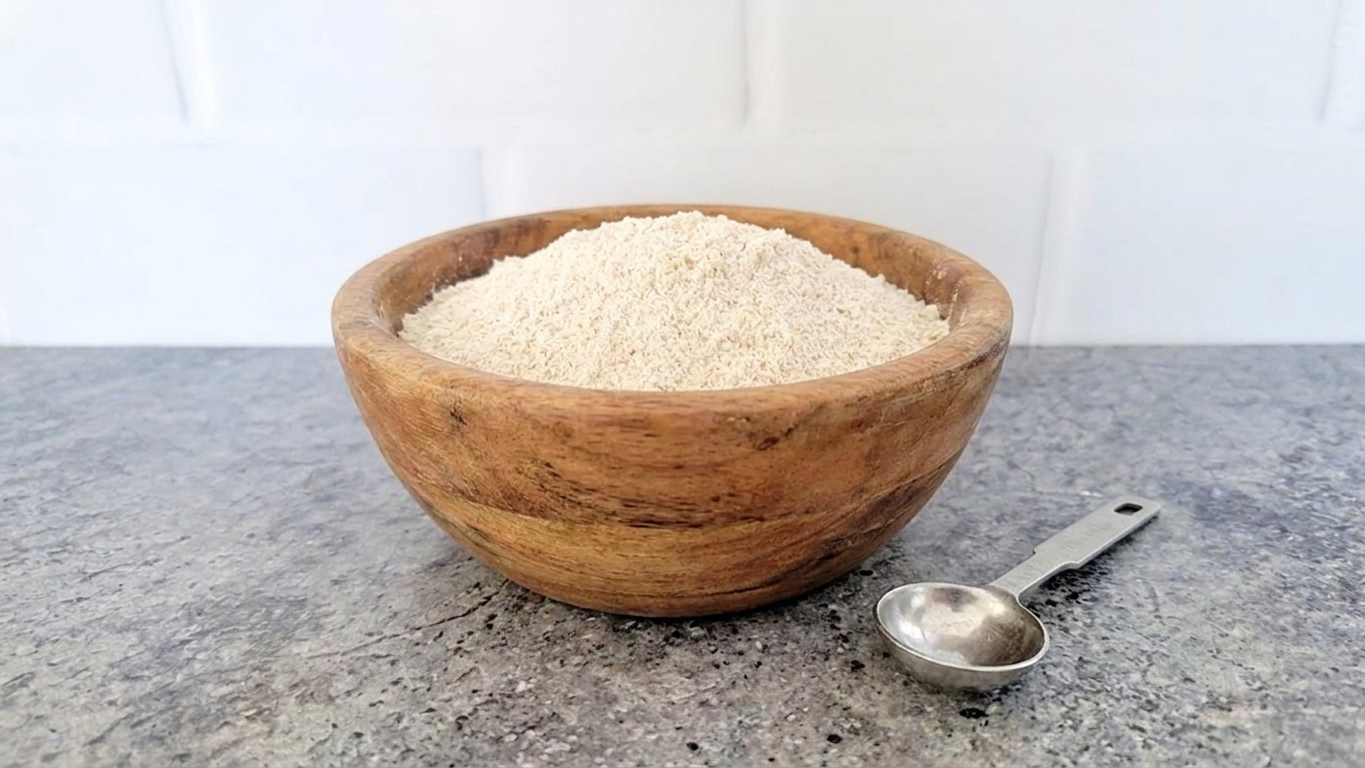
Rye is the overachiever of starter flours. It is packed with the good stuff sourdough microbes love, and it tends to ferment enthusiastically. It can also look different than a white-flour starter, sometimes more pasty and less stretchy.
Activity
- Very strong, especially for brand-new starters.
- Great for giving a sluggish starter a quick boost with one or two feedings.
Flavor
Earthy and deep. Even small amounts can add noticeable character over time.
Hydration needs
Rye can turn gummy or very thick at equal weights. If your rye-fed starter feels like cement, do not panic. Add a little extra water until it becomes a scoopable paste that can trap bubbles.
Cost
Often the priciest of the four and sometimes harder to find in a standard grocery store.
My take
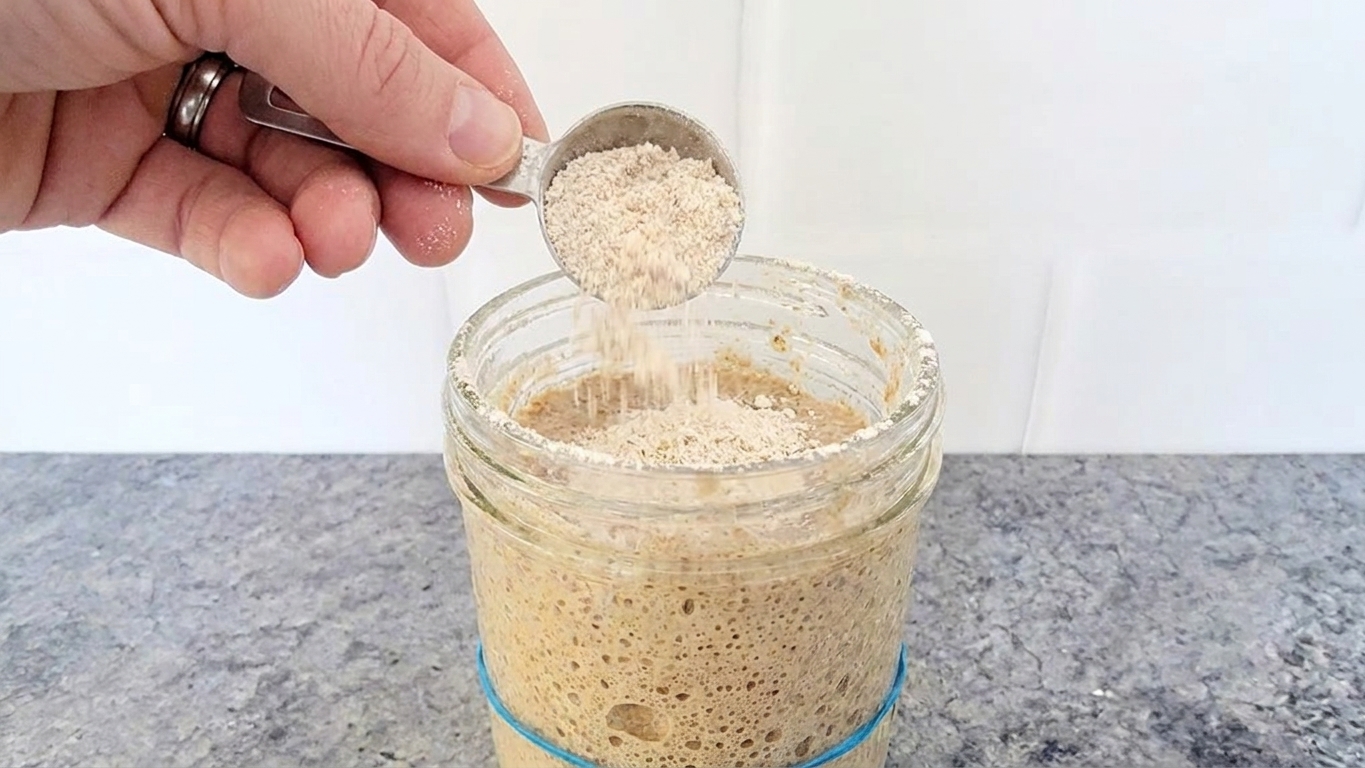
If you want the fastest path to an active starter, rye is a fantastic choice. For long-term daily feeding, I usually recommend blending it (for example, 10% to 30% rye with all-purpose) unless you bake a lot of rye bread.
Which flour to choose
If you are brand new to sourdough
- Most practical: all-purpose flour
- Most reliable for a quick start: all-purpose plus a little rye or whole wheat
If your starter is sluggish
- Try one feeding with rye or whole wheat.
- Make sure you are using non-chlorinated water if your tap water is heavily chlorinated.
- Check temperature. Starters often run noticeably slower below about 70°F.
If you want a mild starter
- All-purpose or bread flour is your best friend.
If you want more flavor
- Feed 80% all-purpose and 20% rye or whole wheat for a week and see how you like the aroma and performance.
If cost matters most
- All-purpose is often the winner. Save rye for occasional booster feedings.
Hydration when switching flours
This is the part that trips up a lot of bakers: starters are often taught as a strict ratio, but consistency matters more than the exact number.
A good target texture
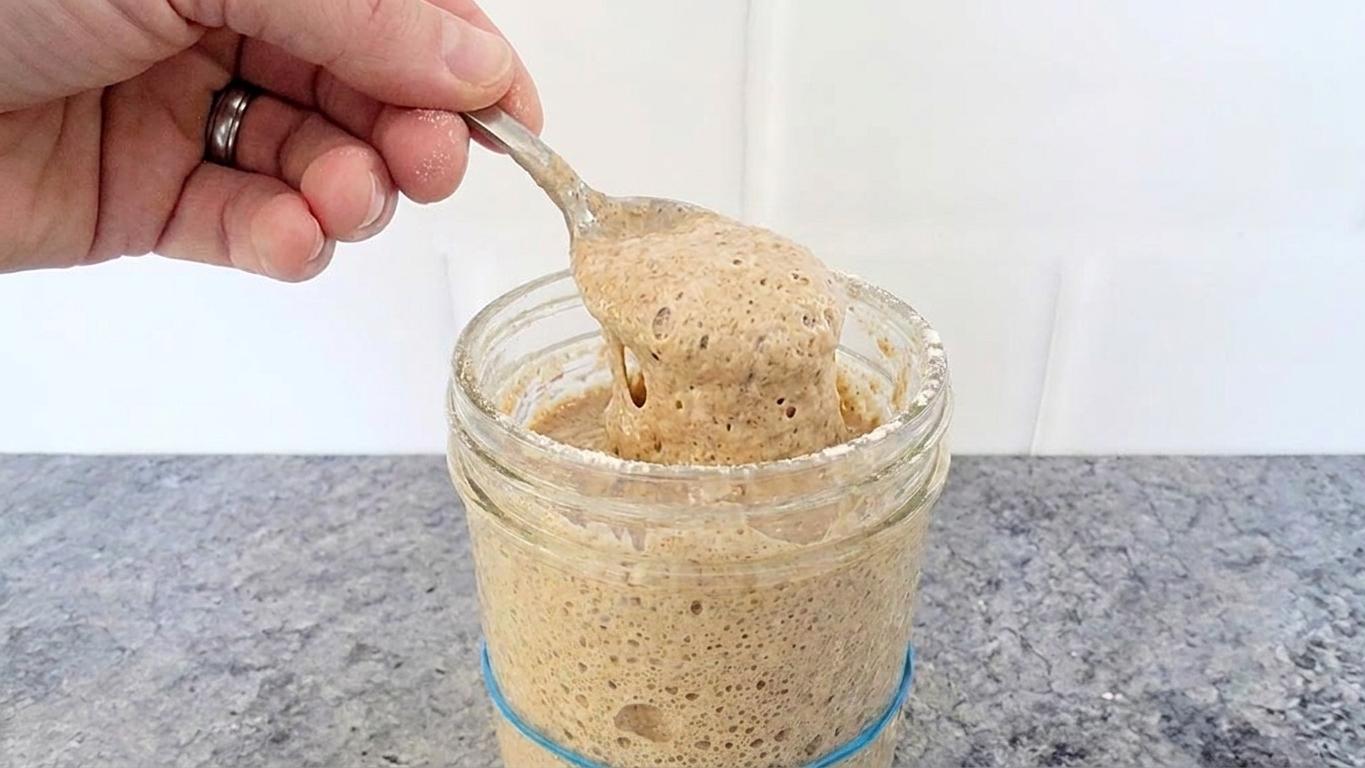
For most home kitchens, I like a starter that looks like thick pancake batter right after feeding. It should be easy to stir, not pour like water, and not so stiff that your spoon stands straight up.
What to expect by flour
- Switching to whole wheat or rye: you may need a splash more water to keep the same texture. For a small starter, that might be 5 to 15 grams.
- Switching to bread flour: you might need a little more water, depending on the brand.
- Switching to all-purpose from whole grains: your starter may look looser at first. That is normal.
How to switch flour
Starters are surprisingly adaptable. The goal is simply to avoid shocking it with a sudden texture change and to give it a couple feedings to adjust.
Option 1: Gradual switch
- At your next feeding, use 75% old flour and 25% new flour (by weight).
- Next feeding: 50% old and 50% new.
- Next feeding: 25% old and 75% new.
- Next feeding: 100% new flour.
Option 2: Direct switch
If your starter is already strong and reliably doubling, you can usually switch flours in one feeding. Just be ready to adjust water so the texture stays familiar.
What adjusting looks like
Feed your starter, stir, then check:
- If it is stiff and hard to stir, add water a teaspoon at a time (or 5 grams at a time if you are using a scale).
- If it is soupy, add a sprinkle of flour until it thickens.
Give it time
It is normal for your starter’s peak time to shift for a day or two after changing flour. Watch the rise and aroma, not the clock.
Common questions
Can I build a starter with only all-purpose flour?
Yes. It can take a bit longer to look very bubbly compared to rye or whole wheat, but it absolutely works. If you want to speed things up, do a couple feedings with a spoonful of whole wheat or rye.
Do I have to feed my starter the same flour I bake with?
No. You can maintain a starter on all-purpose, then build a levain with bread flour or whole wheat for a specific recipe. Your starter’s maintenance flour is mostly about convenience, cost, and performance.
Unbleached vs bleached flour for starter
If you have the option, I prefer unbleached flour for feeding a starter. Many bakers find it ferments a little more predictably. That said, bleached can still work, especially once your starter is established. If you switch between them and notice a timing change, that is normal.
Stone-ground vs regular whole wheat
Stone-ground whole grains can be extra thirsty and sometimes extra lively. Regular (roller-milled) whole wheat is usually a bit more consistent bag to bag. Either is fine. Just adjust water to match the texture you want.
Why did my starter get thicker when I switched to whole wheat or rye?
Whole grains absorb more water. Add a little extra water next feeding to get back to a thick, stirrable paste.
It rose fast, then collapsed. Is it failing?
Not necessarily. A starter often rises to a peak, then falls when it runs out of food. That rise and collapse is normal. If you are in the early days of building a starter (especially days 2 to 4), big bubbles and weird timing can be part of the process. I call it starter drama week. Keep feeding on schedule and look for a more predictable rise by the end of the first week or two.
Can I mix flours long-term?
Absolutely. A blended feeding flour is one of the easiest ways to get great activity and good flavor without spending rye-flour money at every feeding.
My routine
In my own kitchen, I keep things simple: I maintain my starter mostly with all-purpose flour because it is affordable and always in my pantry. If I want it extra perky before a weekend bake, I do one feeding with a mix of all-purpose and whole wheat the day before. When it is really dragging, a small rye booster feeding brings it right back.
The best flour is the one you will actually keep on hand and feed consistently. A starter thrives on routine more than perfection.