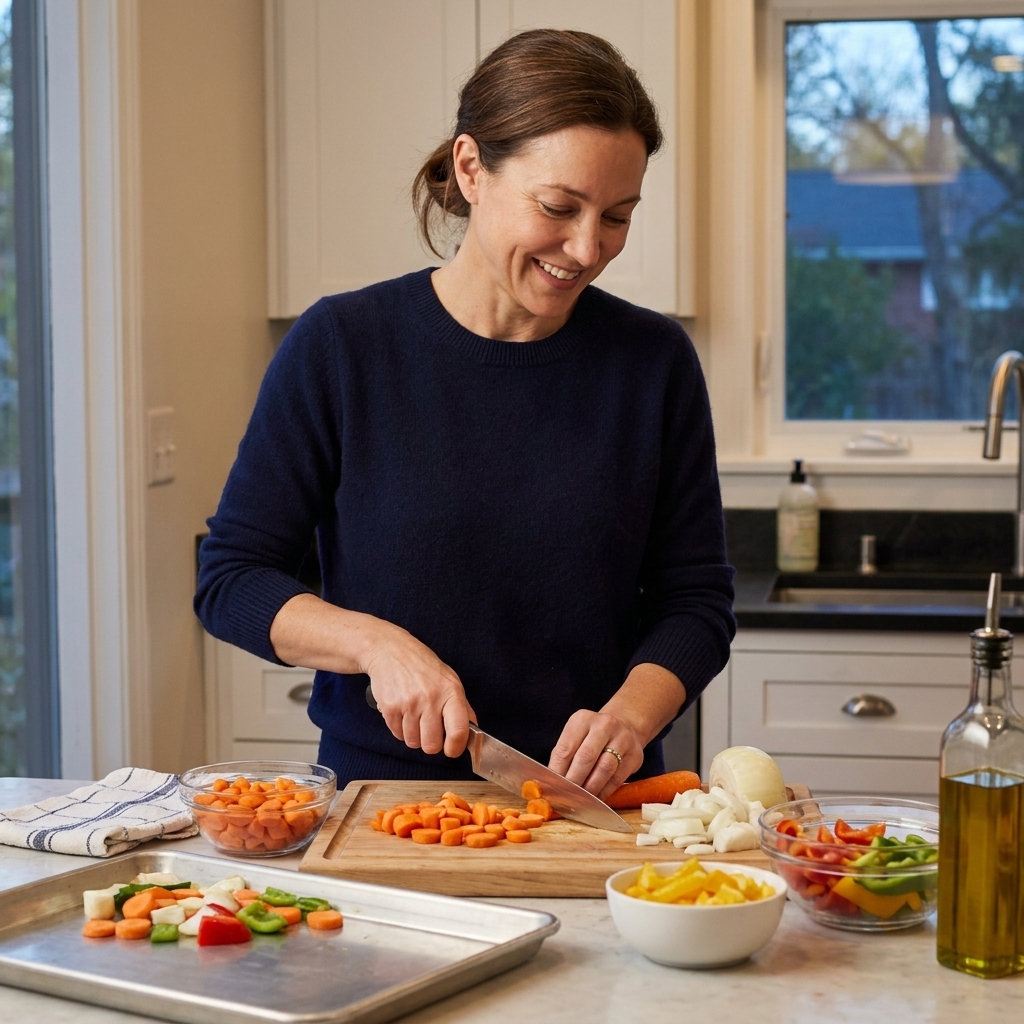
From a 10-minute prep routine to sheet-pan systems, freezer tricks, and simple safety guardrails, these realistic kitchen hacks help you get dinner on the ta...
Recipe Homely
October 17, 2026
Last updated October 17, 2026
Sunday Meal Prep for Easy Weeknight Dinners

Sarah Jenkins
Sarah Jenkins is a passionate home cook and the voice behind Recipe Homely, dedicated to making everyday meals stress-free and delicious. With over a decade of experience feeding a busy family, she specializes in rigorously tested, approachable recipes for dinners, desserts, and everything in between. When she isn't developing new dishes, Sarah can be found browsing local farmers' markets or baking with her two children.
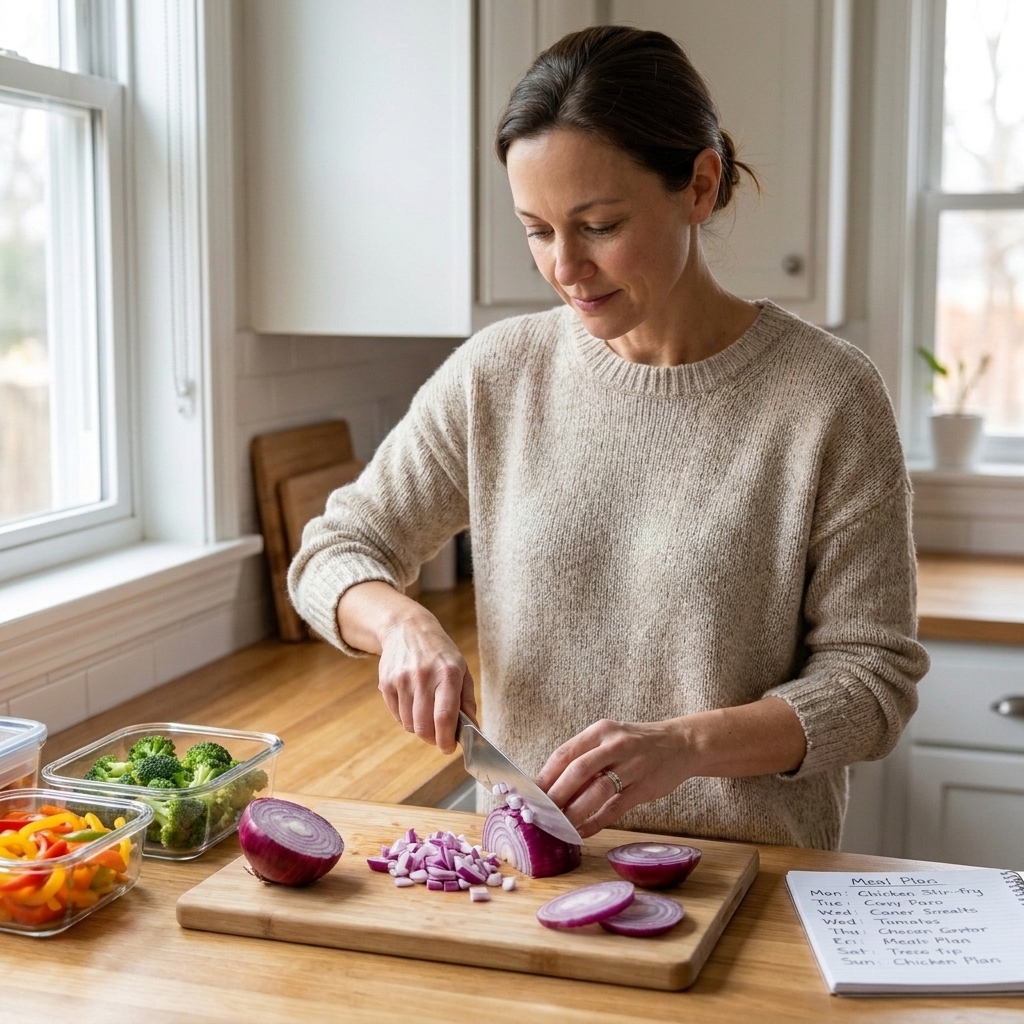
If you’ve ever stared into the fridge at 5:37 PM wondering how dinner is supposed to happen by 6, you’re in the right place. Sunday meal prep isn’t about cooking five full dinners in one day. In my house, it’s about doing the fussy little steps when you’ve got time so weeknight cooking feels like assembly, not a second job.
I’m going to walk you through the exact system I use in my average-sized kitchen: a short plan, a focused grocery list, and a few “building blocks” that turn into real dinners fast. You can scale it up or down depending on your week.
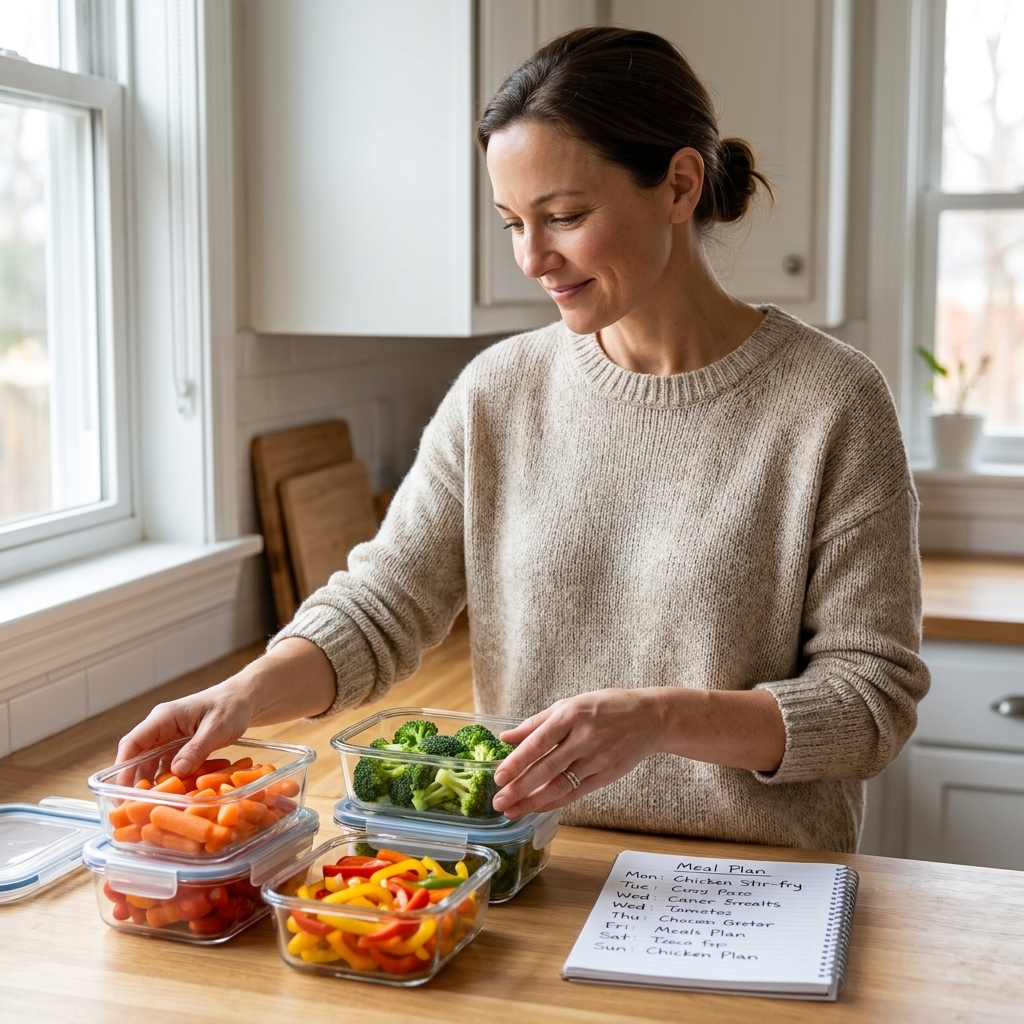
The goal (and what it isn’t)
The goal: reduce weeknight decision-making and hands-on cooking time. Think: 10 to 25 minutes to get dinner on the table, with fewer dishes and fewer surprises.
Meal prep isn’t:
- Eating the same sad chicken and rice bowl five nights in a row
- Spending your entire Sunday in the kitchen
- Buying specialty ingredients you won’t use again
Instead, we’re prepping “parts” that mix and match: proteins, grains, veggies, and 2 to 3 sauces. Those building blocks become tacos, bowls, stir-fries, pasta nights, and sheet-pan dinners.
Step 1: Pick 3 dinner tracks
This is the secret that keeps meal prep from getting overwhelming: don’t plan five totally different meals. Choose three tracks and repeat the structure with different flavors.
My 3-track system
- Track A: Bowl night (grain + protein + veggie + sauce)
- Track B: Taco or wrap night (protein + toppings + quick side)
- Track C: One-pan or pasta night (sheet pan dinner or fast pasta using prepped items)
Then pick two “wild card” nights: leftovers, breakfast-for-dinner, freezer meal, or takeout. Giving yourself those two pressure-release valves makes the whole week more realistic.
Step 2: Build a prep list
Not everything is worth prepping. I focus on the tasks that feel annoying at 5 PM: chopping, making sauces, and cooking a couple staples.
The best things to prep on Sunday
- Chopped veggies: onions, bell peppers, carrots, broccoli, salad greens
- One batch grain: rice, quinoa, couscous, or farro
- One or two proteins: shredded chicken, browned ground turkey, baked tofu, or beans and lentils
- Two sauces: one creamy, one tangy
- One snack item: washed grapes, cut fruit, hard-boiled eggs, or yogurt cups set up
If you’re new to prepping, start with just: chopped vegetables + one sauce. That alone makes weeknights smoother.
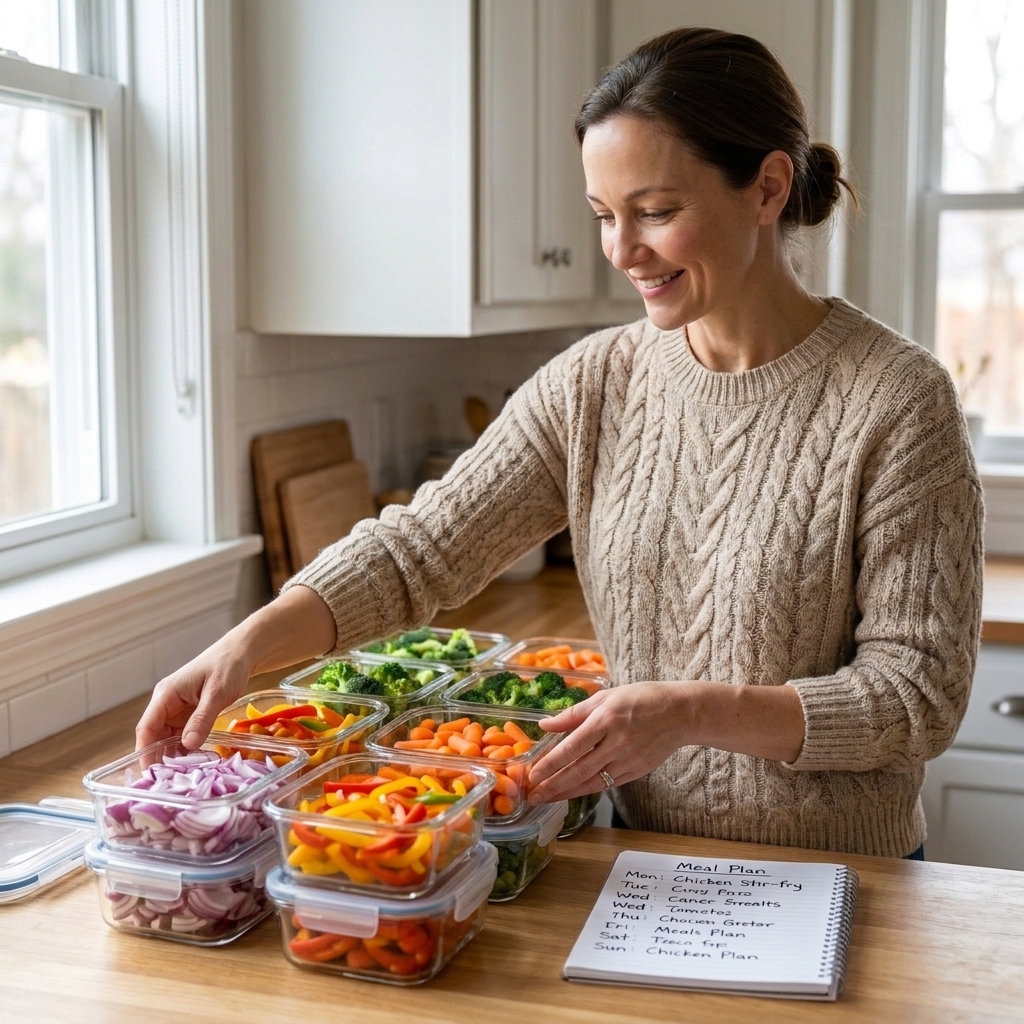
Step 3: Prep in this order
Order matters because it keeps you moving while things cook. Here’s the flow I use:
- Preheat the oven and start your “set-it-and-forget-it” items. Oven at 425°F for roasting. Start your grain (rice cooker or pot). Put on a pot of water if you’re doing eggs.
- Wash produce first. Then everything’s ready to chop without stopping.
- Chop veggies. Knock out onions, peppers, and anything you’ll use all week.
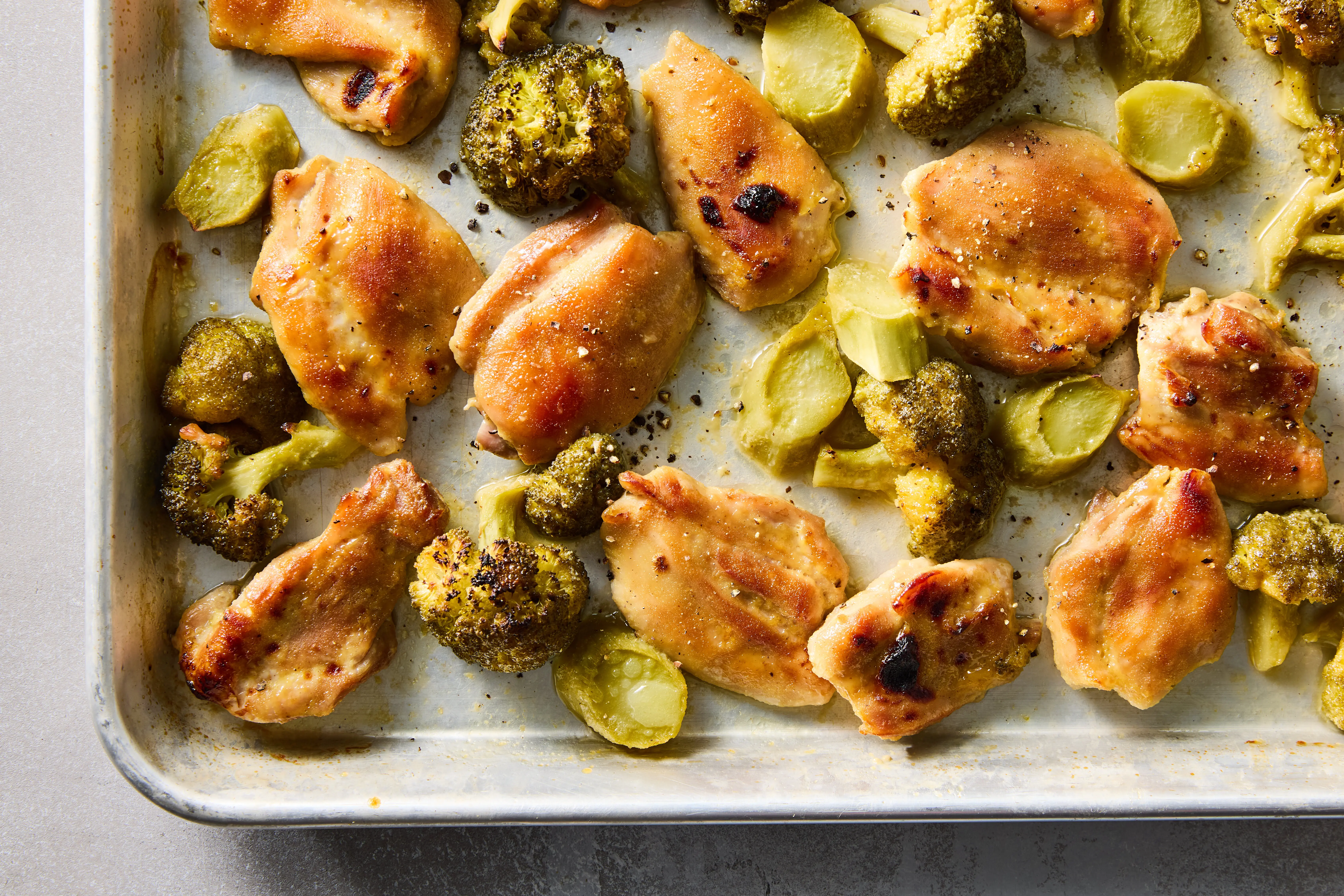
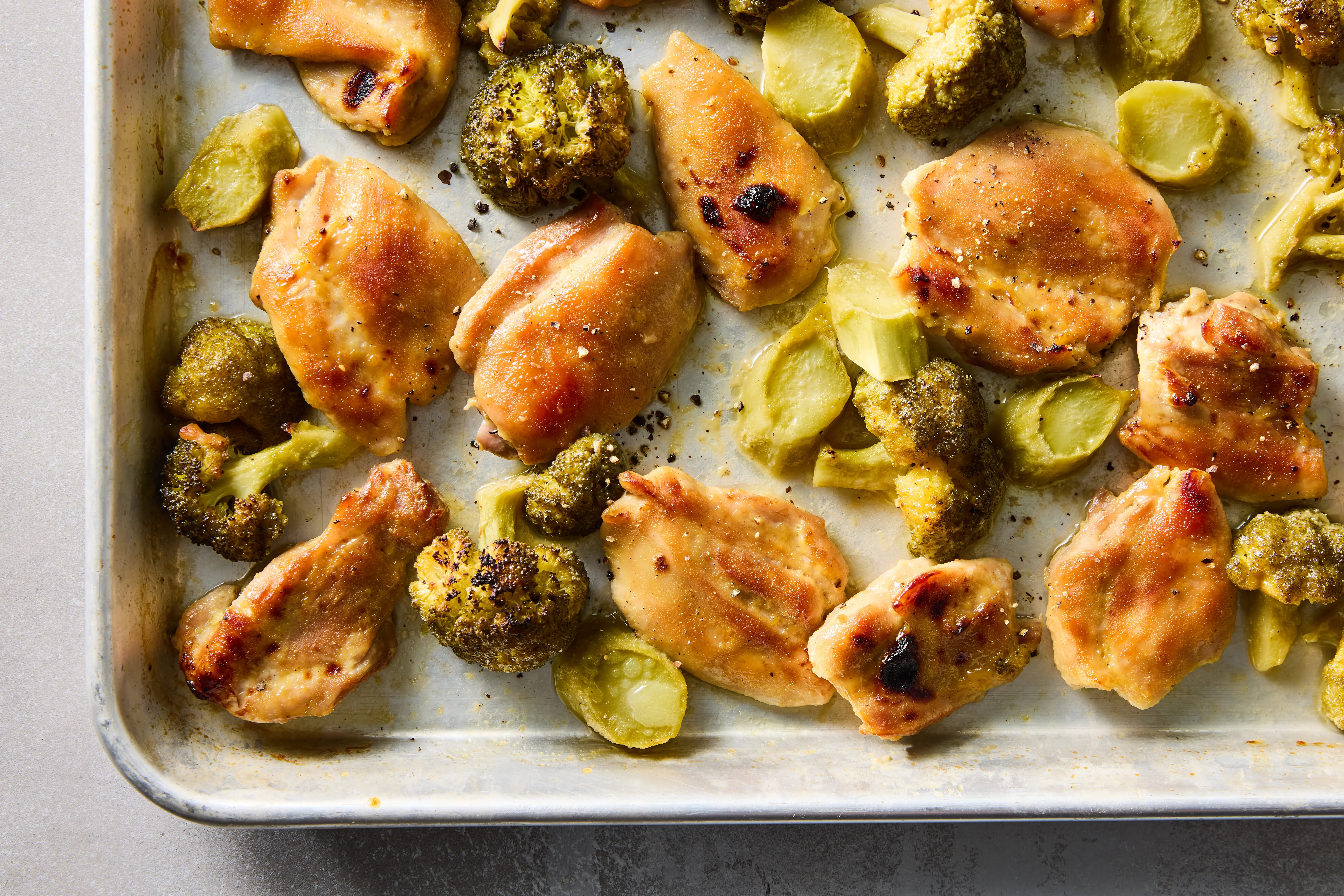
- Roast a sheet pan of vegetables. Broccoli, cauliflower, sweet potatoes, or a mixed pan. If your pan looks crowded, split it across two pans so you roast, not steam.
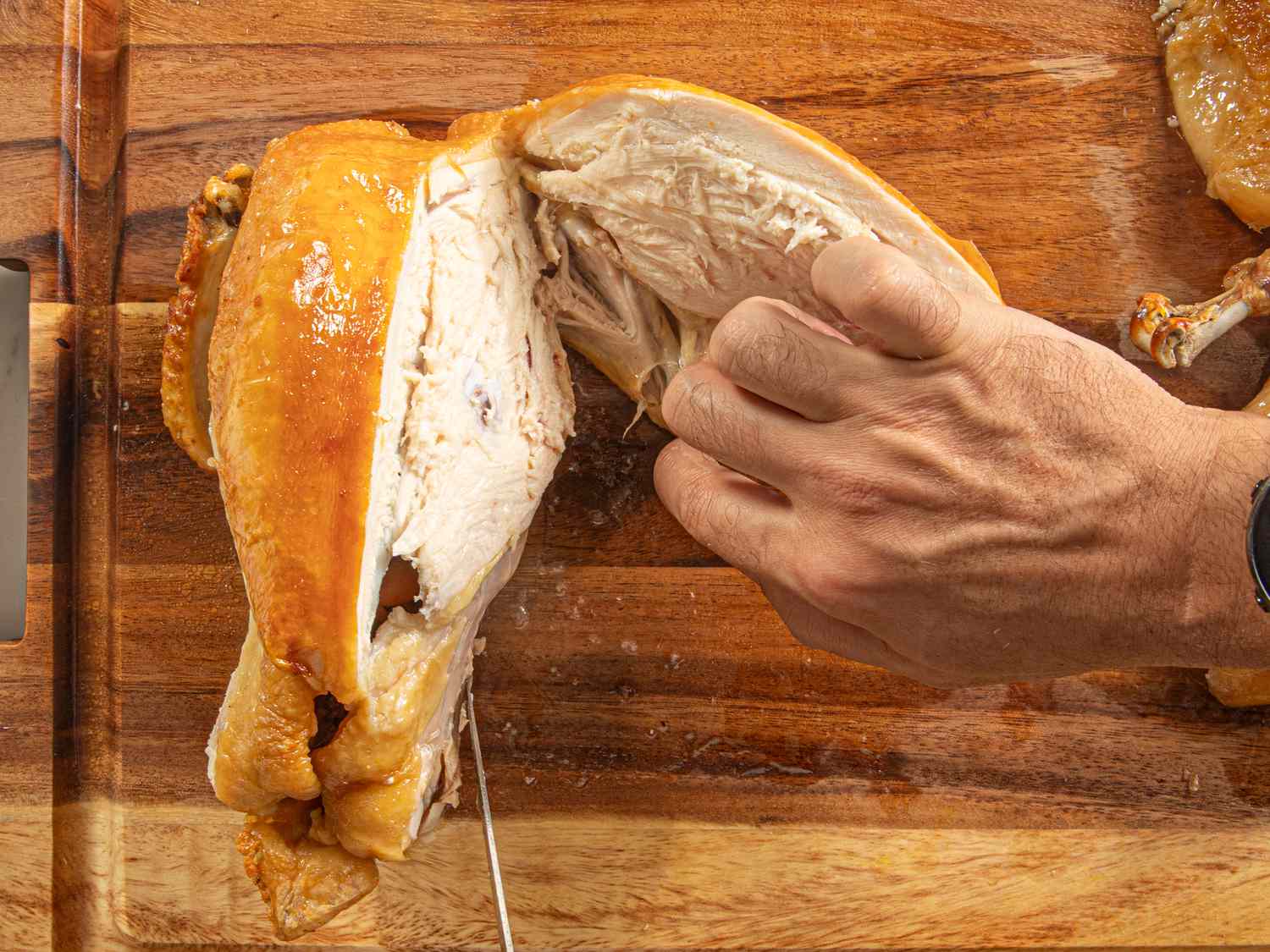
- Cook your protein. Shred chicken, brown meat, or bake tofu while veggies roast.
- Whisk sauces. Sauces are your flavor button all week.
- Cool, portion, label, refrigerate. Use shallow containers so food cools quickly, and get everything into the fridge within 2 hours.
If you can, keep a “dirty bowl” on the counter for scraps. It saves so many trips to the trash.
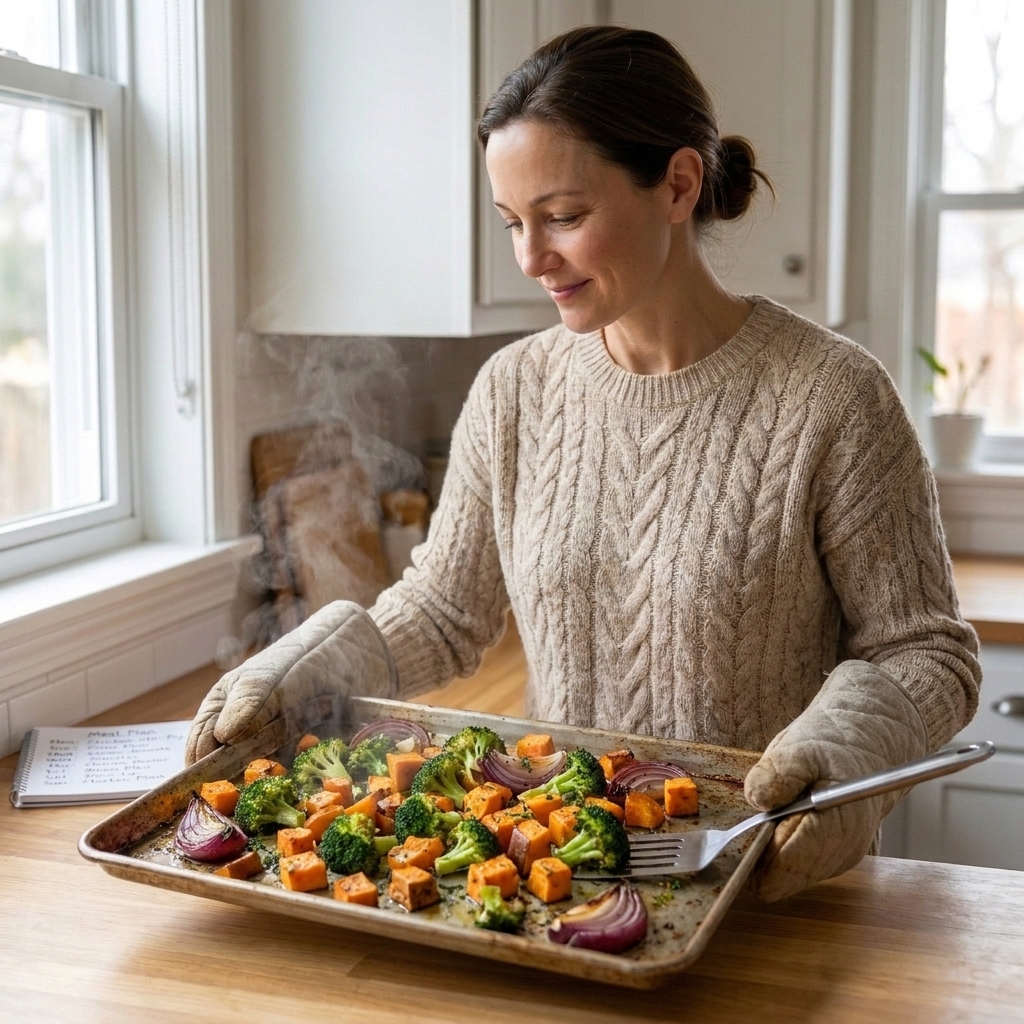
My building blocks (real amounts)
For a family of four with leftovers, these amounts usually hit the sweet spot. Adjust up or down based on appetites.
1) One big tray of roasted veggies
- 6 to 8 cups chopped vegetables total
- 2 to 3 tablespoons olive oil
- 1 teaspoon kosher salt, plus pepper
Roast at 425°F for 20 to 30 minutes, stirring once. Roasted veggies become bowl toppings, taco fillings, pasta add-ins, and quick sides.
2) One protein (or two if it’s a heavy week)
- Shredded chicken: 2 to 3 pounds chicken thighs or breasts
- Ground meat: 2 pounds ground turkey or beef, browned with onion
- Plant-based: 2 blocks extra-firm tofu, baked or pan-seared
I usually keep the protein lightly seasoned on Sunday (salt, pepper, garlic) and let sauces handle the big flavors later. It makes the leftovers more versatile.
Quick safety note: If you’re handling raw chicken, use a separate cutting board, wash hands, and sanitize knives, boards, and counters right after. This one habit saves you a lot of stress.
3) One grain
- 1 to 1 1/2 cups dry rice or quinoa (about 3 to 5 cups cooked)
- Or 1 pound pasta cooked al dente (only if you know you’ll use it in 1 to 2 days)
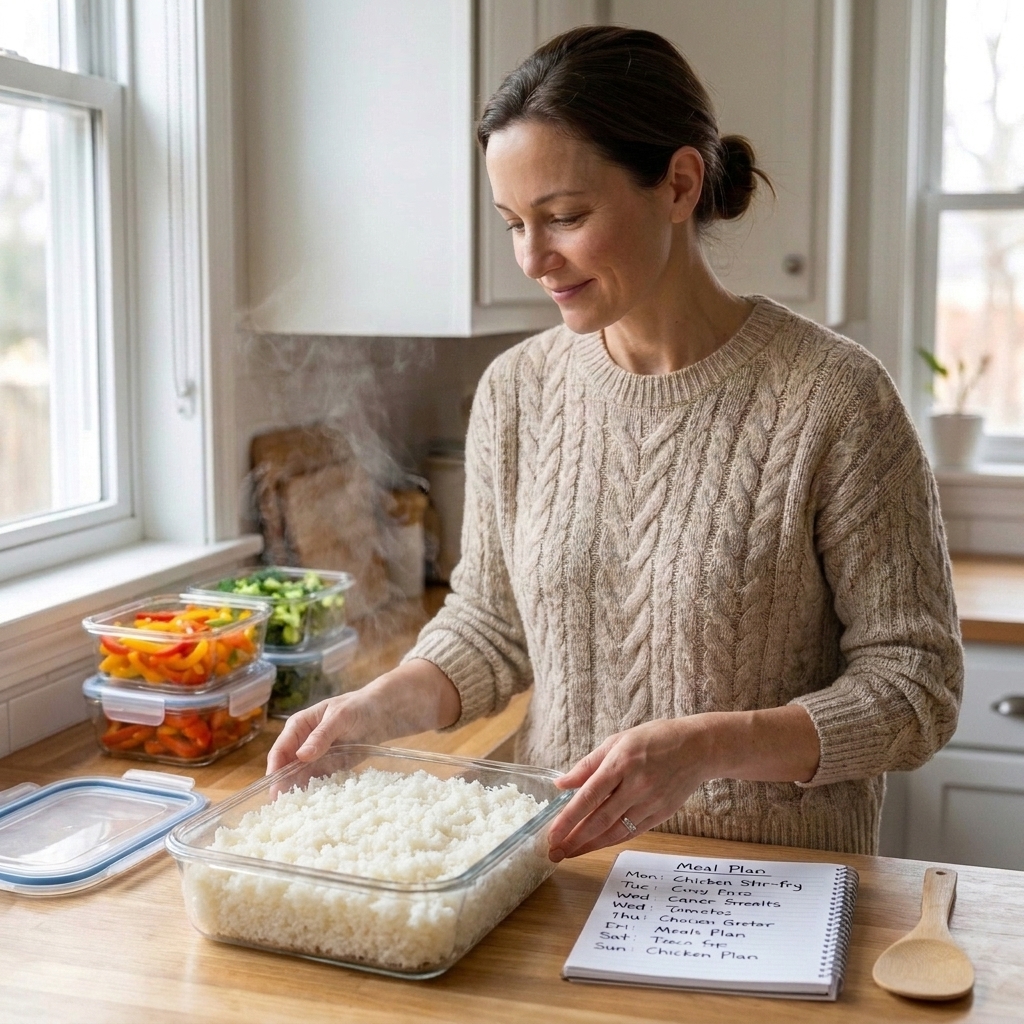
Grains keep best when cooled quickly and stored airtight. With rice, I spread it in a shallow container and get it into the fridge as soon as it stops steaming. When you reheat, make it piping hot all the way through.
Two sauces that change everything
If you only prep one thing, prep sauce. It turns the same chicken and veggies into completely different dinners.
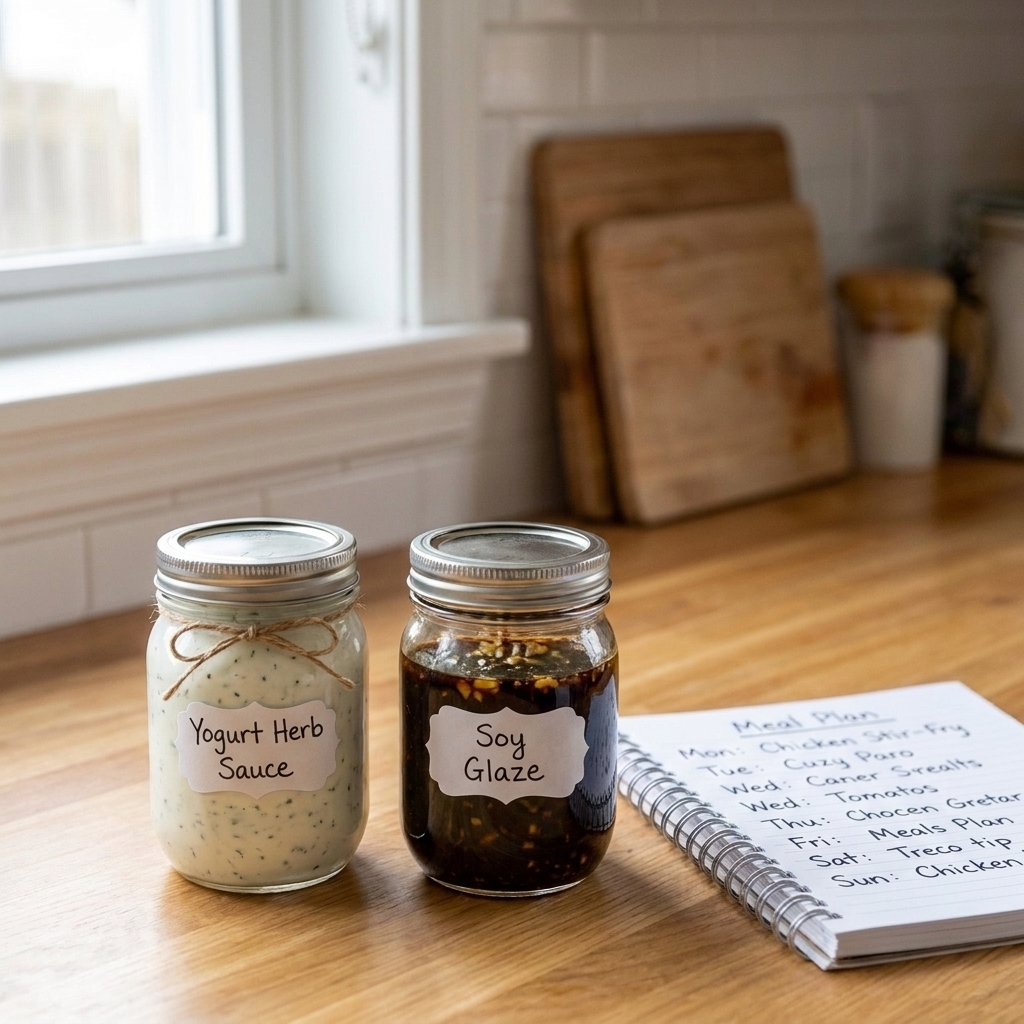
Sauce 1: Creamy Lemon Garlic Yogurt
- 1 cup plain Greek yogurt
- 1 tablespoon olive oil
- 1 small garlic clove, grated
- Zest and juice of 1 lemon
- 1/2 teaspoon kosher salt
- Water to thin as needed
Use on bowls, wraps, roasted veggies, or as a dip for chicken nuggets. Keeps 4 to 5 days refrigerated.
Sauce 2: Quick Ginger Soy
- 1/3 cup soy sauce
- 2 tablespoons honey or brown sugar
- 1 tablespoon rice vinegar
- 1 tablespoon grated ginger
- 1 teaspoon sesame oil (optional)
- Optional thickener: 1 tablespoon cornstarch mixed with 2 tablespoons water
This is your Monday night superhero. For best texture and storage, keep the sauce without the cornstarch slurry in the fridge and add the slurry only when you’re cooking. To keep it fresh, use a clean spoon every time and do not double-dip. Keeps 4 to 5 days refrigerated. If anything smells “off,” shows mold, or you’re unsure, toss it.
5 fast weeknight dinners
These are my “assembly dinners” using the Sunday building blocks. Pick the ones your family actually eats.
1) Sheet-pan reheat + fresh salad
Reheat roasted veggies and protein on a sheet pan at 425°F for 8 to 10 minutes, until hot and steaming. Toss a bagged salad kit or quick chopped salad on the side. Drizzle with yogurt sauce.
2) Taco night, fast
Warm tortillas. Reheat protein until steaming hot. Add toppings you prepped (shredded lettuce, chopped onion, salsa). Serve with roasted sweet potatoes or reheated rice.
3) Build-your-own bowls
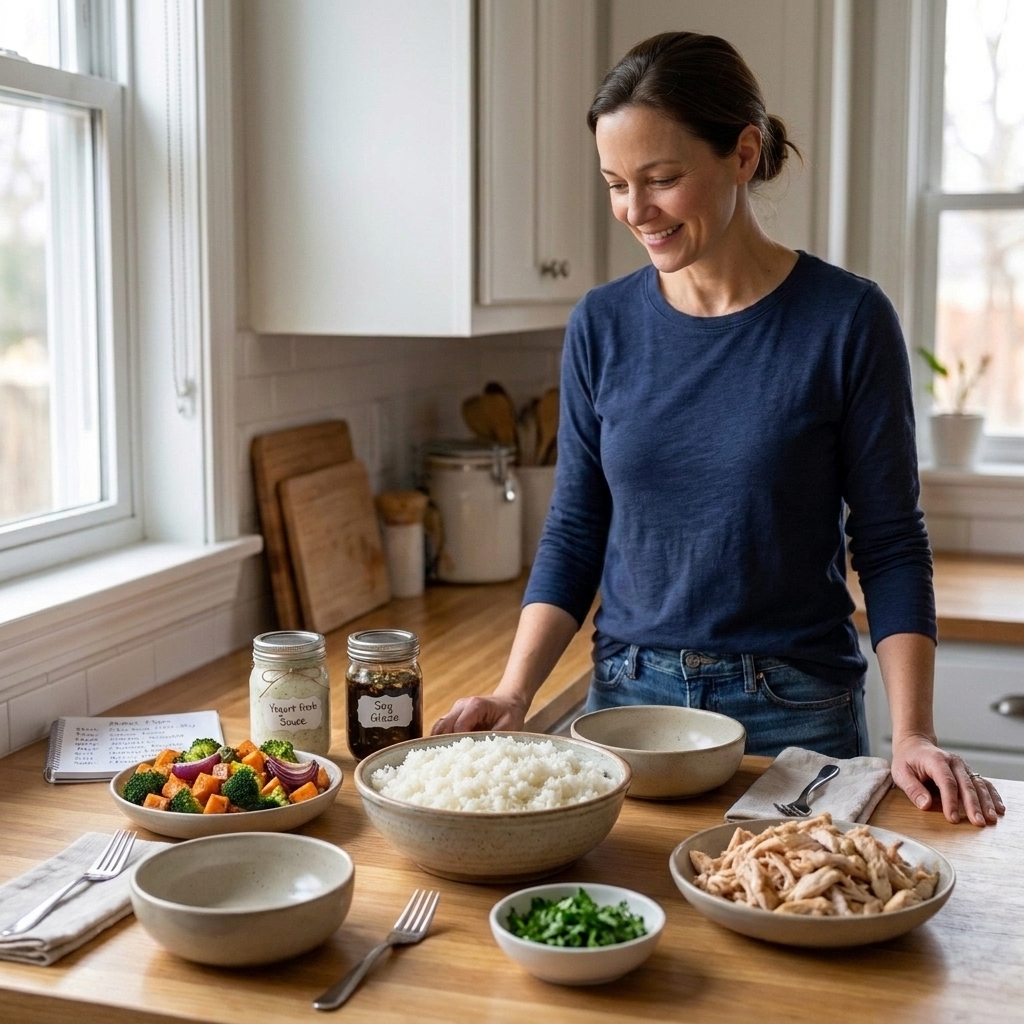
Set out rice or quinoa, protein, roasted veggies, and two sauces. Add a crunchy topping like tortilla strips, nuts, or cucumbers. Dinner is basically a buffet, which is magic for picky eaters.
4) 15-minute stir-fry
In a hot skillet, toss veggies and protein with ginger soy sauce. Serve over rice. Add frozen edamame or a scrambled egg for extra protein.
5) Pantry pasta with prepped protein
Boil pasta (or reheat cooked pasta quickly). Warm protein with a jarred marinara or pesto plus a handful of roasted veggies. Sprinkle parmesan. Done.
Storage and food safety
Cooling and packing
- Keep your fridge at 40°F/4°C or colder.
- Don’t leave cooked food out. Get it into the fridge within 2 hours of cooking (within 1 hour if your kitchen is very warm).
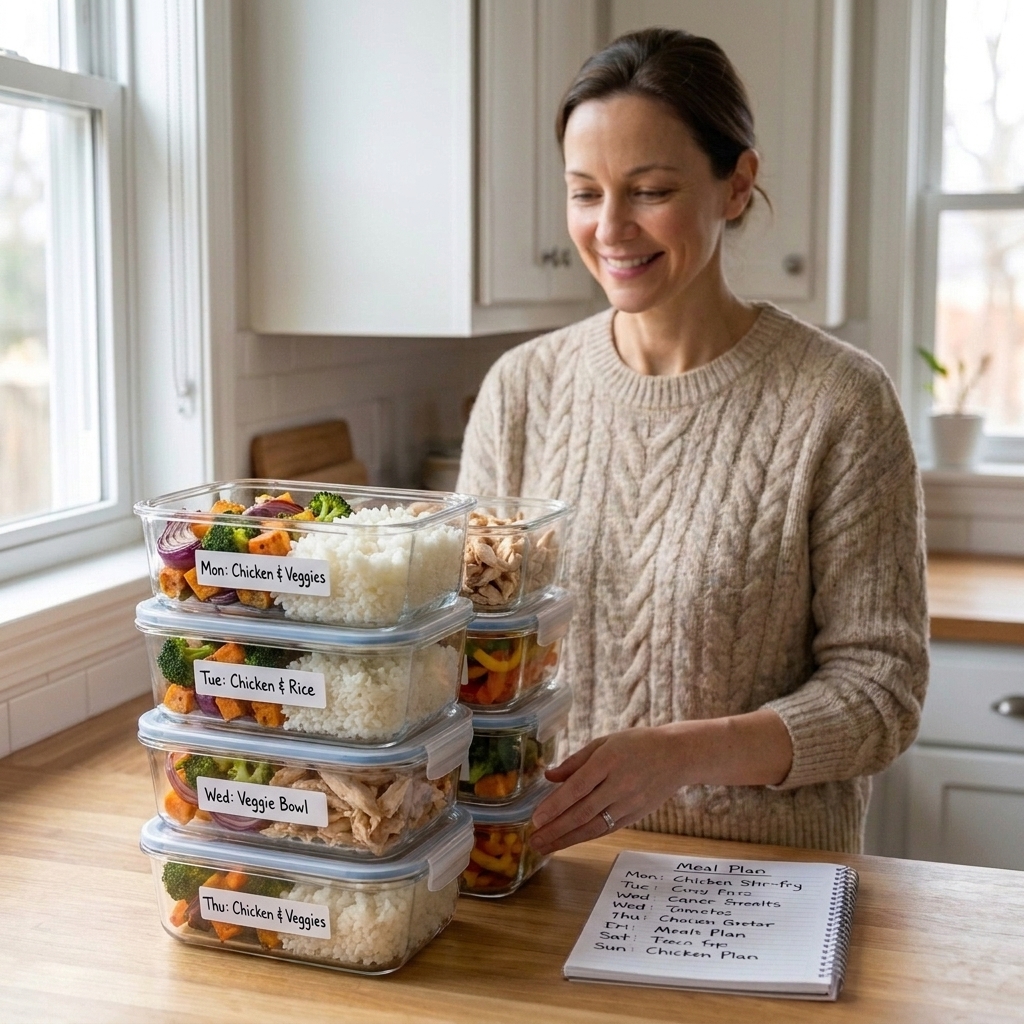
- Use shallow containers so food cools quickly and evenly.
- Store sauces separately so everything doesn’t turn soggy.
- With rice, spread it out in a shallow container and refrigerate as soon as it stops steaming. This is one of the easiest ways to lower food safety risk.
- When reheating, heat foods until steaming hot throughout. If you like an extra-clear target, aim for 165°F/74°C for leftovers and poultry.
How long it lasts
- Cooked chicken or ground meat: 3 to 4 days
- Cooked rice: 3 to 4 days (cool quickly and refrigerate promptly)
- Other cooked grains (quinoa, farro): up to 5 days
- Roasted vegetables: 3 to 5 days
- Leafy greens: 2 to 3 days (keep very dry)
- Sturdier cut vegetables (carrots, peppers, broccoli stems): 4 to 5 days
- Yogurt sauce: 4 to 5 days
- Ginger soy sauce: 4 to 5 days
If Friday feels too far away, freeze half your cooked protein on Sunday. Pull it to thaw in the fridge on Wednesday night for a fresh-feeling meal later in the week.
Freezer basics
- Freeze: shredded chicken, browned ground meat, cooked beans, cooked rice and grains (cooled first), and sauces without dairy.
- Package: cool completely, portion flat in freezer bags, label with the date.
- Thaw safely: in the fridge overnight. If you microwave-defrost, cook right away.
A realistic 90-minute schedule
Here’s a simple timeline you can follow without sprinting around the kitchen:
- 0:00 to 0:10 Preheat oven, start grain, start egg water if using, wash produce, set out containers
- 0:10 to 0:25 Chop vegetables
- 0:25 to 0:55 Roast vegetables, cook protein
- 0:55 to 1:10 Make sauces, prep a quick snack item
- 1:10 to 1:30 Cool in shallow containers, label, refrigerate, wipe down kitchen
If you’ve only got 45 minutes, do this: cook one protein and chop two vegetables. It still pays off all week.
Common problems
“My prepped chicken gets dry.”
Use thighs instead of breasts, or store chicken with a little broth. Reheat gently, then add sauce after warming.
“My veggies turn soggy.”
Roast at a higher heat (425°F) and don’t overcrowd the pan. Let roasted veggies cool before sealing them up so they don’t steam in the container.
“I prep a lot, then nobody wants it.”
Prep ingredients, not fully composed meals. Keep flavors neutral until weeknight, then finish with sauce, cheese, herbs, or a crunchy topping.
“I get bored eating the same thing.”
Change the sauce or the serving style. The same shredded chicken can be tacos, a Caesar-style wrap, a rice bowl, or a quick soup with broth and veggies.
Quick swaps
- Vegetarian: swap chicken for chickpeas, lentils, or baked tofu.
- Vegan: use dairy-free yogurt or make a quick tahini lemon sauce (tahini + lemon + garlic + salt + water).
- Gluten-free: use tamari instead of soy sauce and choose corn tortillas or gluten-free wraps.
Grocery checklist
Use this as a starting point and swap in what your family likes.
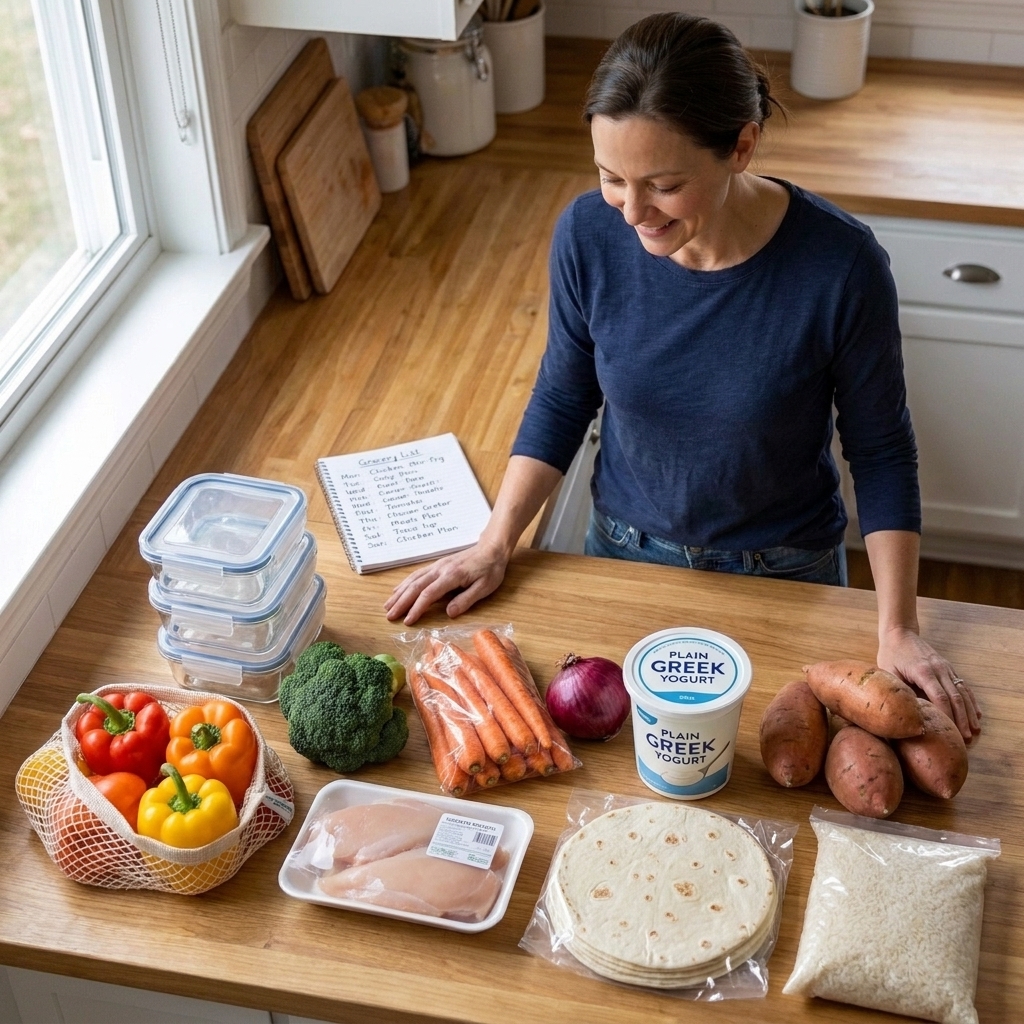
- Produce: 2 onions, 3 bell peppers, 1 head broccoli, 1 bag salad greens, 1 lemon, 1 to 2 add-ins (zucchini, carrots, sweet potatoes)
- Protein: 2 to 3 pounds chicken OR 2 pounds ground turkey OR tofu and beans
- Grain: rice or quinoa
- Sauce staples: Greek yogurt, soy sauce or tamari, ginger, garlic, rice vinegar, honey
- Easy extras: tortillas, shredded cheese, salsa, a bag of frozen veg, fruit for snacks
FAQ
How many meals should I prep for?
I aim to cover three dinners with prepped components, plus make sure we’ve got lunch leftovers. Then I plan two flexible nights (leftovers, breakfast, freezer meal). That balance keeps us from wasting food.
Is meal prep safe if food sits in the fridge all week?
It can be, as long as you cool foods quickly, refrigerate within 2 hours, and stick to the storage timelines above. When in doubt, freeze part of what you cook and use it later in the week.
What’s the best container setup?
I like a mix: a few larger containers for roasted veggies and grains, plus smaller containers for toppings and sauces. Having sauces in small jars makes weeknights feel fun, not like leftovers.
What if I hate cooking on Sundays?
Totally fair. Try mini-prep instead: chop veggies while you make Sunday dinner, or batch-cook a protein on Monday night for the rest of the week. Meal prep is a tool, not a rule.
One last thing
Meal prep isn’t about being perfect. It’s about being kind to your future self. Even one container of chopped onions and peppers can turn a Tuesday from chaotic to calm.
If you want to start this week, choose one protein, one veggie, and one sauce. Do that once, see what your family actually eats, then build your routine from there.