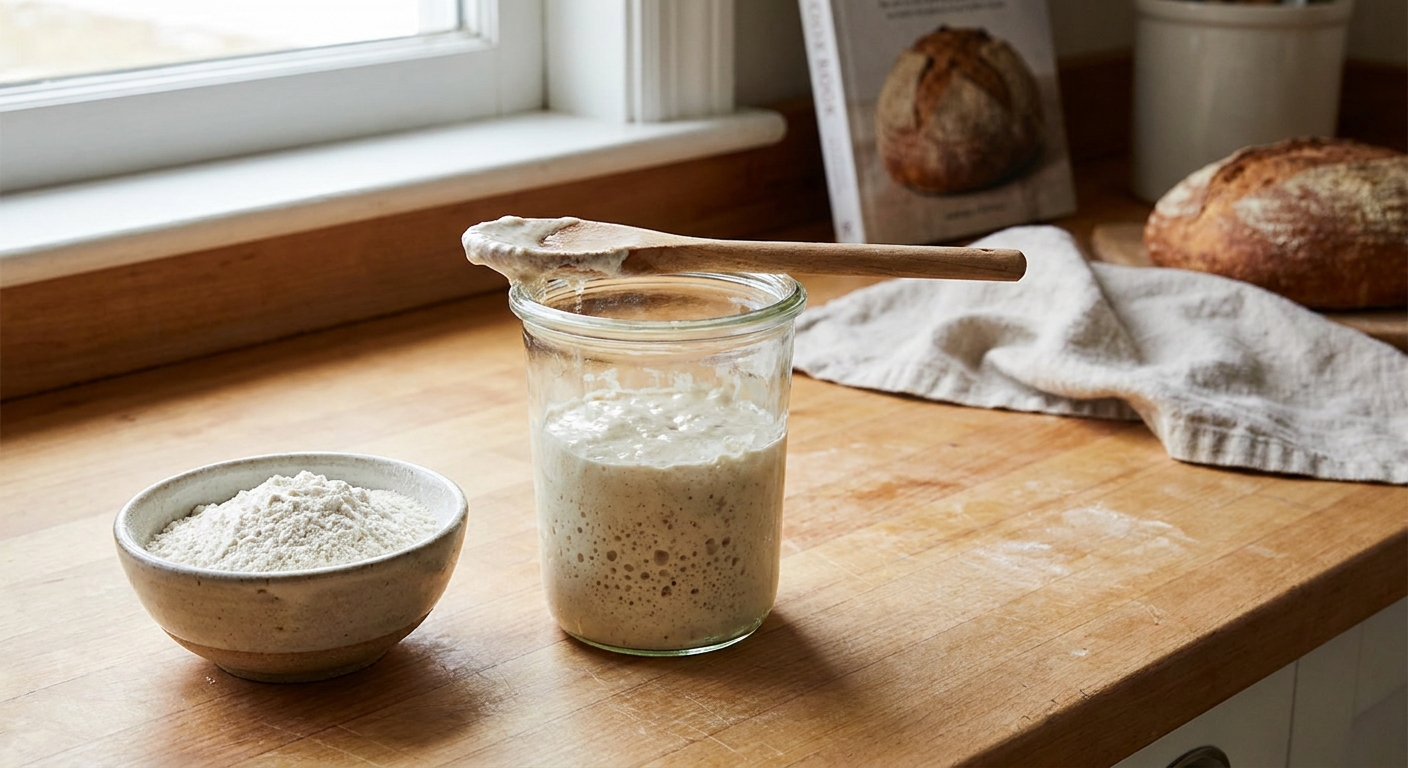
Not sure what to do with sourdough discard? Here’s a short menu of favorite discard bakes, what works with tang-only discard versus active starter, and how s...
Recipe Homely
November 22, 2026
Why Do You Discard Sourdough Starter?

Sarah Jenkins
Sarah Jenkins is a passionate home cook and the voice behind Recipe Homely, dedicated to making everyday meals stress-free and delicious. With over a decade of experience feeding a busy family, she specializes in rigorously tested, approachable recipes for dinners, desserts, and everything in between. When she isn't developing new dishes, Sarah can be found browsing local farmers' markets or baking with her two children.
The first time I made a sourdough starter, I remember standing at my counter thinking, I am literally throwing flour away. As a busy mom who hates waste, it felt wrong. But after a few weeks of baking (and a few batches of sad, too sour loaves), I realized discard is not a weird sourdough tradition. It is basic kitchen math and basic starter health.
Discarding is simply how you keep a starter at a manageable size while giving it enough fresh food to stay strong, balanced, and pleasant tasting.
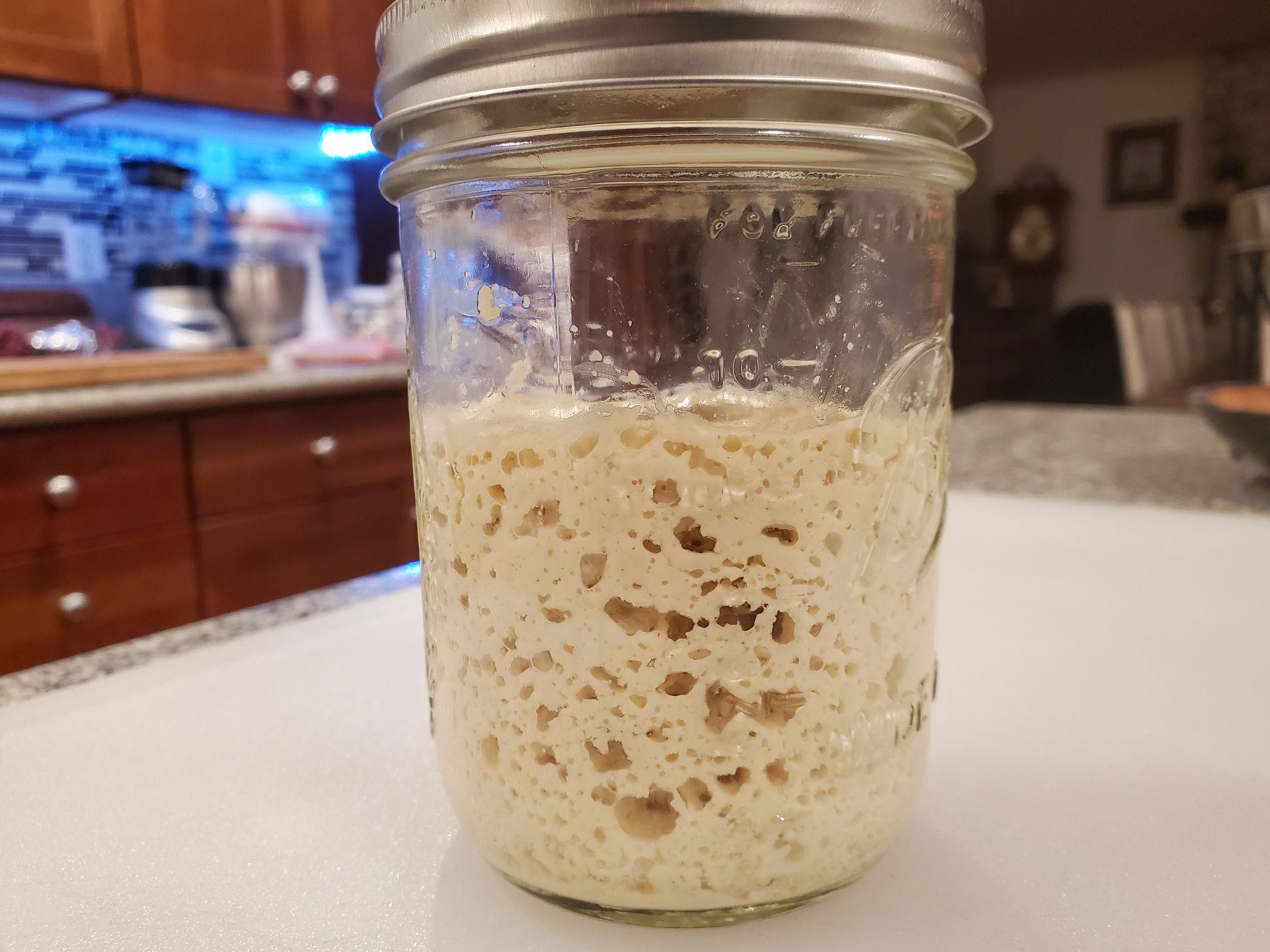
What discard means
When you feed a starter, you are mixing together:
- Existing starter (full of yeast and bacteria)
- Fresh flour (food)
- Fresh water (hydration)
If you never remove any starter before feeding, your jar grows fast. Discard is the portion you remove so you can feed what remains properly without ending up with a five-gallon bucket of starter in your kitchen.
Important note: discard does not have to mean trash. It can be composted or saved for recipes if it is established and smells pleasant. But the act of removing some is what matters for starter health.
Why discarding matters
1) It keeps the flour-to-culture balance where it needs to be
Your starter is a living culture. The microbes need enough new food (fresh flour) to stay active and multiply. If you keep adding small feeds to a huge amount of old starter, you are basically giving a tiny snack to a big crowd. It will ferment too fast, burn through the food quickly, and get acidic and sluggish.
Discarding reduces the amount of old starter so the fresh flour you add is a meaningful meal, not a sprinkle.
2) It prevents runaway acidity
As starter ferments, it produces acids. A healthy starter should smell pleasantly tangy, yeasty, and a little fruity. If it is kept too large and underfed, it can swing overly acidic. That can lead to:
- Very sharp, vinegary smell
- Weak rise because yeast activity can slow in an overly acidic environment
- Dense bread or dough that feels tight and hard to stretch
Discarding plus a proper feed dilutes the built-up acids and refreshes the balance of yeast and bacteria.
3) It keeps your starter a practical size (and saves flour)
This is the part that finally made it click for me. If you do not discard, feeding becomes expensive fast because the only way to properly feed a large starter is to add a lot of flour and water.
Here is the idea in plain terms: if you double your starter at every feeding, it grows exponentially. Discarding keeps you in a small, steady loop instead of constant growth.
4) It helps you control timing
A smaller starter with a good feed ratio tends to follow a more predictable rhythm: it rises, peaks, and falls on a schedule that makes sense for baking. When the jar is huge and underfed, it can peak too quickly or behave inconsistently. Discarding helps you keep the starter in a repeatable, reliable routine.
How much starter to keep
Most home bakers keep way more starter than they need. Unless you are baking daily for a crowd, you can maintain a small starter and build it up only when you want to bake.
In my kitchen, a very workable maintenance amount is:
- 20 to 50 grams starter kept in the jar
- Feed with enough flour and water to match your usual ratio
You can go even smaller. Many bakers maintain a starter with just 10 grams and feed it like normal. The smaller you keep it, the less discard you produce and the less flour you burn through.
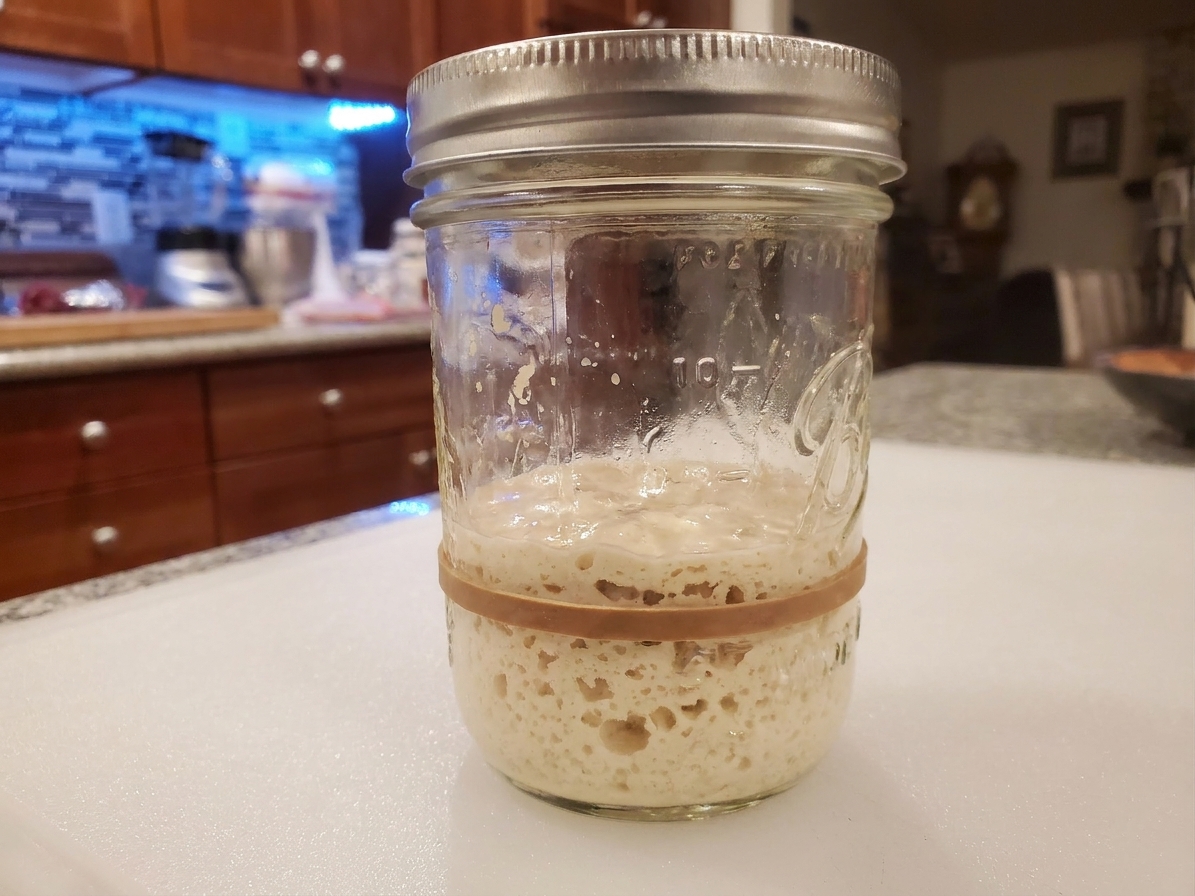
If you never discard
You technically can keep feeding without discarding, but one of two things usually happens:
- Your starter becomes enormous, which forces you to feed it lots of flour and water to keep it healthy.
- Your starter gets underfed, which often leads to a more acidic, less vigorous culture that struggles to raise bread reliably.
When someone tells me “My starter smells like nail polish remover” or “It rises a little, then collapses fast,” a common culprit is a starter that is too big for how it is being fed.
Does it matter more when new?
Yes. In the early days of building a starter, discarding is especially useful because you are encouraging a stable community of microbes to take over. Removing a portion and feeding fresh flour helps “reset” the environment repeatedly so the strongest, most compatible organisms thrive.
Once a starter is established and predictable, you have more flexibility. But even then, discarding is still the easiest way to keep it healthy without wasting flour.
How to waste less
If the idea of discard still bugs you, you are not alone. Here are practical ways to reduce it without sacrificing starter strength.
Keep a smaller jar
This is the simplest fix. Decide on a small maintenance amount (say, 20g). Feed it, let it ferment, and store as usual. Less starter in the jar equals less to discard later.
Build only what you need
Instead of maintaining 200g of starter “just in case,” keep a small amount and do a build when you want to bake. For example, you can take a small spoonful of starter and feed it to create enough active starter for your recipe.
Think tiny, not zero
Some people hear “no-discard starter” and think it means you never remove any. In real life, what usually works is: you keep the starter tiny, so any discard is minimal, and you plan feeds around when you will bake.
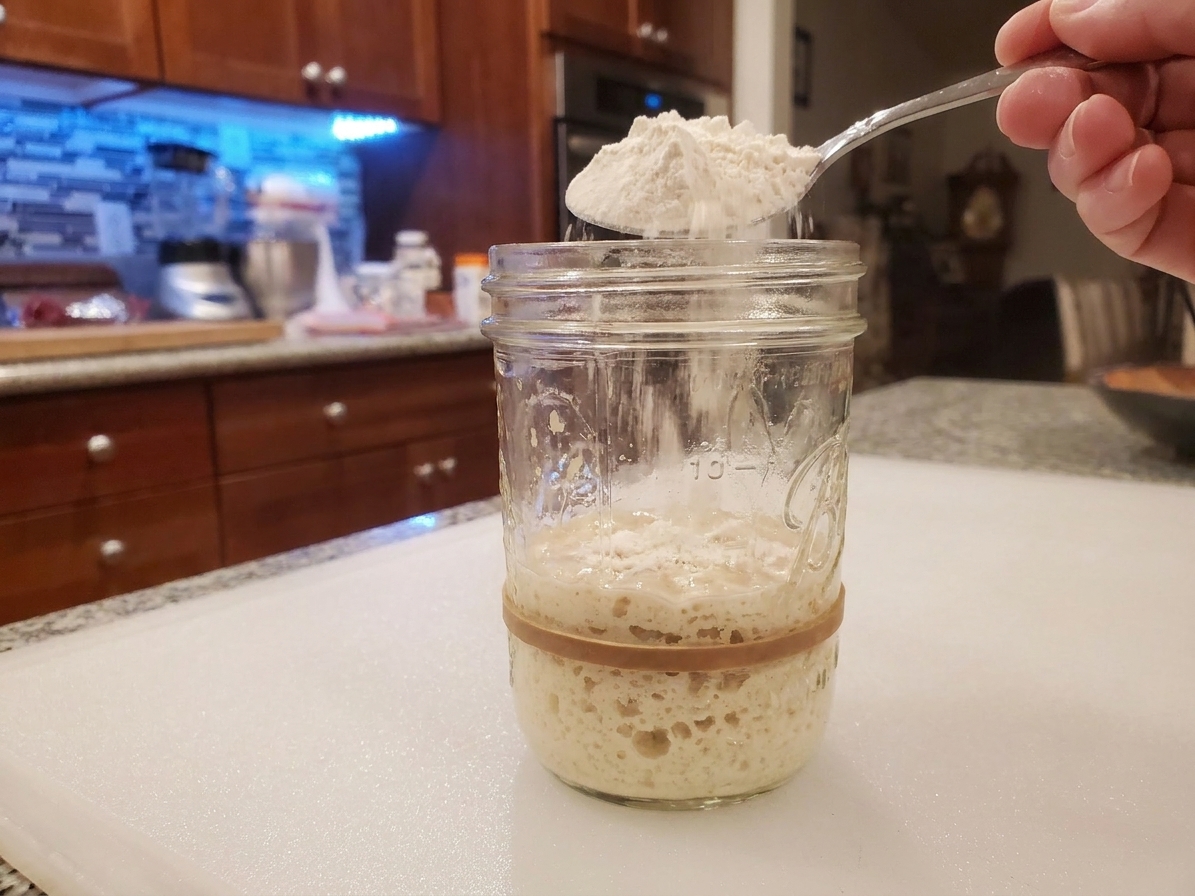
No-discard methods
There is no magic trick that makes a starter not grow if you keep feeding it. The no-discard concept is really about scale and timing.
Method 1: Keep it small and use it
If you keep only a small amount and plan ahead, you can often feed, let it peak, and then use nearly everything in a dough, leaving just a scrape behind to regrow.
This works well when you bake frequently. The “discard” becomes part of your bread, not something extra.
Method 2: Store it in the fridge
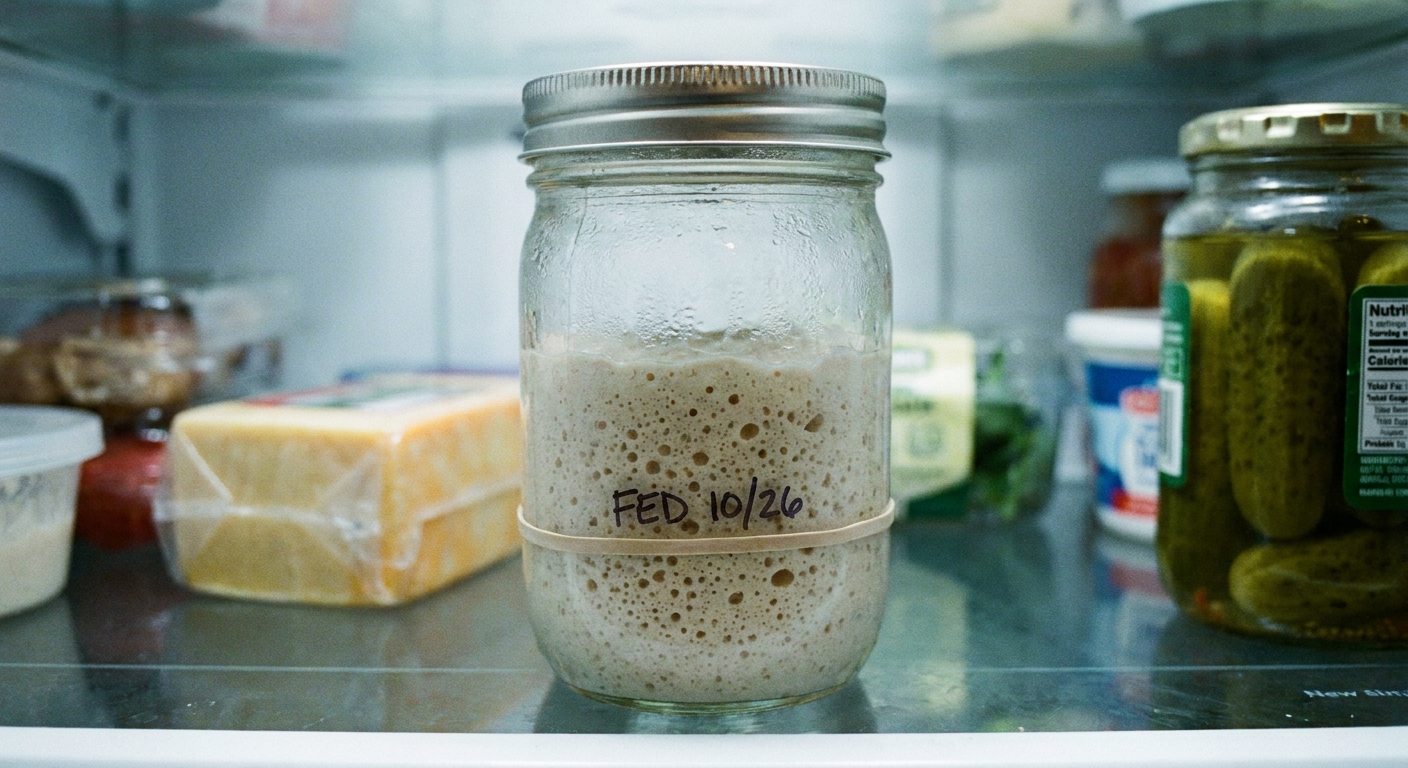
For many busy households, refrigeration is what makes sourdough sustainable. A starter stored cold ferments slowly, so you do not need to feed it daily. That means fewer feedings overall, which means less discard overall.
Even with fridge storage, you will still remove some sometimes. But the volume is much smaller across the week.
Method 3: Small feeds, big builds
This is my favorite “common sense” routine. Keep a small maintenance starter with small feeds most of the time. When you want to bake, do a larger build once or twice to create the amount your recipe needs. You avoid a constant stream of discard, and you still get a strong, active starter when it matters.
What discard should smell like
Healthy discard typically smells like:
- Fresh flour plus a mild tang
- Yogurt-like or lightly fruity
- Yeasty, bready, and pleasant
If it smells harshly like vinegar, nail polish remover, or seems very watery with a strong solvent smell, it usually needs a better feeding routine (often: smaller starter, more fresh flour, or more frequent feeds at room temperature).
FAQ
Do I have to discard every time I feed sourdough starter?
If you are feeding at room temperature on a regular schedule, discarding is the easiest way to keep the starter at a workable size and properly fed. If you keep a tiny starter or feed only when you plan to bake, you can reduce discard to almost nothing.
Can I discard less than the recipe or guide says?
Usually, yes. The key is not the exact amount you toss. The key is that what remains gets enough fresh flour and water to stay balanced. Keeping 10 to 50 grams is plenty for most home bakers.
Is discarding sourdough starter a waste?
It can feel that way, but the alternative is either an oversized starter that requires huge feeds or a starter that becomes underfed and overly acidic. If waste is your main concern, keep a smaller starter and bake more intentionally so the extra becomes food, not trash.
Can I use discard right away?
If your starter is established and smells clean and pleasantly tangy, you can save discard and use it in recipes. If your starter is brand new (early days) or smells off, I would not cook with it yet.
The takeaway
Discarding sourdough starter is not about being wasteful. It is about keeping your culture healthy by:
- Maintaining a strong flour-to-culture balance
- Controlling acidity so yeast stays active
- Keeping the jar size realistic and saving flour
If you want the simplest way to produce less discard, keep your starter smaller than you think you need. In a normal home kitchen, a tiny starter is usually the difference between sourdough that feels stressful and sourdough that feels doable.