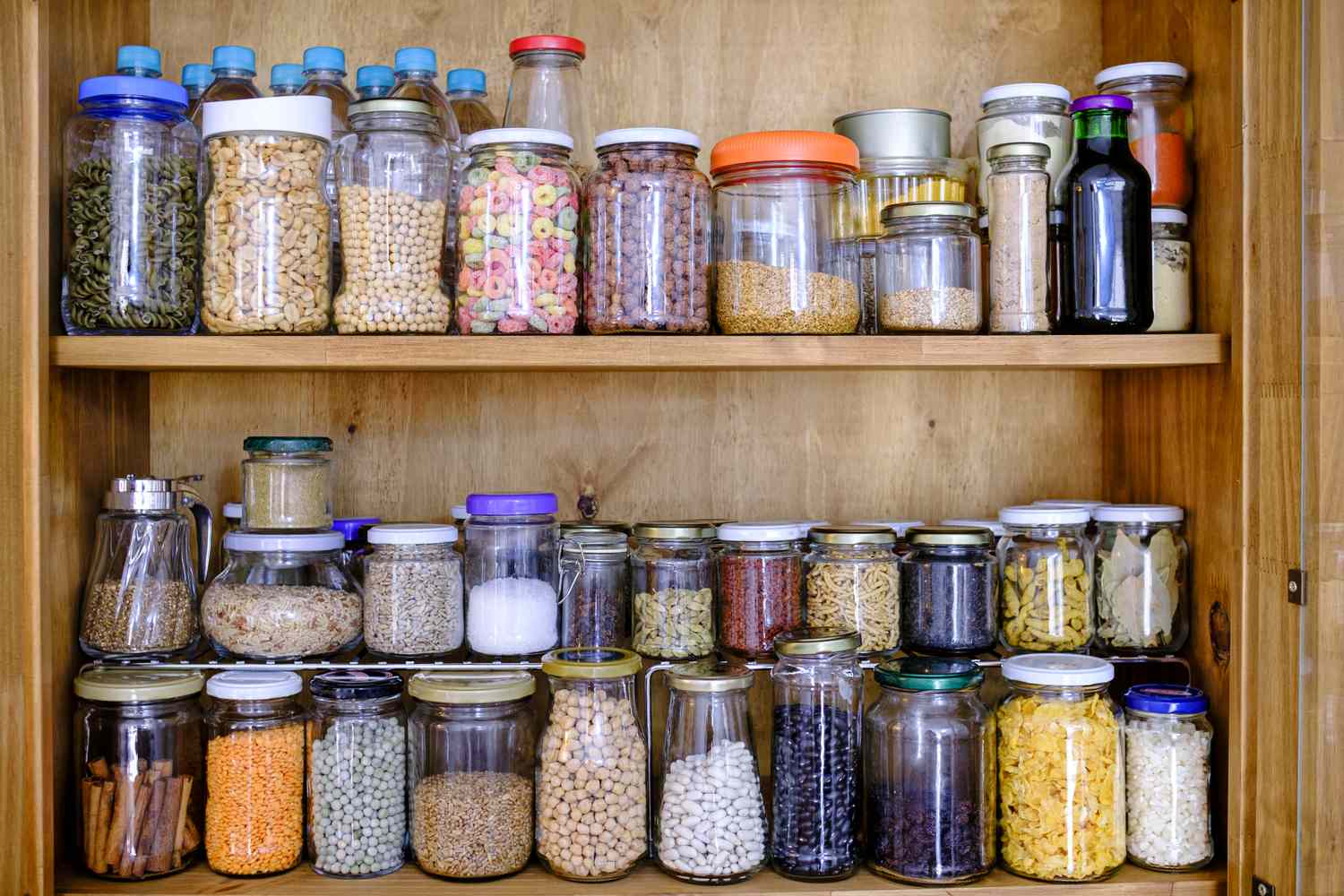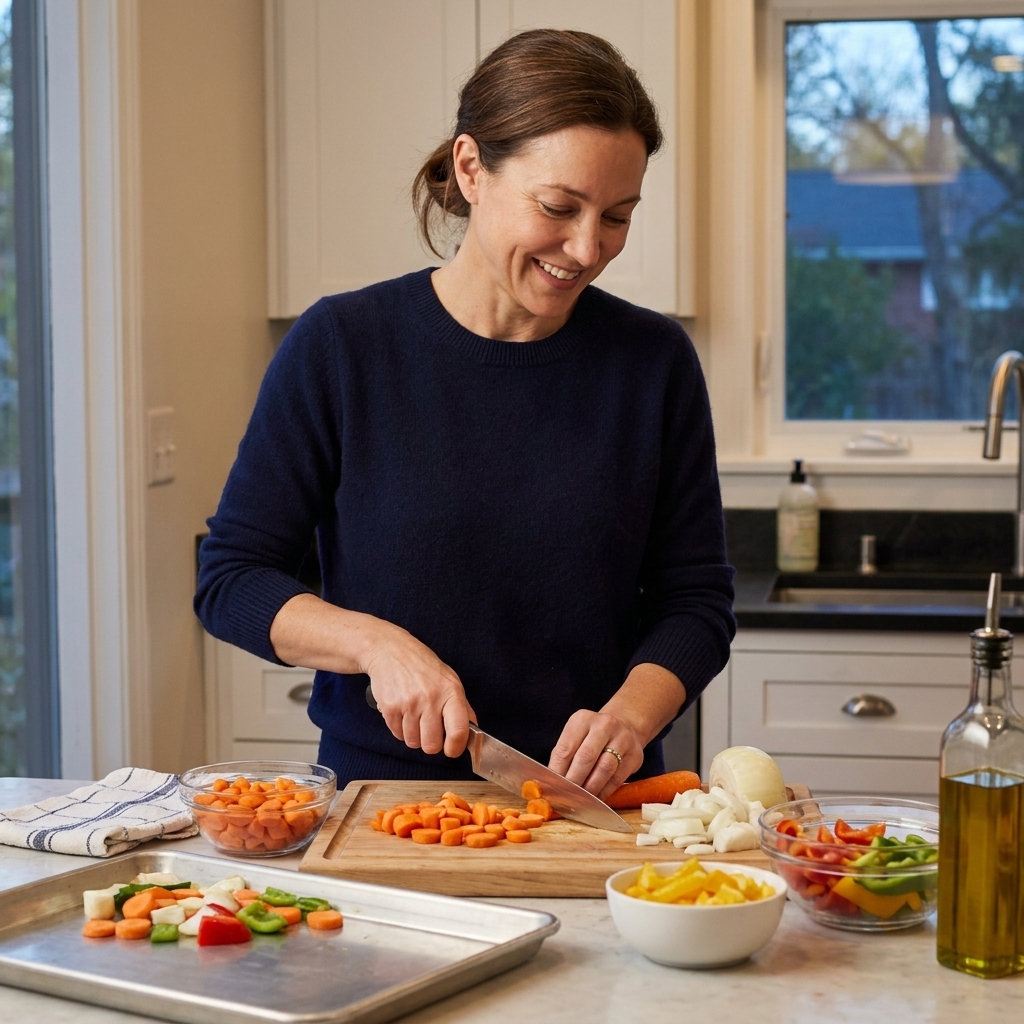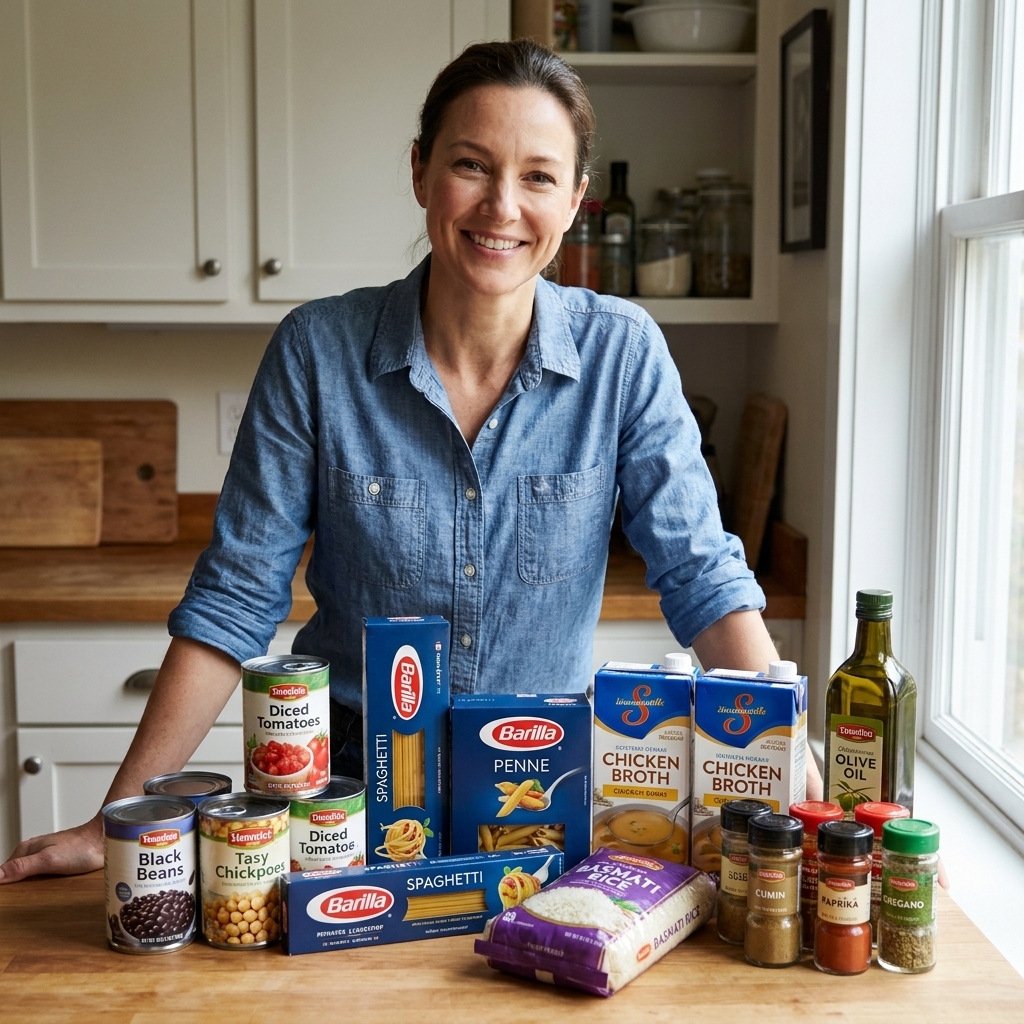
Need a side dish now? These 15 options are ready in 15 minutes or less, using pantry staples and simple techniques that work on real weeknights.
Recipe Homely
October 17, 2026
Last updated October 17, 2026
Ultimate Homemade Garlic Bread

Sarah Jenkins
Sarah Jenkins is a passionate home cook and the voice behind Recipe Homely, dedicated to making everyday meals stress-free and delicious. With over a decade of experience feeding a busy family, she specializes in rigorously tested, approachable recipes for dinners, desserts, and everything in between. When she isn't developing new dishes, Sarah can be found browsing local farmers' markets or baking with her two children.
Garlic bread is one of those “small” sides that can quietly make the whole dinner feel special. And the good news is you do not need a brick oven or fancy ingredients to get that bakery-style combo we all want: crisp edges, buttery middle, and bold garlic flavor in every bite.
Below is exactly how I make garlic bread in my own average-sized kitchen, including how to pick the right loaf, how to build a garlic herb butter with real flavor, and a few baking methods depending on whether you want soft, crunchy, or extra-toasty.
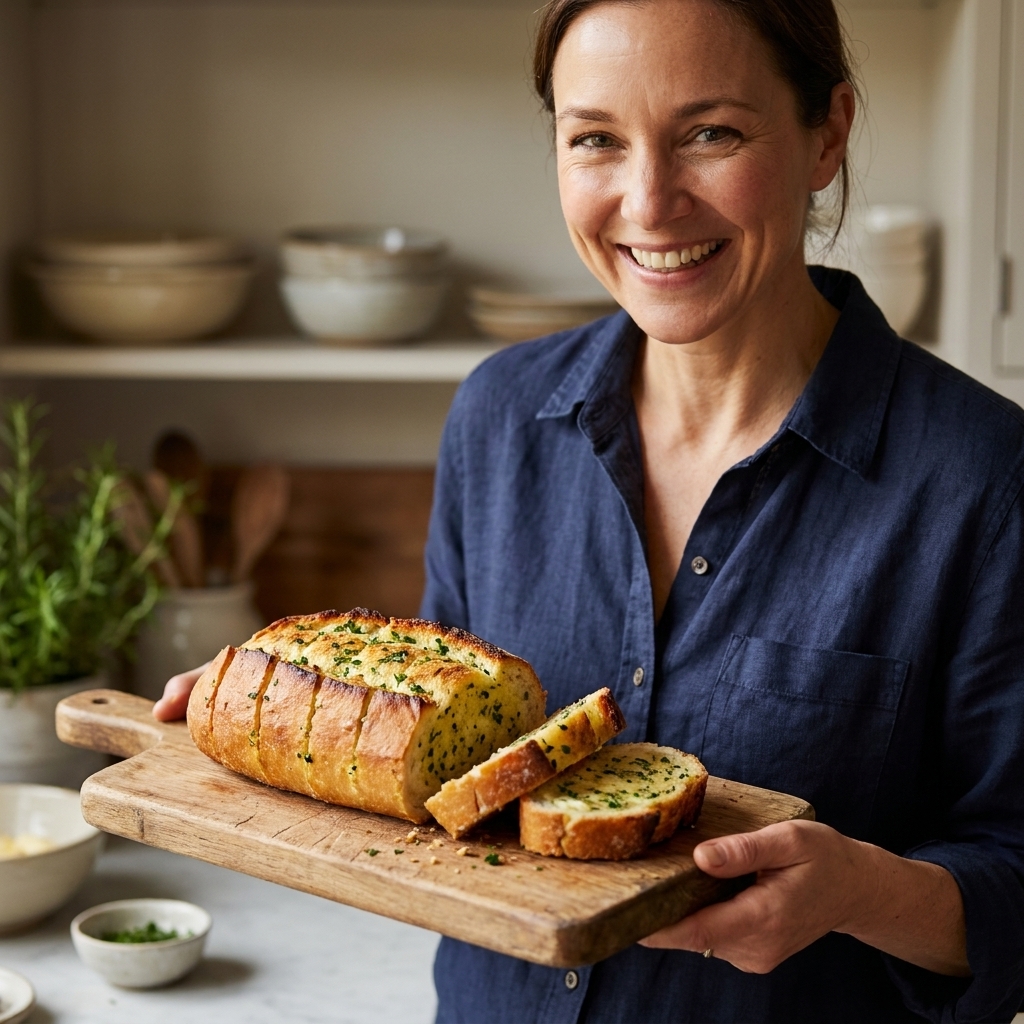
Start with the right bread
If your garlic bread turns out bland or soggy, it is often the bread. You want a loaf that can handle heat and butter without collapsing, but technique matters too.
Best choices
- French bread (classic): Light interior, crisp crust, easy to find. Great for slice-and-serve garlic bread.
- Italian loaf: Similar to French bread but often a bit softer. Excellent if you like a slightly more tender bite.
- Ciabatta: Airy holes and chewy texture. Makes a rustic, restaurant-style garlic bread with extra crisp edges.
- Baguette: More crust-to-crumb ratio. Perfect for garlic bread toasts and dipping into soup.
What to avoid (or how to fix it)
- Very soft sandwich bread: It tends to go limp. If it is all you have, toast it like open-faced garlic toast and use less butter.
- Ultra-fresh, steamy bread: Let it sit unwrapped 30 to 60 minutes before buttering so it can crisp instead of steaming.
- Very stale bread: It can be revived, but wrap in foil for most of the bake so the inside softens before you toast the top.
Make the garlic butter
This is where homemade garlic bread wins. The goal is a butter that spreads easily, clings to the bread, and carries garlic flavor without tasting harsh or raw.
Core ingredients
- Unsalted butter, softened: Softened butter spreads evenly. Unsalted lets you control the salt.
- Garlic: Freshly minced gives the strongest flavor. Grated garlic melts in smoothly.
- Salt: Makes the garlic pop.
- Parsley: Fresh is best, but dried works in a pinch.
My preferred garlic mix
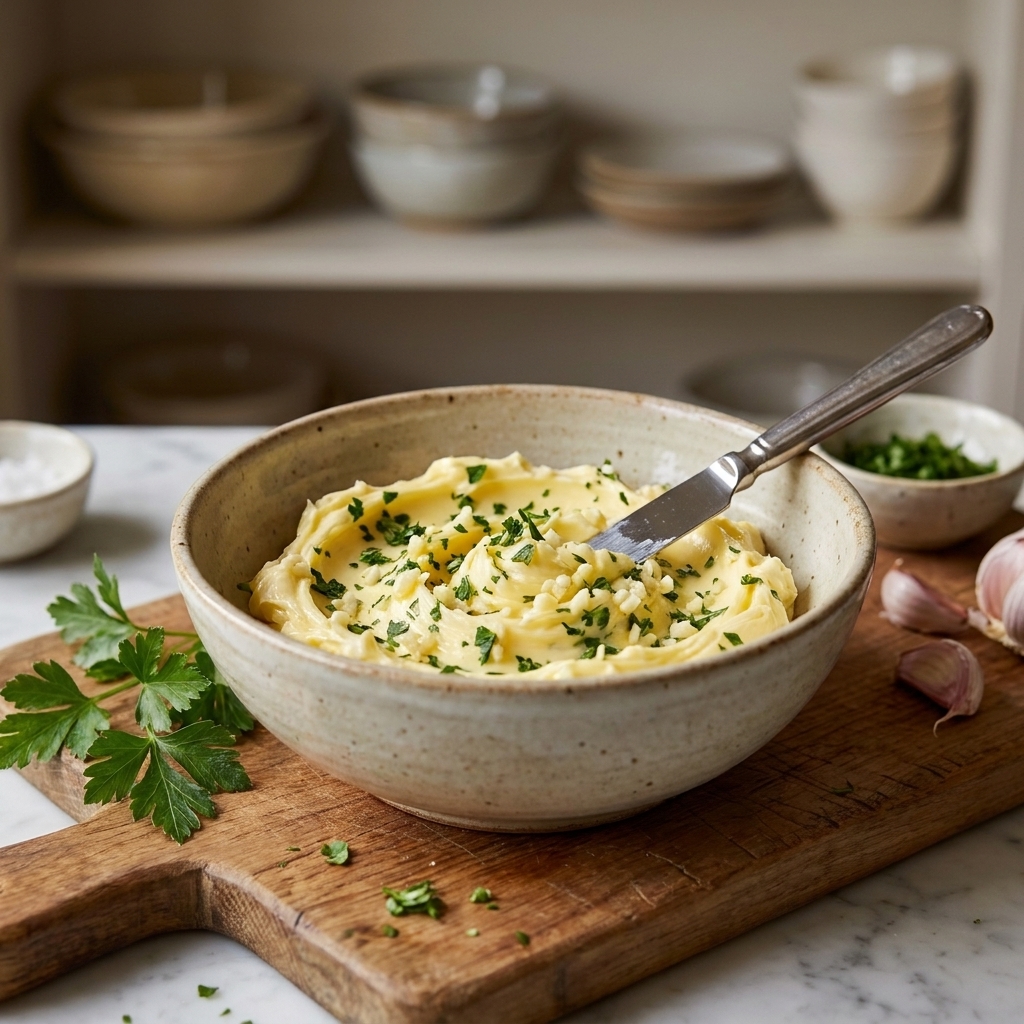
I like a mix of fresh garlic and a little garlic powder. Fresh gives you that real garlicky bite, and garlic powder helps the flavor spread evenly through the butter so each slice is nicely seasoned.
Using jarred minced garlic (yes, it works)
If jarred minced garlic is what you have, use it. The flavor is usually milder and sometimes a little sharp. I use less than fresh and I blot it dry with a paper towel before mixing so the butter does not get watery.
Optional boosters (pick 1 or 2)
- Parmesan: Adds salty, nutty depth and helps the top brown.
- Red pepper flakes: A little heat, especially great with pasta nights.
- Lemon zest: Brightens rich butter, amazing with seafood dinners.
- Italian seasoning: Easy pantry shortcut if you do not have fresh herbs.
Base recipe
This is the method I use most often for weeknights because it is consistent and easy to adjust based on the loaf you have.
Ingredients
- 1 loaf French bread or Italian bread (about 12 to 16 ounces)
- 1/2 cup (1 stick) unsalted butter, softened (use a little more for long or wide loaves, a little less for smaller ones)
- 3 to 5 cloves garlic, finely minced or grated (use 3 for mild, 5 for bold)
- 1/2 teaspoon garlic powder (optional but recommended)
- 1/2 teaspoon kosher salt, plus more to taste
- 2 tablespoons chopped fresh parsley (or 2 teaspoons dried)
- 2 to 4 tablespoons grated Parmesan (optional)
Step-by-step
- Heat the oven: Set oven to 400°F.
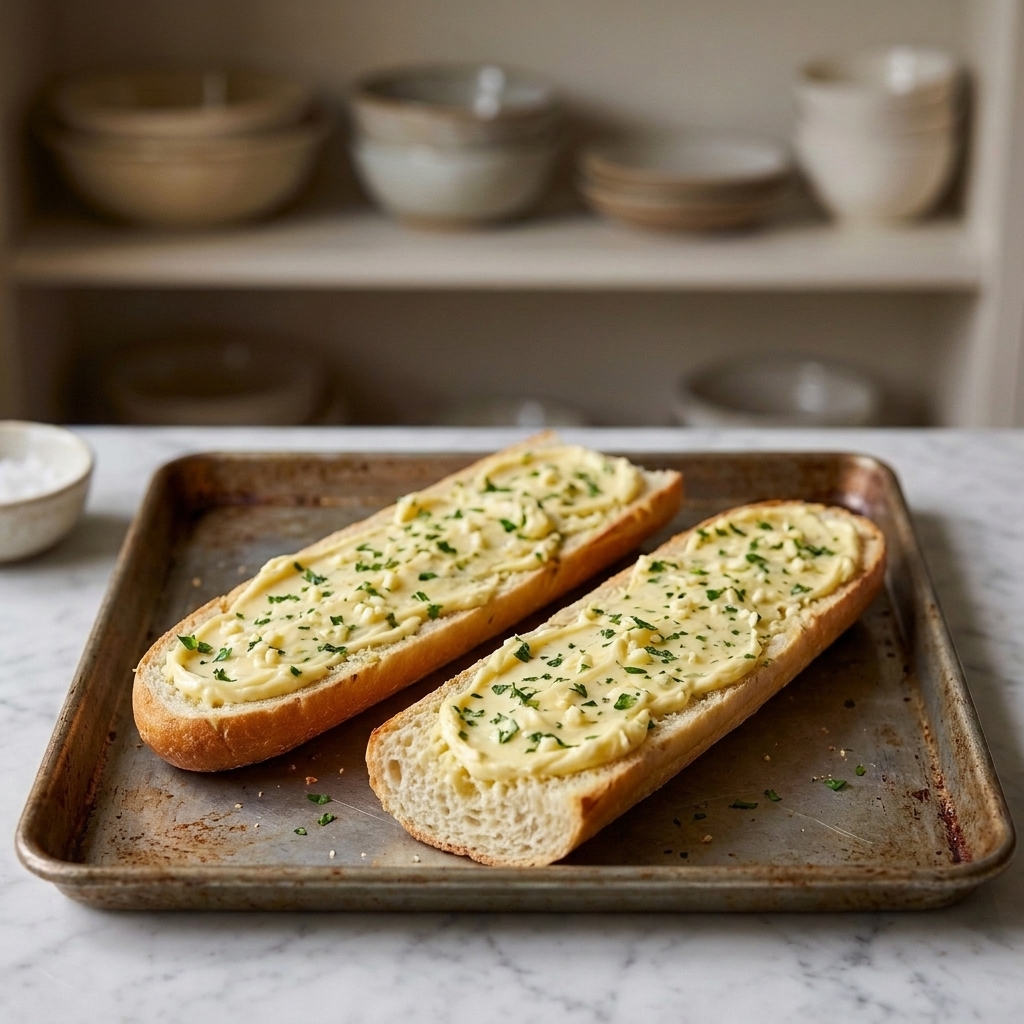
- Prep the bread: Slice the loaf lengthwise like a book. Place cut-side up on a baking sheet.
- Mix the butter: In a bowl, stir together butter, garlic, garlic powder, salt, parsley, and Parmesan if using.
- Spread generously: Cover the cut sides edge-to-edge. I use the back of a spoon to push butter into all the nooks.
- Bake: Bake 10 to 12 minutes, or until the butter is fully melted and the edges are turning lightly golden.
- Broil for crunch (optional): Broil 30 to 90 seconds, just until the top looks toasted and the butter is bubbling. Stay close. It can go from perfect to burnt fast.
- Slice and serve: Let it sit 2 minutes, then slice.
Bake options
Think of these as modes depending on your dinner, your crowd, and how thick your loaf is. Times are a guide, but always trust the cues: melted butter, hot bread, and golden edges.
Soft and buttery
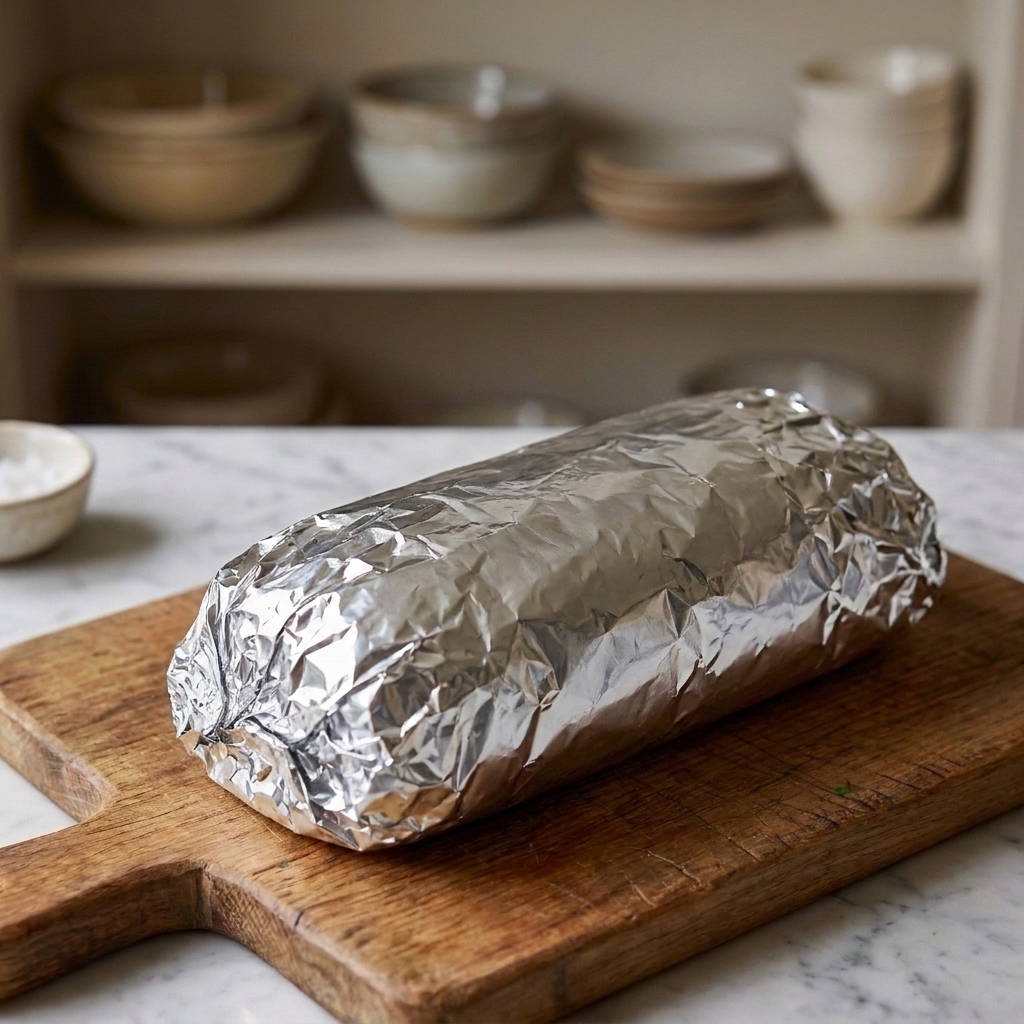
After buttering, wrap the loaf in foil and bake at 375°F for 12 to 15 minutes, or until hot through and the butter is fully melted. No broiling. This traps steam and keeps the bread tender.
Crispy edges, soft center
Bake uncovered at 400°F for 10 to 12 minutes, then broil briefly until the top is lightly toasted.
Extra-toasty
Use a sturdier loaf (ciabatta or a thick French loaf). Bake at 425°F for 8 to 10 minutes, then broil until deeply golden. If the top is browning too fast, drop the rack to the middle of the oven.
Air fryer (small batch)
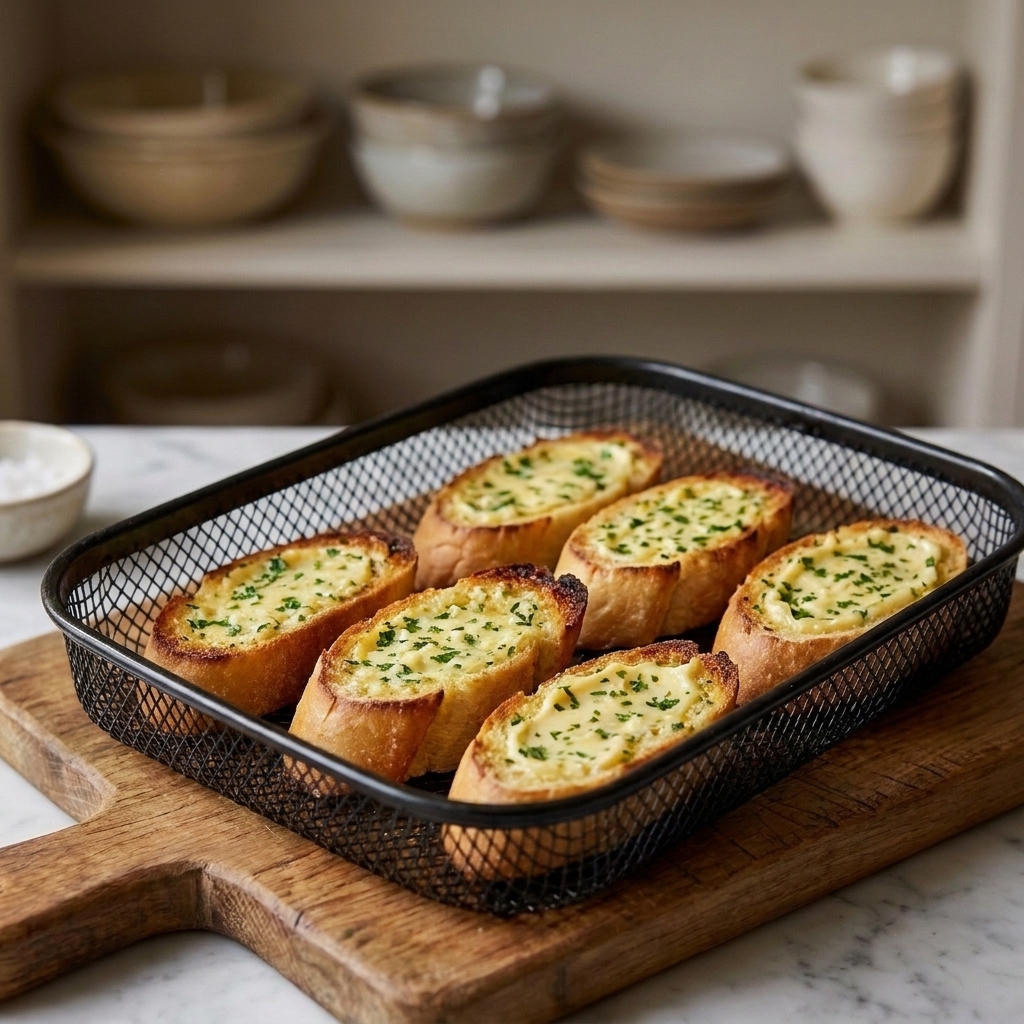
Slice into portions first. Air fry at 350°F for 4 to 6 minutes, or until the edges are crisp and the butter is bubbling. Check early because every air fryer runs a little different.
Butter variations
Once you have the basic butter down, you can spin it a bunch of ways without making dinner complicated. These are my go-to blends.
Italian herb
- Butter + garlic + parsley
- Add: chopped basil (or 1 teaspoon dried), a pinch of oregano, and Parmesan
Rosemary garlic
- Butter + garlic
- Add: 1 to 2 teaspoons finely chopped rosemary and a tiny squeeze of lemon
Chive Parmesan
- Butter + garlic
- Add: chopped chives and extra Parmesan
Spicy
- Butter + garlic
- Add: crushed red pepper flakes and a pinch of smoked paprika
Troubleshooting
Mine is soggy
- Use a sturdier loaf or bake uncovered.
- Spread butter evenly. If it is pooling in the center, you have too much in one spot.
- Finish with a short broil for surface crispness.
The garlic tastes harsh
- Grate the garlic instead of chunky mincing so it melts in.
- Use part garlic powder for a smoother flavor.
- To mellow fresh garlic, microwave the minced garlic with 1 tablespoon of butter 10 to 15 seconds, just until fragrant and not sizzling, then mix into the rest.
The top burns before the inside warms
- Bake at 375°F and use foil for the first 8 to 10 minutes, then uncover to toast.
- Move the pan to the middle rack (not too close to the broiler).
It tastes bland
- Add more salt. Garlic bread needs salt to taste like garlic bread.
- Add Parmesan for depth.
- Use fresh garlic when you can.
Make-ahead and freezing
Make the butter ahead
Mix garlic herb butter up to 5 days ahead and keep it covered in the fridge. Let it soften at room temp for 20 to 30 minutes so it spreads easily.
Quick food safety note: Garlic butter should be kept refrigerated. Do not leave it sitting at room temperature for long stretches.
Freeze garlic bread for later
- Slice the loaf lengthwise and butter it.
- Wrap tightly in plastic wrap, then foil.
- Freeze up to 2 months.
To bake from frozen: Bake wrapped in foil at 375°F for 15 to 20 minutes, then unwrap and bake 5 minutes more if needed, until hot through and the butter is fully melted. Finish with a quick broil to toast the top.
Serving ideas
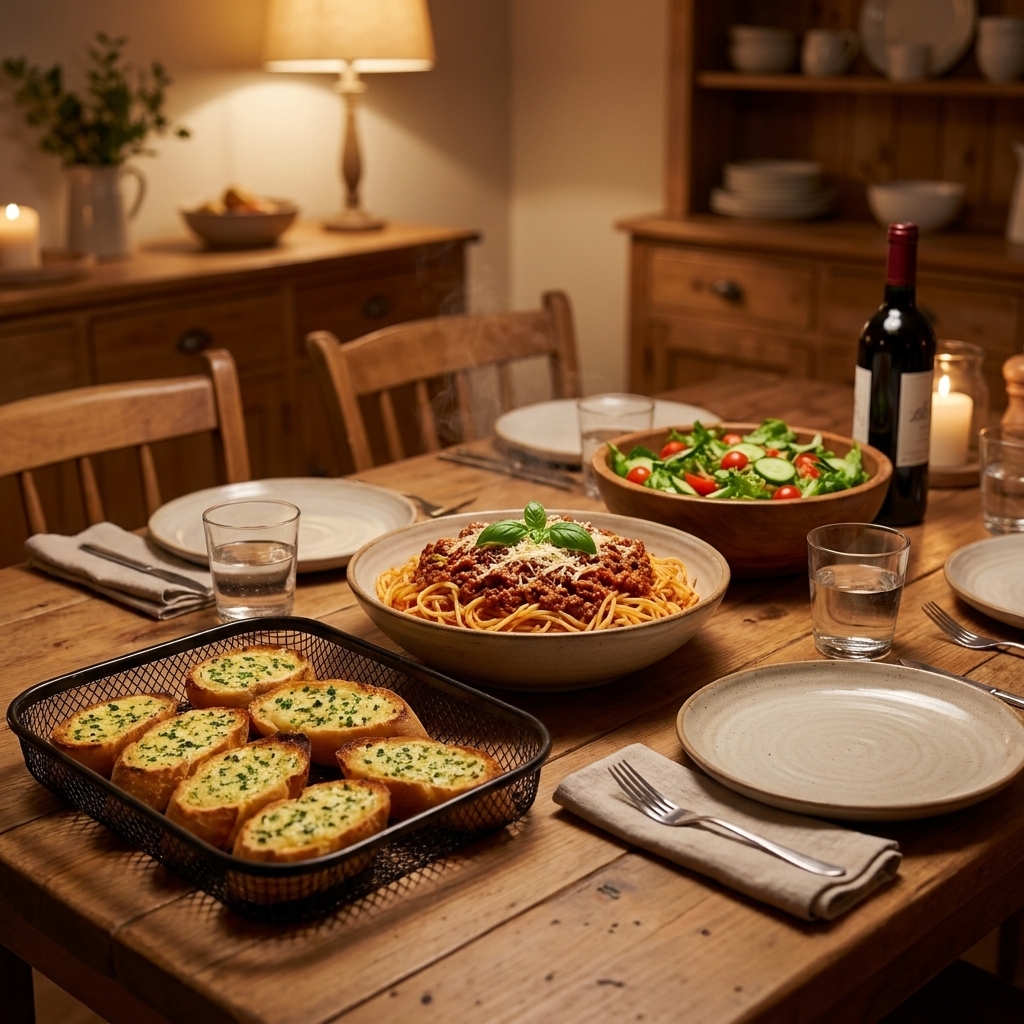
Garlic bread is not just for spaghetti night, although it is definitely welcome there.
- With pasta: marinara, baked ziti, lasagna, creamy Alfredo
- With soups: tomato soup, minestrone, chicken noodle, creamy potato soup
- With salads: Caesar, Italian chopped salad, simple arugula salad
- As a starter: slice into small pieces and serve with warm marinara for dipping
FAQ
Do I have to use fresh garlic?
You will get the best flavor with fresh, but you can make good garlic bread with garlic powder alone in a pinch. If you go that route, start with 1 to 1 1/2 teaspoons garlic powder per stick of butter and taste before spreading.
Should I use salted or unsalted butter?
I prefer unsalted because different brands vary a lot in saltiness. If you only have salted butter, skip added salt at first, then taste the butter mixture and adjust.
Can I add cheese?
Yes. Parmesan is my everyday pick. For gooey cheesy garlic bread, sprinkle shredded mozzarella on top during the last 2 to 3 minutes of baking, then broil briefly.
How do I reheat garlic bread without it getting tough?
Wrap in foil and warm at 350°F for 8 to 10 minutes, or until heated through. For a crispier top, open the foil for the last 2 minutes.
Quick pep talk
If you are new to homemade garlic bread, keep it simple the first time: a sturdy loaf, softened butter, fresh garlic, salt, and parsley. Bake until melted and golden at the edges, broil briefly if you want crunch, and serve it warm. Once you nail the base, you can play with herbs and cheese all you want.