
A tested collection of easy vegetable sides that picky eaters will happily eat, with smart prep tips, dips, and make-ahead shortcuts for busy weeknights.
Recipe Homely
October 18, 2026
Last updated October 18, 2026
Steamed Whole Artichokes With Lemon-Yogurt Dip

Sarah Jenkins
Sarah Jenkins is a passionate home cook and the voice behind Recipe Homely, dedicated to making everyday meals stress-free and delicious. With over a decade of experience feeding a busy family, she specializes in rigorously tested, approachable recipes for dinners, desserts, and everything in between. When she isn't developing new dishes, Sarah can be found browsing local farmers' markets or baking with her two children.
Whole artichokes look a little intimidating until you make them once. After that, they become one of those “why don’t we do this more often?” sides. My method is simple: trim safely, steam until a leaf near the center pulls off easily, and put a tangy lemon-yogurt dip on the table so everyone can get right to the fun part.
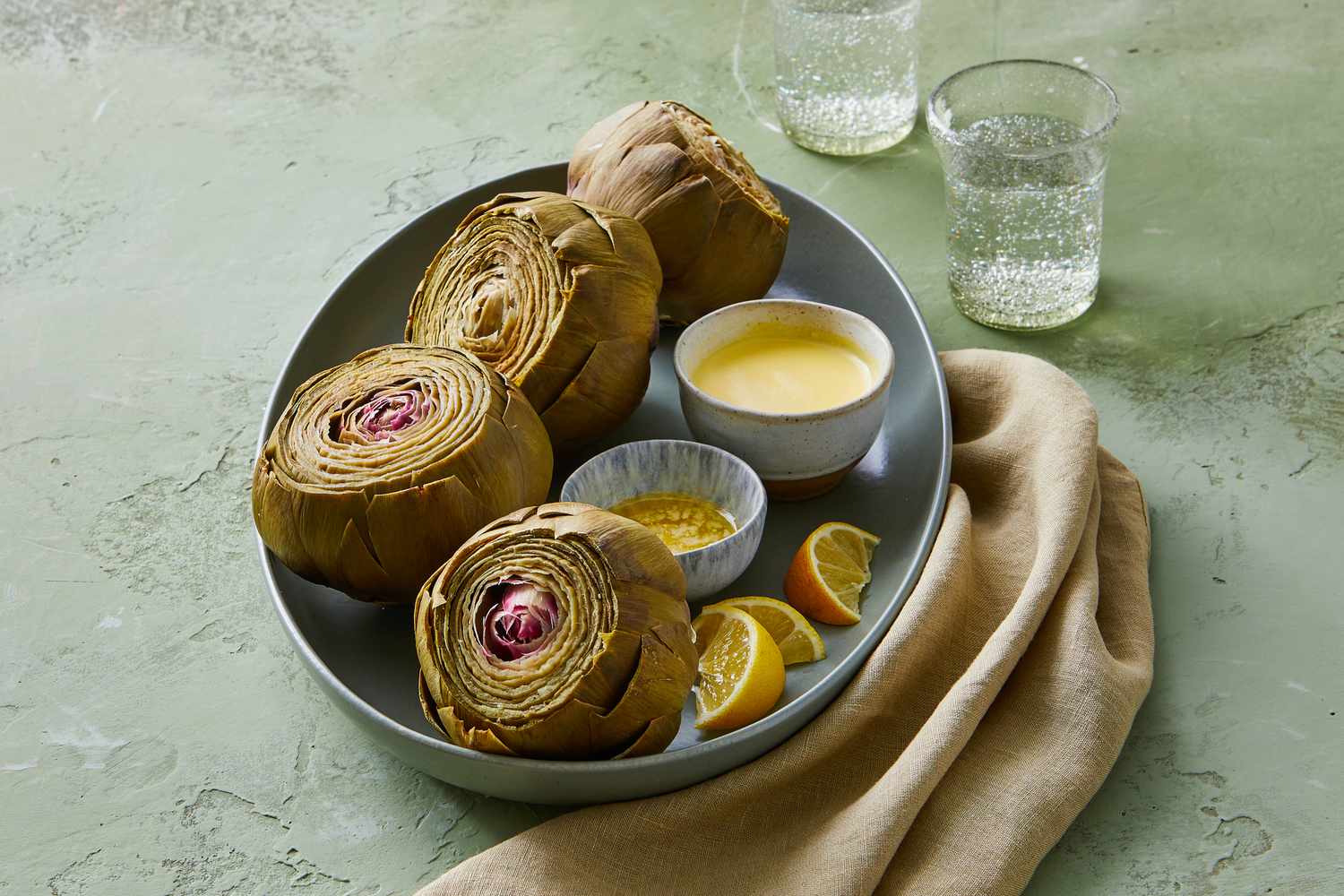
What you’ll need
Ingredients
- Whole artichokes (1 per person is generous, 1 for every 2 people works for a starter)
- Lemon (1, halved, plus zest and juice for the dip)
- Water (for steaming)
- Salt
- Plain Greek yogurt (or plain regular yogurt, see notes)
- Olive oil (optional but lovely for richness)
- Garlic (1 small clove, finely grated, optional)
- Black pepper (or a pinch of paprika)
Equipment
- Large pot with a lid
- Steamer basket or steamer insert
- Kitchen shears
- Chef’s knife
- Spoon (for removing the choke)
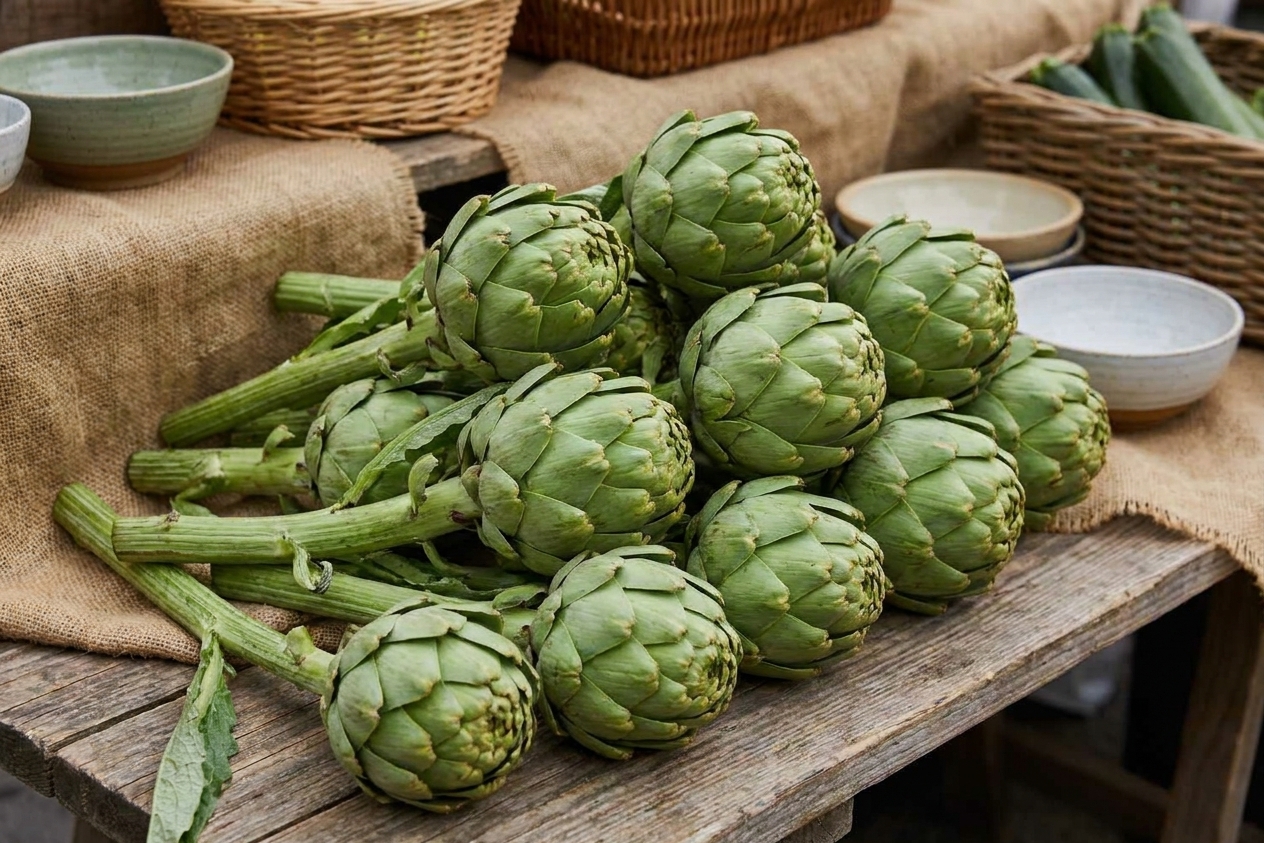
How to choose artichokes
You don’t need “perfect,” just fresh.
- Look for tight leaves that feel compact rather than splayed wide open.
- Pick up a couple and choose the ones that feel heavy for their size.
- Avoid very dry, browned cut ends or artichokes that feel light and dehydrated.
Small to medium artichokes tend to cook a bit faster and feel less fussy for first-timers, but this method works for any size. Just adjust the steaming time and start checking early.
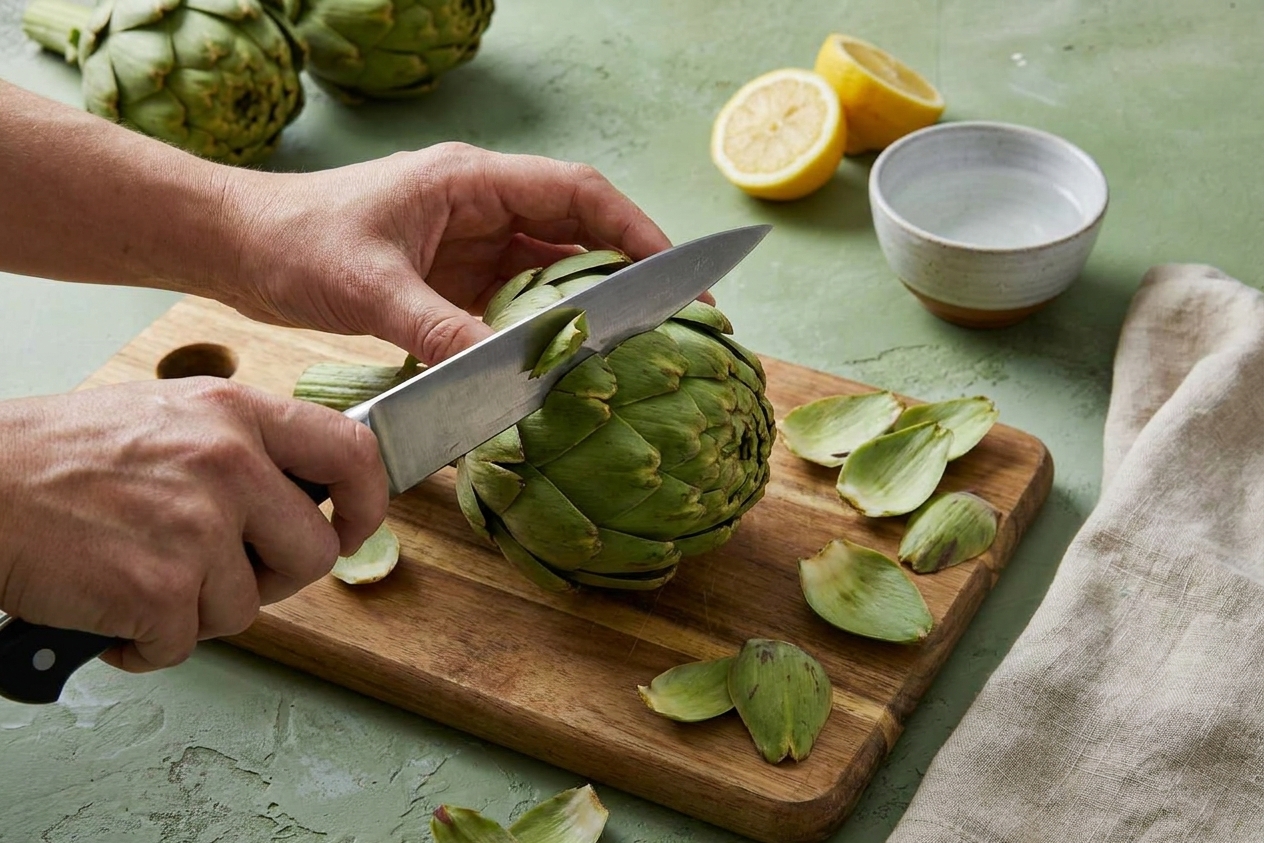
Trim whole artichokes
Artichoke leaves can be pokey, so go slow and keep your fingers clear when cutting.
- Rinse well. Rinse the artichokes under cool water, gently opening the outer leaves a bit so you can rinse away any grit inside.
- Trim the stem. If the stem is long, trim it down so the artichoke can sit flatter (leave about 1/2 to 1 inch). If you like, peel the outside of the stem with a vegetable peeler. The inner stem is tender and tasty.
- Cut off the top. With a sharp chef’s knife, slice about 1/2 to 1 inch off the top to remove many of the sharp leaf tips.
- Snip sharp tips. Use kitchen shears to snip the sharp points off the outer leaves. This is optional, but I recommend it if you’re serving guests or kids.
- Rub with lemon. As soon as you cut, rub the cut surfaces with a lemon half to slow browning.
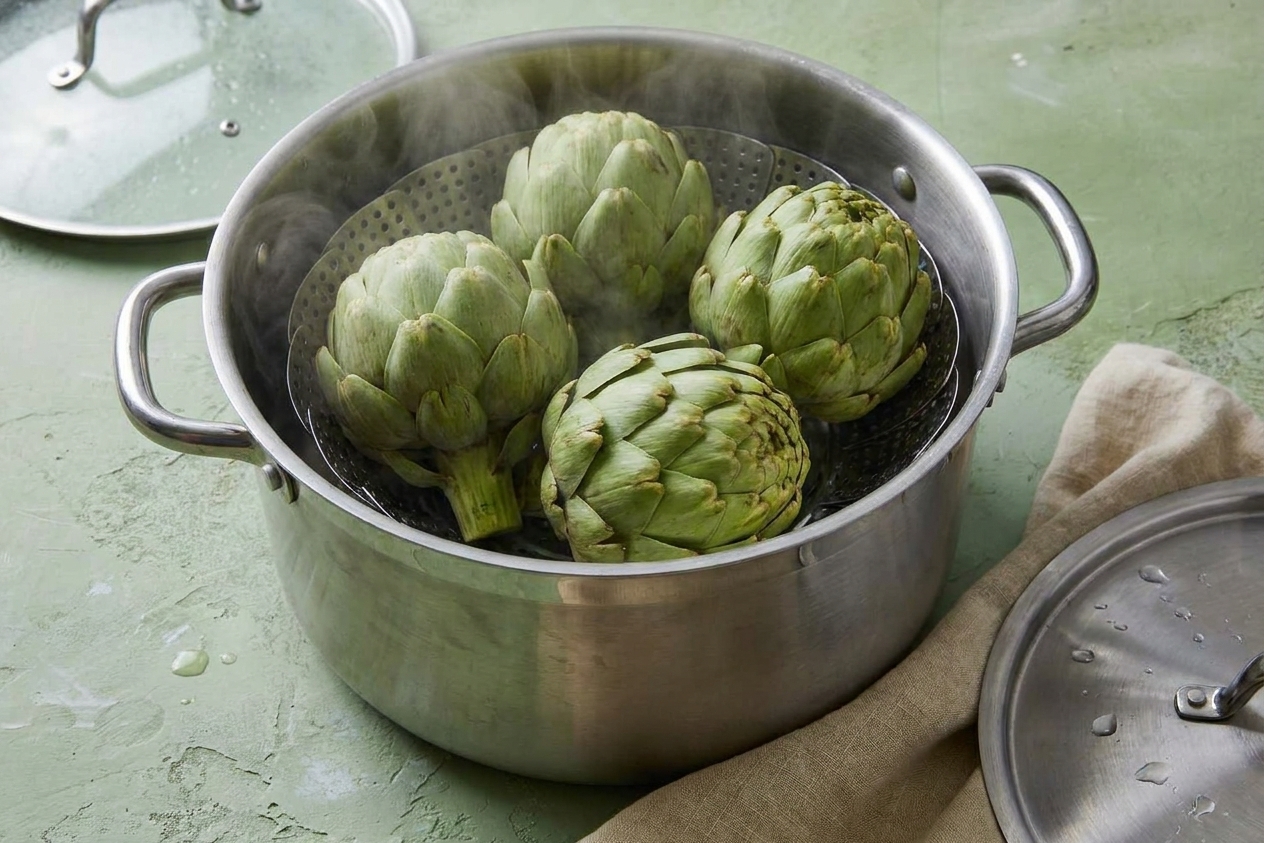
How to steam artichokes
This is the reliable method I use in a standard stockpot or Dutch oven on a weekday. Steaming (instead of boiling) keeps the flavor concentrated and the leaves less waterlogged.
- Set up your pot. Add about 1 to 2 inches of water to a large pot. Add 1 teaspoon salt and squeeze in a little lemon juice (and toss in the squeezed lemon halves if you want). Optional, but nice: add a couple garlic cloves, a bay leaf, or a few peppercorns.
- Add the steamer basket. Make sure the water level sits below the basket so the artichokes steam, not boil.
- Arrange artichokes. Place artichokes in the basket, stem-side down if they sit that way. If they wobble, stem-side up is fine.
- Cover and steam. Bring to a steady simmer, then cover and steam until tender (timing below). Check occasionally to be sure there’s still water in the pot. Add more hot water if needed.
Steaming time guide
- Small artichokes: 20 to 30 minutes (start checking at 20)
- Medium artichokes: 30 to 45 minutes (start checking at 30)
- Large artichokes: 45 to 60 minutes (start checking at 45)
Note: Variety and season make a difference. Very large artichokes can take a little over an hour, so use the doneness cues as your final answer.
How to tell they’re done
- A leaf near the middle pulls out easily with a gentle tug.
- The base (the “heart” area) feels tender when you pierce it with the tip of a knife.
Once tender, turn off the heat and let them sit covered for 5 minutes. This little rest helps finish the centers without overcooking the outside leaves.
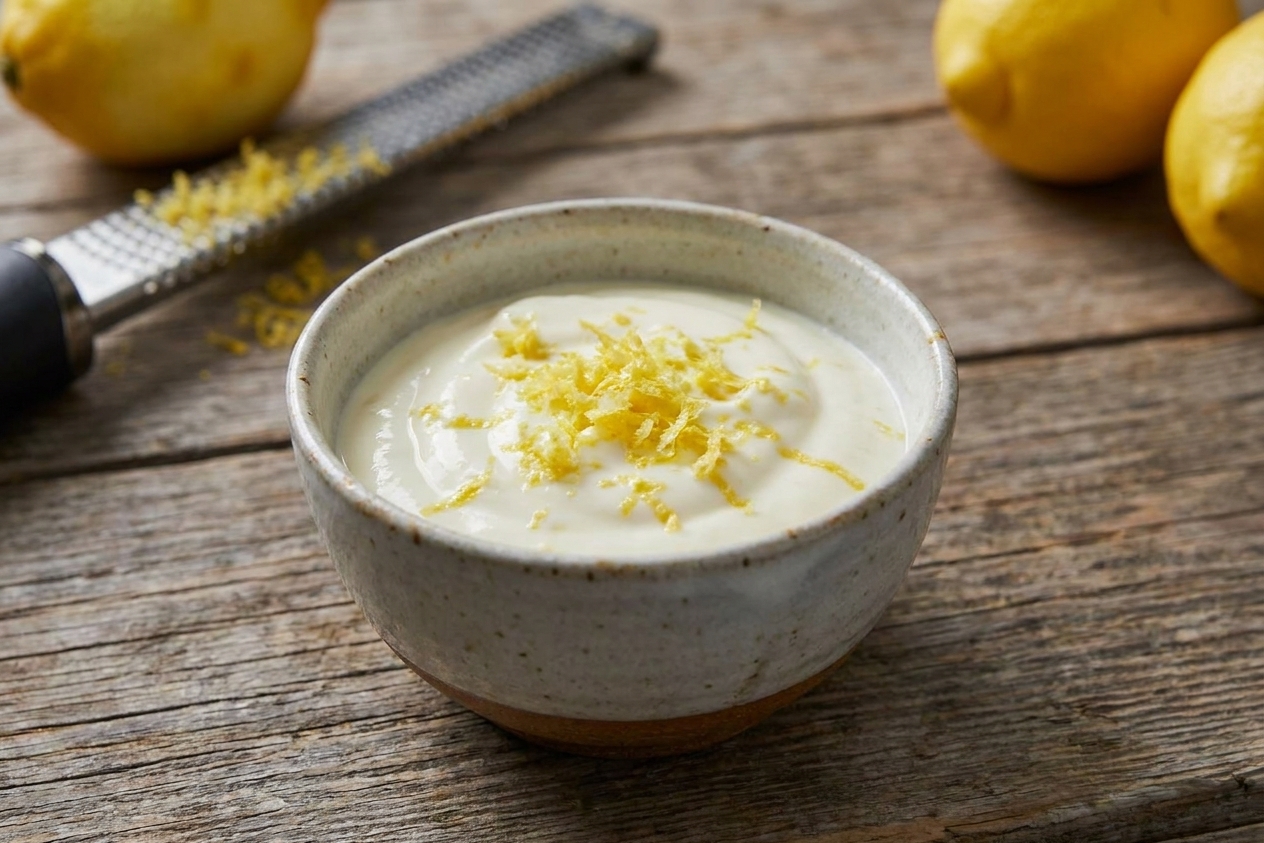
Lemon-yogurt dip
This dip is bright, creamy, and fast. If you can stir, you can make it.
Ingredients
- 1 cup plain Greek yogurt
- 1 to 2 teaspoons lemon zest
- 2 to 3 tablespoons fresh lemon juice (to taste)
- 1 tablespoon olive oil (optional)
- 1 small garlic clove, finely grated (optional)
- 1/2 teaspoon kosher salt, plus more to taste
- Black pepper to taste
Directions
- In a small bowl, stir together the yogurt, lemon zest, 2 tablespoons lemon juice, olive oil (if using), garlic (if using), salt, and pepper.
- Taste and adjust. Add more lemon juice for extra tang, or a pinch more salt until it tastes pleasantly salty and lemony.
- Refrigerate until serving time. It’s great cold next to warm artichokes.
Yogurt note: If you’re using regular plain yogurt (not Greek), the dip will be a little looser. Still delicious. If you want it thicker, drain it in a fine-mesh strainer for 10 minutes.
How to serve
I love serving artichokes warm, with the dip cold, plus extra lemon wedges on the side. A little flaky salt on the plate makes everything taste more “restaurant” with zero extra work.
- Set each artichoke on a small plate or shallow bowl (they drip a little).
- Add a bowl of lemon-yogurt dip for each person, or one larger bowl for the table.
- Offer a small empty bowl for discarded leaves if you want to feel very organized and very fancy.
How to eat an artichoke
If you grew up with artichokes at the table, this is second nature. If you didn’t, here’s the quick and confident way to do it.
Step 1: Eat the leaves
- Pull off one outer leaf.
- Dip the fleshy end into the lemon-yogurt dip.
- Place the leaf in your mouth and scrape the soft flesh off with your teeth.
- Discard the remaining tough leaf in your discard bowl.
As you work inward, the leaves get more tender and meaty.
Step 2: Remove the choke
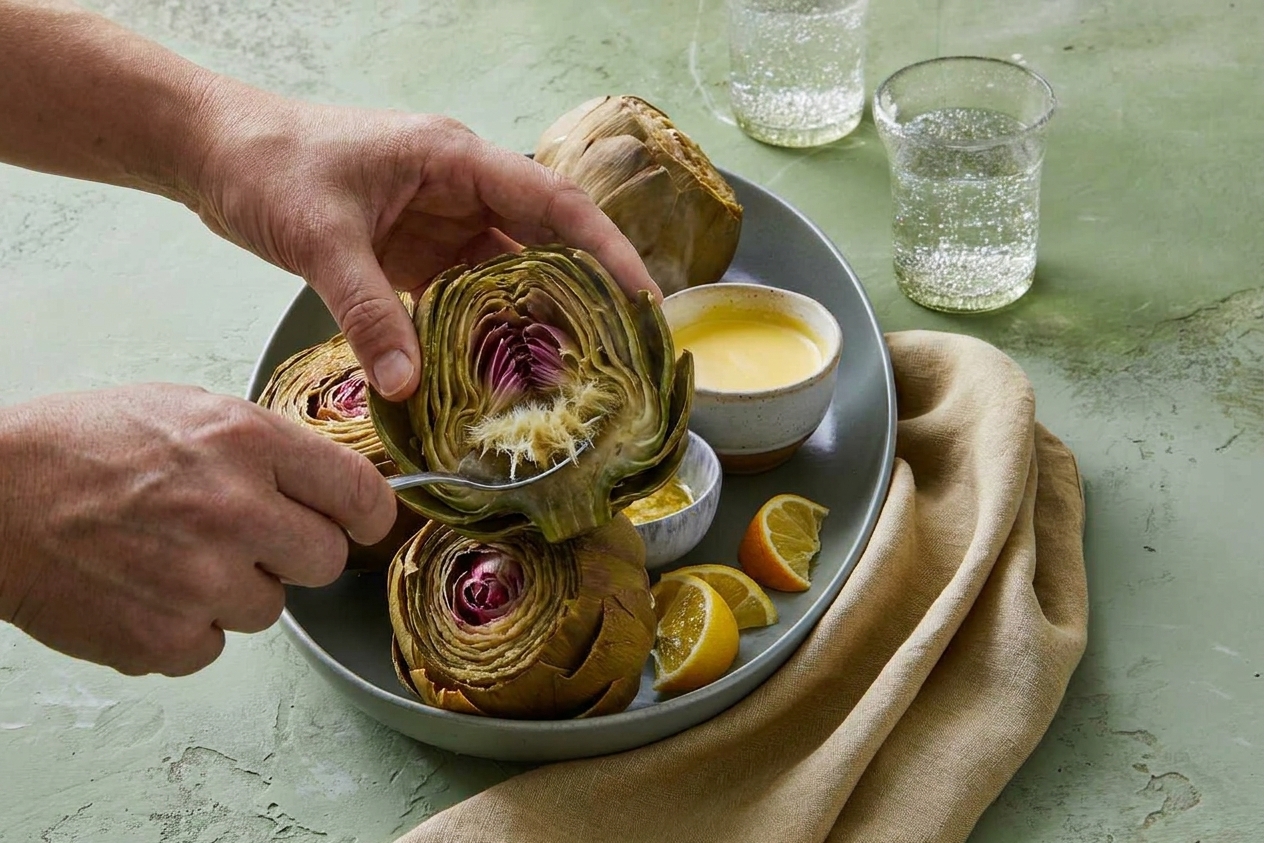
Once you’ve pulled off most of the leaves, you’ll reach the pale inner leaves (often thinner and softer). Under those is the fuzzy center called the choke. You do not want to eat the fuzz.
- Pull out the small inner leaves to expose the fuzzy choke.
- Use a spoon to scoop out the fuzzy choke completely.
- What’s left is the heart, the best part. Cut it into pieces, dip, and enjoy.
For little kids: To keep things simple and safe, remove the choke for them in the kitchen and serve just the tender inner leaves and heart (or serve pre-cleaned hearts).
Tips for success
- Don’t let the pot run dry. Steaming can take a while, especially with large artichokes. Peek carefully and add hot water if needed.
- Trim for your audience. Snipping the leaf tips takes a minute but makes eating more pleasant.
- Salt matters. A little salt in the steaming water and in the dip makes the artichokes taste like themselves, only better.
- Make the dip first. It gets even better as it sits, and then it’s ready when the artichokes are.
Variations
- Herby lemon-yogurt: Stir in chopped dill, parsley, or chives.
- Spicy: Add a pinch of cayenne or a spoonful of harissa to the dip.
- Extra savory: Add 2 tablespoons finely grated Parmesan to the dip.
- No yogurt: Swap in mayonnaise or a half-and-half blend of mayo and sour cream, then brighten with lemon.
Storage and leftovers
How to store
- Steamed artichokes: Cool, then store in an airtight container in the refrigerator for up to 3 to 4 days. (Closer to 3 is best if they were already a bit old when you cooked them.)
- Lemon-yogurt dip: Store covered in the refrigerator for up to 4 days. Stir before serving.
How to reheat
- Best method: Re-steam for 5 to 10 minutes until warmed through.
- Microwave: Works in a pinch. Place in a bowl with a splash of water, cover loosely, and heat in short bursts.
Leftover hearts and tender inner leaves are great chopped into salads, tossed with pasta, or folded into an omelet the next morning.
Troubleshooting
“My artichoke is still tough.”
It simply needs more time. Put it back on to steam and check every 5 to 10 minutes. Some artichokes are denser, and very large ones can take over an hour.
“The leaves won’t pull off easily.”
That’s another sign it needs longer. Also make sure you’re testing a leaf from near the center, not the very outermost leaves, which are naturally tougher.
“It tastes bland.”
Add a pinch more salt to the dip, and serve with lemon wedges. A finishing sprinkle of flaky salt on the leaves right before eating helps a lot.
“The dip is too tangy.”
Stir in a bit more yogurt, or add a teaspoon of olive oil to mellow it.
Quick recap
Trim: Cut top off, trim stem, snip sharp tips, rub with lemon.
Steam: 1 to 2 inches water, steamer basket, cover and steam until a leaf near the center pulls easily (about 20 to 60 minutes depending on size).
Dip: Yogurt + lemon zest and juice + salt + pepper (plus olive oil and garlic if you want).
Eat: Dip leaf, scrape with teeth, discard leaf. Remove fuzzy choke, then enjoy the heart.