From a 10-minute prep routine to sheet-pan systems, freezer tricks, and simple safety guardrails, these realistic kitchen hacks help you get dinner on the ta...
Recipe Homely
October 17, 2026
Last updated October 17, 2026
Slow Cooker vs. Instant Pot for Family Dinners

Sarah Jenkins
Sarah Jenkins is a passionate home cook and the voice behind Recipe Homely, dedicated to making everyday meals stress-free and delicious. With over a decade of experience feeding a busy family, she specializes in rigorously tested, approachable recipes for dinners, desserts, and everything in between. When she isn't developing new dishes, Sarah can be found browsing local farmers' markets or baking with her two children.
If you have ever stood in the kitchen at 5:12 PM wondering how dinner is going to happen (again), you are my people. I have cooked through years of packed school nights, late meetings, and picky-eater phases, and I can tell you this: both a slow cooker and an Instant Pot can save your evening, but they do it in totally different ways.
This isn’t about what the internet says is “better.” It is about which one fits your real life: your schedule, your family’s favorite meals, and how much hands-on cooking you can handle at 4 PM versus 6 PM.
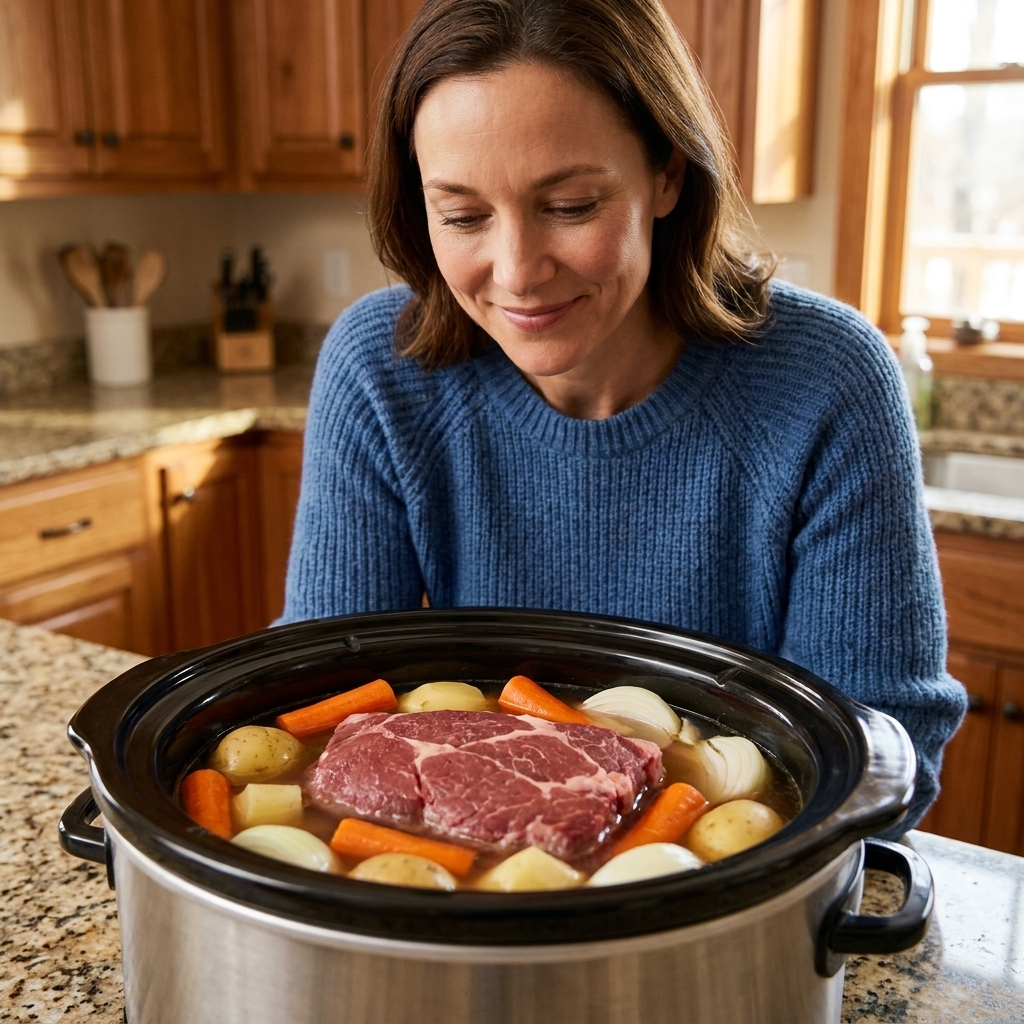
The biggest difference
Slow cooker: set it early, come home to dinner.
Instant Pot: decide late, still eat on time.
That is the heart of it. A slow cooker gives you a calm evening because you did the work in the morning. An Instant Pot gives you a rescue plan because it can cook fast, even from refrigerated ingredients, and sometimes from frozen ones with the right adjustments.
Slow cooker: best uses
Pros for busy families
- True hands-off cooking. Once it is on, dinner basically runs itself.
- Great for tough cuts and cozy meals. Think shredded pork, pot roast, chili, soups, beans.
- More forgiving timing. If practice runs late, you have a buffer.
- Kid-friendly textures and flavors. Long cooking makes sauces mellow and meats tender.
Cons (the real-life ones)
- You need lead time. Many meals run 7 to 8 hours on LOW (or about 3 to 5 on HIGH), so if you forgot at 8 AM, it is not saving dinner at 5 PM.
- “Mushy” risk. Veggies can over-soften, and pasta is tricky unless added at the end.
- Less browning. You do not get roasted edges or crisp tops unless you use a broiler or sear first.
- Some recipes turn out watery. Slow cookers trap moisture, so you often need less liquid than stovetop recipes.
- WARM is not a magic pause button. It can keep food hot for a short hold, but long stretches can overcook food. Make sure your cooker keeps food above 140°F/60°C if you are holding.
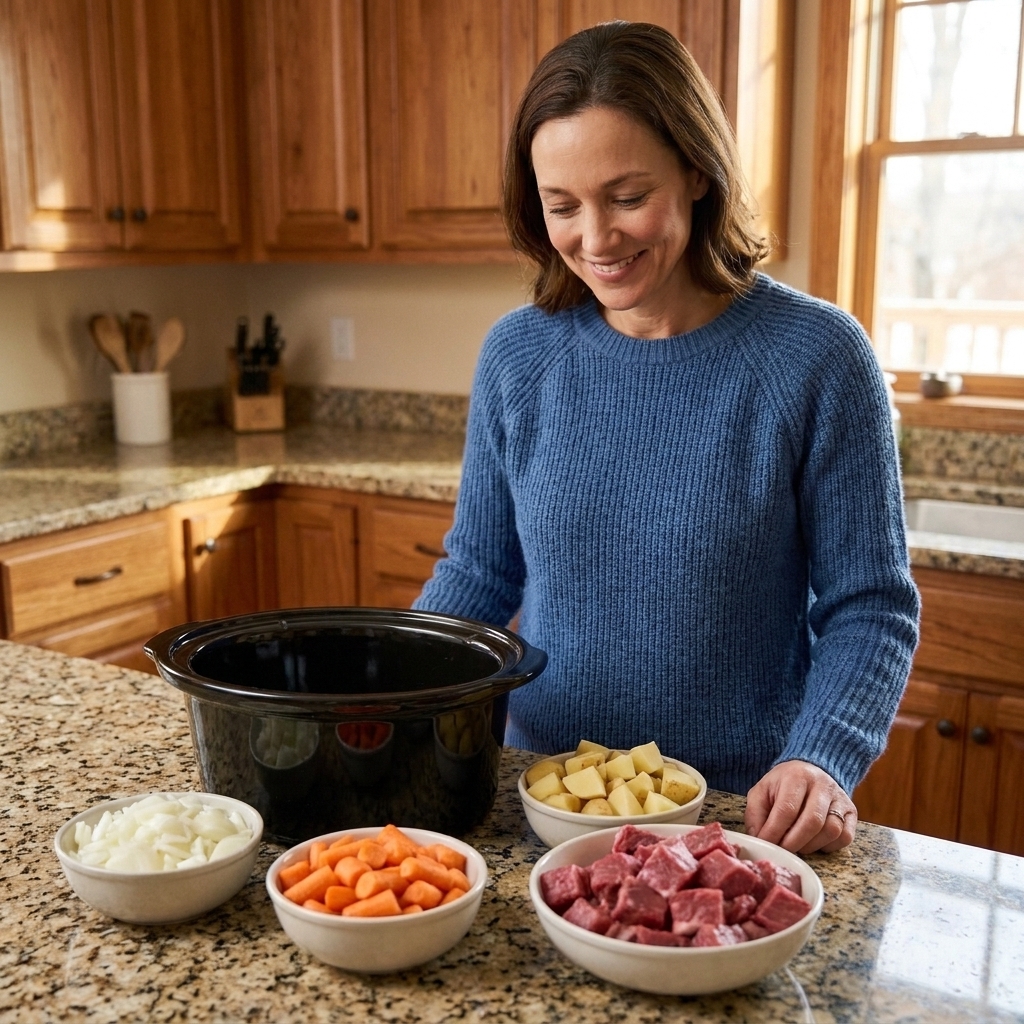
Best slow cooker dinners
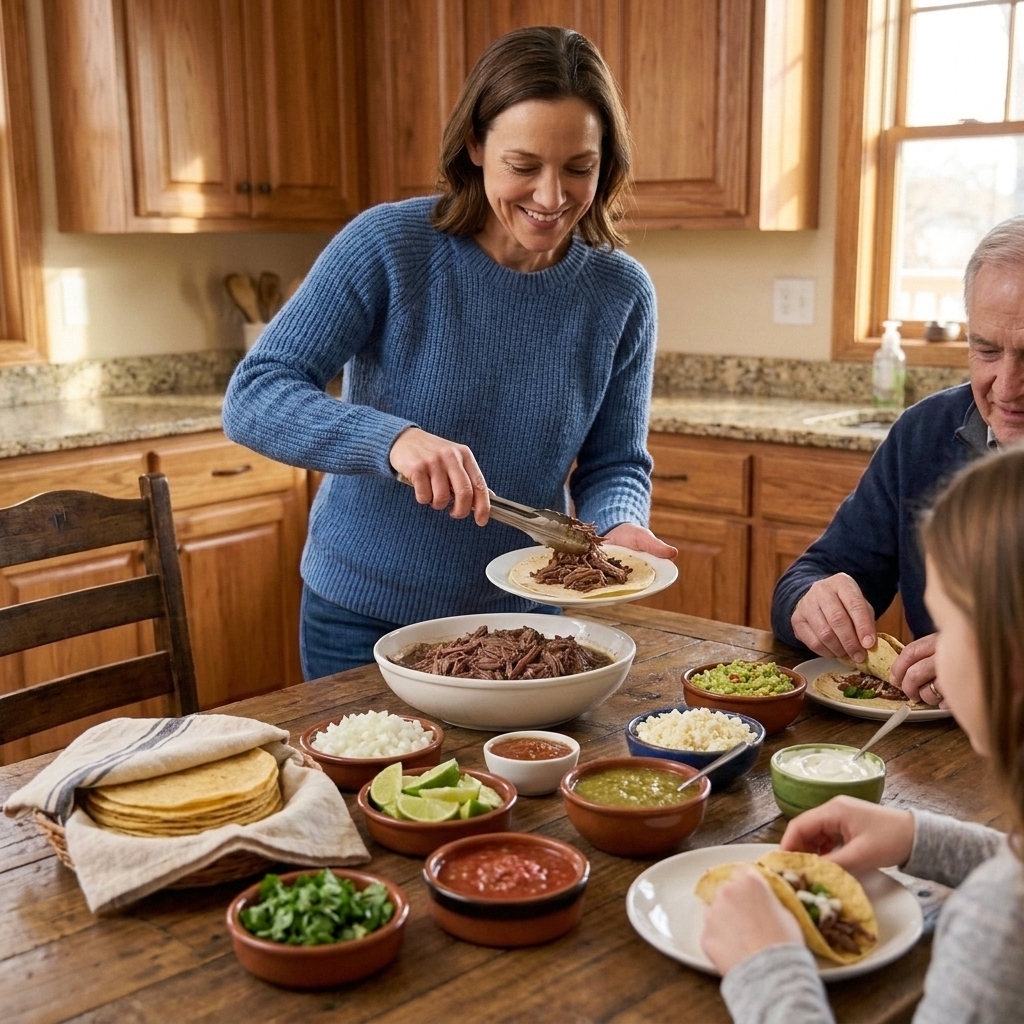
- Shredded pork or beef for tacos, sandwiches, and rice bowls
- Soups and stews that taste better the longer they simmer
- Chili and bean-based dinners
- Comfort casseroles like chicken and stuffing style bakes (great for picky eaters)
My slow cooker success rules
- Use less liquid than you think. Start with about 1/2 to 2/3 of what a stovetop recipe calls for.
- Put sturdy vegetables on the bottom. Potatoes and carrots can handle the heat. Quick-cooking veggies go in late.
- Thicken at the end. A cornstarch slurry (cornstarch + cold water) stirred in for the last 15 to 30 minutes can fix thin sauces.
- If you want browning, finish hot. Pot roast, carnitas-style pork, and meatballs all benefit from a quick broil or a fast blast in a hot oven after slow cooking.
- Food safety note that matters. Avoid starting with a large, solidly frozen roast in a slow cooker. It can sit too long in the temperature danger zone before it heats through.
A real slow cooker timeline
Here is how it looks in my house on a busy day: I load the slow cooker around 7:30 AM (10 minutes of prep), set it to LOW, and we eat around 6 PM. If we roll in at 6:45, dinner is still there, but I try not to park it on WARM for hours and hours.
Instant Pot: best uses
Pros for busy families
- Speed with real “simmered” flavor. You can get stew-like results in under an hour.
- Great for last-minute decisions. Forgot to thaw meat? The Instant Pot can often help, especially with smaller pieces.
- One pot, lots of functions. Pressure cook, sauté, rice, yogurt on some models.
- Tender meats fast. Pulled pork, pot roast, shredded beef can happen on a weeknight.
Cons (the ones that matter at 5 PM)
- It is not instant. It needs time to come to pressure, then time to release pressure.
- Learning curve. Getting the liquid right, avoiding burn warnings, and choosing quick release versus natural release takes practice.
- Not ideal for delicate foods. Quick-cooking vegetables can turn soft fast if you are not careful.
- Batch size can be limiting. Some families outgrow a 6-quart quickly, depending on how you cook.
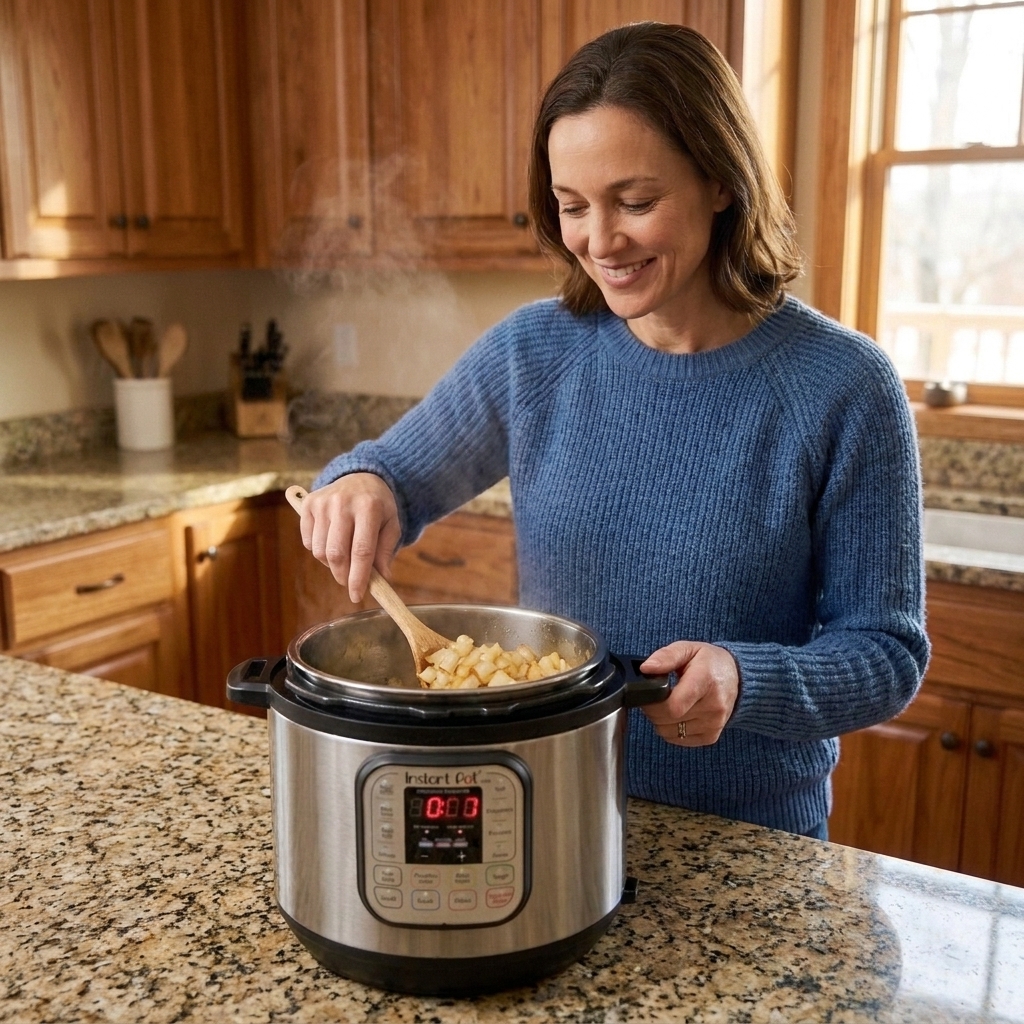
Best Instant Pot dinners
- Weeknight soups, especially chicken noodle style (add noodles at the end)
- Rice and rice bowls, including burrito bowls
- Beans and lentils when you forgot to plan ahead
- Fast “Sunday” dinners like pot roast when you do not have Sunday hours
- Homemade broth when you want a freezer staple
My Instant Pot success rules
- Plan for the full timeline. A “10-minute cook” might be 25 to 40 minutes total with pressure build and release.
- Deglaze after sautéing. After browning meat or sautéing onions, scrape up browned bits with broth to prevent burn warnings.
- Natural release is usually your friend for meats. It often keeps meat juicier and helps avoid a tough texture. For lean meats, a short natural release followed by quick release can prevent overcooking.
- Add dairy at the end. Cream, sour cream, and milk-based sauces behave better after pressure cooking.
- Do not overfill. Follow the max line, and remember that beans, grains, and anything that foams should stay well below it.
A real Instant Pot timeline
This is my “we did not plan” version: at 5:15 PM I sauté onions and garlic (5 minutes), add broth and scrape the bottom, add chicken thighs and seasonings, then pressure cook for 10 minutes. It might take 8 to 12 minutes to come to pressure, plus 10 minutes of cooking, plus 5 to 10 minutes to release pressure. We are eating around 5:50 to 6:05 PM, depending on the day.
Which fits your schedule?
If mornings are calmer
Choose the slow cooker. You can load it while lunchboxes are out, then come home to a kitchen that already smells like dinner. This is my favorite for days with after-school activities.
If afternoons are unpredictable
Choose the Instant Pot. When the day runs away from you, pressure cooking can still get food on the table without drive-thru regret.
If you want the lowest stress
Honestly, the best setup for many families is owning both, even if one is a budget model. I used my slow cooker more when my kids were little and our evenings were chaotic. I leaned harder on the Instant Pot once sports and homework made our timing messy, because I could pivot at 4:45 PM and still pull off a real dinner.
Flavor and texture
Slow cooker texture
Think tender, soft, saucy. It is wonderful for shredded meats, soups, and stews. It is not the appliance for crisp edges or roasted veggies unless you add a finishing step.
Instant Pot texture
Think tender and juicy, but not browned unless you sauté first or broil after. Pressure cooking can make some foods feel a little “boiled” if the recipe is not balanced. The fix is usually simple: sauté aromatics first, reduce sauce with sauté mode after, or finish in the oven for color.
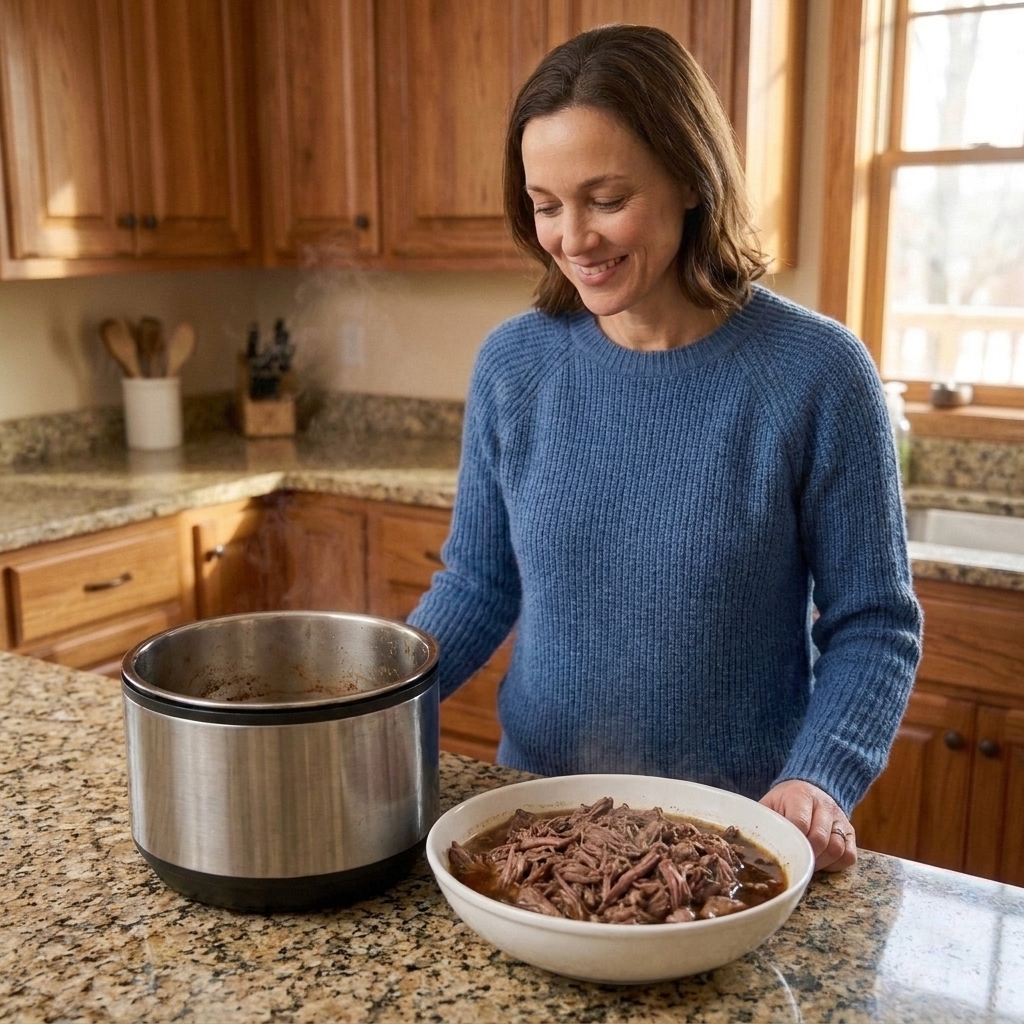
Budget, space, and size
Cost
Basic slow cookers are usually cheaper. Instant Pots cost more, but replace several tools for some families.
Counter and storage space
Slow cookers tend to be lighter and simpler to store. Instant Pots are bulkier, and you will want easy access to the lid and sealing ring.
Feeding a bigger family
A 6-quart model is typically comfortable for about 4 to 6 people, depending on the meal. If you regularly want leftovers (highly recommended for sanity) or you are feeding a bigger crew, look at an 8-quart appliance in whichever category you choose. For pressure cooking, do not fill past the max line, and stay lower for foods that expand like beans and grains.
Quick picks
Choose the slow cooker for
- Taco night prep: shredded pork or beef, then set out toppings
- Comfort classics: pot roast, beef stew, chicken and gravy
- Game day and busy weekends: chili, pulled pork, meatballs
- Make-ahead freezer cooking: dump-and-go bags (freeze ingredients, thaw overnight, cook next day)
Choose the Instant Pot for
- Last-minute soup: chicken soup, lentil soup, tortilla soup
- Fast proteins: shredded beef, pork for rice bowls, hard-boiled eggs for quick add-ons
- Rice and grains: perfect rice for bowls, burrito bowls, stir-fry nights
- Weeknight “Sunday dinner”: roasts when you only have an hour
Safety and beginners
If you are brand new to cooking, a slow cooker feels gentler because it is straightforward. The Instant Pot is safe when used correctly, but it has more buttons, more parts, and more rules.
My honest advice: if the Instant Pot intimidates you, start with simple recipes like rice, beans, shredded meat, or soup. Once you see how the pressure cycle works in your own kitchen, it gets easy fast.
My bottom line
Get a slow cooker if you love the idea of dinner being done when you walk in the door, and you are willing to do 10 minutes of prep earlier in the day.
Get an Instant Pot if you need a weeknight rescue plan that can turn “we have nothing thawed” into a real meal.
If you are choosing just one, pick the appliance that matches the part of the day you can reliably control. That is the secret to actually using it.
FAQ
Can an Instant Pot replace a slow cooker?
Sometimes, yes. Most Instant Pots have a slow cook function, but it does not always behave exactly like a traditional slow cooker because the heating element is mainly on the bottom. Many traditional slow cookers heat from the sides as well, which can make their low-and-slow performance more consistent.
Can you cook frozen chicken in an Instant Pot?
Often, yes, especially for individually frozen pieces (like separate thighs or breasts). A solid frozen block can cook unevenly. Use enough liquid, and always check doneness with a thermometer. Chicken should reach 165°F/74°C before serving.
Why does my slow cooker meal come out watery?
Because very little moisture evaporates. Use less broth than you would on the stove, and thicken at the end if needed.
Why did my Instant Pot say “burn”?
Usually there is something stuck on the bottom preventing it from building pressure, often from sautéing without deglazing. Add liquid and scrape the bottom well before pressure cooking.
Which is better for meal prep?
Both. I use the slow cooker for big batches of shredded pork and chili, and the Instant Pot for fast rice, beans, and soups when I am prepping later in the day.