A home-cook tested guide to swapping ground turkey for ground beef in tacos, meatloaf, and pasta with the exact techniques that keep dinner juicy and flavorful.
Recipe Homely
November 12, 2026
Oven Meatloaf with Sweet-Tangy Glaze

Sarah Jenkins
Sarah Jenkins is a passionate home cook and the voice behind Recipe Homely, dedicated to making everyday meals stress-free and delicious. With over a decade of experience feeding a busy family, she specializes in rigorously tested, approachable recipes for dinners, desserts, and everything in between. When she isn't developing new dishes, Sarah can be found browsing local farmers' markets or baking with her two children.
Meatloaf is one of those dinners I can get on the table without negotiating with my kids about what is “weird” in it. When I was first cooking on a weeknight schedule, I learned the hard way that meatloaf can go from juicy and sliceable to dry or dense fast, usually because of three things: the binder, the oven temperature, and how long you mix.
This is my oven meatloaf for a family dinner. It is simple, uses everyday pantry staples, and comes with the exact temps I use so you can stop guessing.
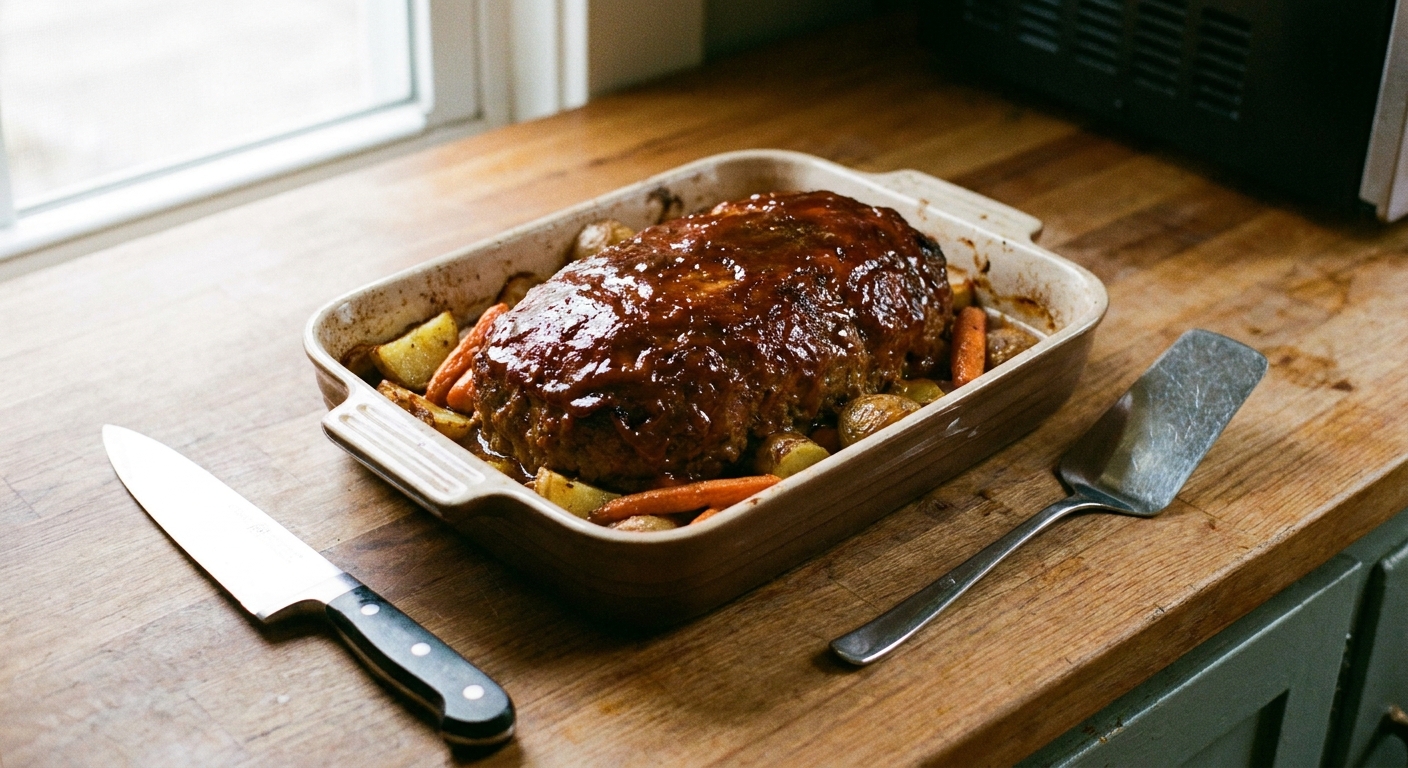
Quick meatloaf rules that actually matter
- Meat-to-binder ratio: For 2 pounds ground beef, start with 1 cup breadcrumbs plus 2 large eggs plus 3/4 cup liquid (milk is classic). Breadcrumb brands vary (panko versus fine crumbs), so if the mix looks soupy, add breadcrumbs a tablespoon at a time. If it looks dry and crumbly, splash in a little more milk.
- Best oven temperature: 350°F. Hotter can make the outside overcook before the center is done.
- Internal temperature: Aim for 160°F in the center for ground beef. I usually pull it at 155°F, then rest, because it often rises another 3 to 5 degrees, but always confirm it reaches 160°F before serving.
- Rest time: 10 to 15 minutes. Skipping this is a common reason slices crumble.
Oven meatloaf recipe (family size)
Makes: 8 slices (comfortably feeds 4 to 6)
Time: 15 minutes prep, 55 to 70 minutes bake, 10 to 15 minutes rest
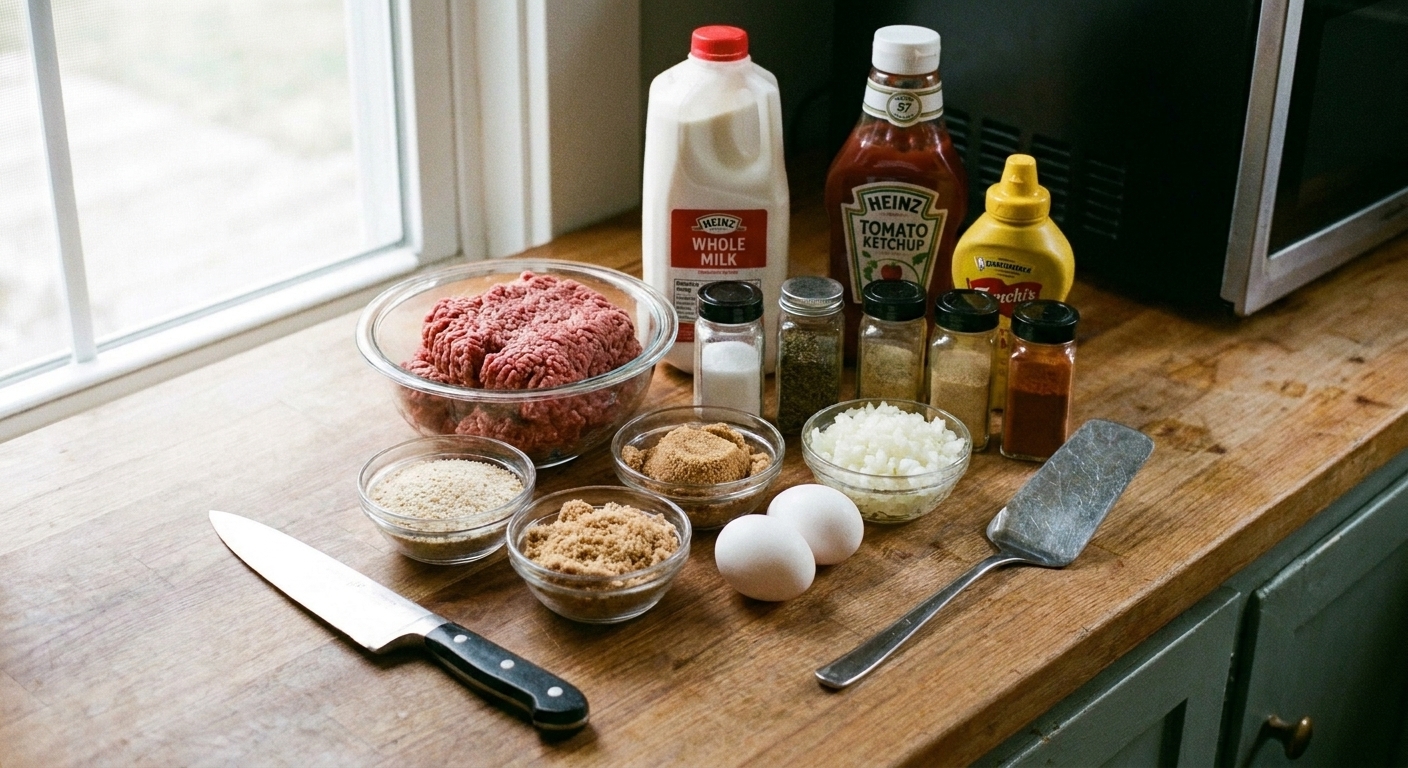
Ingredients
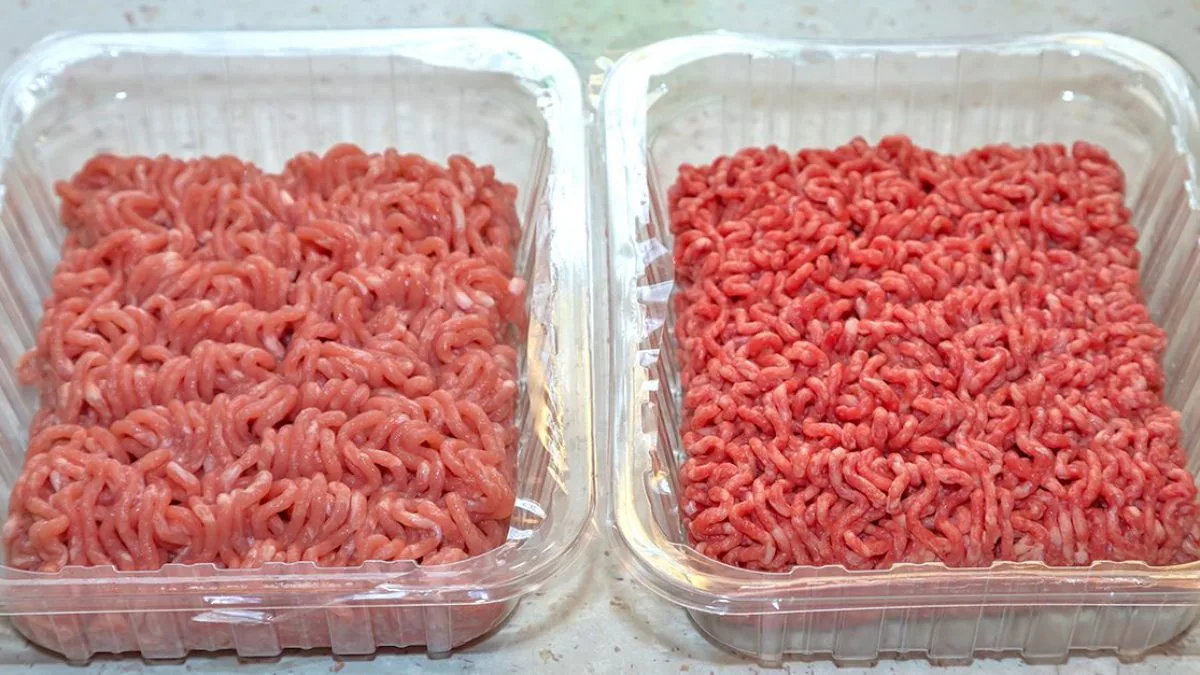
- 2 pounds ground beef (80/20 is ideal for flavor and moisture)
- 1 cup plain breadcrumbs (or panko)
- 3/4 cup milk (or half milk and half broth)
- 2 large eggs
- 1 small onion, very finely diced (about 3/4 cup)
- 3 cloves garlic, minced (optional but great)
- 2 tablespoons ketchup (in the loaf mixture)
- 1 tablespoon Worcestershire sauce
- 1 1/2 teaspoons kosher salt
- 1/2 teaspoon black pepper
- 1 teaspoon dried Italian seasoning (or 1/2 teaspoon dried thyme)
Simple glaze
- 1/2 cup ketchup
- 2 tablespoons brown sugar
- 1 tablespoon apple cider vinegar (or white vinegar)
- 1 teaspoon yellow mustard
Instructions
- Heat the oven to 350°F. Line a rimmed baking sheet with foil for easy cleanup, or use a baking dish.
- Make the panade (the moist binder). In a large bowl, stir together the breadcrumbs and milk. Let it sit for 2 to 3 minutes until the crumbs look evenly moistened. This one step keeps the meatloaf tender.
- Add the flavor builders. Whisk in the eggs, onion, garlic (if using), ketchup, Worcestershire, salt, pepper, and seasoning.
- Add the beef and mix gently. Add the ground beef and use your hands to mix just until combined. Stop as soon as you do not see streaks of egg or dry crumbs.
- Shape the loaf. Form into a loaf about 9 by 5 inches and roughly 2 inches tall, then place it on the prepared pan. I prefer a free-form loaf because the edges caramelize and excess fat can drain away. (If you want even better drainage, set the loaf on a wire rack inside the sheet pan.) If using a loaf pan, do not pack it down.
- First bake. Bake for 40 minutes.
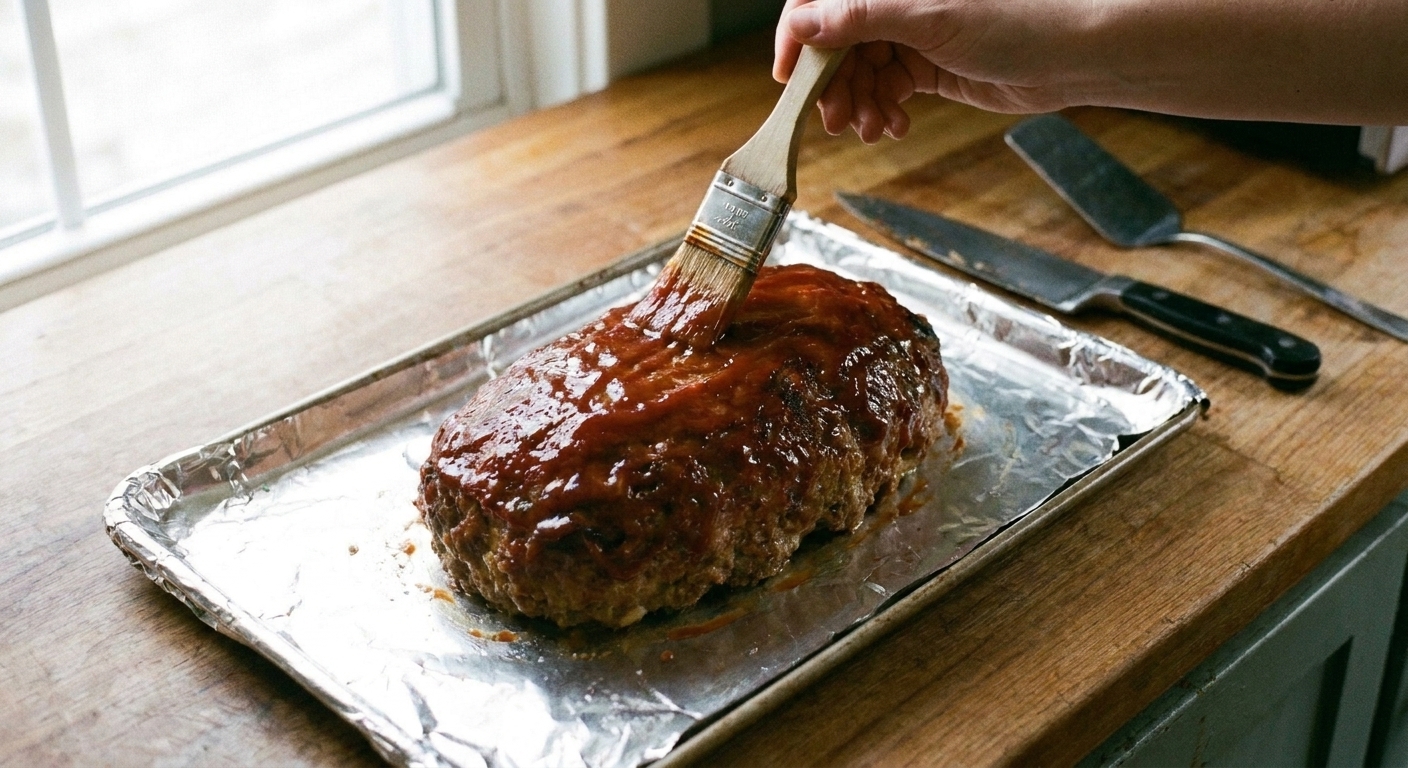
- Glaze and finish baking. Stir the glaze ingredients in a small bowl. Spread the glaze over the top, then bake 15 to 25 minutes more. Start checking early if your loaf is flatter or wider. The thermometer matters more than the clock here.
- Rest before slicing. Rest 10 to 15 minutes, then slice with a sharp knife and serve. Make sure the center reaches 160°F before serving.
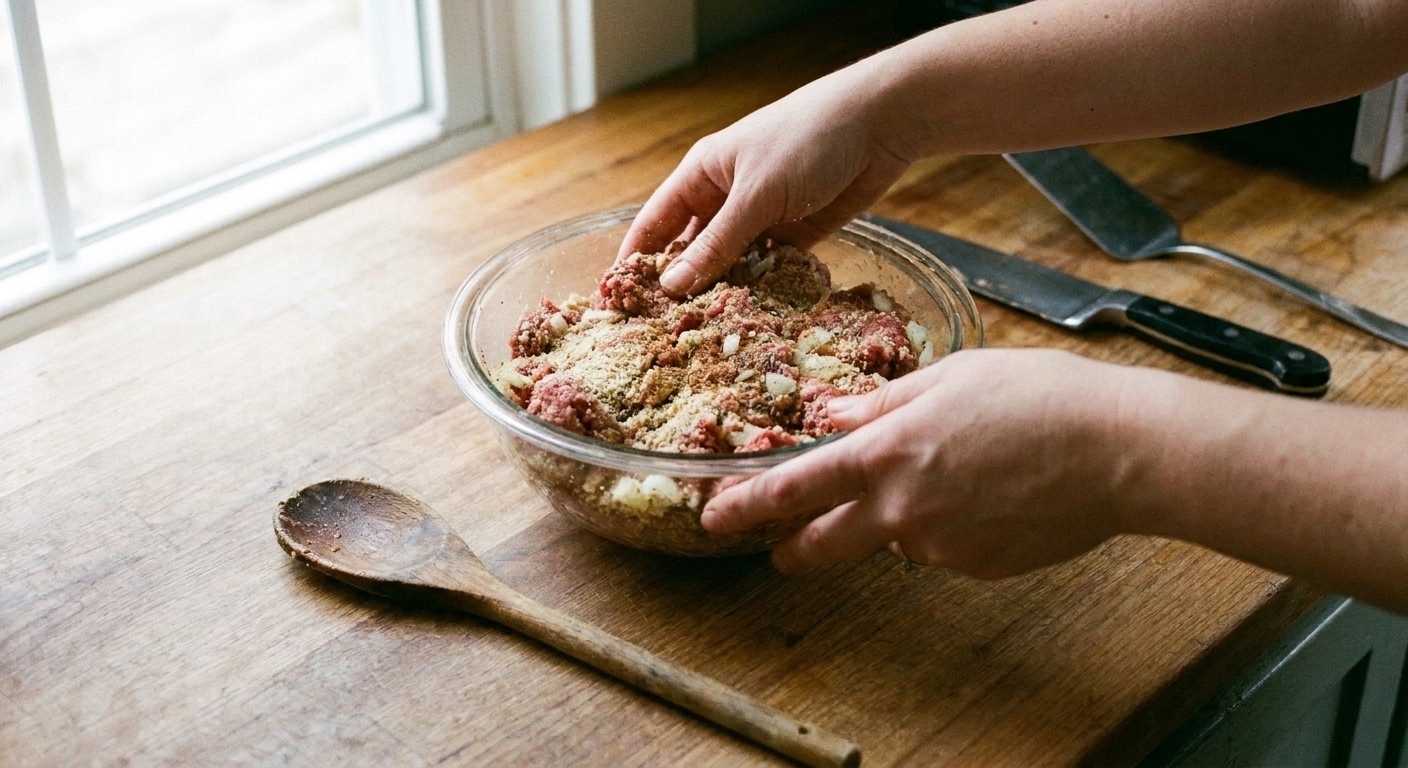
How to keep meatloaf from getting dense
If you have ever had a meatloaf that felt like a brick, it was almost always a mixing issue.
- Do not overmix. The more you work ground meat, the tighter and springier it gets. Mix only until everything is evenly distributed.
- Do not mash or pack. Pressing the loaf into a pan or compressing it while shaping squeezes out air pockets and makes it heavy.
- Soak the crumbs first. That milk-and-breadcrumb step (panade) helps the loaf hold moisture, instead of the crumbs stealing it during baking.
- Use the right fat level. Super lean beef (like 93/7) can turn dry. If you only have lean beef, add 2 tablespoons olive oil or swap in 1/2 pound ground pork for insurance.
Temperatures: oven temp and doneness
For a classic beef meatloaf, I bake at 350°F. It gives the center time to cook through without drying the edges.
- Target temperature: 160°F in the center for ground beef.
- Optional pull temperature: I often pull at 155°F and let it coast during the rest, but carryover heat depends on loaf size and shape. After resting, check that it hits 160°F.
Thermometer tip: Insert your thermometer into the thickest part from the side, not from the top, so you land in the true center and not in a glaze pocket.
Convection note: If you bake with convection, try 325°F and start checking for doneness a little earlier.
Glaze options
This ketchup-brown sugar glaze hits that classic sweet-tangy comfort food note. If your family likes different flavors, here are easy swaps that still behave well in the oven.
- Less sweet: Reduce brown sugar to 1 tablespoon and add an extra teaspoon vinegar.
- BBQ style: Replace half the ketchup with your favorite BBQ sauce.
- Spicy: Add 1 to 2 teaspoons hot sauce or a pinch of cayenne.
- Extra glossy: Brush on half the glaze at 40 minutes and the rest during the last 10 minutes.
Serving ideas for a family dinner
I usually treat meatloaf night as an easy, cozy plate: something starchy, something green, and done.
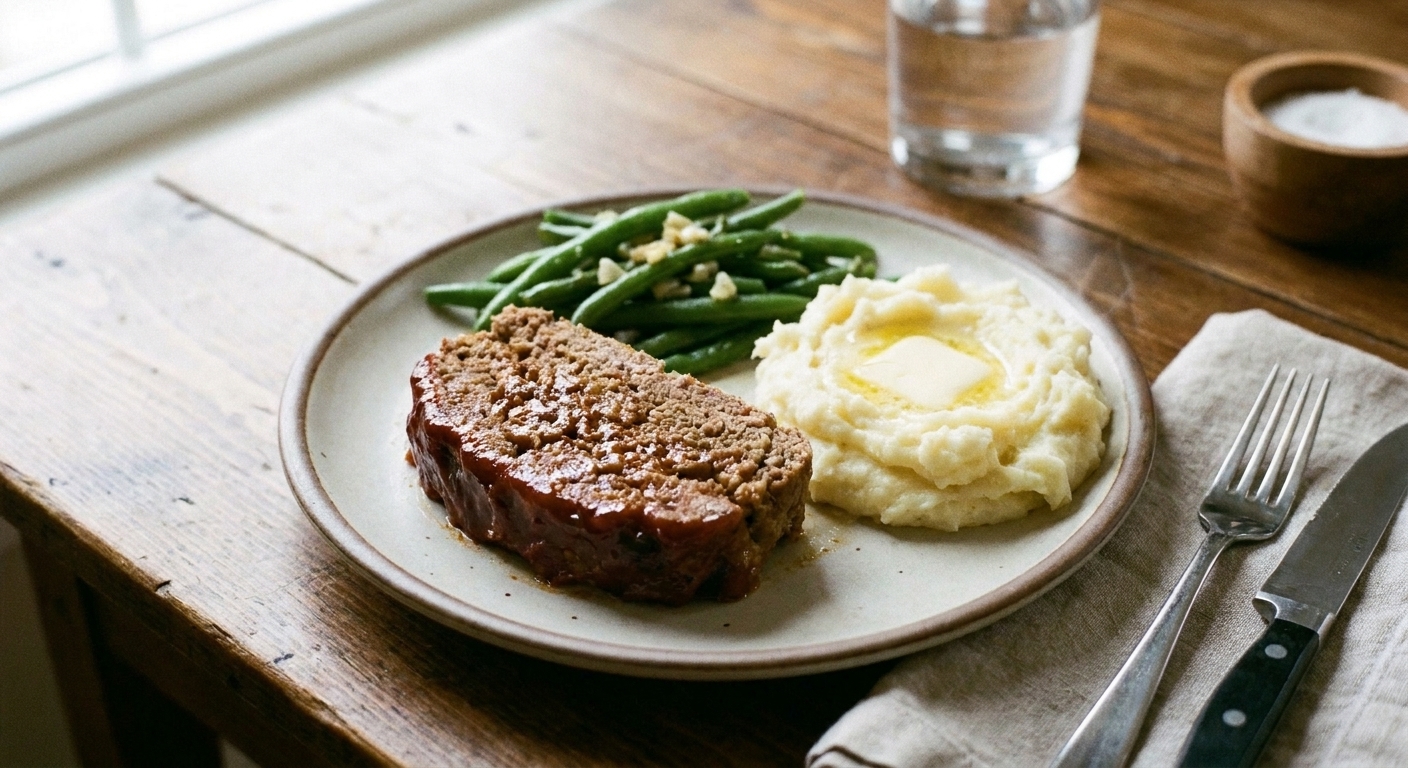
- Mashed potatoes or roasted baby potatoes
- Buttered corn or peas
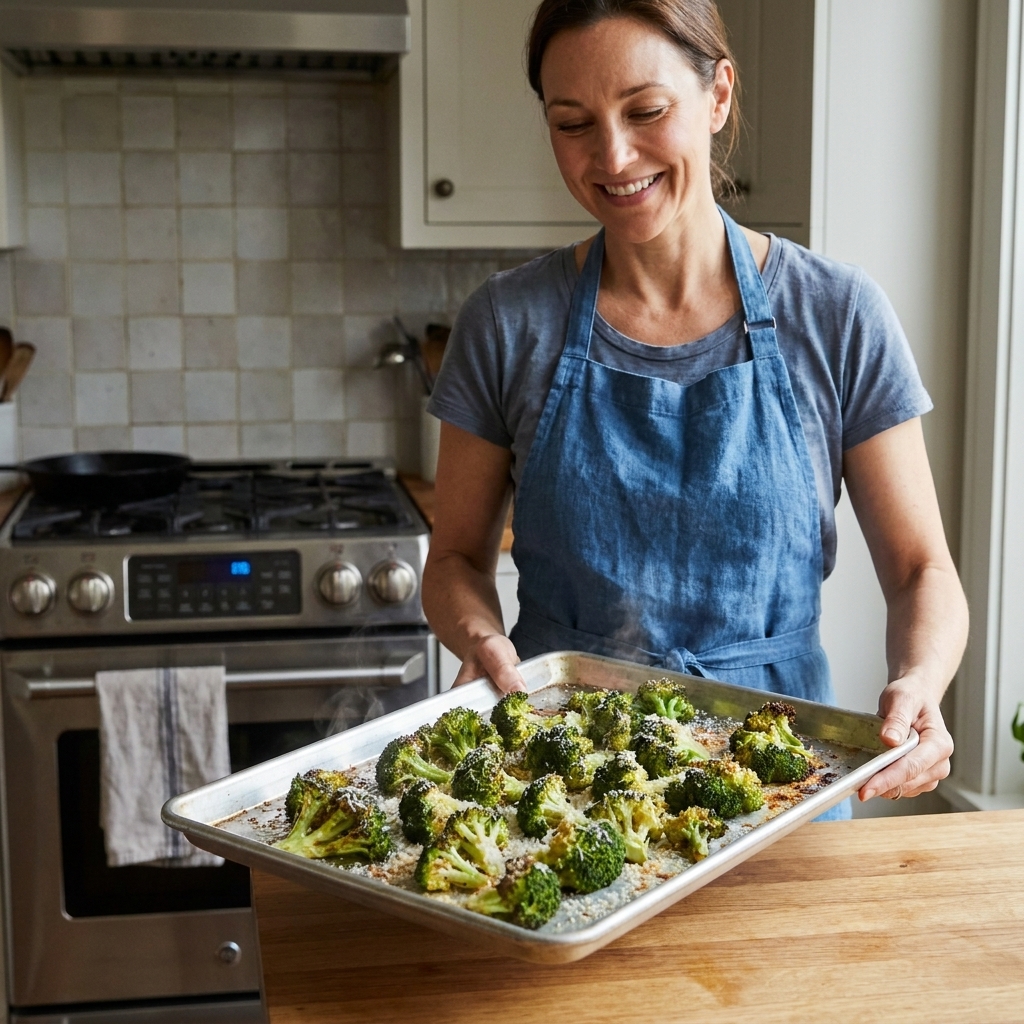
- Green beans, simple salad, or roasted broccoli
- Leftover slices on toasted bread with extra glaze for sandwiches
Storage and leftovers
- Refrigerate: Store cooled slices in an airtight container for up to 4 days.
- Freeze: Wrap slices tightly and freeze up to 3 months. Thaw overnight in the fridge.
- Reheat: Warm slices in the microwave in 30-second bursts with a spoonful of water or extra glaze, or cover and reheat in a 325°F oven until hot.
FAQ
Is it better to bake meatloaf in a loaf pan or free-form?
I prefer free-form on a rimmed sheet because it browns better and does not sit in as much rendered fat. A loaf pan works fine, but do not pack the mixture in. If it looks like it is pooling with a lot of liquid, carefully drain it halfway through baking.
What is the best binder for meatloaf?
For a classic texture, breadcrumbs + eggs + milk is the most reliable. Crushed crackers or quick oats can replace breadcrumbs in the same amount. The milk can be swapped with broth. If your crumbs are extra coarse, you may need a small splash more liquid.
Why did my meatloaf fall apart?
Usually it is one of these: not enough binder, skipping the rest, slicing too hot, or the onion being cut too large (big pieces create weak spots). Rest 10 to 15 minutes and dice the onion very small. If you have picky eaters who hate onion texture, try grating the onion on a box grater, or sautéing it for a few minutes to soften it before mixing it in.
Can I use turkey instead of beef?
Yes, but turkey is leaner. Use ground turkey thighs if you can, or add 2 tablespoons olive oil to the mixture. Cook to the safe minimum for poultry, which is 165°F.