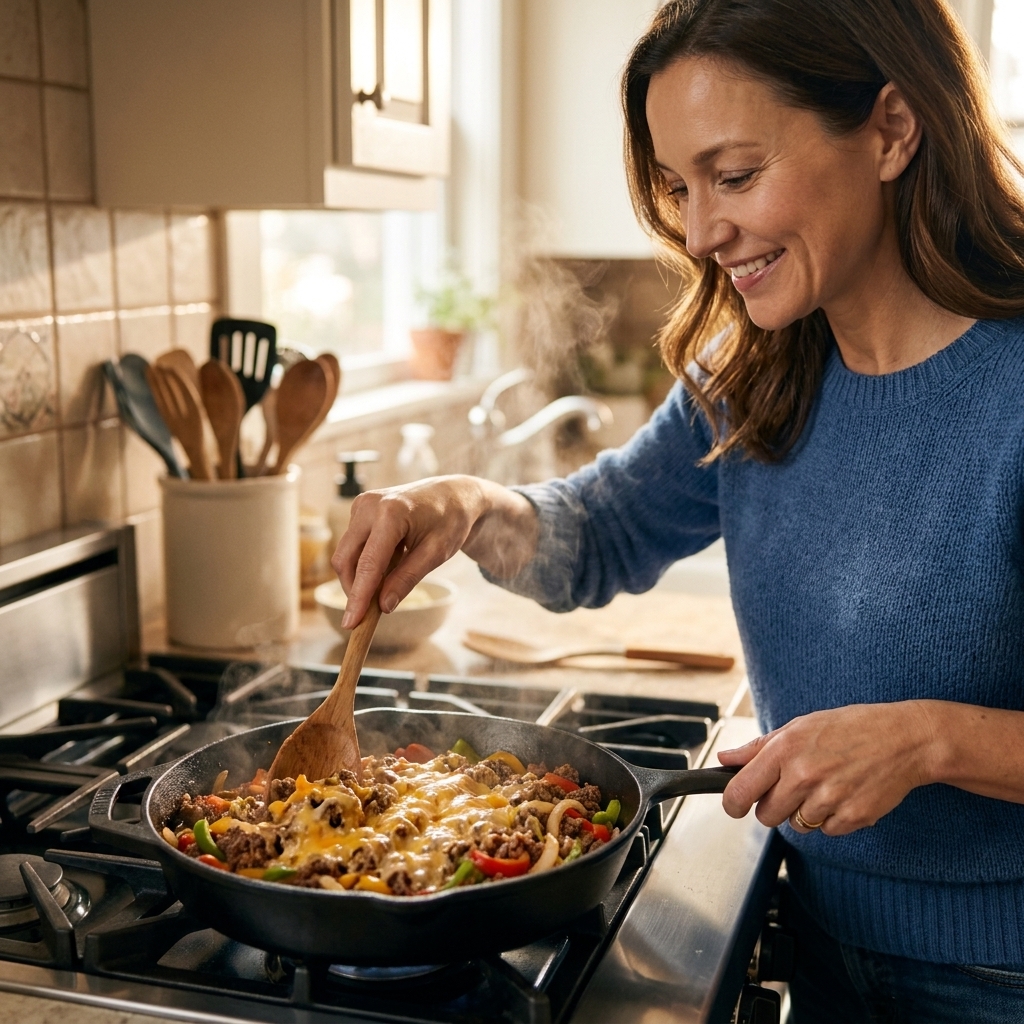
Skillets, tacos, casseroles, pasta, and more. These 10 ground beef dinners are quick, dependable, and picky-eater approved.
Recipe Homely
October 17, 2026
Last updated October 17, 2026
Ground Beef vs. Ground Turkey in Family Favorites

Sarah Jenkins
Sarah Jenkins is a passionate home cook and the voice behind Recipe Homely, dedicated to making everyday meals stress-free and delicious. With over a decade of experience feeding a busy family, she specializes in rigorously tested, approachable recipes for dinners, desserts, and everything in between. When she isn't developing new dishes, Sarah can be found browsing local farmers' markets or baking with her two children.
If you have ever swapped ground turkey for ground beef and ended up with something that tastes a little… flat, you are not alone. Turkey can absolutely work in family favorites, but it needs a slightly different game plan. In my kitchen, the key is knowing what you are losing (fat, richness, some browning) and building it back on purpose with seasoning, smart cooking, and a few pantry helpers.
Below is exactly how I make the switch in tacos, meatloaf, and pasta sauces without the “healthier but sad” vibe. This is the kind of dinner swap that buys you options on a busy weeknight, not a lecture at the table.
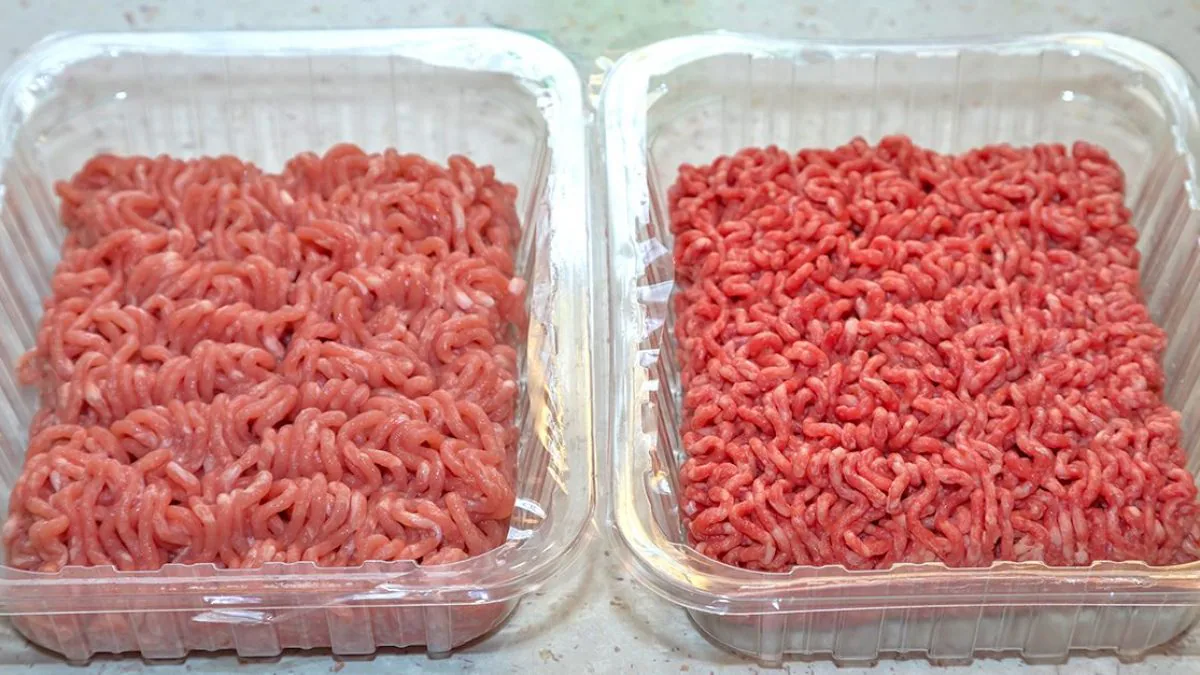
Ground beef vs. ground turkey: what changes
Ground beef and ground turkey can look similar in the package, but they behave differently in a pan. Understanding why makes the swap feel simple instead of mysterious.
Flavor
- Ground beef brings built-in richness from fat and a deeper savory flavor that stands up to bold seasonings.
- Ground turkey is milder. That is not a bad thing, but it means seasoning and browning matter more.
Fat and moisture
- Most families cook with ground beef in the 80/20 to 90/10 range. That fat keeps things juicy.
- Ground turkey varies a lot. 93/7 cooks up fairly lean. 99% lean can turn dry and crumbly fast unless you add moisture or fat back in.
Browning and texture
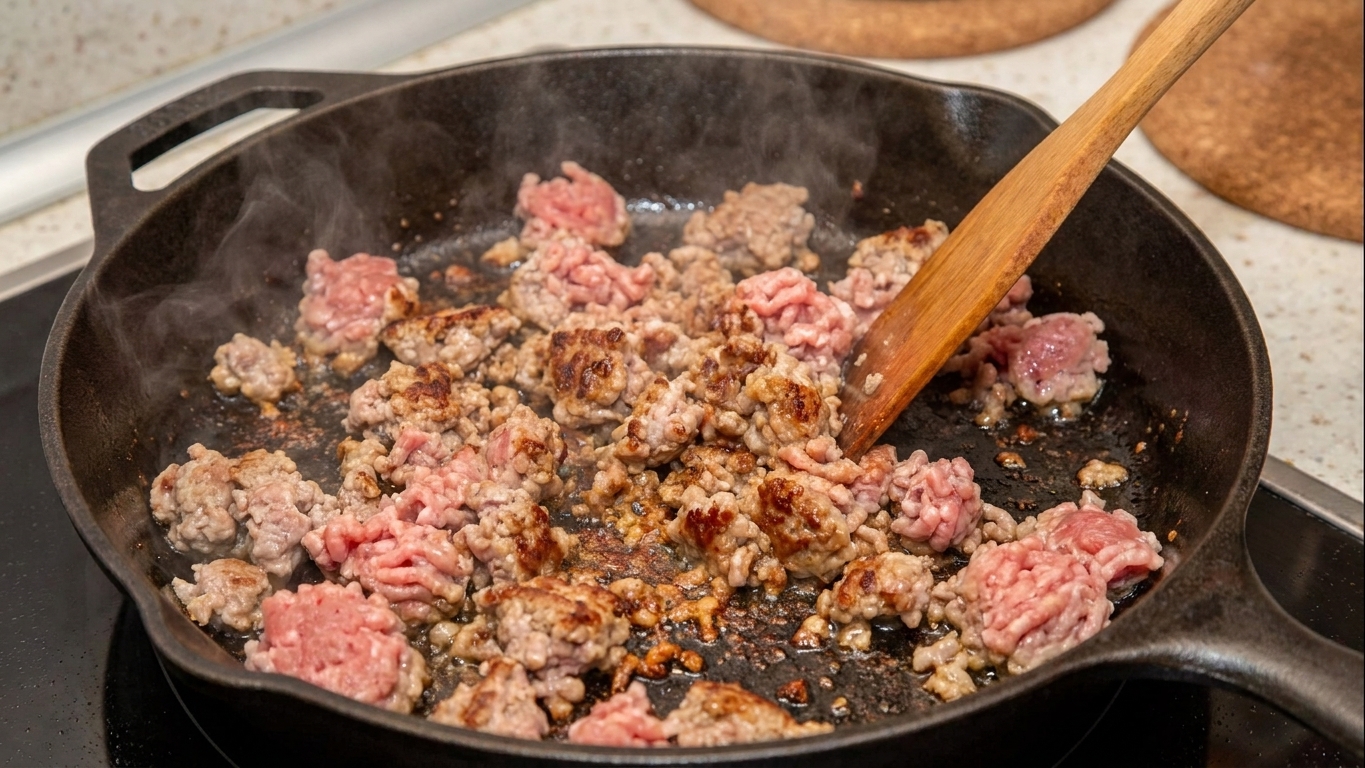
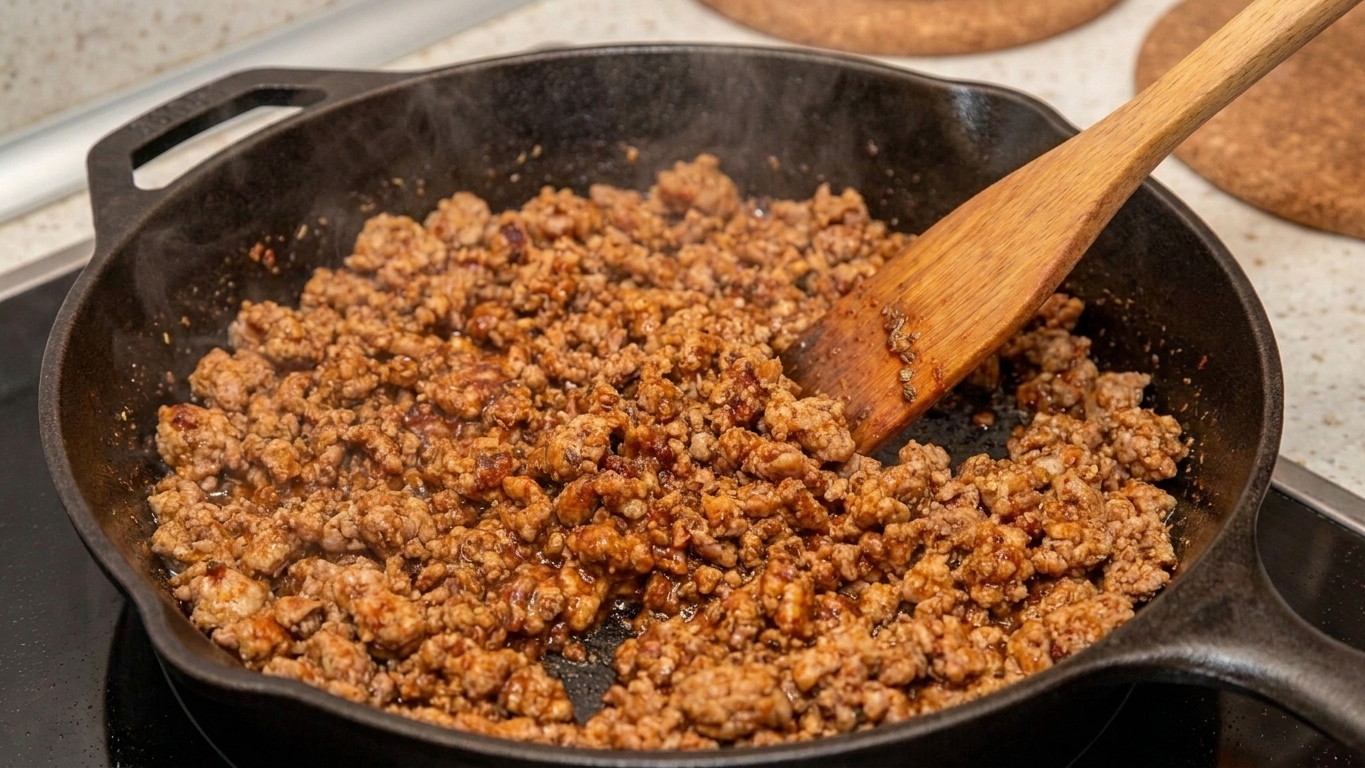
Beef browns readily and leaves flavorful browned bits in the pan. Turkey can release more liquid, which steams the meat instead of browning it. The fix is mostly technique: higher heat, patience, and not overcrowding the pan.
Nutrition differences (quick and practical)
Nutrition varies by brand and the exact fat blend, but here is the everyday takeaway:
- At the same leanness, turkey often has less saturated fat than beef, but labels vary and not every package will follow that rule.
- Calories can be comparable when the fat percentages are close (for example, 93/7 turkey and 90/10 beef can land in a similar range).
- Protein is comparable across both.
My mom rule: choose the one that fits your budget and goals, then use good technique so dinner still tastes like dinner.
The golden rules for swapping turkey for beef
1) Choose the right turkey for the job
- Best all-purpose: 93/7 ground turkey
- Best for super juicy meatloaf: 85/15 ground turkey (if available)
- Use 99% lean only when you plan to add moisture or fat (olive oil, butter, broth, yogurt, shredded zucchini, etc.)
Quick label note: “Ground turkey” is often a blend of light and dark meat. “Ground turkey breast” is usually leaner and needs more help staying juicy.
2) Salt earlier than you think
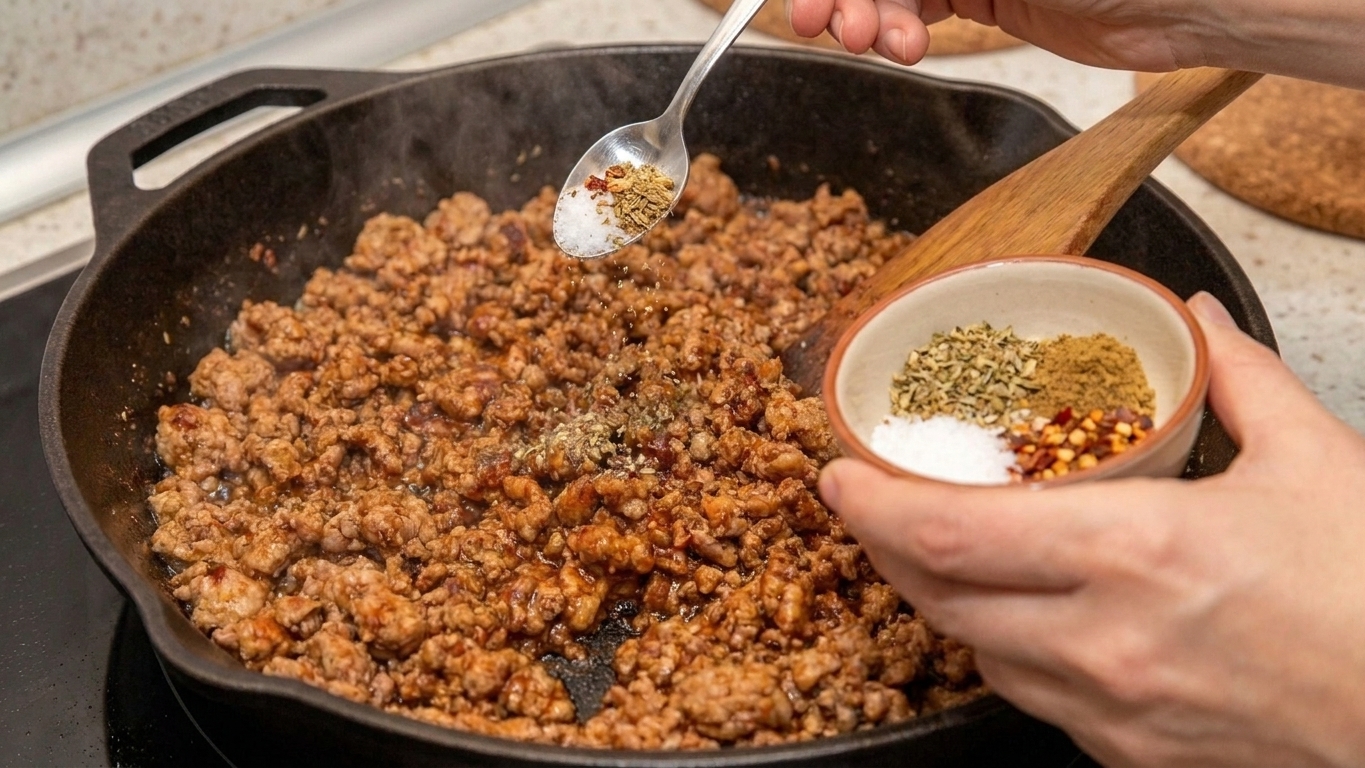
Turkey benefits from early seasoning. For skillet meals (tacos, pasta meat sauce), I sprinkle salt right as it hits the pan. For meatloaf, salt the mixture thoroughly before shaping.
3) Add back a little fat on purpose
This is the not-so-secret secret. If you are using lean turkey, add 1 to 2 teaspoons olive oil to the pan, or a small pat of butter at the end. You are not “undoing” anything. You are making the swap sustainable and tasty.
4) Brown in batches and do not stir constantly
Spread turkey out, let it sit, and wait for browning before breaking it up fully. If your pan is crowded, the meat steams. Two batches taste better than one pale batch.
5) Use umami boosters (pick 1 to keep it easy)
- Tomato paste
- Soy sauce or tamari
- Worcestershire sauce
- Mushroom powder
- Grated Parmesan rind in simmering sauce
- Better Than Bouillon (beef or roasted chicken base)
One small caution: most of these are salty. Add a little, then taste before you reach for more salt.
Exact swap: tacos
Tacos are the easiest place to start because bold seasoning and toppings do a lot of the heavy lifting. The biggest turkey mistake is under-browning and under-seasoning.
My turkey taco method
- Heat: Medium-high.
- Fat: For 1 pound of 93/7 turkey, add 1 tablespoon oil (or 2 teaspoons if you are keeping it lighter).
- Brown: Press turkey into the pan in an even layer. Leave it alone for 3 minutes so it can brown.
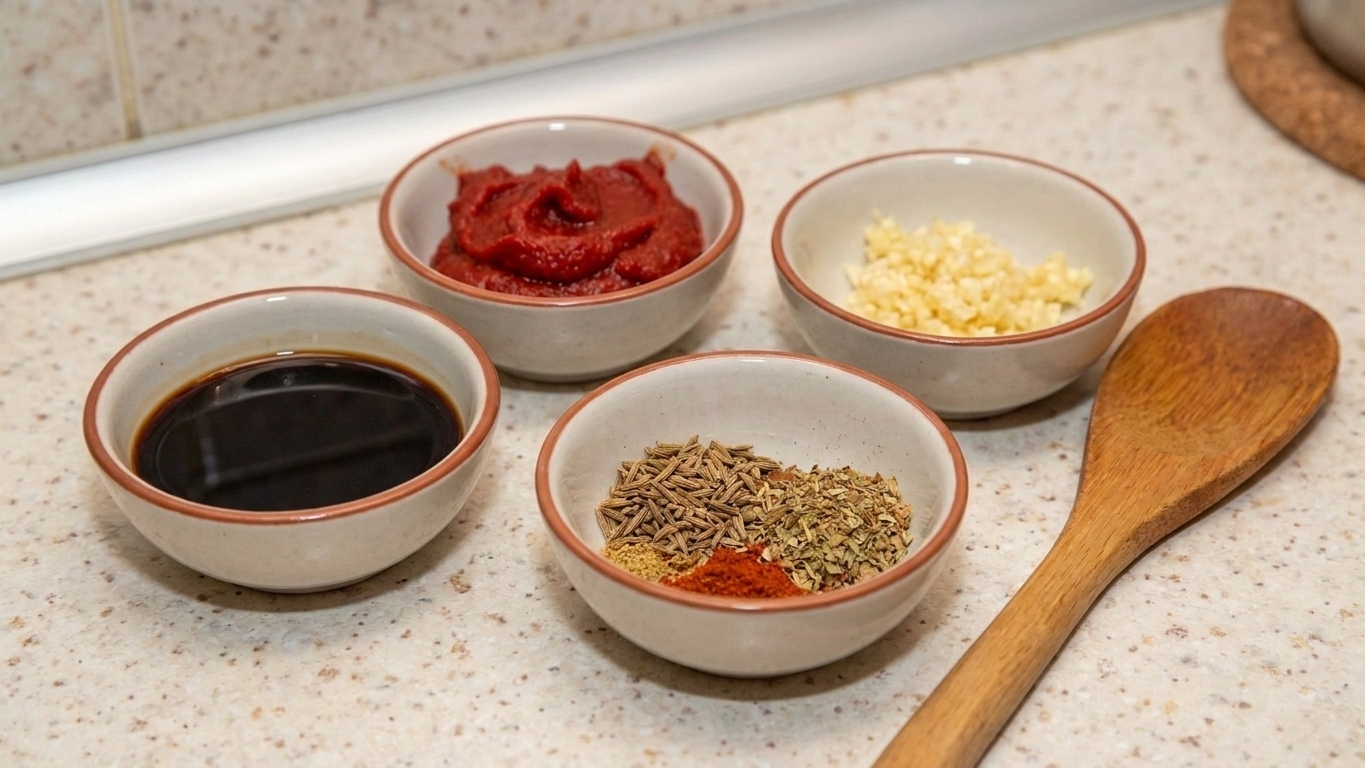
- Season: Add taco seasoning plus 1 teaspoon tomato paste per pound (optional but excellent). Stir and cook 1 minute.
- Moisture: Add 1/3 cup broth (chicken or beef) or water. Simmer 2 to 4 minutes until saucy, not soupy.
- Finish: Squeeze of lime and a tiny pinch of salt at the end, if it needs it.
Easy flavor upgrades kids do not complain about
- Mix in 1/2 cup finely chopped onions while browning.
- Add 1/2 teaspoon smoked paprika for “grill” flavor.
- Stir in 2 tablespoons salsa at the end for instant punch.
Exact swap: meatloaf
Turkey meatloaf can be tender and sliceable, but it needs help holding onto moisture. Beef can tolerate overbaking a bit. Turkey cannot.
Turkey meatloaf formula that stays juicy
For 1 1/2 pounds ground turkey (93/7 is ideal):
- Add moisture: 1/3 cup milk (or plain yogurt), plus 1/2 cup breadcrumbs or panko
- Add flavor: 1 tablespoon Worcestershire + 2 tablespoons ketchup (inside the loaf)
- Add aromatics: 1 small onion finely grated or very finely minced (grating is my favorite for picky eaters)
- Add fat if very lean: 1 tablespoon olive oil mixed into the loaf
- Bind: 1 egg
- Salt: Aim for 1 to 1 1/2 teaspoons kosher salt (or about 3/4 to 1 teaspoon fine salt), then adjust next time to your family’s taste.
Cooking tips that prevent dry turkey meatloaf
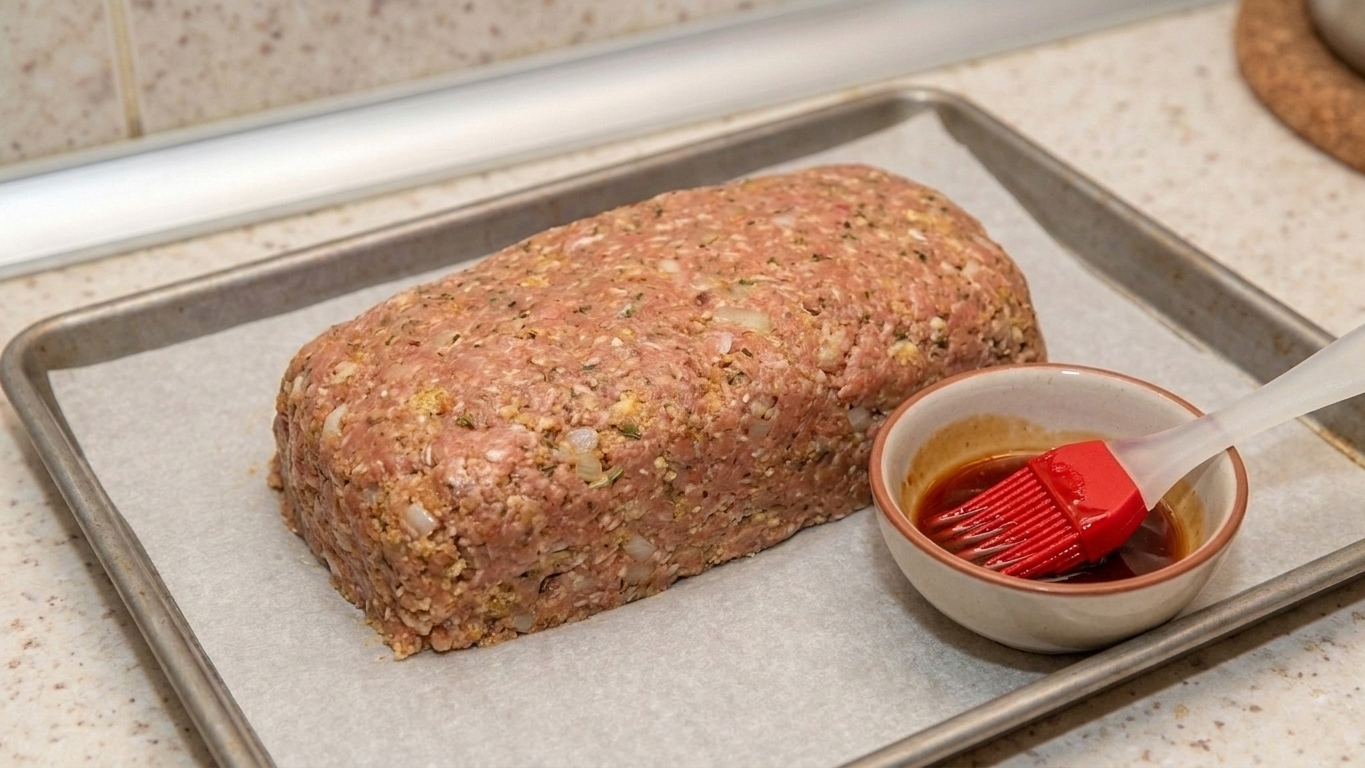
- Shape on a sheet pan instead of using a loaf pan if you can. A loaf pan can trap grease and steam the sides.
- Do not overmix. Mix just until combined.
- Use a thermometer. Pull it when the center hits 165°F, then rest 10 minutes before slicing.
Glaze that adds back richness
Whisk together ketchup + a little brown sugar + a splash of Worcestershire. Brush on for the last 15 to 20 minutes. It makes turkey taste like the comfort food your family expects.
Exact swap: pasta sauces
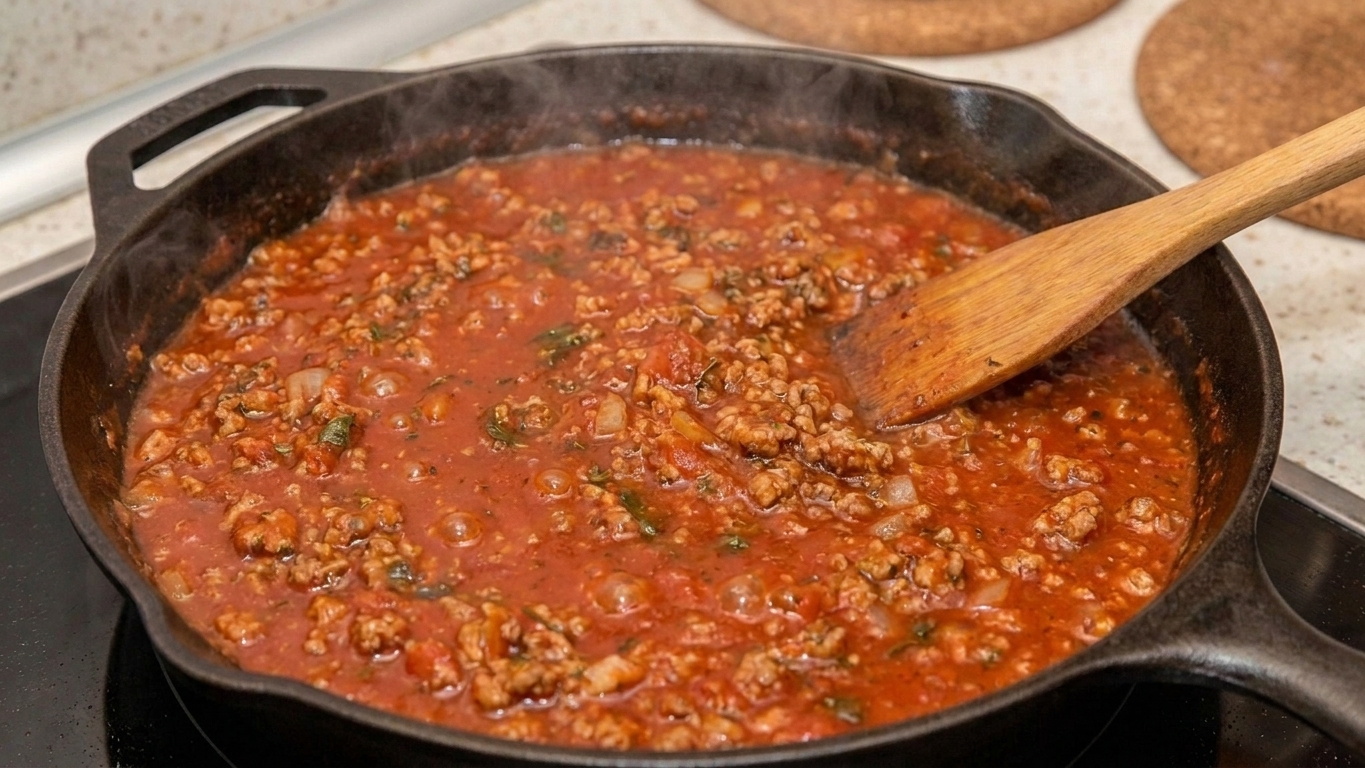
In spaghetti sauce, lasagna filling, or baked ziti, turkey works beautifully if you build a strong base. I focus on browning, tomato paste, and enough simmer time for everything to taste unified.
How I make turkey taste slow simmered faster
- Brown well: Cook turkey in a wide pot so liquid can evaporate.
- Tomato paste step: Add 1 to 2 tablespoons tomato paste to the browned turkey and cook 1 minute. This deepens flavor fast.
- Deglaze: Splash in a little broth or a bit of the crushed tomatoes and scrape up browned bits.
- Season in layers: Salt, garlic, then 1 to 2 teaspoons Italian seasoning (or use a mix of dried oregano and basil). Taste again after simmering.
- Finish with richness: Stir in a small knob of butter or a spoon of grated Parmesan at the end (optional, but magic). Taste before adding extra salt if you use Parmesan or bouillon.
For turkey bolognese style sauce
Add finely diced carrots and celery (even just 1/4 cup each) while sautéing onions. Those little vegetables add sweetness and body, and no one at my table calls it “vegetable sauce.”
Swap guide at a glance
- Tacos: Swap 1:1. Add a little oil, brown harder, then simmer with broth for a juicy finish.
- Meatloaf: Swap 1:1 but increase moisture and do not overbake. Grated onion and a good glaze help a lot.
- Pasta sauces: Swap 1:1. Use tomato paste, deglaze, and simmer long enough for flavor to round out.
Common problems (and quick fixes)
It tastes bland
- Add salt in layers (start early).
- Add one umami booster: Worcestershire, soy sauce, tomato paste, or bouillon.
- Finish with acid: lime in tacos, a splash of red wine vinegar in pasta sauce.
It is dry
- Use 93/7 instead of 99% lean when possible.
- Add a little fat: olive oil or butter.
- Stop cooking sooner, especially in meatloaf and meatballs. Use a thermometer.
It is watery and will not brown
- Use a wider pan and higher heat.
- Do not crowd. Brown in batches.
- Let it sit before stirring so it can actually sear.
My favorite stealth turkey swaps
If your family is skeptical, these are the swaps that tend to win people over:
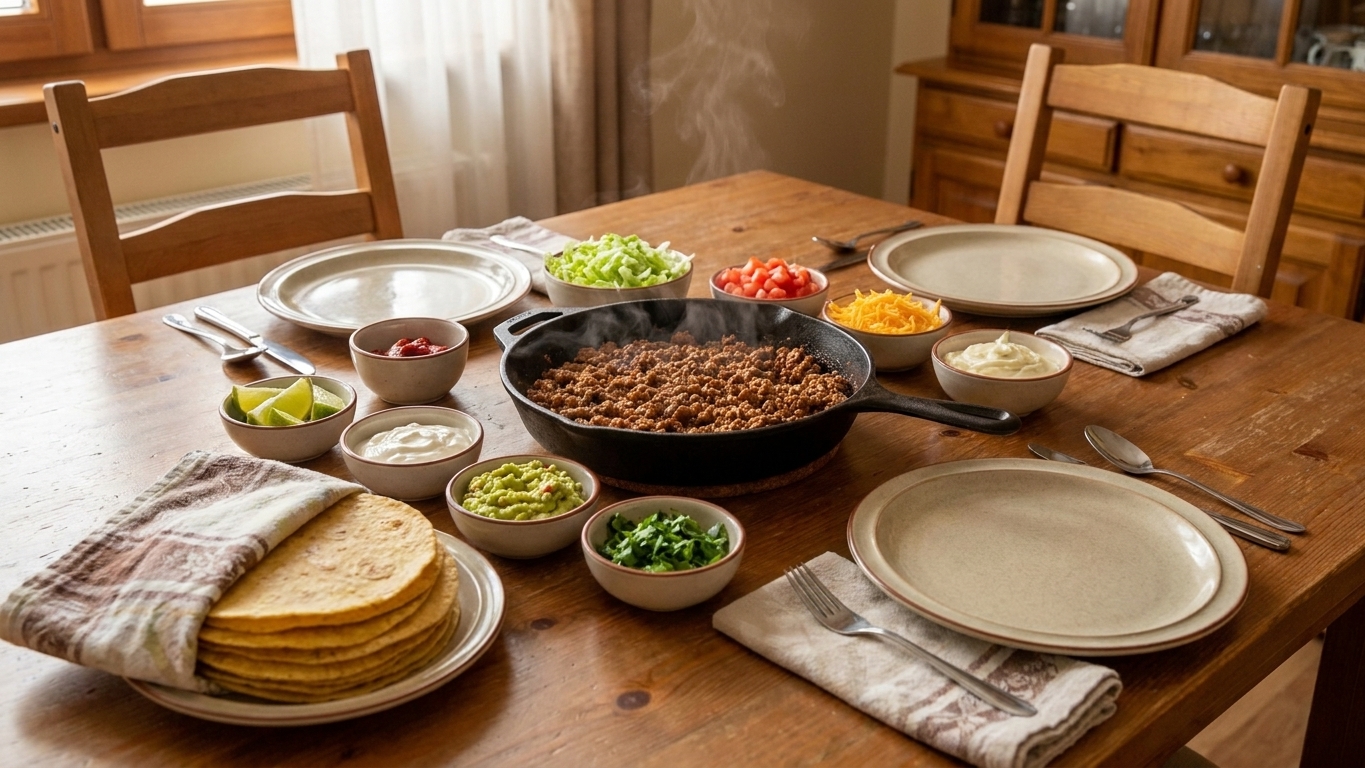
- Turkey taco meat with lots of toppings (cheese, lettuce, pico, avocado)
- Baked ziti with turkey in the sauce (extra mozzarella on top never hurts)
- Meat sauce simmered 20 to 30 minutes with a Parmesan rind
FAQ
Can I swap ground turkey for ground beef 1:1 in any recipe?
Usually, yes in terms of quantity. The bigger difference is technique. Plan to add a little fat if the turkey is lean, brown it more intentionally, and taste for salt at the end. The main place I get more careful is with burgers and meatballs, where turkey can benefit from extra fat and a binder (like egg and breadcrumbs) to keep the texture juicy.
Is ground turkey healthier than ground beef?
It depends on the fat percentage you buy and what you are comparing. At similar leanness, turkey often has less saturated fat, but packages vary. Pick what works for your family, then cook it well.
Should I drain ground turkey like ground beef?
Most of the time, turkey releases more liquid than grease. If there is a lot of liquid pooling, spoon some off so the meat can brown, or let it cook off before adding seasonings and sauces.
What is the best ground turkey for flavor?
For everyday cooking, I reach for 93/7. It is lean enough to feel lighter, but fatty enough to stay juicy and taste like something.