My tested sourdough pizza dough for a thin, round crust with a cold ferment. Includes clear starter percentage math, stretching tips, and how to keep the mid...
Recipe Homely
November 22, 2026
How Much Sourdough Starter to Replace Yeast

Sarah Jenkins
Sarah Jenkins is a passionate home cook and the voice behind Recipe Homely, dedicated to making everyday meals stress-free and delicious. With over a decade of experience feeding a busy family, she specializes in rigorously tested, approachable recipes for dinners, desserts, and everything in between. When she isn't developing new dishes, Sarah can be found browsing local farmers' markets or baking with her two children.
I love sourdough, but I also love Tuesday-night bread that actually works. If you have a favorite yeast bread recipe and you want to make it with sourdough starter instead, the big questions are always the same: How much starter do I use, what do I subtract from the flour and water, and how long is this going to take?
Let’s make it simple and reliable. I’ll walk you through an easy conversion method I use in my own average-sized kitchen, including the quick math for a typical 100% hydration starter (equal parts flour and water by weight).
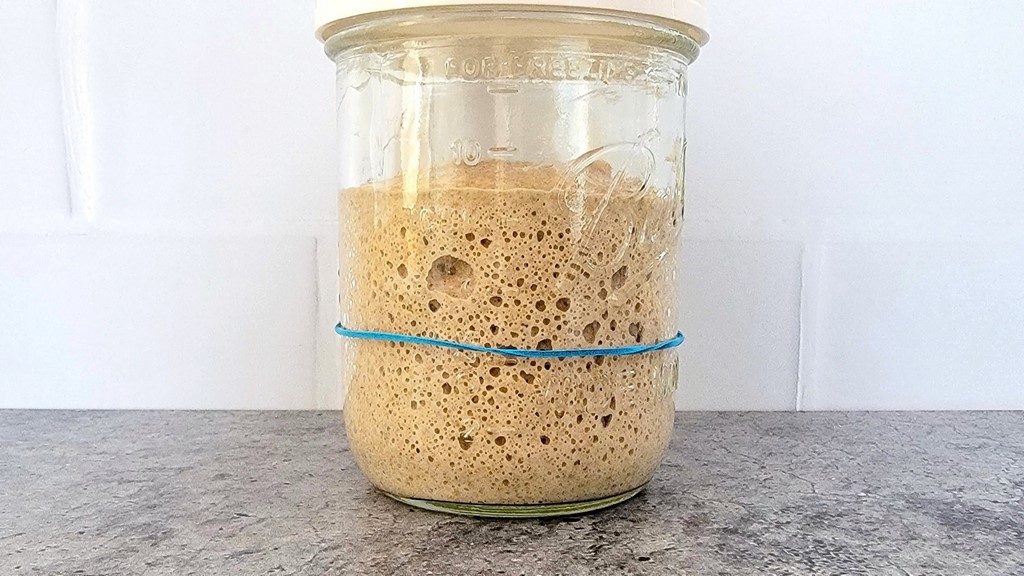
The short answer (my go-to conversion)
For most yeast bread recipes, a practical baseline is:
- Use 20% sourdough starter by baker’s percentage (starter weight relative to the recipe’s flour weight)
- Subtract the starter’s flour and water from the recipe so the dough stays the same overall hydration
- Expect a much longer rise, often 4 to 12 hours depending on temperature, dough richness, and starter strength
This is not a strict standard, just a common starting point that gives you sourdough flavor and a predictable dough that behaves like the original recipe, just slower.
How much starter to use
There isn’t one single “correct” amount, because sourdough fermentation depends on time, temperature, flour type, and how enriched the dough is. But these ranges work well at home:
- 10% starter: slower rise, more time for flavor, great for overnight bulk fermentation
- 20% starter: my everyday swap for many lean loaves and rolls
- 30% starter: faster rise, milder flavor, helpful in cooler kitchens or for same-day baking
Rule of thumb: If your kitchen is cool or you are short on time, lean toward 25% to 30%. If your kitchen is warm or you want a longer, more flavorful fermentation, lean toward 10% to 20%. (Some recipes do better outside this range, but this gets you in the zone.)
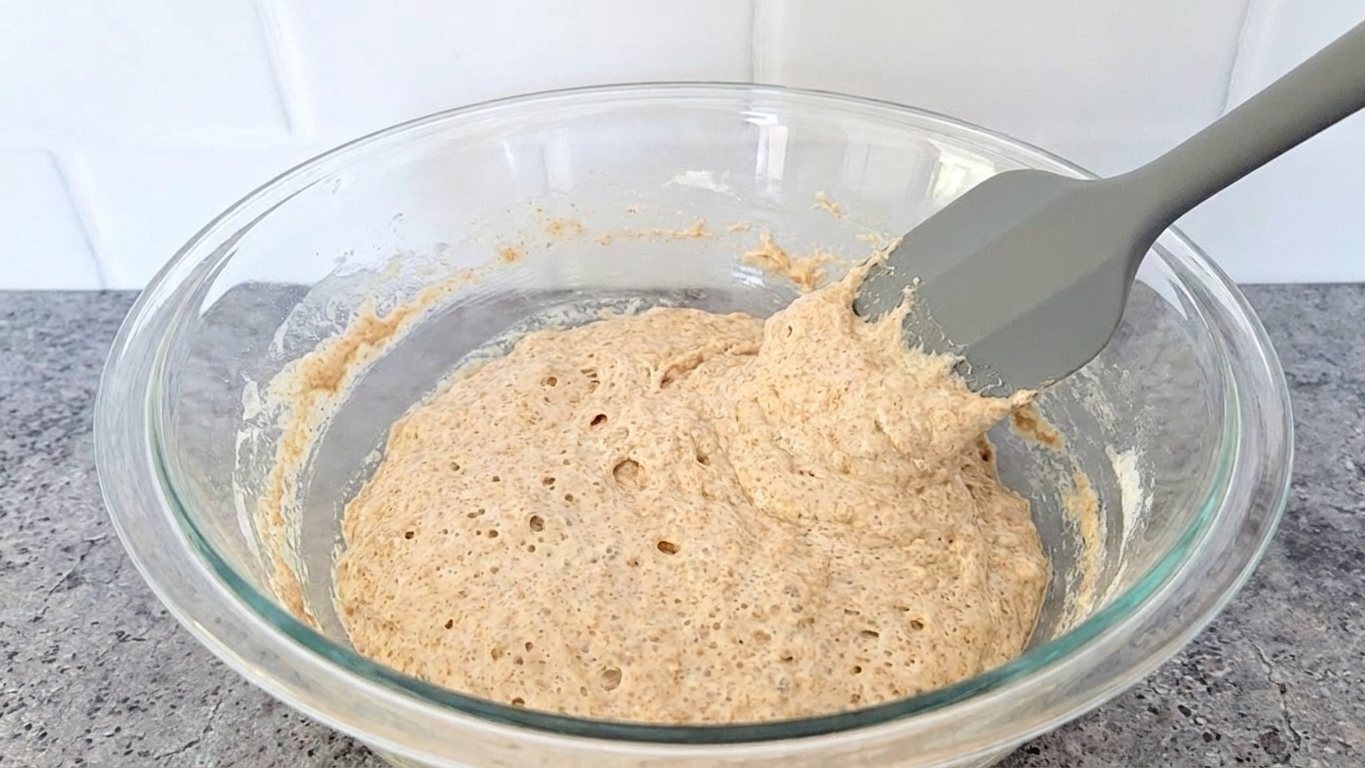
Hydration math
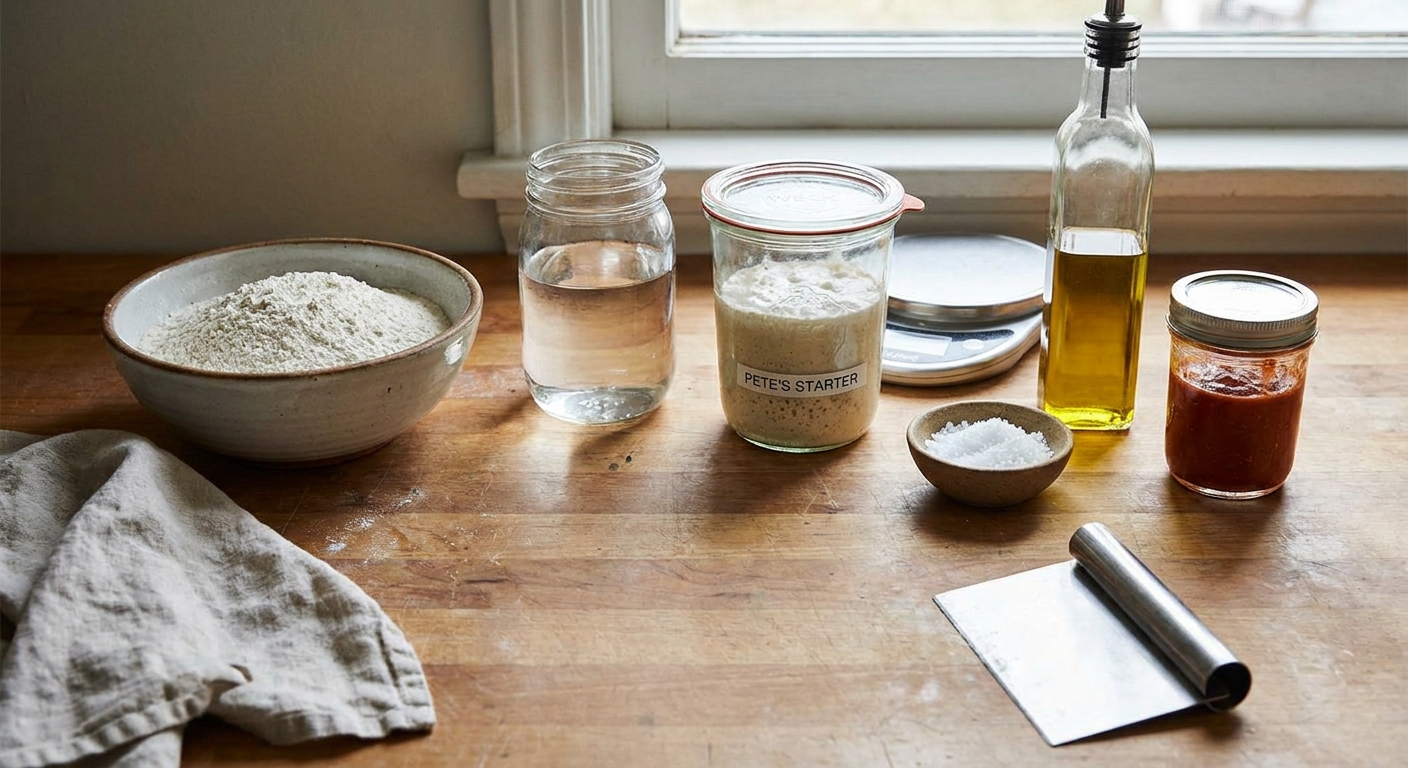
Most home sourdough starters are 100% hydration, meaning they contain equal weights flour and water.
That means:
- 100 grams starter = 50 grams flour + 50 grams water
- 200 grams starter = 100 grams flour + 100 grams water
So when you add starter, you usually want to subtract those amounts from the recipe’s flour and water to keep the dough consistent.
Step-by-step formula (100% hydration starter)
- Weigh the flour in your original recipe (call it F).
- Choose a starter percentage (10% to 30% is a good home range).
- Starter amount (S) = F × %
- Subtract from flour: new flour = F − (S ÷ 2)
- Subtract from water: new water = original water − (S ÷ 2)
Example: Your yeast recipe uses 500g flour and 325g water. You choose 20% starter.
- Starter S = 500 × 0.20 = 100g starter
- Starter contains 50g flour + 50g water
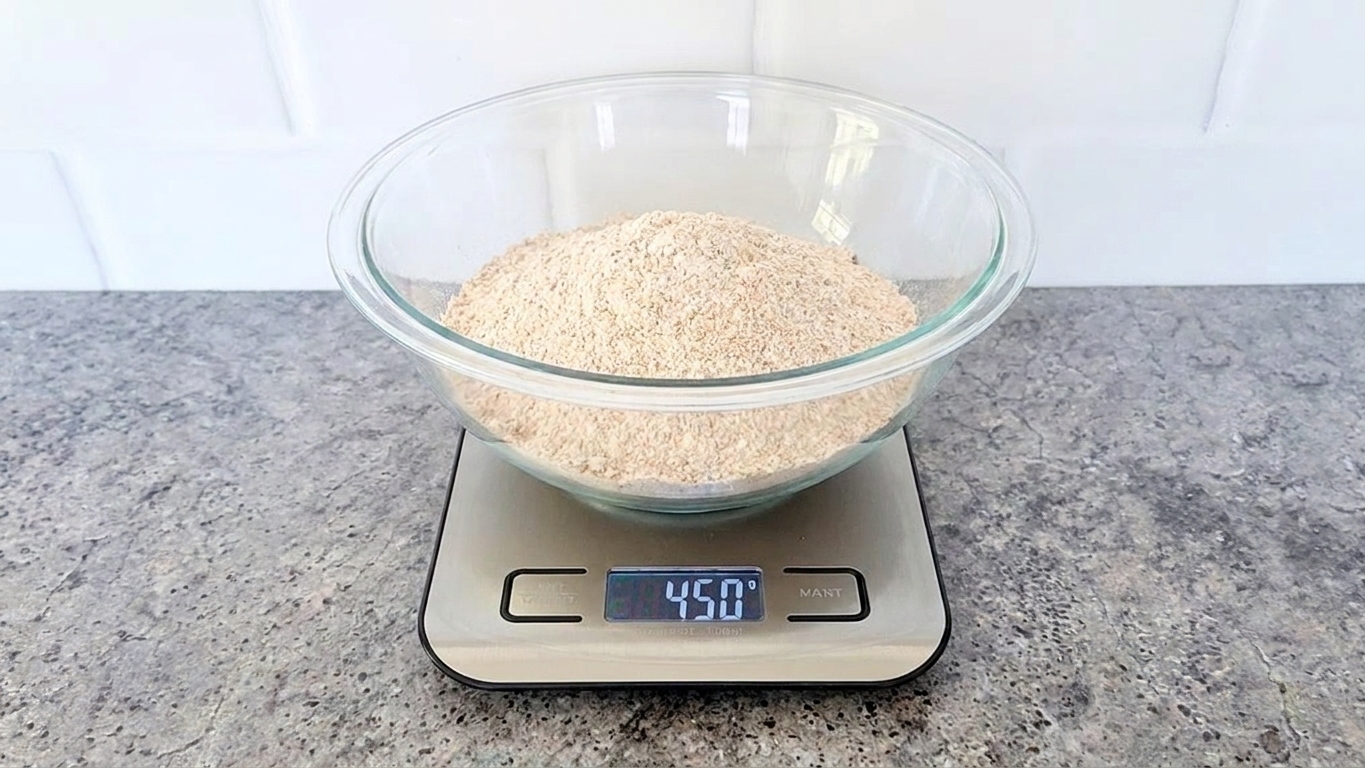
- New flour = 500 − 50 = 450g flour
- New water = 325 − 50 = 275g water
Everything else (salt, sugar, oil, add-ins) typically stays the same at first. The only thing you fully remove is the commercial yeast. If your converted dough ferments dramatically longer than the original, expect some flavor and texture changes anyway, and you may decide to tweak water or salt slightly next time.
If your starter is not 100%
If your starter is thicker or looser than the equal-parts-by-weight standard, you can still convert accurately. Here’s the easiest way without getting too mathy:
- Look up your starter hydration (for example 60% or 125%).
- Weigh the starter you plan to use.
- Calculate flour and water in the starter using hydration definitions: hydration = water ÷ flour.
Example for a 60% hydration starter: If you use 160g starter at 60% hydration, it is made of about 100g flour + 60g water (plus tiny rounding differences). Subtract those from the recipe flour and water.
If you are not sure what hydration your starter is, assume it is 100% and adjust the dough by feel. If the dough seems dry, add water 1 tablespoon at a time. If it seems soupy, dust in flour 1 tablespoon at a time.
How long it takes
This is where many conversions fail: people keep the yeast timeline. Sourdough is slower and that is normal.
Typical timelines
At about 70 to 75°F (21 to 24°C), for lean, moderate-hydration doughs (not super sweet and not heavily enriched), these are common ranges:
- Bulk fermentation (first rise): 4 to 8 hours
- Shaped proof (second rise): 2 to 4 hours
- Optional cold proof in the fridge: 8 to 24 hours (great for flavor and scheduling)
In a cooler kitchen (65°F or 18°C), bulk can easily take 8 to 12 hours. In a warm kitchen (78°F or 26°C), it may be more like 3 to 6 hours. Whole grains, higher salt, stiffer doughs, and enriched doughs can all shift timing.
Use the dough, not the clock
Instead of timing it like a yeast dough, watch for:
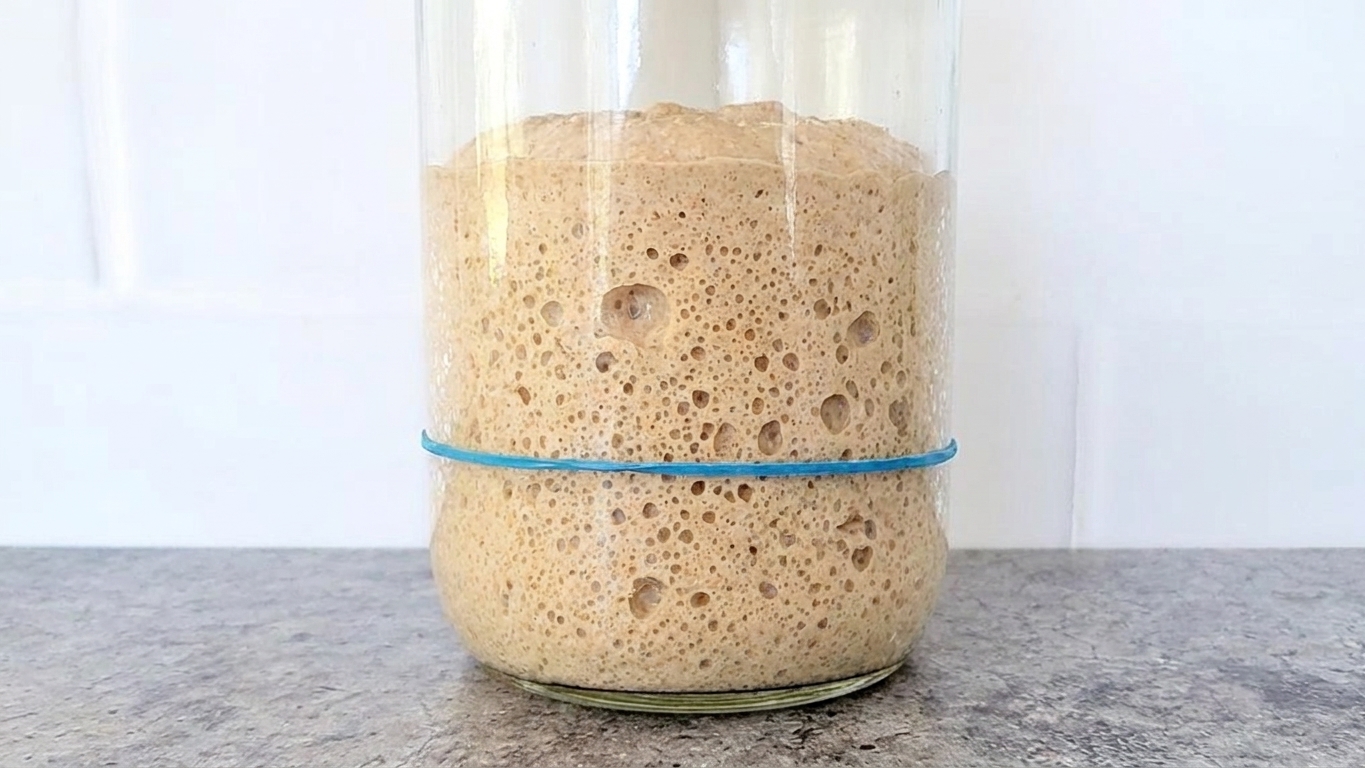
- Volume increase: often 50% to 100% growth during bulk (not always a perfect “double”)
- Texture change: dough looks smoother, puffier, and holds bubbles
- Jiggle: bowl or container has a light wobble when shaken
What converts well
Some yeast recipes convert to sourdough beautifully with only minor tweaks. Others can absolutely be done, but they are less beginner-friendly because enrichment and sugar slow fermentation.
Easiest conversions
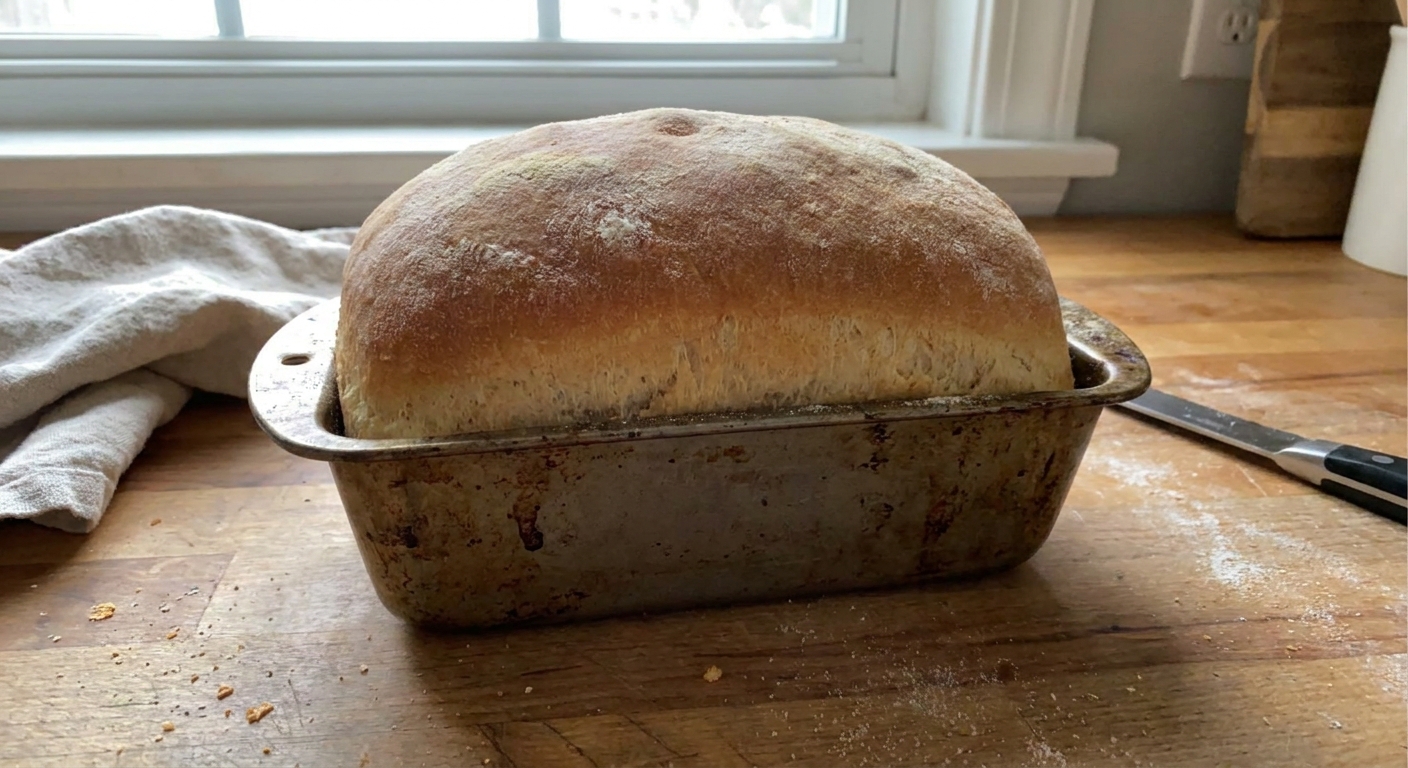
- Lean sandwich bread (flour, water or milk, salt, a little fat)
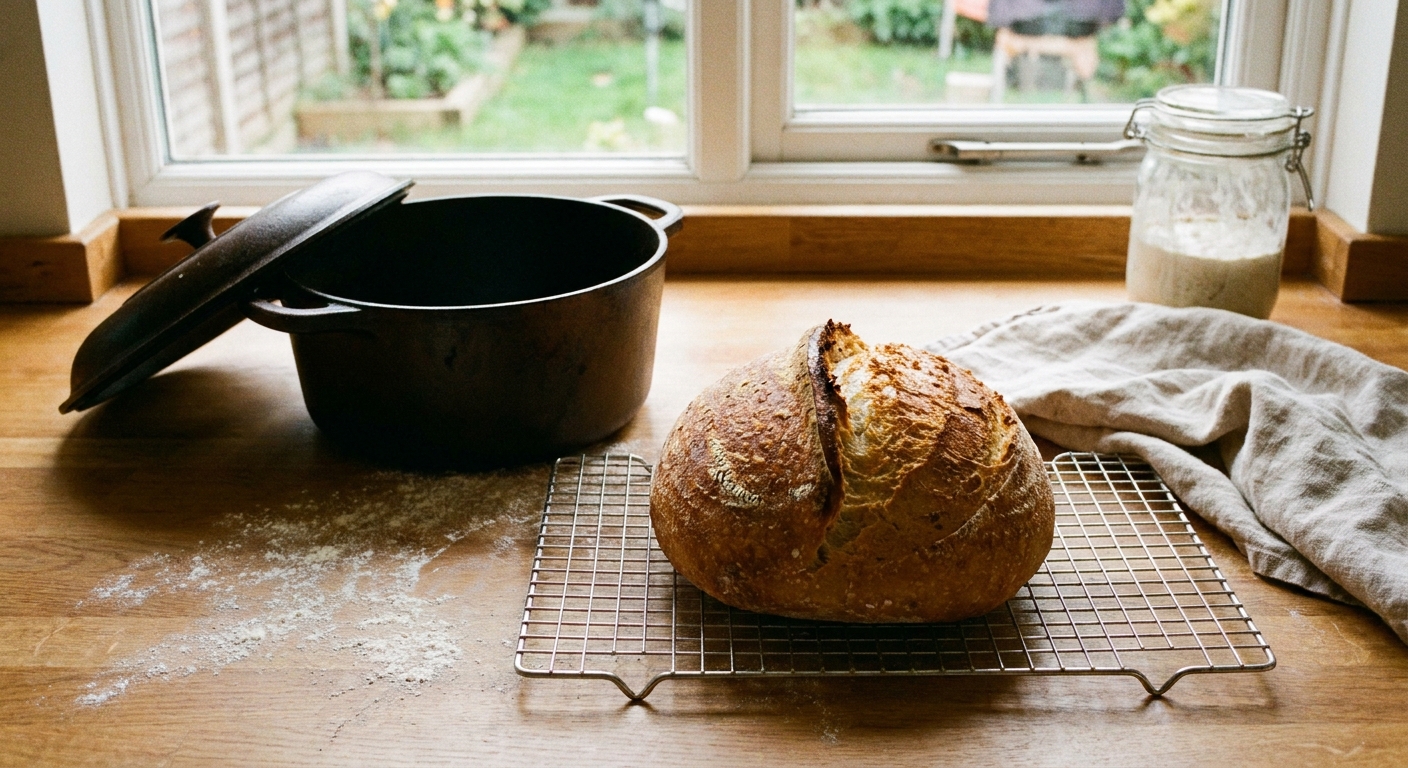
- Boules and batards
- Pizza dough
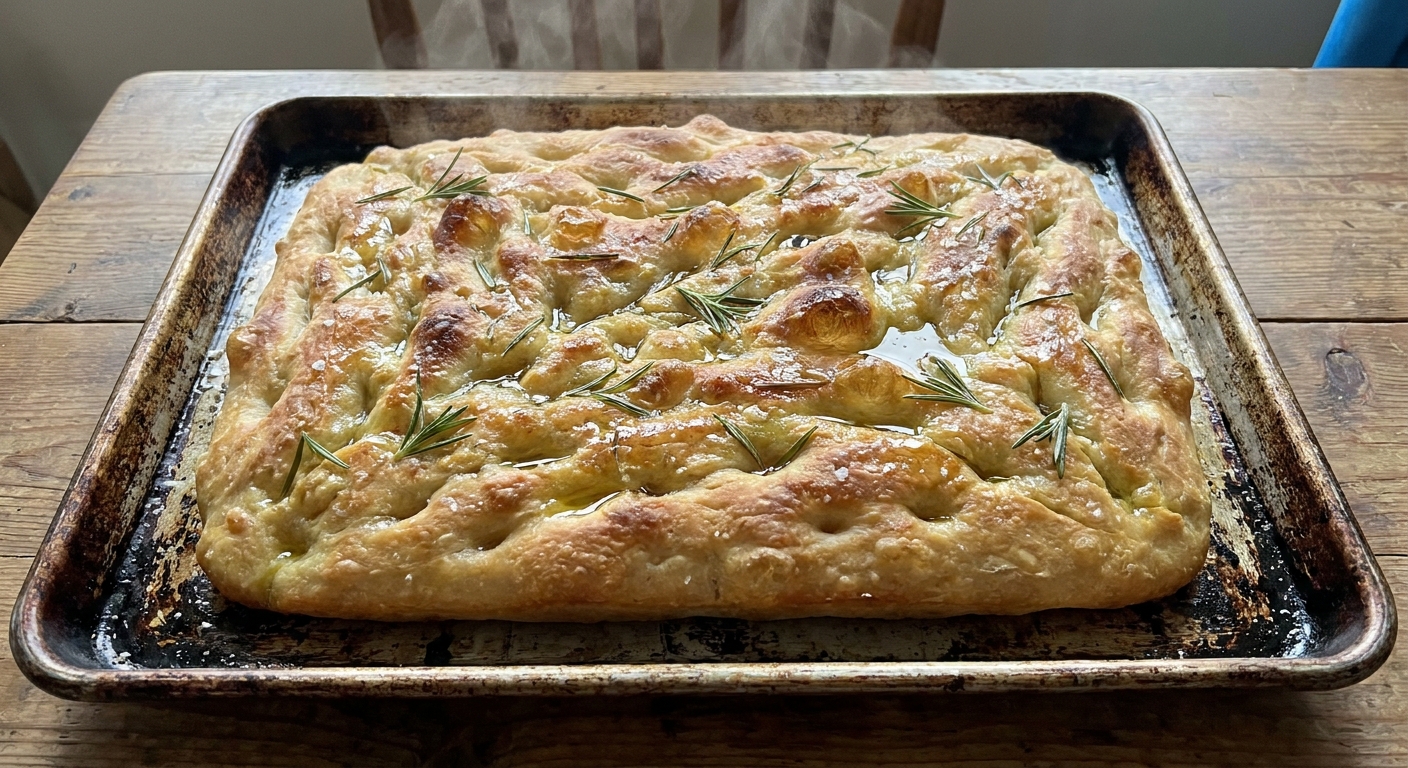
- Focaccia (especially with an overnight schedule)
- English muffins (sourdough version is fantastic)
Trickier conversions
- Brioche, challah, cinnamon rolls (lots of butter, eggs, sugar slows the rise)
- Very sweet doughs (sticky, slower fermentation, more variable timing)
- Gluten-free yeast breads (structure is different, conversion is not 1:1)
If you are new to sourdough conversions, start with a lean dough first. Get one win under your belt, then move to enriched doughs.
Cup-based recipe example
I strongly recommend using a kitchen scale for conversions. But if your original recipe is written in cups, here is a workable way to approach it:
- Assume 1 cup all-purpose flour = about 120g (spooned and leveled)
- Assume 1 cup water = 240g
- Starter volume is extra unreliable because it can be airy or collapsed. If you must use cups, treat it as a rough guess and be ready to adjust.
Example: Recipe uses 4 cups flour (about 480g). Use 20% starter: 480 × 0.20 = 96g starter, which is roughly a little under 1/2 cup for many starters, but it varies a lot. Subtract about 48g water (3 tablespoons) and 48g flour (about 6 tablespoons) from the recipe. Then adjust by feel because cup measures vary and starter volume can be deceptive.
If you can, do the conversion once by weight and write it in the margins of your recipe. Future-you will be so grateful.
Common problems
The dough is not rising
- Make sure your starter is active (it should reliably double after feeding).
- Warm the environment: a turned-off oven with the light on is perfect.
- Give it more time. Sourdough is patient baking.
The dough is too sticky
- You may have not subtracted enough water for the starter you added.
- Do a 15-minute rest (autolyse) and then knead. Dough often tightens on its own.
- For wetter doughs, a couple sets of stretch-and-folds during bulk can build strength with less mess than heavy kneading.
The bread is dense
- It may be underproofed. Let bulk go longer next time.
- Check shaping tension and make sure your oven is fully preheated.
It tastes too sour
- Shorten the total fermentation time, especially the fridge proof.
- Use a younger starter (fed recently, not super acidic) and ferment a bit warmer.
- If you need a faster schedule, you can try slightly more starter so the dough reaches readiness sooner, but flavor depends on time, temperature, and starter maturity.
Quick reference
Use this as a starting point for many yeast recipes.
| If your recipe flour is… | Use 20% starter (100% hydration) | Subtract from flour | Subtract from water |
|---|---|---|---|
| 300g flour | 60g starter | 30g flour | 30g water |
| 400g flour | 80g starter | 40g flour | 40g water |
| 500g flour | 100g starter | 50g flour | 50g water |
| 600g flour | 120g starter | 60g flour | 60g water |
If you want a faster rise, use 25% to 30% starter and subtract accordingly.
FAQ
What if my yeast recipe has milk, eggs, or butter?
You can still convert it. Keep the enrichments the same, but expect fermentation to take longer. I usually use 25% to 30% starter for enriched doughs so they do not take all day, and I plan on a warm spot for rising.
Can I replace yeast with starter without changing flour and water?
You can, but your dough will be wetter (and often stickier) because starter adds extra water. For best results, subtract the starter’s flour and water so the dough handles like the original.
Do I need to add sugar or honey to help sourdough rise?
No. An active starter has everything it needs. Sugar can speed browning and soften crumb, but it is not required for rise.
Does sourdough starter replace yeast 1:1 by teaspoons?
No. Yeast is concentrated and starter is a whole mixture of flour, water, and wild yeast. Convert by baker’s percentage (starter as a percent of flour), not by spoonfuls of yeast.
What starter should I use for conversion: fed or unfed?
For swapping in place of commercial yeast, use active, recently fed starter. Discard starter can work in some recipes, but it is much less predictable for leavening.
Want help converting your recipe?
If you share the flour amount (or the ingredient list) and whether your starter is 100% hydration, I can do the exact starter, flour, and water numbers for you. I can also help you build a realistic rise schedule that fits a busy day.