12 reliable, family-approved meals around $15. Quick steps, smart swaps, and pantry-friendly ingredients to get dinner on the table fast.
Recipe Homely
October 17, 2026
Last updated October 17, 2026
Feeding a Family of Four on $100 a Week

Sarah Jenkins
Sarah Jenkins is a passionate home cook and the voice behind Recipe Homely, dedicated to making everyday meals stress-free and delicious. With over a decade of experience feeding a busy family, she specializes in rigorously tested, approachable recipes for dinners, desserts, and everything in between. When she isn't developing new dishes, Sarah can be found browsing local farmers' markets or baking with her two children.
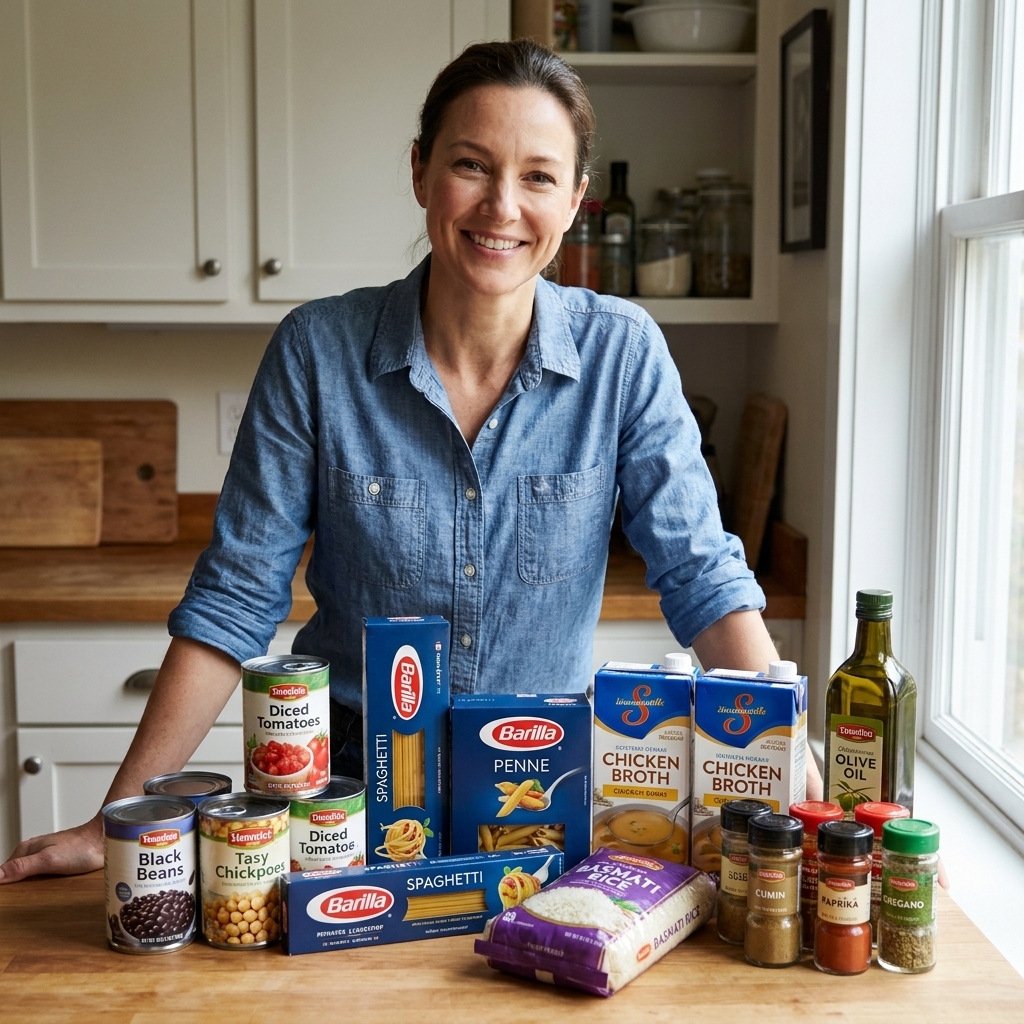
Let me guess. It is 4:45 PM, everyone is hungry, and you are staring into the fridge hoping dinner will magically assemble itself. I have been there, often. The good news is that feeding a family of four on $100 a week can be doable, especially if you shop at budget-friendly stores, lean on sales, and already have a few pantry basics on hand.
This is the approach I use when our month gets tight or we have a busy week ahead. It is practical, flexible, and built around foods most families will actually eat.
The $100 mindset
Before we talk recipes and grocery lists, here are the three rules that make the budget doable.
- You buy ingredients, not meals. One rotisserie chicken feels like a meal. A family pack of thighs plus rice plus frozen veg becomes multiple meals.
- You repeat on purpose. Not the same dinner seven nights in a row. You repeat base ingredients (rice, tortillas, beans, eggs) so nothing gets wasted.
- You plan for leftovers like they are a feature. A planned leftover night is how you protect the budget and your energy.
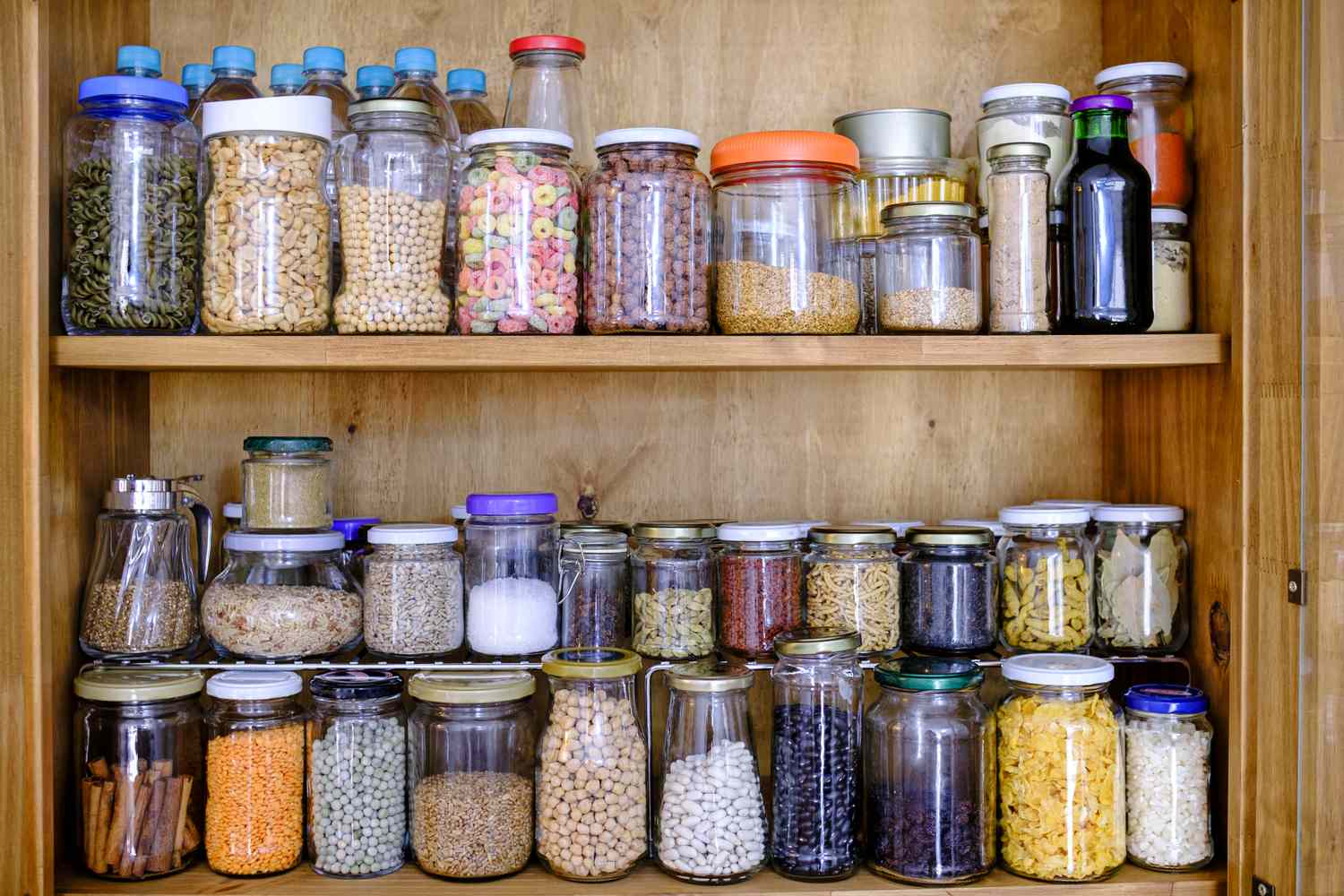
Step 1: Inventory in 10 minutes
This step alone saves real money because you stop buying duplicates.
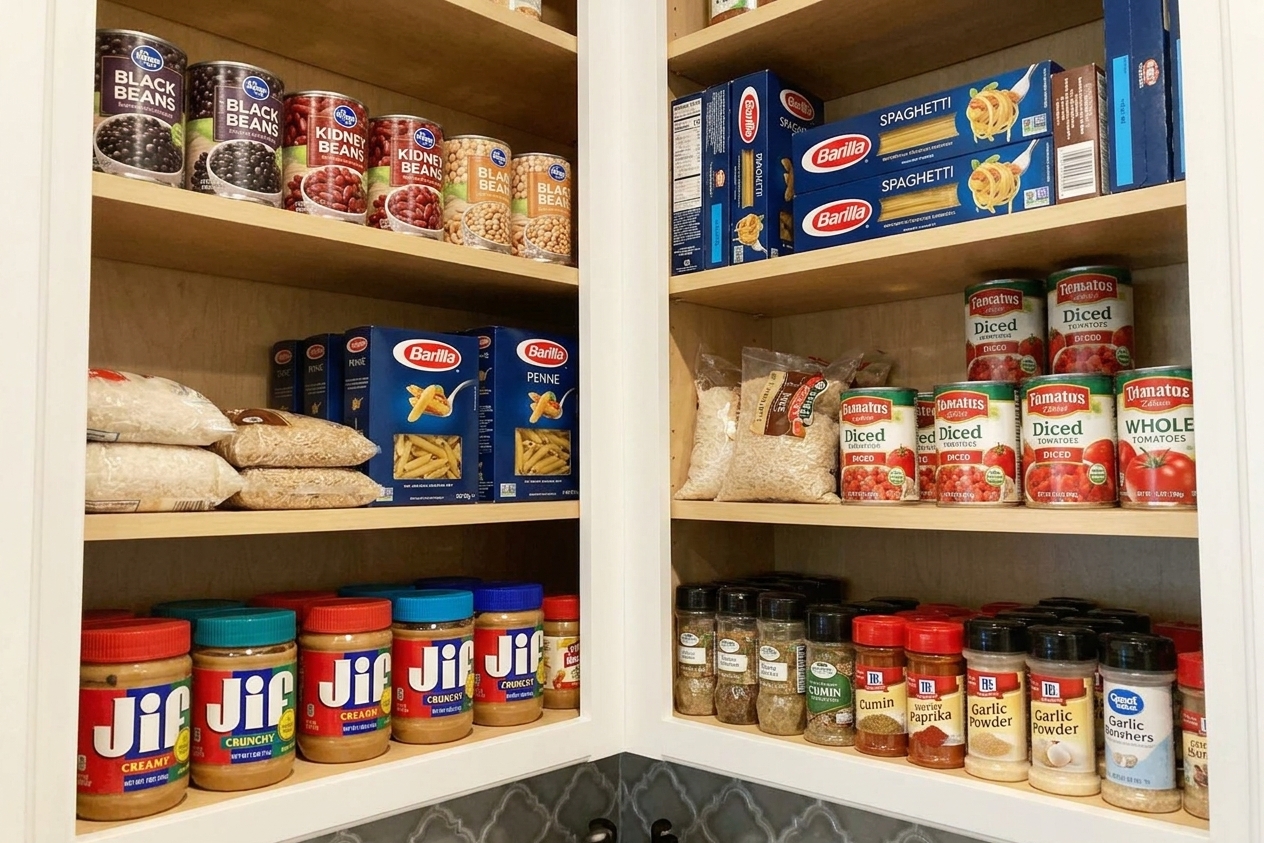
Quick pantry and fridge scan
- Proteins: anything in the freezer (ground meat, chicken, fish sticks), deli meat, eggs, yogurt
- Carbs: rice, pasta, tortillas, bread, oats, potatoes
- Veg and fruit: frozen veg, canned tomatoes, fresh produce that needs using
- Flavor builders: salsa, soy sauce, BBQ sauce, spices, broth cubes, peanut butter, mayo
Write down what needs to be used first. That becomes the backbone of your week.
Pantry staples this plan assumes you already have: cooking oil or butter, salt and pepper, a couple of basic spices (like chili powder or Italian seasoning), and one condiment you like (ranch, mayo, or a dressing). If you do not have them, you can still do this, but your first week might run over budget because you are stocking up.
Step 2: Plan a real week
When I plan for $100, I aim for 5 cooked dinners plus 1 leftover night plus 1 easy pantry dinner (like breakfast-for-dinner). That way if life happens, the plan can bend without breaking.
Simple dinner framework
- 2 chicken dinners (thighs are often a better deal, but watch weekly ads)
- 1 meatless dinner (beans, eggs, lentils)
- 1 ground meat dinner (or turkey)
- 1 soup or big skillet (stretches well)
- 1 leftover night
- 1 pantry night (pancakes, grilled cheese, tuna melts)
Sample $100 week dinner plan
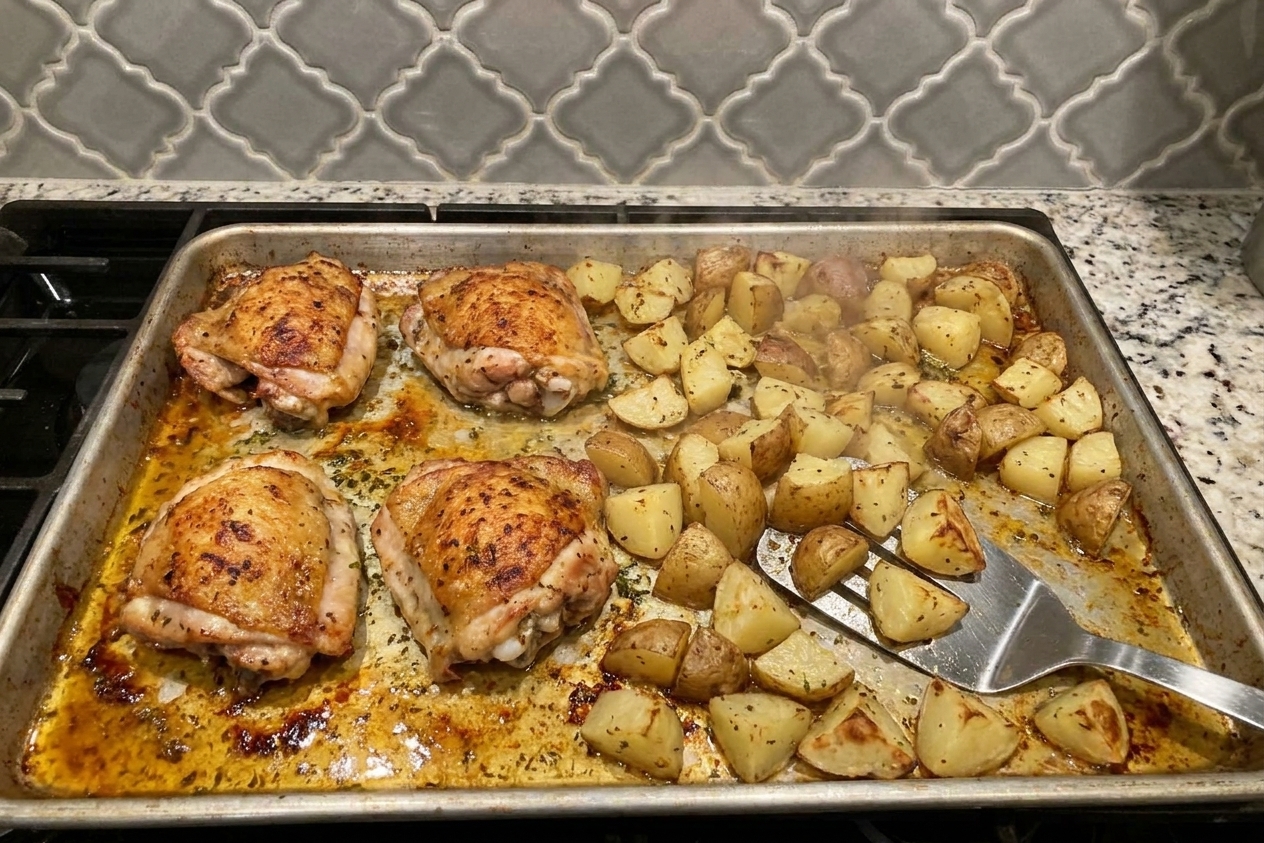
- Mon: Sheet Pan Chicken Thighs + Roasted Potatoes + Frozen Green Beans
- Tue: Black Bean and Rice Bowls with Salsa and Cheese
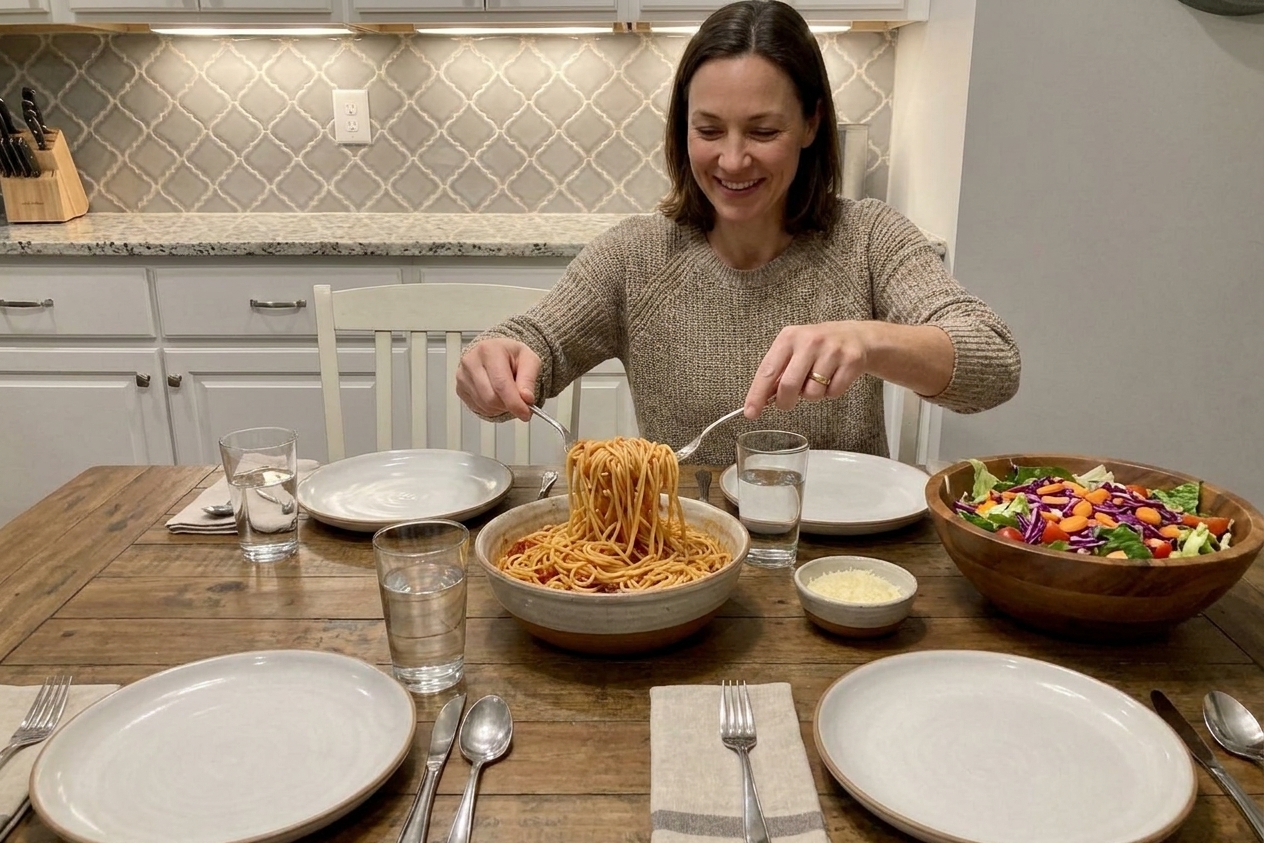
- Wed: Spaghetti with Meat Sauce + Side Salad
- Thu: Chicken Fried Rice (uses leftover rice and veg)
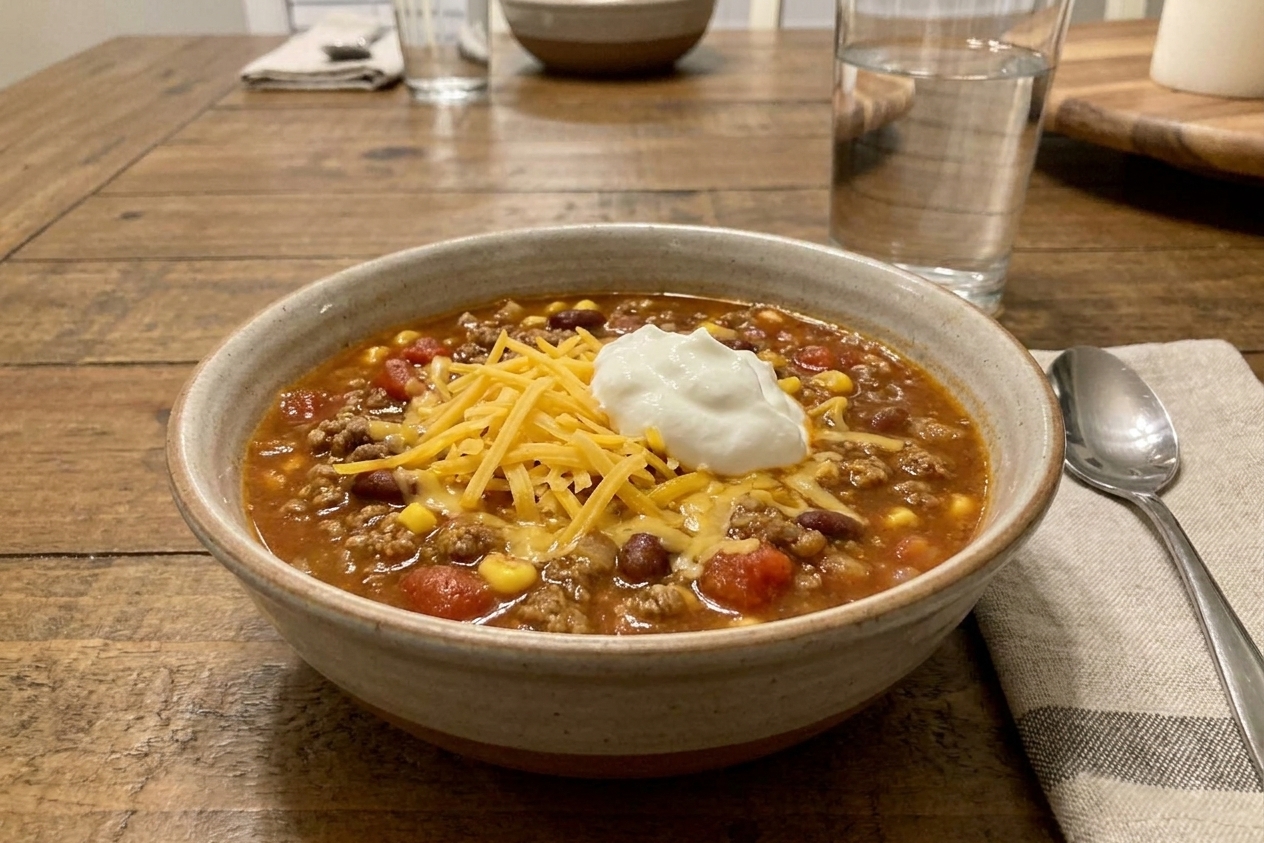
- Fri: Big Pot Taco Soup + Tortilla chips or toast
- Sat: Leftovers Night (everyone picks)
- Sun: Breakfast-for-Dinner (eggs + pancakes or toast + fruit)
Step 3: Build a $100 cart
Prices vary wildly by region, season, and store. So instead of promising one magical list that fits everyone, I build a list with budget anchors. These are the items that keep meals filling and flexible.
Budget anchors to prioritize
- Protein: chicken thighs, eggs, canned beans, peanut butter, tuna (prices vary, so compare cost per pound and watch sales)
- Stretchers: rice, pasta, oats, potatoes, tortillas
- Veg: 2 to 3 fresh options + 2 frozen bags + 1 salad base
- Flavor: onions, garlic, canned tomatoes, salsa, broth
Quick budget math
If $100 is your hard line, a rough split that tends to work looks like this:
- Protein: $30 to $40
- Produce: $18 to $25
- Pantry: $20 to $30
- Dairy: $10 to $15
- Cushion: $5 (because something will cost more than you hoped)
If your store prices are higher, this same plan often works at $120 to $150. The method is the point, not the exact number.
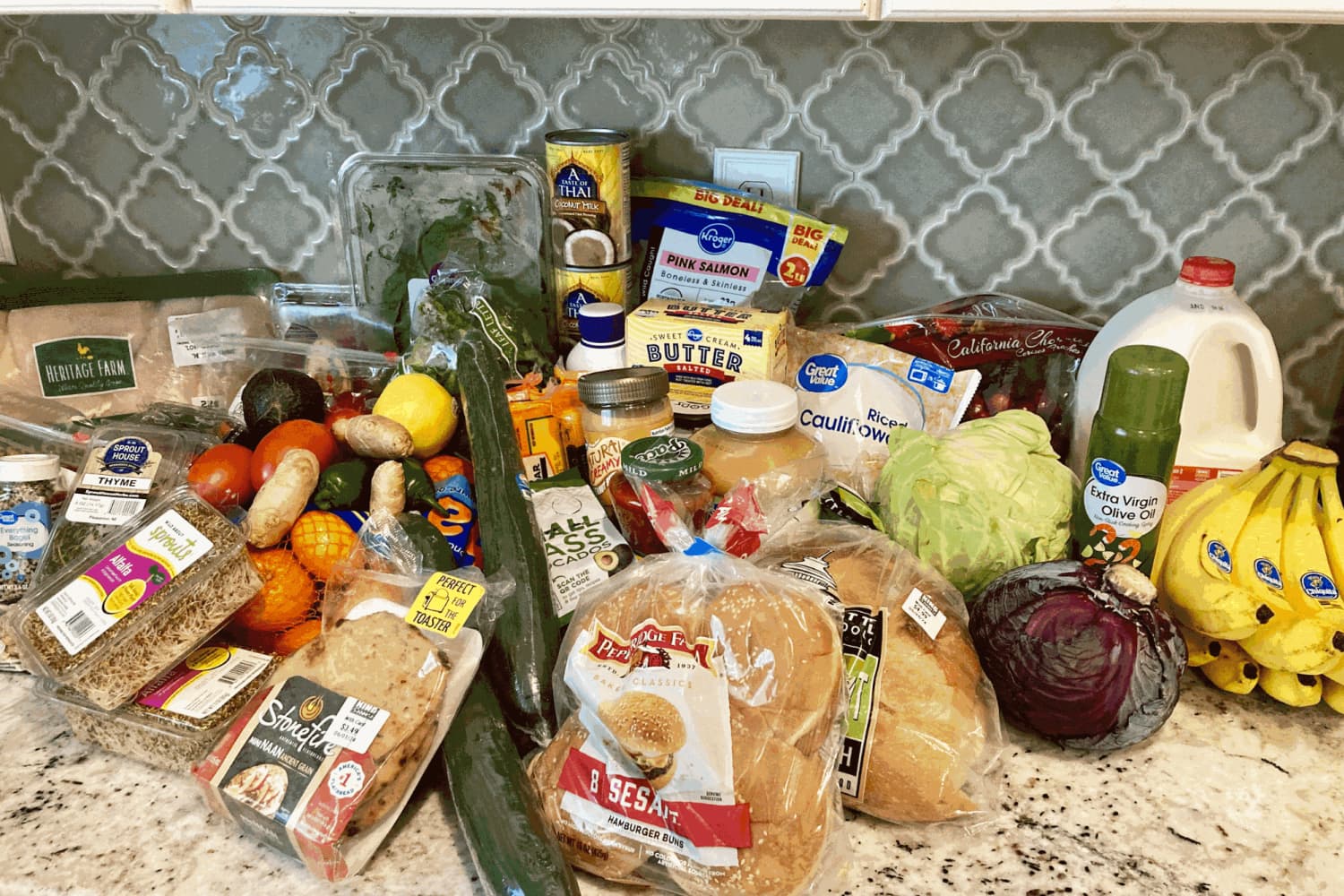
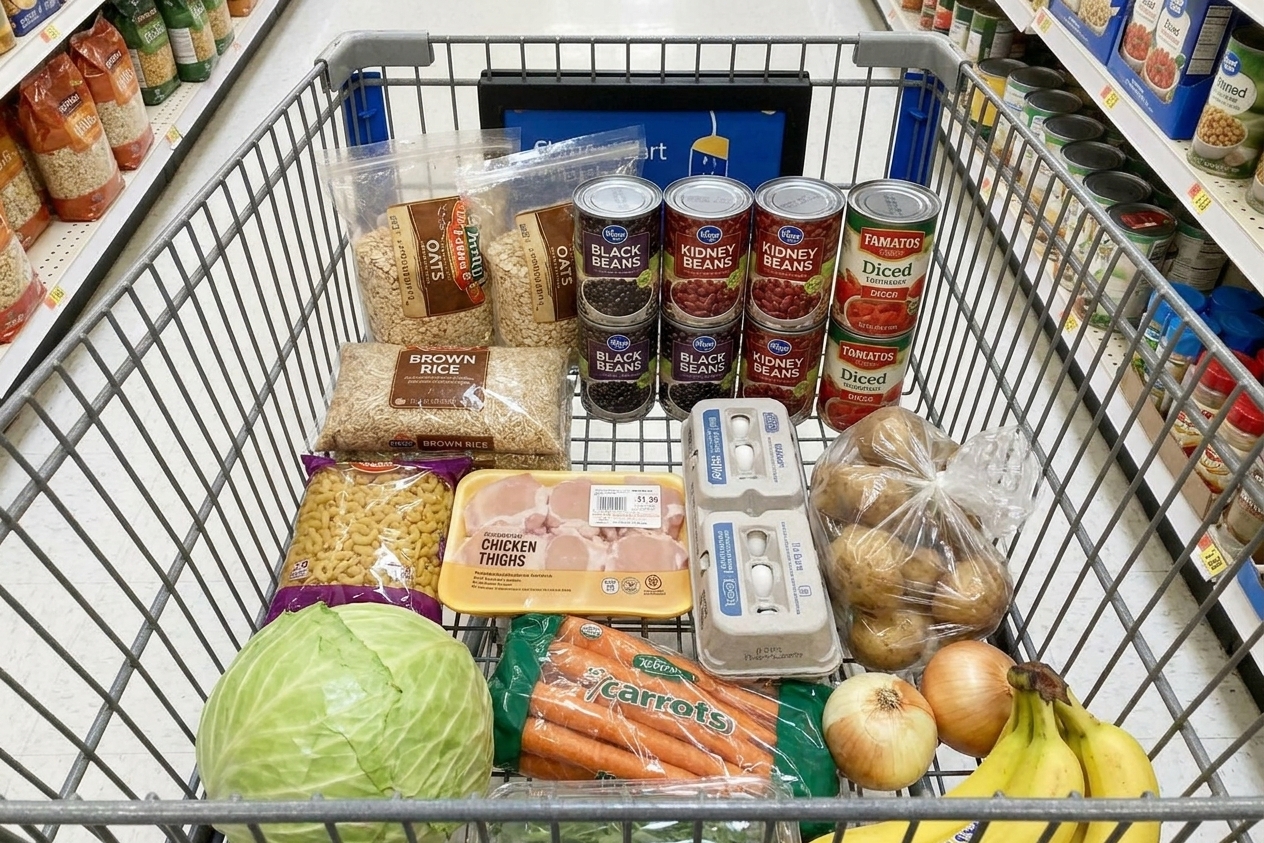
Sample $100 grocery list (with sizes)
This example supports the dinner plan above plus simple breakfasts and lunches. Adjust for bigger appetites and older kids.
- Protein
- Chicken thighs (about 3 to 4 lb family pack)
- Ground beef or turkey (1 to 1.5 lb)
- Eggs (2 dozen)
- Canned beans (4 cans total, for example black x2 + kidney or pinto x2)
- Canned tuna (2 to 4 cans) or extra beans if you prefer
- Peanut butter (16 oz jar) if you are low
- Produce
- Yellow onions (3 lb bag)
- Garlic (1 bulb)
- Potatoes (5 lb bag)
- Carrots (1 to 2 lb bag)
- Salad base (1 head of lettuce or 1 budget salad kit)
- Fruit (6 to 8 bananas plus one fruit on sale, like apples or oranges)
- Frozen
- Frozen green beans (1 bag, 12 to 16 oz)
- Frozen mixed vegetables (1 bag, 12 to 16 oz)
- Pantry
- Rice (2 lb bag)
- Pasta (1 lb box)
- Old-fashioned oats (18 oz container)
- Canned diced tomatoes (2 cans, 14 to 15 oz each)
- Tomato sauce (1 can, 8 to 15 oz) or 1 jar if that is cheaper
- Salsa (1 jar)
- Tortillas (10 to 20 count, whatever is the best price)
- Broth (1 carton) or bouillon
- Pancake mix (one box) or flour if you make from scratch
- Dairy
- Shredded cheese (8 to 16 oz, depending on price)
- Milk (1 gallon or your household size)
- Plain yogurt (24 to 32 oz, optional but helpful for breakfasts and quick sauces)
- Lunch add-ons (buy only if you need them)
- Sandwich bread
- Mayo or mustard
- Cereal
Step 4: Shop calm
My $100 shopping rules
- Set a number before you walk in. If your budget is $100, treat it like a boundary, not a suggestion.
- Start with protein and build out. If chicken is on sale, great. If not, lean harder into beans and eggs and compare cost per pound.
- Choose two fresh veggies and let frozen do the rest. Frozen vegetables are already prepped and reduce waste.
- Keep beverages simple. I do not count soda, juice, or fancy coffee drinks in the weekly budget. Household basics like milk are different if you normally buy them.
- Skip single-serve snacks. Buy popcorn kernels, a big tub of yogurt, or a bag of apples instead.
Store-brand swaps that rarely disappoint
- Canned tomatoes
- Pasta and rice
- Frozen vegetables
- Oats
- Canned beans
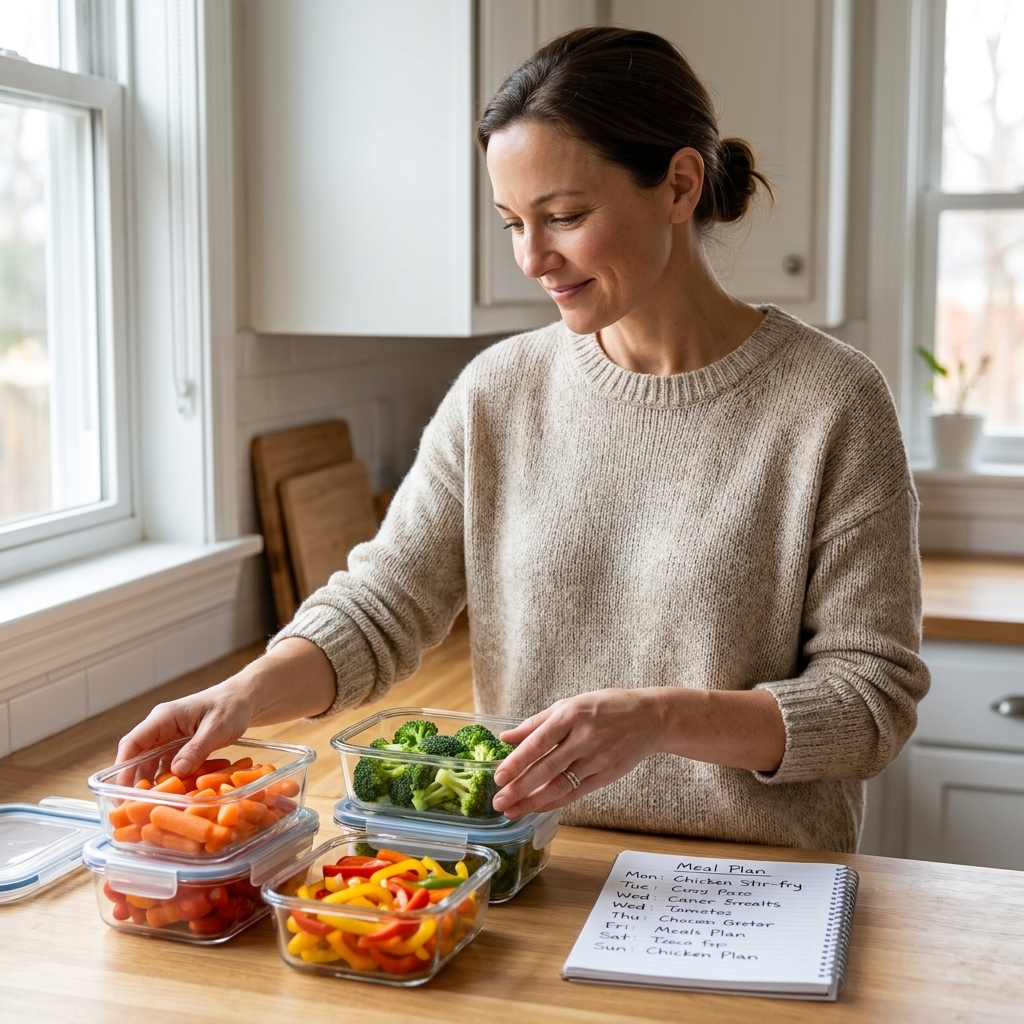
Step 5: Prep for one hour
I am not going to tell you to meal prep 21 containers. Here is the version I actually do on a Sunday afternoon while my kids are doing homework and wandering in asking for snacks.
The 60-minute checklist
- Cook a big pot of rice (use half for bowls, save half for fried rice).
- Season the chicken thighs (salt, pepper, garlic powder, or whatever you have) and stash them until cook day, or roast them now for faster weeknights.
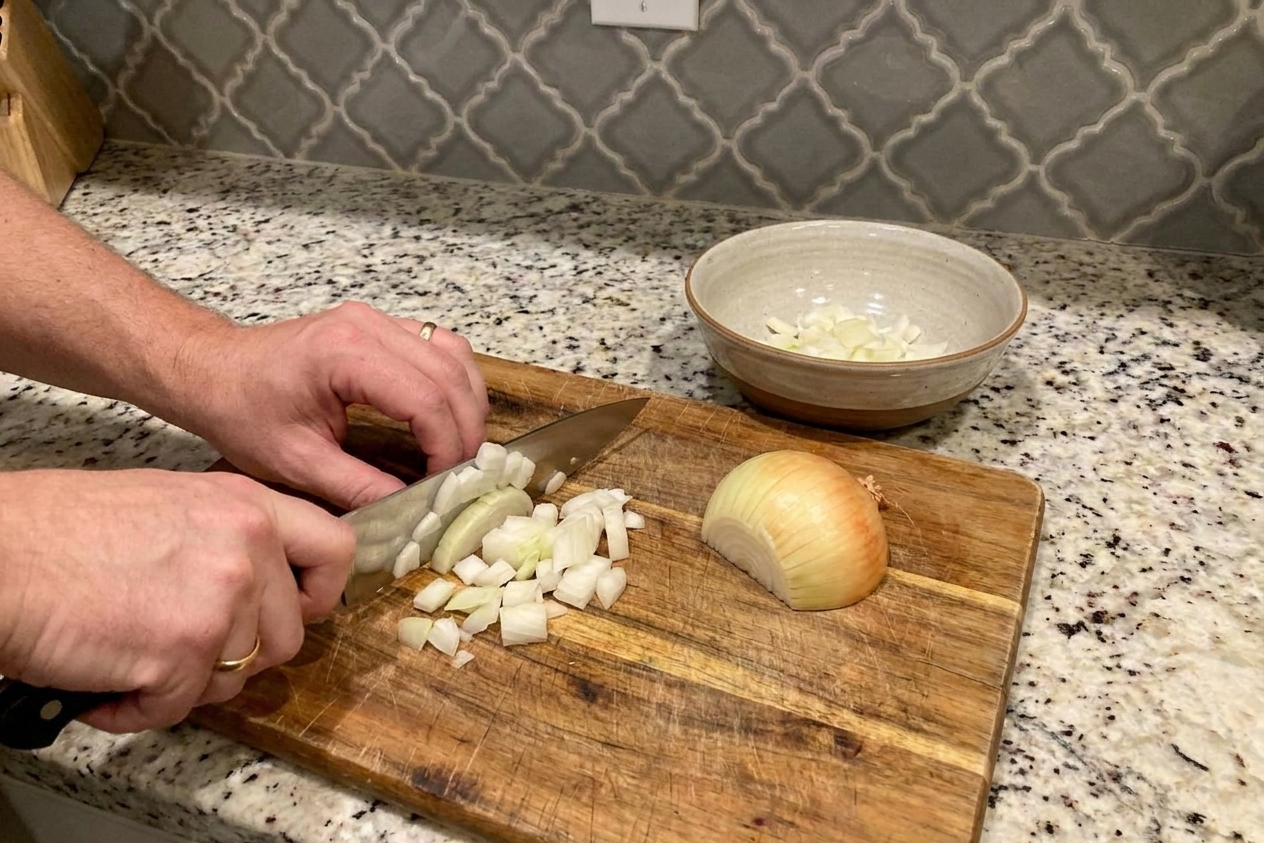
- Chop onions (store in a container so weeknight cooking starts faster).
- Wash fruit so it becomes a grab-and-go snack.
- Mix one quick sauce (salsa + yogurt + a squeeze of lime or lemon, if you have it).
Quick food safety note
Cool cooked rice and chicken quickly, refrigerate within 2 hours, and use leftovers within 3 to 4 days. Reheat until steaming hot.
Breakfasts and lunches
Dinner is only part of the budget puzzle. Breakfast and lunch can quietly wreck it if you are constantly buying extras mid-week.
Budget breakfast ideas
- Oatmeal with banana and peanut butter
- Yogurt bowls with fruit and a sprinkle of oats or cereal
- Eggs and toast
- Pancakes (make extra and freeze)
Budget lunch ideas (mix and match)
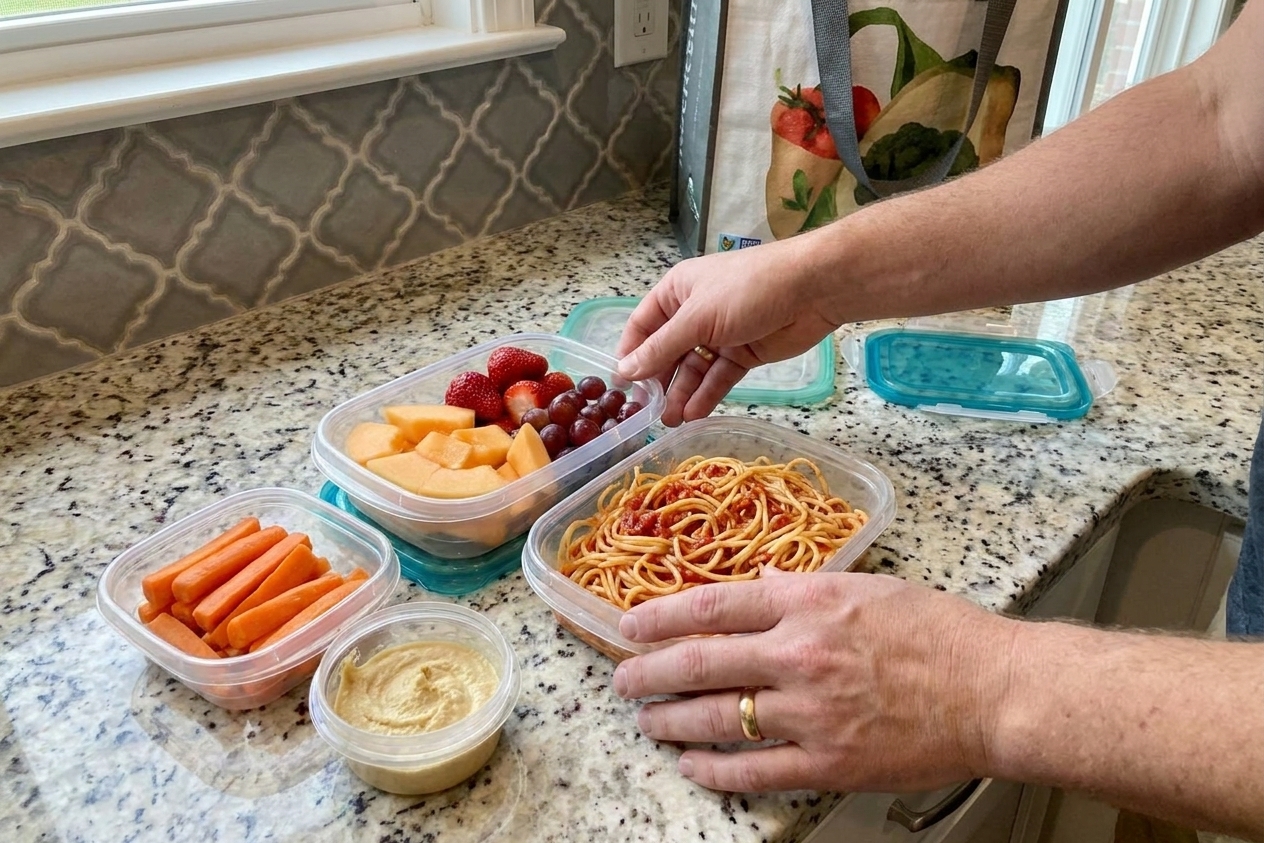
- Leftover dinner in thermoses or microwave-safe containers
- Tuna salad sandwiches or wraps
- Bean and cheese quesadillas
- Simple pasta salad (pasta + chopped carrots + a little dressing)
- DIY snack plates: fruit + carrots + peanut butter toast
7 dinners on repeat
If you want a short list to rotate, these are my go-to cheap dinners. They use common groceries and scale well.
Quick formulas (no fancy recipes)
- Sheet pan chicken thighs and potatoes: Toss chopped potatoes with oil, salt, and pepper. Add seasoned thighs. Roast at 425°F for 35 to 45 minutes, until chicken is cooked through. Serve with frozen veg.
- Spaghetti with meat sauce: Brown ground meat with chopped onion. Add tomato sauce plus a can of diced tomatoes. Simmer 10 to 15 minutes. Serve over pasta.
- Bean and cheese quesadillas: Mash drained beans with salsa. Spread on tortillas, add cheese, fold, and toast in a skillet.
- Taco soup: In a pot, combine browned meat (optional), canned beans, diced tomatoes, broth, and taco seasoning or chili powder. Simmer 20 minutes.
- Fried rice: Use cold leftover rice. Scramble eggs, then stir-fry rice with frozen veg and soy sauce. Add chopped chicken if you have it.
- Breakfast-for-dinner: Eggs + pancakes or toast + fruit. Add yogurt if you want it more filling.
- Baked potato bar: Bake potatoes. Top with beans, cheese, salsa, leftover chicken, or yogurt.
Nutrition on a budget
When money is tight, it is tempting to lean hard on beige foods. Here is how I keep meals balanced without buying expensive specialty items.
- Protein: eggs, beans, chicken thighs, tuna (watch sales because prices swing).
- Fiber: oats, beans, potatoes (with skins), carrots, frozen vegetables.
- Veg goal: one veggie at lunch and one at dinner, even if lunch is just carrots.
- Fruit: bananas are my budget hero. Add one seasonal fruit that is on sale for variety.
If you have a little room in the budget, the best nutrition upgrades are plain yogurt, peanut butter, and a bag of frozen berries.
Easy swaps for common needs
- Vegetarian: skip the ground meat and add extra beans or lentils to soup and bowls.
- Gluten-free: use rice, potatoes, and corn tortillas; pick gluten-free pasta if you can find it at a decent price.
- Dairy-free: skip cheese, use salsa and avocado if it fits the budget, and use dairy-free yogurt if you already buy it.
Budget problems
We are still hungry after dinner
Add a stretcher: rice, potatoes, pasta, bread, or tortillas. Most budget dinners need a filling base.
My kids will not touch vegetables
Keep it simple. Roast carrots with salt and a little oil. Serve cucumber slices and ranch. Buy frozen corn. Consistency beats perfection here.
We waste produce every week
Buy less fresh produce and more frozen. Pick two fresh vegetables you know you will use. Build meals around them.
We keep grabbing takeout mid-week
Plan one emergency dinner that takes 10 minutes: scrambled eggs and toast, quesadillas, or tuna melts. Put it on the calendar like it is a real dinner.
My weekly rhythm
If you want a rhythm to follow, here is what works in my house.
- Friday: check the fridge, make a rough plan
- Saturday: shop once, no extra quick trips
- Sunday: 60-minute prep
- Mon to Thu: cook the planned dinners
- Friday: soup or pantry dinner (end-of-week flexible)
- Saturday: leftovers night
FAQ
Is $100 a week realistic everywhere?
In some areas, $100 is very tight. If your prices are higher, use this same method and adjust the number. The strategy still works, even if your budget is $120 or $150.
What is the cheapest protein for a family?
Often it is eggs, beans, and chicken thighs, but prices can swing a lot (especially eggs). Your cheapest protein is whatever is on sale that week, so check the weekly ad and compare cost per pound.
How do you keep variety without buying extra ingredients?
Change the seasoning and sauce, not the entire shopping list. The same chicken can become BBQ one night and taco-seasoned the next.
What if I do not have time to cook every night?
Lean into two bigger-cook nights (sheet pan chicken and a pot of soup) and plan leftovers. Batch cooking is a budget parent’s best friend.
Wrap-up
If you take nothing else from this guide, take this: plan five dinners, shop once, and prep one thing. That trio is what keeps you out of the drive-thru and inside your budget.
When you try your first $100 week, keep notes. Which meals disappeared fastest? What got ignored? Next week gets easier because you are building a plan that fits your family, not an imaginary one.